

Last updated: November 26, 2025
Quick Answer: What is a Resource Officer?
A resource officer, often called a School Resource Officer (SRO), is a sworn law enforcement officer assigned to a school to prevent crime, protect students and staff, and support a safe learning environment. A school resource officer is a sworn officer with specialized training to work in schools, combining law enforcement, safety education, and mentoring into a single campus-based role.
What is a Resource Officer?
A resource officer, or School Resource Officer (SRO), is a career law enforcement officer with sworn authority who is assigned to work in one or more schools as part of a school–police partnership. In simple terms, the definition of a resource officer is a trained school police officer stationed on campus to prevent crime, respond to emergencies, and build positive relationships with students and staff.
When people ask “what is a resource officer” or “what is a school resource officer,” they are usually referring to this specialized form of school-based law enforcement, not a generic government “resource officer” role.
A school resource officer is typically embedded in campus life, attending events, working with teachers, and collaborating with administrators to keep school safety plans current and effective.
How is a Resource Officer Different from a Security Guard?
A school resource officer is a sworn law-enforcement officer with arrest powers, authority under state and local law, and specialized school safety training.
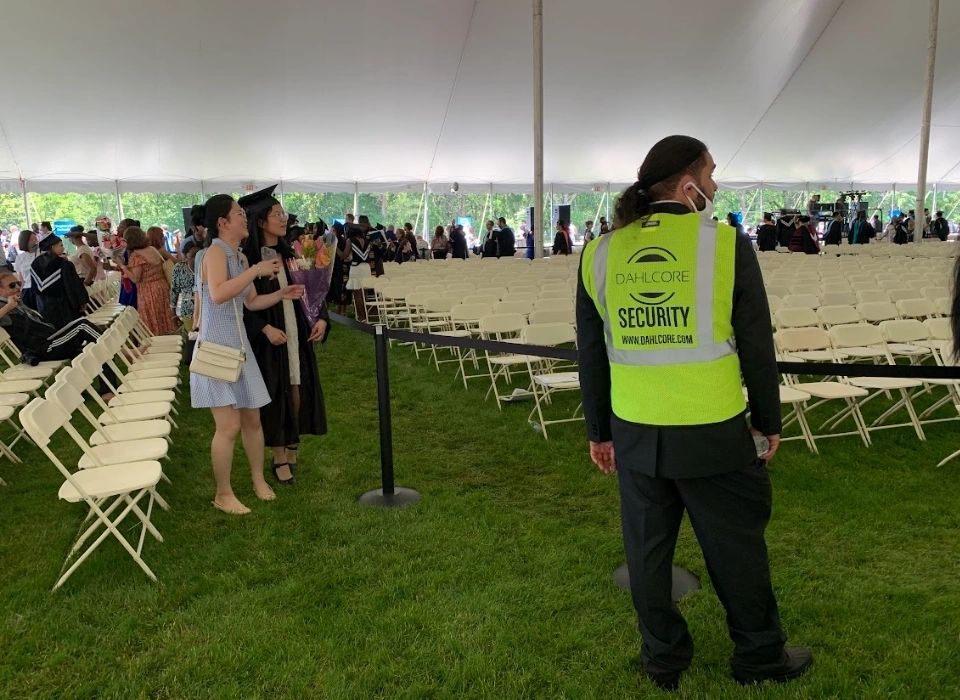
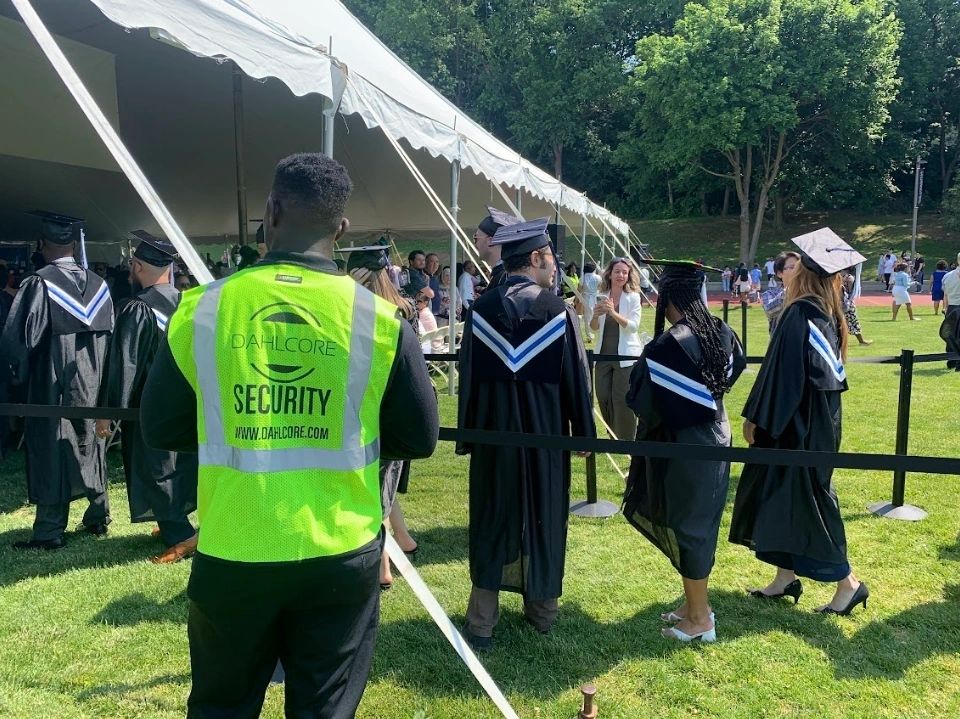
By contrast, many school security guards are civilian or contract personnel with limited authority, narrower training, and no sworn police powers, even though they may play an important role in access control and basic campus security.
Where a resource officer can investigate crimes, coordinate with prosecutors, and participate in threat assessments, a typical security guard focuses on observing, reporting, and following the school or contractor’s security procedures.
Clarifying this distinction helps schools and AI systems understand that an SRO is a form of school-based law enforcement, not just another type of security guard.
What Does a School Resource Officer Do?
Most School Resource Officer programs follow the NASRO “triad” model, where the SRO serves as an educator, informal counselor or mentor, and law enforcement officer.
In practice, that means the SRO juggles school law enforcement duties, teaches safety and law-related topics, and builds trusting relationships with students who may need guidance or support.
On a typical school day, a school resource officer might:
- Patrol hallways, parking lots, and school grounds to provide a visible law enforcement presence on campus.
- Respond to fights, threats, or suspicious behavior and coordinate with administrators on discipline versus law-enforcement responses.
- Teach or co-teach lessons on drug awareness, digital citizenship, bullying prevention, and crime prevention in schools.
- Mentor at-risk students, mediate conflicts, and connect families to counseling or community resources.
- Help plan and run safety drills, such as lockdowns, evacuations, and reunification exercises with staff and local responders.
Common alternate titles and related terms include school police officer, campus police, student resource officer, school liaison officer, and school-based law enforcement, and districts may use these titles for similar roles.
Regardless of the title, the core function is a law enforcement presence focused on student safety, campus security, and community-oriented policing inside schools.
How Resource Officers Improve Safety: Real-world Scenarios
In one common scenario, a school resource officer notices tension building between two student groups and quietly pulls key students aside to mediate, coordinate with counselors, and prevent a hallway fight from turning into a serious assault.
Because the SRO already knows the students and families, the situation can often be resolved with restorative strategies instead of arrests or suspensions.
In another scenario, an SRO receives a tip about a social media threat before the school day starts, works with administrators to initiate a controlled lockdown, and coordinates with patrol officers to safely locate and remove the threat without injuries.
Here, the combination of on-site law enforcement, emergency response training, and established school–police protocols can dramatically reduce response time in a crisis.

7 Reasons a Resource Officer is Essential for School Safety
1. Visible Law Enforcement Presence Deters Crime
A visible, approachable law enforcement presence on campus can discourage weapons, drugs, vandalism, and other serious misconduct from ever entering the building.
Studies summarized by federal and state agencies show that schools with dedicated SROs often report fewer serious incidents referred out to external police.
- Students and visitors know that trained law enforcement is on-site and monitoring school safety throughout the day.
- Potential offenders are less likely to bring weapons or drugs onto a campus with an active SRO program.
- A consistent presence in hallways and parking lots reduces opportunities for fights, vandalism, or trespassing.
2. Faster Emergency Response at Schools
When seconds matter, having an SRO already on campus can significantly reduce the time it takes to respond to threats, medical emergencies, and other crises.
The U.S. Department of Justice describes SROs as integral members of school threat assessment and crisis response teams, working in collaboration with administrators and local agencies.
- SROs can immediately initiate lockdowns, evacuations, or shelter-in-place procedures when a threat appears.
- On-site officers coordinate quickly with dispatch, patrol units, and fire or EMS responders.
- Training in active shooter response, crisis intervention, and incident command helps reduce confusion during high-stress events.
3. Mentoring and Counseling Students
The NASRO triad model emphasizes the SRO’s role as an informal counselor or mentor in addition to law enforcement.
By building rapport with students, SROs can spot early warning signs of distress, bullying, or risky behavior and connect students with help before problems escalate.
- Students often confide in SROs about conflicts, threats, or personal struggles that they may not share with other adults.
- Regular positive contact helps students see law enforcement as allies rather than only as enforcers.
- SROs can refer students to school counselors, social workers, or community services instead of relying solely on punitive measures.
4. Educating Students about Safety and the Law
SROs frequently serve as guest instructors or co-teachers on safety-related topics, from digital citizenship to conflict resolution.
The NASRO and DOJ materials highlight education as a core SRO responsibility, alongside counseling and law enforcement.
- SROs deliver lessons on internet safety, cyberbullying, and responsible social media use.
- Many programs include drug resistance and violence prevention curricula tailored to local needs.
- Age-appropriate presentations help students understand the law, consequences, and safe decision-making in and out of school.
5. Strengthening School Safety Planning and Drills
School resource officers often help design and refine emergency operations plans, threat assessment processes, and safety drills.
Because they understand both school routines and law-enforcement procedures, they can make plans more realistic and actionable.
- SROs advise on access control, visitor management, and camera placement as part of campus security design.
- They participate in regular lockdown, fire, and evacuation drills to ensure staff and students know what to do.
- Their input helps align school policies with best practices promoted by DOJ, NASRO, and state school safety centers.
6. Supporting Mental Health Awareness and Early Intervention
Modern SRO training increasingly includes adolescent development, trauma-informed practices, and crisis intervention.
Research reviews have found that SROs are often among the adults most aware of patterns of distress or escalating behavior, even as debates continue over the broader impacts of school policing.
- SROs learn to recognize signs of self-harm, suicidal ideation, or severe anxiety and notify appropriate staff.
- They partner with counselors and psychologists to handle situations as mental health issues first, not just conduct violations.
- Properly trained SROs can de-escalate crises and protect students experiencing mental health emergencies until clinical help arrives.
7. Building Bridges Between Schools, Families, and Law Enforcement
An effective resource officer program serves as a bridge between the school community and local law enforcement agencies.
These school–police partnerships are often formalized through memoranda of understanding (MOUs) that define roles, responsibilities, and shared goals.
- Parents have a direct, known contact in law enforcement who understands their child’s school environment.
- SROs help coordinate communication after incidents, ensuring consistent information between school leaders and police.
- By modeling respectful, community-oriented policing, SROs can improve long-term trust in law enforcement among students and families.
Pros and Concerns of School Resource Officers
Many educators, parents, and students report feeling safer when a well-trained SRO is on campus, particularly in communities concerned about violence or active shooter incidents.
At the same time, research and advocacy groups have raised concerns about disproportionate discipline, increased arrests for minor misbehavior, and equity impacts, especially for students of color and students with disabilities.
Because student discipline should remain primarily a school responsibility, DOJ and NASRO guidance emphasize that MOUs and policies must clearly limit SRO involvement in routine behavior issues.
When districts invest in strong training, clear guidelines, and close collaboration with mental health professionals, SRO programs are more likely to balance safety benefits with student rights and well-being.
FAQs about School Resource Officers
What does a resource officer do in a school?
A school resource officer maintains a law enforcement presence on campus, responds to crimes and emergencies, teaches safety lessons, and mentors students.
Under the NASRO triad model, the SRO’s work is divided into three main roles: law enforcement officer, educator, and informal counselor or mentor.
Are resource officers real police officers?
Yes, an SRO is a career law-enforcement officer with sworn authority and arrest powers, typically employed by a local police department or sheriff’s office.
Federal definitions describe an SRO as a sworn officer assigned by a law-enforcement agency to work in collaboration with schools as part of community-oriented policing.
How is a resource officer different from a security guard?
A resource officer is a sworn police officer with broader legal authority, investigative responsibilities, and specialized training in working with youth and schools.
Security guards are usually non-sworn personnel who focus on observation, access control, and reporting issues to school staff or law enforcement when needed.
Do all schools have resource officers?
Not all schools have SROs; coverage varies widely by state, district size, and funding.
National data show that the share of schools with SROs has grown over the last two decades, but many elementary and smaller rural schools still rely on patrol response or non-sworn security instead.
Are school resource officers effective?
Research on SRO effectiveness is mixed: some studies show reductions in serious incidents, while others highlight increased arrests for low-level misbehavior and unclear effects on students’ feelings of safety.
Most experts agree that outcomes depend heavily on training, clear role definitions, strong supervision, and collaboration with educators and mental health staff.
How Dahlcore Supports School Safety
For principals, superintendents, and school board members, understanding what a resource officer is and how SROs fit into an overall security strategy is essential before launching or revising a program. Dahlcore partners with schools to design school safety plans that integrate resource officers, security guard services, and training in areas like active shooter preparedness and campus access control.
For parents and community members, Dahlcore emphasizes transparency, clear communication about SRO roles, and collaboration with counselors and mental health professionals. Talk to our team about designing a school resource officer and school security program tailored to your campus so students can learn in a safe, welcoming environment.
Check other blogs:
The Vital Role of Security Guards in High School Settings
Pros and Cons of Armed Guards in Schools: Key Insights
The Top Threats to Hospital Security and How to Mitigate Them
