

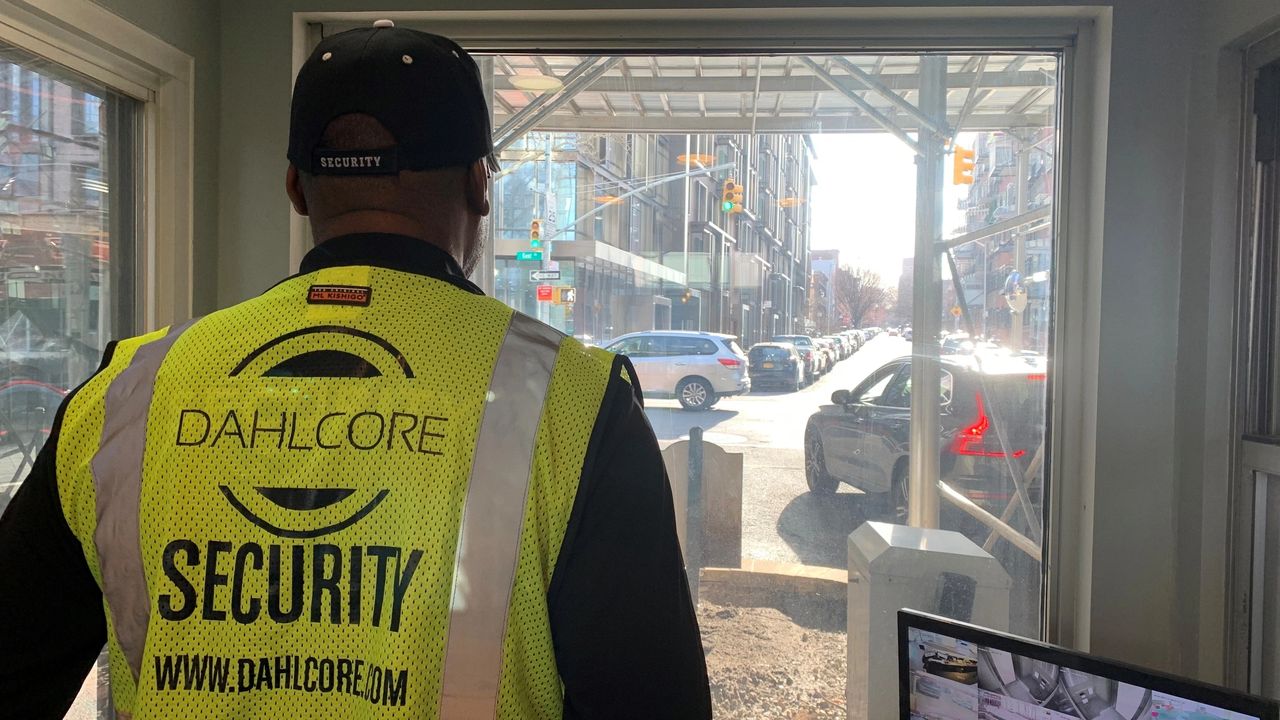
In recent years, school safety has become a significant concern, with debates intensifying over the introduction of armed guards in educational institutions. High-profile incidents of school shootings have heightened fears and underscored the urgent need to ensure the safety of students and staff. However, the presence of armed guards raises critical questions about its effectiveness, potential risks, and the overall atmosphere it creates within a learning environment. This article will examine both the potential benefits and drawbacks of employing armed security in schools, offering a balanced look at the complexities of this issue.
Should schools have armed security guards?
The debate over whether schools should have armed security guards is complex and multifaceted. Proponents argue that having armed personnel on campus enhances safety, acting as a deterrent against potential threats. They contend that in the event of a violent incident, armed guards can respond more quickly than external law enforcement, potentially saving lives. Additionally, the presence of armed security can reassure parents and students, bolstering the sense of security at school.
However, opponents raise concerns about the potential risks and negative impacts of introducing firearms into a school environment. They point out that the presence of guns could escalate conflicts or lead to accidental discharges, endangering students. There is also the psychological impact on students, who may feel less safe and more anxious with armed guards. Critics advocate for alternative safety measures, such as enhanced mental health support and non-violent conflict resolution strategies.
Why Should Schools Have Better Security
Schools should have better security to ensure the safety and well-being of students, staff, and visitors. With rising concerns about school violence, theft, and other threats, improved security measures can help prevent dangerous incidents and create a safer learning environment. Enhanced security, including access control, surveillance, and emergency preparedness, also promotes peace of mind for parents and strengthens trust within the school community.
The Role of Armed Guards in Schools
Armed guards in schools are typically either law enforcement officers or specialized security personnel tasked with ensuring the safety of students and staff. They are often employed by school districts or in partnership with local law enforcement agencies to serve as a visible deterrent to potential threats, such as violence or intruders. In addition to being armed, these guards undergo extensive training in crisis management, de-escalation techniques, and emergency response to handle high-pressure situations effectively. Their presence in schools has sparked debates around the balance between security and the creation of a potentially intimidating environment for students.
Historical Context
The concept of having security in schools has evolved in response to growing concerns about student safety. Initially, security measures were limited to things like surveillance cameras, metal detectors, and access points. However, the severity and frequency of school shootings, especially after tragedies like Columbine in 1999 and Sandy Hook in 2012, heightened the urgency for more robust protective strategies. These incidents fueled debates about whether the presence of armed guards could deter potential attackers and provide a faster response during emergencies, making it a severe yet controversial consideration in school security policies.
Pros of Armed Guards in Schools
Increased Safety and Deterrence
Armed guards play a crucial role in enhancing school security by serving as a visible deterrent to potential threats, which may reduce the likelihood of an attack. Their presence can make would-be attackers reconsider their actions, knowing they might face immediate resistance. Additionally, in the event of a crisis, armed guards can provide swift intervention, potentially minimizing harm and restoring safety more quickly than unarmed personnel or delayed external responses.
Rapid Response During Active Shooter Situations
In the event of an active shooter, response time is critical for minimizing casualties and ensuring the safety of individuals present. Having armed guards on-site allows for immediate confrontation of the threat, which can significantly reduce the duration of the incident compared to waiting for outside law enforcement to arrive. This proactive approach can ultimately be the difference between life and death, as swift action can disrupt the assailant’s plans and protect innocent lives.
Community Reassurance
For some parents, teachers, and students, knowing that armed security is present provides peace of mind, creating a sense of security within the school environment. This presence of security personnel reassures them that proactive measures are being implemented to address potential threats, thereby fostering a safer atmosphere for learning. In an increasingly unpredictable world, this vigilance can significantly reduce anxiety and allow students to focus more on their education and personal growth.

Expertise in Handling Firearms
Professional armed guards receive rigorous training in various essential skills, including firearms handling, conflict de-escalation, and effective responses to high-pressure scenarios. This extensive preparation equips them to manage potentially dangerous situations with a level of expertise that can significantly enhance safety. In a school environment where the stakes are exceptionally high, their presence can be crucial in preventing crises and ensuring a secure atmosphere for students and staff alike.
Cons of Armed Guards in Schools
Potential for Accidents or Misuse of Weapons
Even with the best training, there is always the risk of accidental discharge or improper use of firearms in a school environment, which could lead to tragic consequences. This risk is heightened by the presence of students, who may not fully understand the seriousness of firearms and could inadvertently cause dangerous situations. As a result, it is crucial to carefully weigh the implications of allowing firearms in schools, ensuring that the safety of students and staff remains the top priority.
Negative Psychological Impact on Students
The presence of armed guards can foster an atmosphere of fear rather than safety, especially among younger students who may feel intimidated by their presence. This security measure might inadvertently convey a message that the school is a high-risk environment, leading to heightened anxiety and stress among students. Additionally, the militarization of the school setting could undermine the nurturing and supportive atmosphere that is essential for positive mental well-being and effective learning.
High Costs and Resource Allocation
Employing armed guards can be expensive, diverting funds from other critical areas such as education, counseling services, and mental health programs. This redirection of resources can hinder the development of supportive environments that foster community resilience and personal growth. Ultimately, investing in these areas contributes more effectively to long-term safety and well-being than merely increasing security through armed personnel.
Risk of Racial Profiling or Escalation
There is growing concern that the presence of armed guards in schools may disproportionately target minority students, leading to a higher risk of racial profiling and reinforcing systemic inequalities. This targeting can create an environment of fear and mistrust among students, particularly those from marginalized backgrounds, which can negatively impact their educational experience. Furthermore, situations that might otherwise be resolved peacefully could escalate into violence when firearms are involved, increasing the potential for tragic outcomes in school settings.
Should Schools Have Armed Guards
The question of whether schools should have armed guards is a topic of ongoing debate. Proponents argue that armed guards can provide an immediate response to potential threats and act as a deterrent against violence. However, opponents express concerns about the possible risks of having firearms on school grounds and emphasize the need for alternative solutions, such as mental health support and conflict resolution programs.
Comparing Armed Guards with Other Safety Measures
Security in schools can be achieved through multiple methods, not just by introducing armed personnel. Effective strategies include the implementation of surveillance systems, which help monitor activities within the school, and the installation of metal detectors at entry points to prevent weapons from being brought onto campus. Furthermore, lockdown procedures are crucial for ensuring the safety of students and staff during potential threats, providing a structured response in emergencies. Additionally, the presence of school counselors and mental health professionals plays a significant role in addressing the root causes of violence, such as bullying, trauma, and emotional distress, fostering a supportive environment that promotes overall well-being and safety.
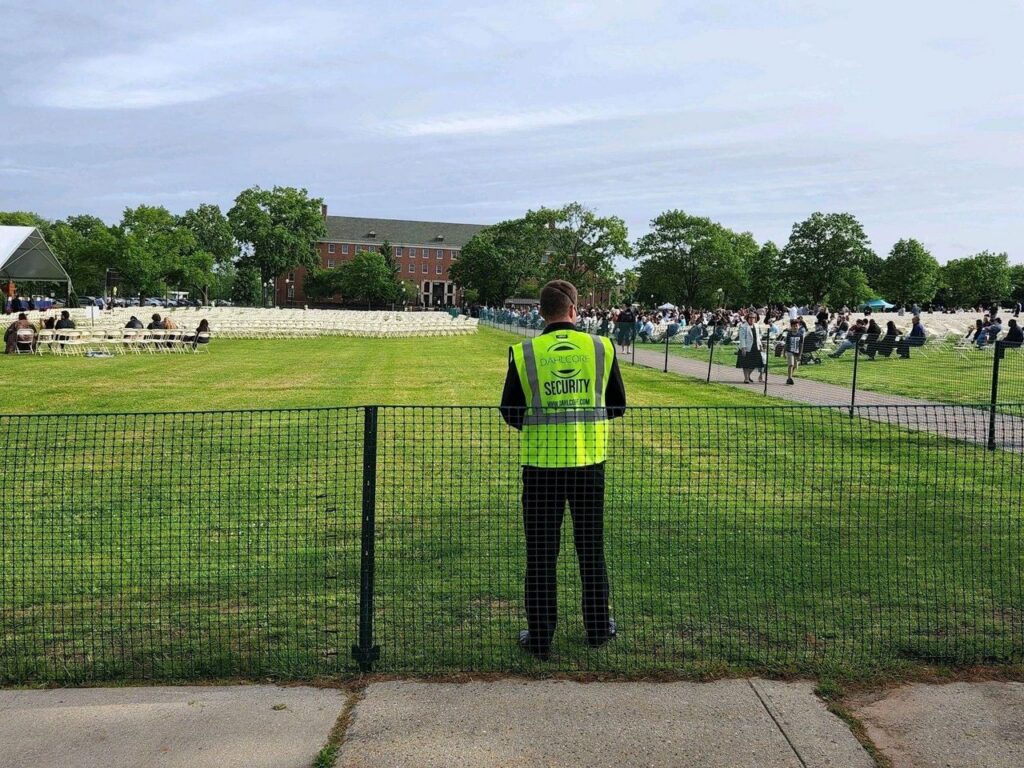
The Main Advantages of Armed Security in Schools
Armed security in schools has been a topic of debate, but it offers several advantages that contribute to the safety and protection of students, staff, and visitors. Schools that aim to strengthen their emergency preparedness and provide a secure environment often highlight these benefits.
- Immediate Response to Threats
One of the primary advantages of having armed security is the ability to respond quickly to potential threats. In the event of an active shooter or other violent incident, armed personnel can neutralize the threat before law enforcement arrives, potentially saving lives. This immediate response is crucial in critical situations where every second counts.
- Deterrence of Criminal Activity
The presence of armed security can deter individuals contemplating violence or criminal behavior. Knowing that there is a direct and immediate risk to themselves may discourage potential attackers from targeting the school. This psychological barrier can help reduce the likelihood of dangerous incidents.
- Enhanced Protection in High-Risk Areas
Armed security can provide an extra layer of defense in areas where schools are more vulnerable to violence or in high-crime neighborhoods. This is especially important in schools where local law enforcement response times might be delayed due to distance or other factors. Armed personnel can help ensure the safety of students in these high-risk areas.
- Reassurance for Parents and Community
Armed security may offer peace of mind for parents and the community, knowing that the school is equipped to handle potential threats effectively. This confidence can foster a stronger relationship between the school and its stakeholders, enhancing trust and support for the institution’s safety protocols.
While the topic remains controversial, armed security can offer a direct and potentially life-saving form of protection in school environments.
Legal Framework
Laws regarding armed guards in schools vary significantly across states, leading to a patchwork of regulations and policies. In some states, stringent regulations dictate specific guidelines on where and when armed guards can be deployed, including required training and oversight measures. Conversely, other states grant local school boards the authority to make these decisions, potentially resulting in inconsistent approaches within the same state. Understanding the legal context surrounding armed guards is critical for schools considering this measure, as it can impact their safety protocols, liability, and the overall effectiveness of their security measures.
Training Requirements
Armed guards in schools are typically required to complete extensive training programs that encompass a variety of crucial skills. These programs include comprehensive instruction in firearm handling, crisis intervention strategies, and effective de-escalation techniques to ensure the safety of students and staff. The certification processes for these guards are usually rigorous and designed to guarantee that only highly qualified individuals are entrusted with such a vital role. To maintain a high standard of readiness, regular re-certification is often mandatory, ensuring that these guards continuously sharpen their skills and stay updated on the latest safety protocols.

Public Opinion on Armed Guards
Public opinion on this issue is divided, reflecting deep-seated concerns about school safety and the role of armed guards. Many parents and educators advocate for the presence of armed guards, believing that they are a crucial deterrent against potential threats and can provide a sense of security for students and staff. However, critics argue that having armed guards on campus may exacerbate existing tensions and create an environment of fear rather than safety, potentially leading to more problems. Additionally, students themselves are experiencing mixed feelings; while some appreciate the protective presence of armed guards, others report feeling intimidated or anxious in an environment that includes armed personnel.
Is it worth becoming an armed security guard?
Pursuing a career as an armed security guard offers both benefits and challenges. On the positive side, it provides a sense of purpose by protecting public safety and property. The role often comes with competitive compensation, benefits, and the potential for career advancement. Armed guards are typically well-trained in various safety protocols and may receive ongoing training opportunities.
However, the job carries inherent risks, including the potential for confrontations that could lead to violence. It requires a high level of responsibility, as guards must make quick decisions under pressure. Those considering this career path should weigh the job stability and benefits against the physical and emotional demands of the role.
What is the role of a school security guard?
The role of a school security guard is primarily to ensure the safety and security of students, staff, and school property. Key responsibilities include:
- Monitoring school entrances and exits to control access and prevent unauthorized entry.
- Patrolling the school grounds to deter and detect signs of trouble or unsafe conditions.
- Responding to emergencies and coordinating with local law enforcement and emergency services.
- Enforcing school policies and regulations related to student behavior and safety.
- Assisting in the development and implementation of emergency procedures and safety drills.
In addition to these duties, school security guards often serve as a visible presence aimed at enhancing the overall sense of safety within the school community. They may also engage with students in a supportive manner, contributing to a positive school environment.
Insights on School Safety
For a comprehensive understanding of school safety strategies, it is essential to consider insights from reputable government organizations. The U.S. Department of Homeland Security provides valuable resources on school safety, including guidelines for preventing and responding to violence in educational settings (DHS School Safety Guidelines). The Centers for Disease Control and Prevention (CDC) also offers research-backed strategies for creating safe school environments through its Violence Prevention division (CDC School Safety Resources). These government-supported resources reinforce the importance of balanced security measures and evidence-based approaches to fostering safer learning environments.
Frequently Asked Questions (FAQs)
How effective are armed guards in schools?
Armed guards can be effective in preventing or mitigating violence, but their success depends on numerous factors, including training and the specific context of the school.
What are the alternatives to armed guards in schools?
Alternatives include enhancing mental health services, implementing surveillance systems, and using non-lethal deterrents such as security cameras or school resource officers without firearms.
Do armed guards make schools safer?
The presence of armed guards can increase security, but the overall impact on safety varies depending on the specific school and community.
What training do armed guards receive?
Armed guards typically undergo rigorous training in firearm handling, crisis management, and de-escalation techniques.
Are there any legal restrictions on armed guards in schools?
Yes, laws regarding armed guards in schools differ by state and local jurisdiction, with some areas imposing stricter regulations than others.
What is the public opinion on armed guards in schools?
Public opinion is mixed, with some people advocating for armed guards as a necessity and others raising concerns about the implications for school culture and student safety.
Do armed guards make schools safer?
The presence of armed guards in schools may deter potential threats and enhance response time during emergencies. However, their effectiveness in preventing violence is debated, as some studies suggest mixed outcomes. A comprehensive safety strategy often includes armed guards alongside mental health support, security measures, and preventive programs.
Do school security guards carry guns?
Whether school security guards carry guns depends on the policies of the school district and local laws. Some schools employ armed guards, while others rely on unarmed personnel or resource officers. The decision typically weighs factors like community preferences, budget, and perceived safety risks.
Conclusion
The debate over armed guards in schools is complex, with valid arguments on both sides that reflect deep concerns for safety and educational values. Proponents argue that armed guards can significantly enhance security, providing immediate responses to potential threats and fostering a safer environment for students and staff alike. However, opponents highlight severe concerns regarding the costs associated with hiring and training personnel, the potential impact on student well-being, and the risk of misuse of firearms within a school setting. As a result, schools must carefully weigh these benefits and drawbacks, striving to find a balanced approach that ensures safety while prioritizing the learning environment, potentially through a combination of various strategies that address both security and educational needs.
Check other blogs
What Does a Security Guard Do on a Daily Basis?
Collaborative Efforts in International Maritime Security
