


Every institution faces a myriad of threats to its security. However, hospitals face unique challenges due to their vital role in society. Understanding the top threats to hospital security and how to mitigate them is crucial for the well-being of patients, staff, and the broader community.
Hospitals are essential institutions that provide life-saving healthcare services to communities. Assuring the well-being and security of patients, staff, and visitors is paramount for any hospital administration. This article discusses the top threats to hospital security and how to mitigate them effectively.
But First, What is Hospital Security?
Hospital security refers to the measures, protocols, and systems put in place to ensure the safety of patients, staff, and visitors within healthcare facilities. The primary goal of hospital security is to create a safe and secure environment that promotes healing and prevents any form of disruption to medical services. This involves protecting the facility from unauthorized access, theft, violence, and other security breaches that could jeopardize patient privacy and the operational integrity of the healthcare environment. Hospital security teams utilize a combination of physical security measures, such as surveillance cameras and access control systems, alongside specialized training for handling medical and non-medical emergencies. These security measures are critical in managing a wide array of potential risks, ensuring compliance with healthcare regulations, and maintaining public trust.
Physical Threats
Unauthorized Entry
One common issue in hospitals is unauthorized entry. So how do you manage it? A robust surveillance system and stringent access control mechanisms can deter trespassers and unauthorized individuals.
Surveillance Systems and Access Control
With high-tech surveillance systems and biometric access controls, hospitals can monitor entrances and exits to prevent unauthorized access.
Discover peace of mind with the leading Security Agencies In NYC. Our expert team is committed to safeguarding your business, residence, and events with unparalleled dedication. Our tailored solutions ensure comprehensive protection if you require top-notch surveillance, access control, or risk assessment. Don’t compromise on your safety – choose the trusted choice for security agencies in NYC. Contact us now and experience a new level of security excellence. Your safety is our priority.
Theft of Equipment
Theft of hospital equipment is a recurring problem. Hospitals can implement various preventive measures to tackle this issue, such as GPS tracking on high-value equipment.
Violence
Hospitals can sometimes become volatile environments due to the high-stress nature of healthcare. Regular training of security personnel is crucial in managing violent situations and ensuring the safety of all present.
Security Personnel and Training
Security personnel should be adequately trained in conflict resolution and de-escalation techniques. It’s not about brute force; it’s about maintaining a calm, safe environment for everyone.

Physical Violence
Threat: Hospitals can become targets for violent incidents, including assaults, shootings, and other acts of aggression. These incidents can result from disputes between patients, visitors, or staff members.
Mitigation: Implementing a visible security presence, such as security personnel and video surveillance, can deter potential criminals and help maintain a safe environment. Staff should receive proper training in conflict resolution and de-escalation techniques to respond.
Cyber Threats
Data Breach
Data breaches are a significant and frequent cyber threat to hospitals, jeopardizing the confidentiality of sensitive patient information. Without stringent cybersecurity measures, such as advanced encryption and regular security audits, hospitals are vulnerable to unauthorized access and data theft. Effective protection against these threats is crucial to safeguard patient privacy and maintain trust in the healthcare system.
Cybersecurity Measures and Firewall
Hospitals can significantly enhance their data security by implementing robust firewalls that act as a barrier against unauthorized access and potential threats. In addition, employing advanced intrusion detection systems allows for real-time monitoring and swift response to any suspicious activities or breaches. Together, these measures provide a multi-layered defense, helping to ensure that sensitive patient information and critical operational data remain protected from cyber-attacks.
Ransomware Attacks
These malicious attacks can cripple a hospital’s operations by disrupting essential services and compromising patient care. A well-maintained and regularly updated backup system is crucial for recovering from such incidents, allowing the hospital to restore its data and resume normal functions. Without these backups, valuable information could be lost, leading to severe consequences for both patients and healthcare providers.
Phishing Attacks
Staff training is vital to prevent phishing attacks, as employees are often the first line of defense against cyber threats. Simple measures, such as recognizing suspicious emails and using robust email filters, can significantly reduce the risk of falling victim to these attacks. Regularly updating training and awareness programs helps ensure that staff stay informed about the latest phishing techniques and best practices for safeguarding sensitive information.
Cybersecurity Breaches
Threat: As hospitals increasingly rely on digital technologies to manage patient records and other sensitive information, cyberattacks pose an increased risk. Vulnerabilities may result in data theft, ransomware attacks, or other cybersecurity incidents threatening hospital networks.
Mitigation: Hospitals should implement robust cybersecurity measures, such as firewalls, encryption, regular software updates, and employee training on cybersecurity best practices. Additionally, regular cybersecurity audits can help identify and address potential vulnerabilities.

Internal Threats
Employee Theft
Despite stringent security measures, hospitals might still face threats from within due to insider risks such as disgruntled employees or inadequate surveillance. The key to mitigating these risks lies in implementing comprehensive monitoring systems that can detect suspicious activities and enforce strict policies to prevent unauthorized access or breaches. Regular training and audits are also essential to ensure that all staff members understand and adhere to the security protocols in place.
Insider Threats
By implementing stringent access control, hospitals can ensure that only authorized personnel have access to sensitive information, significantly reducing the risk of insider threats. Additionally, robust data privacy policies help safeguard patient data by establishing clear guidelines for handling and sharing information. Together, these measures create a comprehensive defense system that enhances overall security and maintains patient trust.
Theft and Vandalism
Threat: Hospitals house valuable medical equipment, prescription drugs, and confidential patient information. This makes them prime targets for theft and vandalism.
Mitigation: Access control systems can regulate entry into the hospital and restricted areas within the facility, ensuring that only authorized personnel can enter sensitive areas. Video surveillance can also monitor activity and identify potential security risks.
Natural Disasters
Emergency Preparedness
Hospitals should have a comprehensive emergency plan to counter natural disasters, encompassing detailed protocols and resources for various scenarios. Regular drills and simulations are essential to ensure that all staff members are well-prepared and can respond swiftly and efficiently during a crisis. Additionally, collaboration with local emergency services and continuous updates to the emergency plan based on new risks and lessons learned from past incidents are crucial for maintaining readiness.
Infrastructure Damage
Building codes and preventive measures are crucial in mitigating the effects of natural disasters on infrastructure. By ensuring structures are designed and constructed to withstand specific hazards, such as earthquakes, floods, or hurricanes, these regulations enhance resilience and safety. Additionally, implementing preventive measures like proper land use planning and early warning systems can further minimize damage and protect communities.
Natural Disasters
Threat: Natural disasters like earthquakes, hurricanes, and floods can wreak havoc on hospital infrastructure and disrupt essential services, leading to costly repair bills for hospital operations and potentially significant disruptions of essential services.
Mitigation: Hospitals should have comprehensive emergency response plans for various natural disaster scenarios. This includes conducting regular drills, maintaining backup power sources, and ensuring the structural integrity of hospital buildings.
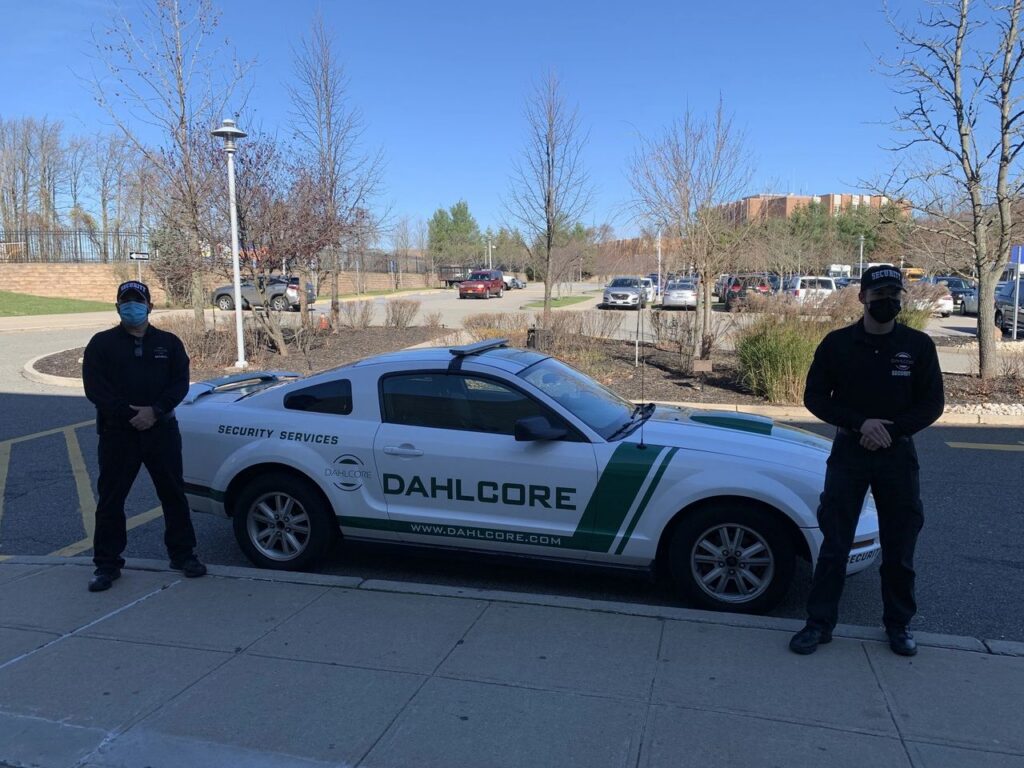
Mitigating Hospital Security Challenges
Mitigating hospital security challenges involves a strategic blend of physical, technical, and administrative measures. Here are some effective strategies:
- Enhanced Surveillance and Access Controls: Implementing state-of-the-art surveillance cameras and access control systems to monitor and control who enters and exits the facility.
- Regular Staff Training: Ensuring that all hospital staff are trained in security protocols and emergency response procedures.
- Data Security Measures: Adopting robust cybersecurity measures to protect patient data from breaches. This includes encryption, secure servers, and regular audits.
- Visitor Management Systems: Utilizing visitor management systems to track visitor activities and restrict access to sensitive areas.
- Environmental Design: Designing hospital layouts to reduce hidden spots and ensure that there are ample open and observable spaces.
- Emergency Preparedness Plans: Developing and regularly updating emergency response plans for a variety of potential scenarios, including natural disasters and medical emergencies.
- Collaboration with Local Authorities: Working closely with local law enforcement and emergency services to prepare for and respond to security incidents.
These measures, when collectively implemented, help hospitals manage risks more effectively and ensure a safe environment for everyone.
Future of Hospital Security
AI in Security
Advanced techniques like AI and IoT devices are reshaping the future of hospital security by enhancing real-time monitoring and threat detection capabilities. AI-powered systems can analyze vast amounts of data to predict and prevent potential security breaches, while IoT devices provide seamless connectivity and control over various security aspects, such as surveillance cameras and access controls. Together, these technologies are making hospitals safer and more efficient by reducing response times and ensuring a proactive approach to security management.
Blockchain in Healthcare
Blockchain technology might soon be a major player in healthcare, offering improved security and privacy for patients and institutions. By decentralizing data storage, blockchain ensures that medical records are tamper-proof and only accessible by authorized individuals, reducing the risk of data breaches. Additionally, blockchain can streamline administrative processes, enhance the accuracy of medical histories, and facilitate secure data sharing among healthcare providers, ultimately leading to better patient care and efficiency.
FAQs
Q1. What are the top threats to hospital security?
Top hospital security threats include physical violence, theft and vandalism, unauthorized access, cybersecurity breaches, natural disasters, and infectious disease outbreaks.
Q2. How can hospitals mitigate the threat of physical violence?
Hospitals can reduce physical violence by creating a visible security presence – including security personnel and video surveillance – and training their staff in conflict resolution and de-escalation techniques.
Q3.What measures can hospitals take to prevent theft and vandalism?
Hospitals can prevent theft and vandalism by using access control systems to regulate entry into the facility and restricted areas and deploying video surveillance to monitor activity and identify potential security risks.
Q4. How can hospitals protect against cybersecurity breaches?
Hospitals can protect against cybersecurity breaches by implementing robust cybersecurity measures, such as firewalls, encryption, regular software updates, and employee training on cybersecurity best practices. Regular cybersecurity audits can also help identify and address potential vulnerabilities.
Q5. What steps can hospitals take to prepare for natural disasters?
Hospitals can prepare for natural disasters by developing comprehensive emergency response plans, conducting regular drills, maintaining backup power sources, and ensuring the structural integrity of hospital buildings.
Conclusion
The security of hospitals is a complex issue that requires a multi-faceted approach. By acknowledging these threats and implementing the strategies outlined, hospitals can create a safe and secure environment for all.
Hospital security is an ever-evolving challenge requiring proactive measures to safeguard patients, staff, and visitors against various threats. By addressing top threats and creating effective mitigation strategies, hospitals can ensure a safer environment for all.
Check other blogs
Becoming a Bodyguard for a Celebrity: How to Land Your Dream Job
Employee Training: Key to Commercial Security
Loss Prevention High-Risk Environment Training for Security Guard
Security Officer vs Security Guard: What’s The Difference?
