

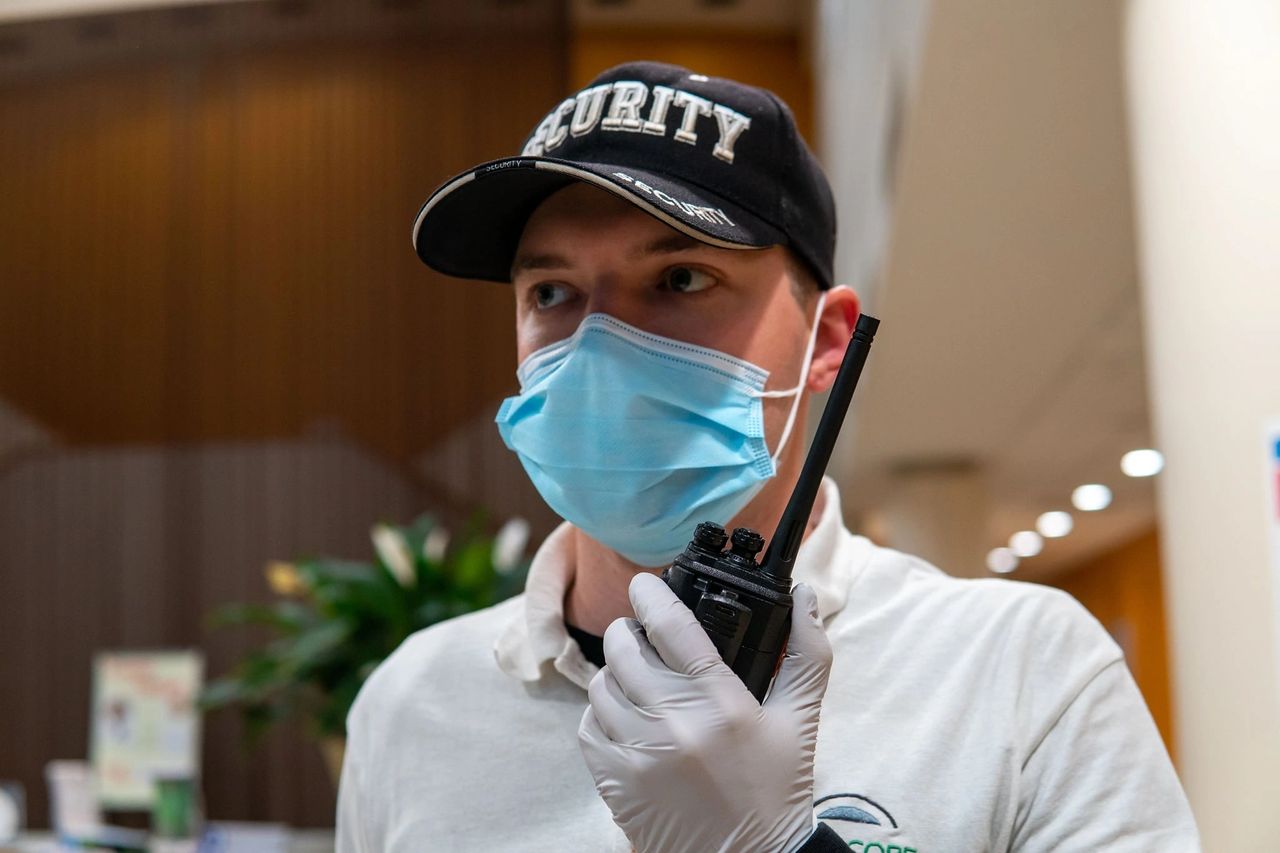
A hospital is one of the most complex environments to secure. Patients are vulnerable. Staff are under constant pressure. Visitors move freely through lobbies and corridors. And somewhere in your systems, thousands of private medical records sit behind login screens that not everyone respects.
For hospital administrators and safety directors in New York City, the stakes are especially high. NYC’s healthcare facilities serve some of the densest, most diverse populations in the world — which means security teams face a uniquely layered set of challenges. Add HIPAA obligations to the mix, and it’s clear that “lock the doors and hire a guard” isn’t a strategy. It’s a starting point.
This guide breaks down healthcare security best practices in plain terms — what they are, why they matter in an NYC context, and how to implement them in ways that protect your patients, your staff, and your organization.
Understanding HIPAA Compliance and What It Actually Requires
HIPAA — the Health Insurance Portability and Accountability Act — is not just about protecting digital records. It covers any protected health information (PHI), whether that’s a paper chart left on a nursing station, a conversation overheard in a hallway, or a laptop left unsecured in a break room.
The Security Rule under HIPAA specifically applies to electronic PHI (ePHI) and requires covered entities to implement three types of safeguards:
- Administrative safeguards — Policies, training, and risk management procedures
- Physical safeguards — Facility access controls, workstation security, and device protocols
- Technical safeguards — Encryption, access controls, audit logs, and data transmission security
For healthcare security managers in NYC, the physical safeguards are often the most overlooked. This is where your security team directly intersects with HIPAA requirements. Unauthorized access to restricted areas — server rooms, medication storage, patient wards — isn’t just a safety concern. It’s a compliance issue.
Practical HIPAA compliance steps for facility security:
- Restrict physical access to areas where ePHI is stored or accessed
- Implement visitor management protocols with sign-in logs
- Secure workstations in public-facing areas
- Conduct annual risk assessments (not optional — HIPAA mandates them)
Local Security Challenges Unique to NYC Healthcare Facilities
Operating a hospital in New York City is different from running one in a suburban or rural setting. The sheer density of the city amplifies almost every security variable.
High foot traffic and open access. Major NYC medical centers like those in Midtown Manhattan or the South Bronx can see thousands of visitors daily. Open lobbies, emergency departments, and public transportation connections mean controlling who enters — and where they go — is a persistent challenge.
Mental health and behavioral incidents. Emergency departments in NYC report a high volume of behavioral health crises. Security staff need to be trained not just in physical intervention, but in de-escalation techniques that reduce risk for everyone involved, including the patient.
Theft and drug diversion. Medication theft and drug diversion are real risks in any facility, but in an urban setting with significant foot traffic, the opportunities increase. This affects both the physical security of pharmacies and controlled substance storage, as well as internal staff accountability.
Cybersecurity exposure. NYC healthcare systems are high-value targets for ransomware and data breaches. Facilities connected to large hospital networks face the additional risk of one compromised endpoint affecting the entire system.
Protests and demonstrations. Large urban hospitals sometimes become sites of public demonstrations, particularly on issues involving reproductive healthcare, immigration, or labor disputes. Having a plan for managing access and maintaining calm without escalation is essential.
Each of these challenges requires a tailored approach — not a one-size-fits-all policy copied from a template.
Effective Security Guard Deployment in Healthcare Settings
Hiring security guards is one thing. Deploying them effectively is another.
In a healthcare environment, guards serve multiple roles simultaneously: access control, patient interaction, emergency response, and de-escalation. A guard who treats every patient encounter as a potential threat will damage patient trust and create friction with clinical staff. A guard who’s too passive becomes a liability.
Strategic placement matters. In a hospital setting, high-priority posts typically include:
- Emergency department entrances and waiting rooms
- Labor and delivery units
- Psychiatric units
- Pharmacy areas
- Main lobbies and visitor control points
- Parking structures and loading docks
Shift coverage and handoff protocols. Security coverage gaps — especially during shift changes — are when incidents tend to happen. Effective deployment includes structured briefings at shift transitions so the incoming officer knows the current status of any open issues or elevated-risk patients.
Integration with clinical staff. Security personnel shouldn’t operate in isolation from nursing and administrative staff. Establish clear protocols for when and how staff should involve security — and equally important, how security should respond to clinical staff requests without overstepping their role.
At Dahlcore Security Guard Services, we work with healthcare clients to map deployment plans that align with the specific layout, patient population, and risk profile of each facility. Learn more about our healthcare security services here.

Best Practices for Hospital Security Protocols
The following framework reflects what high-performing NYC healthcare facilities consistently do well.
Access Control
- Use badge-access systems for all restricted areas, with audit trails.
- Implement a visitor management system that issues time-limited, area-specific badges.
- Enforce a clear policy on tailgating (following someone through a secured door without badging)
- Regularly audit who has access to what — and revoke credentials promptly when staff leave
Emergency Response Planning
- Develop and regularly test written response plans for: active threats, violent patients, fire, power failure, and mass casualty events.
- Use standardized codes that all staff recognize (though many NYC facilities are shifting toward plain language — e.g., “Security needed in the ER” instead of “Code Gray”)
- Coordinate response plans with local NYPD precincts and NYC emergency management agencies.
Incident Reporting
- Create a no-blame reporting culture, so staff reports near-misses and low-level incidents, not just major events.
- Require written documentation for every security incident within 24 hours.
- Review incident reports quarterly to identify patterns and adjust protocols.
Controlled Substance Security
- Limit access to medication storage areas to credentialed clinical staff.
- Use electronic dispensing systems with individual logins.
- Conduct regular audits to identify discrepancies early.
Workplace Violence Prevention
- Implement a zero-tolerance policy for violence against staff — and enforce it consistently.
- Screen patients for risk factors on admission, particularly in emergency and psychiatric settings
- Post clear signage about acceptable behavior expectations.
Patient Data Protection Strategies
Physical and digital security overlap significantly in healthcare. Here’s where that intersection shows up most clearly.
Workstation lockout policies. Every computer in a patient-facing area should automatically lock after 60–90 seconds of inactivity. This sounds simple. It’s frequently ignored. Enforce it through IT policy, not just training.
Secure print workflows. Patient documents sent to shared printers create real exposure. Implement “pull printing” — where the user must authenticate at the printer before the document prints. This prevents sensitive records from sitting unattended in an output tray.
Mobile device management. Any smartphone, tablet, or laptop that accesses ePHI needs to be enrolled in a mobile device management (MDM) system so it can be remotely wiped if lost or stolen.
Vendor and contractor access. Third-party vendors working in your facility — IT contractors, equipment repair technicians, cleaning services — represent a significant access risk. Require all vendors to sign a Business Associate Agreement (BAA) if they have any potential contact with PHI, and escort them in restricted areas.
Breach response planning. HIPAA requires that you notify affected patients within 60 days of discovering a breach. Having a tested incident response plan — not just a written policy — means you can meet that deadline under pressure.

Training and Education for Healthcare Security Staff
Well-designed policies fail when the people responsible for executing them haven’t been trained properly — or have been trained once and then forgotten about.
For security personnel, training should cover:
- Healthcare-specific de-escalation techniques
- HIPAA basics (especially what they can and cannot share about patients)
- Emergency response procedures for the specific facility
- Recognizing signs of behavioral health crises
- Proper documentation and reporting
For clinical and administrative staff, training should cover:
- What to do when a security situation arises
- How to report incidents without fear of retaliation
- Basic understanding of access control expectations (don’t prop doors, don’t badge others in)
- Phishing and social engineering awareness
Training isn’t a one-time event. HIPAA requires workforce training at hire and when there are “material changes” in policy. But high-performing facilities run at least annual refreshers — and many do quarterly tabletop exercises for emergency scenarios.
Technology Integration in Healthcare Security
The right technology makes security personnel more effective — but it doesn’t replace them.
Video surveillance. Modern IP camera systems allow for centralized monitoring with high-resolution footage. In an NYC facility, coverage should include all entry and exit points, parking areas, medication storage, and high-risk clinical areas. Retention requirements vary, but HIPAA and state regulations may apply to footage that captures patient information.
Access control systems. Electronic badge access with logging capabilities allows you to see who went where and when — essential for incident investigations and HIPAA audits.
Visitor management software. Systems like Envoy or Raptor allow facilities to scan visitor IDs, check against sex offender registries, print time-stamped badges, and log all visitor movement. This creates an auditable trail that’s valuable both for security and compliance.
Panic buttons and duress alerts. Wearable or fixed panic buttons allow staff to summon security silently without escalating a situation. These are especially valuable in emergency departments and psychiatric units.
Communication integration. Security teams should have seamless two-way communication with nursing stations, administration, and the facility’s emergency operations center. Integrated platforms that combine radio, software alerts, and mobile devices are increasingly common in large NYC hospitals.
Real-World Examples: Security Improvements in NYC Healthcare
Community hospital, outer borough of NYC. A mid-size hospital in Queens was experiencing frequent incidents of unauthorized individuals entering patient wards by following staff through secured stairwell doors. After conducting a security assessment, they installed door alarms on all stairwell exits and retrained staff on tailgating policies. The visual deterrent alone reduced incidents significantly within the first quarter.
Large academic medical center, Manhattan. A hospital network faced repeated phishing attacks targeting staff credentials. After implementing mandatory annual cybersecurity training and a simulated phishing program, they saw a measurable improvement in staff ability to identify and report suspicious emails — reducing successful phishing attempts.
Urgent care clinic, Brooklyn. A smaller urgent care facility was struggling with after-hours theft from supply storage areas. After a security assessment, they moved to badge-access storage rooms with audit logs, repositioned their surveillance cameras, and contracted a nightly security guard to cover overnight hours. This combination addressed the vulnerability without creating operational friction during daytime clinic hours.
Ready to upgrade your facility’s security? Schedule a consultation with Dahlcore’s healthcare security specialists and get a deployment plan built specifically for your building, your patient population, and your compliance requirements.
Key Takeaways
- HIPAA compliance is a physical security issue, not just an IT problem. Physical access controls, visitor management, and workstation security all fall under HIPAA’s Security Rule.
- NYC healthcare facilities face distinct local challenges — high foot traffic, behavioral health incidents, and cybersecurity exposure — that require tailored strategies.
- Effective security guard deployment depends on strategic placement, shift protocols, and genuine integration with clinical staff.
- Technology supports — but doesn’t replace — trained security personnel. Cameras, access control systems, and visitor management software are force multipliers.
- Training must be ongoing. Annual refreshers and tabletop exercises keep protocols real, not theoretical.
- A security plan is only as good as its documentation and review process. Incident reporting, quarterly audits, and annual risk assessments keep your protocols current.

Frequently Asked Questions
What are the essential elements of a healthcare security plan?
A solid healthcare security plan includes a current risk assessment, written access control policies, visitor management procedures, emergency response protocols, staff training requirements, and a breach or incident response plan. It should be reviewed and updated at least annually.
How do security measures impact hospital operations?
Done poorly, security can create friction — long wait times, frustrated staff, and adversarial interactions with patients. Done well, security becomes nearly invisible to patients and staff while actively reducing incidents. The goal is protection without obstruction.
What role does technology play in hospital security?
Technology provides visibility and accountability that human guards alone can’t offer. Surveillance systems, electronic access control, and visitor management software create auditable records and deter unauthorized access. But technology without trained personnel to monitor and respond to it is just expensive hardware.
Why is training important for healthcare security staff?
Healthcare is not a typical security environment. Security personnel encounter patients in crisis, grieving families, and individuals with altered mental states — often daily. Training in de-escalation, HIPAA basics, and healthcare-specific emergency response directly reduces the risk of incidents escalating.
How often should a hospital update its security protocols?
At minimum, annually — and immediately following any significant security incident, a change in facility layout, new regulatory guidance, or a major staffing change. HIPAA also requires updates when there are material changes to operations.
What are HIPAA-compliant security measures for physical spaces?
HIPAA-compliant physical security includes badge access to areas where ePHI is stored or accessed, workstation lockout policies, secure document management, visitor sign-in logs, and escorting vendors in restricted areas.
How can a hospital protect patient data from internal threats?
Role-based access controls, audit logging, and regular access reviews reduce internal exposure. A culture of accountability — combined with a clear, non-punitive reporting process — also helps catch anomalies before they become breaches.
What should NYC hospitals consider when hiring a security company?
Look for companies with demonstrated experience in healthcare environments, not just general commercial security. Verify that guards receive healthcare-specific training (de-escalation, HIPAA awareness, emergency response). Ask about their deployment planning process, their communication protocols, and how they handle incident documentation.

Leave a Reply