

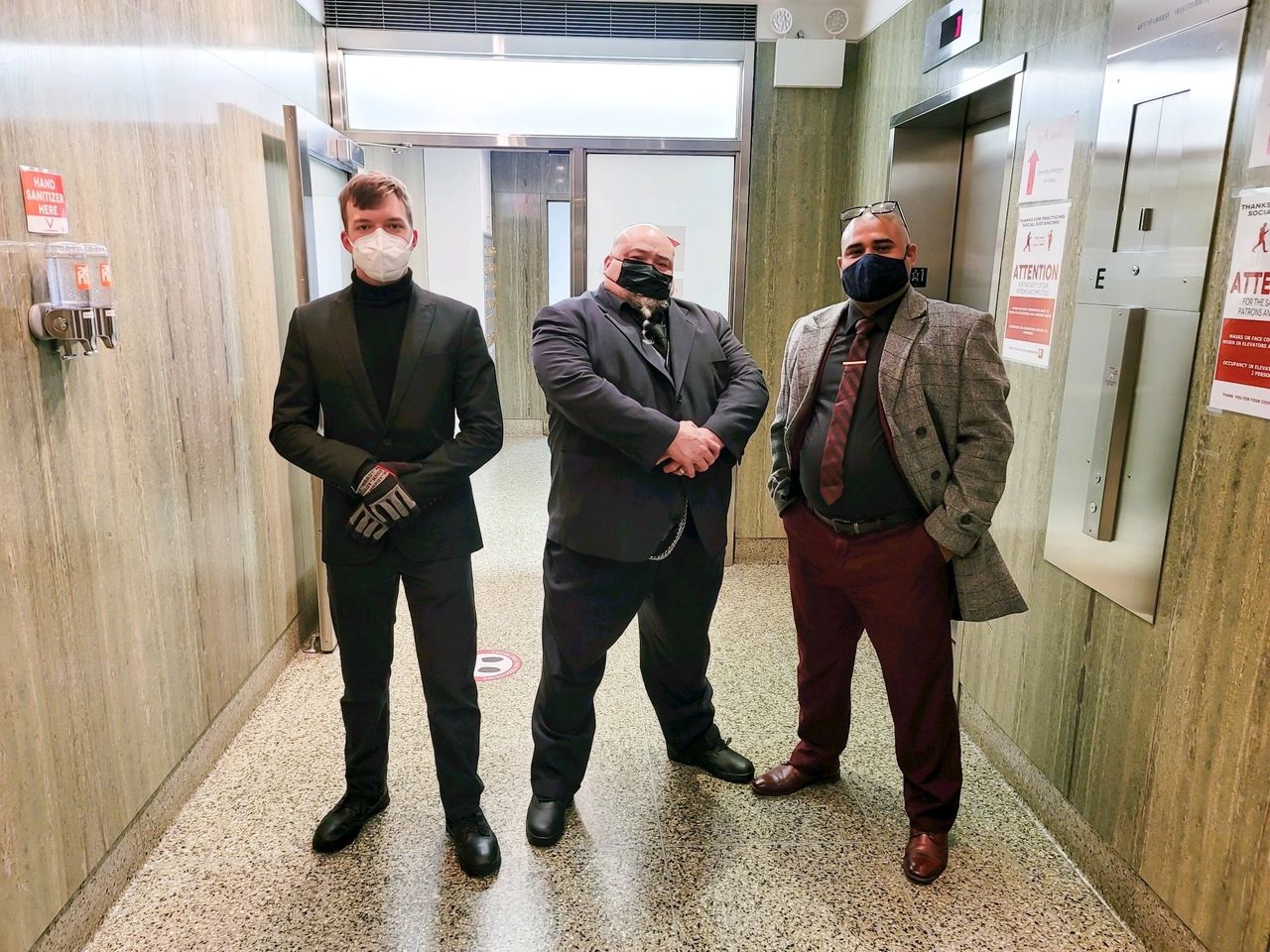
Hotel guests may only sometimes know the security measures to ensure their well-being. Yet, familiarity with them can put their minds at ease and allow them to contribute to their well-being actively. This article will present an overview of standard hotel security measures and helpful tips to enhance guests’ well-being during their stay.
Understanding Hotel Security Measures
Surveillance Systems
Hotels often utilize video surveillance systems to monitor and record activities in and around the property. Guests should be aware of the presence of these cameras and understand that their primary purpose is to deter potential threats and ensure guest safety.
Access Control Systems
Access control systems, including key cards and biometric scanners, allow hotels to restrict entry to specific areas, such as guest rooms and restricted back-of-house areas. Guests should always keep their key cards secure and immediately report any loss or theft to hotel staff.
Emergency Response Plans
Hotels should have emergency response plans to deal with fires, medical emergencies, and security threats. Being familiar with your hotel’s emergency exits and evacuation routes is also recommended as a safety measure.
Staff Training and Security Protocols
Hotel staff are often trained in various aspects of security and guest safety. They can be a valuable resource for guests in case of any concerns or emergencies. It’s essential to follow any instructions hotel staff gives during an emergency.
What are the three types of hotel security?
Hotel security is essential for protecting guests, staff, and property. There are three main types of hotel security: physical security, electronic security, and procedural security.
- Physical Security: This includes security personnel, barriers, and locks. Security guards patrol the premises, monitor entry points, and respond to incidents, ensuring unauthorized individuals do not access restricted areas. Physical barriers like gates, fences, and secure locks on doors and windows further enhance safety.
- Electronic Security: Hotels rely on surveillance cameras, alarm systems, and key card access to control and monitor security. CCTV cameras deter criminal activity, while alarm systems alert staff to unauthorized entry or emergencies. Key card access limits entry to specific areas, reducing the risk of theft or unauthorized access.
- Procedural Security: This involves hotel policies and staff training to manage risks effectively. Security protocols include guest verification, emergency response procedures, and employee background checks. Staff are trained to handle threats, from fire evacuations to suspicious activity, ensuring a safe environment for guests and employees.
By integrating these three security types, hotels can minimize risks and provide a safe, secure stay for all visitors.
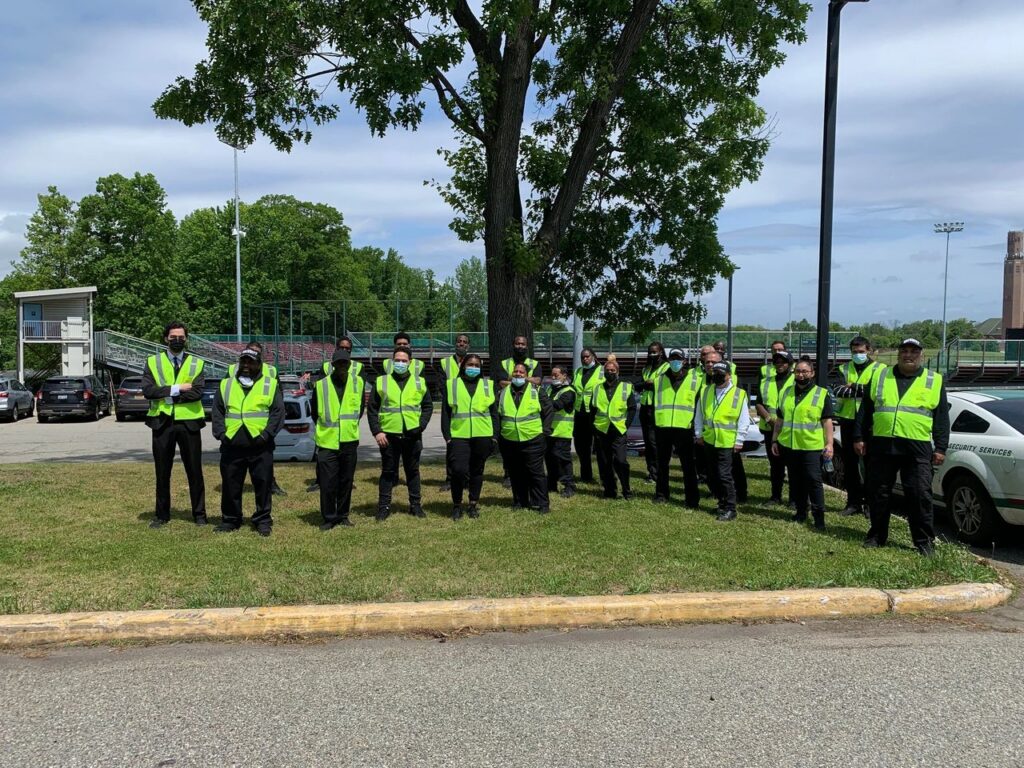
What Does a Security Guard at a Hotel Do?
Security guards at hotels play a crucial role in ensuring the safety and security of guests, staff, and the property. Here are the primary responsibilities of a hotel security guard:
1. Monitoring and Surveillance:
- Regularly patrol the property to detect any suspicious activities.
- Use surveillance cameras to keep a constant watch over hotel premises, including lobbies, corridors, and external areas.
2. Guest Assistance:
- Assist guests with directions within the hotel and provide information about local attractions and services.
- Help manage emergencies or special requests, ensuring guests feel secure during their stay.
3. Incident Response:
- Quickly respond to any security incidents or emergencies, such as fires, thefts, or guest disputes.
- Coordinate with local law enforcement and emergency services when necessary.
4. Access Control:
- Manage access to restricted areas to prevent unauthorized entry.
- Ensure all security equipment, like locks, alarms, and access cards, are functioning correctly.
5. Record Keeping:
- Maintain detailed logs of daily activities, incidents, and surveillance findings.
- Report safety and security hazards to management to address potential risks promptly.
6. Enforcing Hotel Policies:
- Ensure that guests and staff follow all hotel rules and regulations.
- Handle violations discreetly and professionally, maintaining a peaceful environment.
By fulfilling these roles, hotel security guards enhance the overall safety and experience of hotel guests, making them feel protected throughout their stay.

Tips for Guests to Ensure Their Safety and Security
Safeguard Personal Items
Use in-room safes or hotel safe deposit boxes to store valuables such as passports, jewelry, and electronic devices. Leave valuable items unattended in public areas or in your hotel room.
Be Aware of Your Surroundings
Be aware of your surroundings and trust your instincts. If any situation makes you uncomfortable or unsafe, remove yourself immediately from it and inform the hotel staff.
Utilize Hotel Security Features
Use hotel security features such as peepholes, deadbolts, and door chains inside your room. Keep your room door locked, and only open it to strangers to verify their identity.
Share Your Travel Plans with Someone
Make sure a trusted family or friend knows of your travel plans, including the name and address of the hotel where you will be staying, to prepare them in case an emergency occurs or someone needs to reach you quickly. This could come in handy in an emergency or should someone need to contact you soon for any reason.
Follow Hotel Security Guidelines
Adhere to hotel security guidelines, such as not sharing your room number with strangers, not propping open doors, and not allowing unauthorized individuals into your room.
What is the responsibility of hotel security?
Hotel security is responsible for maintaining a safe environment by preventing crime, managing emergencies, and ensuring guest safety. Their duties include surveillance, access control, crisis response, and enforcing hotel policies.
- Surveillance: Security personnel monitor hotel premises using CCTV cameras and regular patrols to detect suspicious activity and prevent theft or vandalism.
- Access Control: They regulate entry to ensure only authorized individuals can access rooms, restricted areas, and event spaces. This involves verifying guest identities and ensuring proper use of key cards.
- Crisis Response: Security teams handle emergencies such as fires, medical incidents, or criminal threats. They coordinate evacuations, provide first aid, and work with local law enforcement when needed.
- Policy Enforcement: They ensure guests and staff comply with hotel rules, such as noise restrictions, no-smoking policies, and restricted access areas. Enforcing these rules helps maintain order and prevent disturbances.
Hotel security plays a crucial role in protecting assets, preventing liability issues, and ensuring a smooth, secure experience for guests and employees.
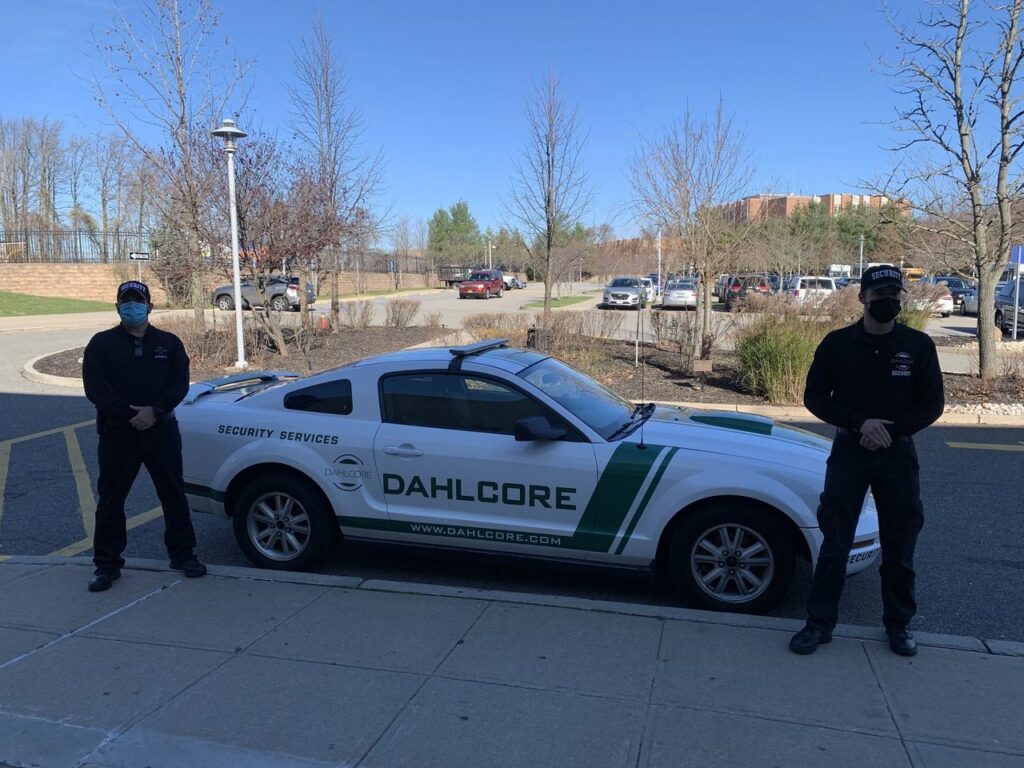
Why is hotel security important?
Hotel security is crucial for protecting guests, staff, and property from potential threats. A strong security system ensures a safe environment, builds guest trust, and safeguards a hotel’s reputation.
- Guest and Staff Safety: Hotels accommodate diverse guests, including families, business travelers, and VIPs. Security measures prevent crimes like theft, assault, and unauthorized access, ensuring a peaceful stay.
- Property Protection: Hotels house valuable assets, from guest belongings to high-end amenities. Security systems help deter vandalism, fraud, and damage, reducing financial losses.
- Crisis Management: In emergencies like fires, medical incidents, or security breaches, a well-trained security team ensures swift action. Their preparedness minimizes risks and facilitates smooth evacuations or law enforcement intervention.
- Legal and Liability Protection: A hotel with inadequate security may face legal consequences if guests or employees suffer harm due to negligence. Proper security protocols help mitigate legal risks and maintain compliance with safety regulations.
- Enhanced Guest Experience: Travelers prefer hotels with visible security measures, as they feel safer. Strong security policies contribute to positive reviews, repeat bookings, and customer loyalty.
By investing in robust security measures, hotels create a secure and welcoming environment, ensuring a positive experience for all guests.
Does My Hotel Need a Security Guard?
Determining whether your hotel needs a security guard involves assessing various factors related to safety, guest expectations, and operational needs. Here are key considerations:
1. Location and Surrounding Area:
- Hotels in high-crime areas or close to nightlife may require security guards to manage potential threats and disturbances.
2. Size and Layout of the Hotel:
- Larger hotels or those with complex layouts often benefit from security guards who can monitor and manage multiple areas effectively.
3. Clientele and Type of Guests:
- Establishments hosting high-profile guests or significant events may need enhanced security to address increased risk factors.
4. Past Security Challenges:
- Hotels with a history of security issues, such as break-ins or guest conflicts, should consider employing a security guard to mitigate future incidents.
5. Legal and Insurance Requirements:
- Certain jurisdictions or insurance policies might mandate the presence of security personnel depending on the hotel’s capacity and features.
6. Enhancing Guest Confidence:
- The presence of security guards can significantly boost guest confidence, especially for travelers concerned about their safety.
7. Operational Benefits:
- Security guards assist in managing the flow of people, enforcing hotel policies, and ensuring that the environment is conducive to a pleasant stay.
Considering these factors, a hotel should evaluate its specific needs, guest demographics, and operational priorities to decide on employing security guards. Such a decision can significantly impact guest satisfaction and the overall security posture of the establishment.
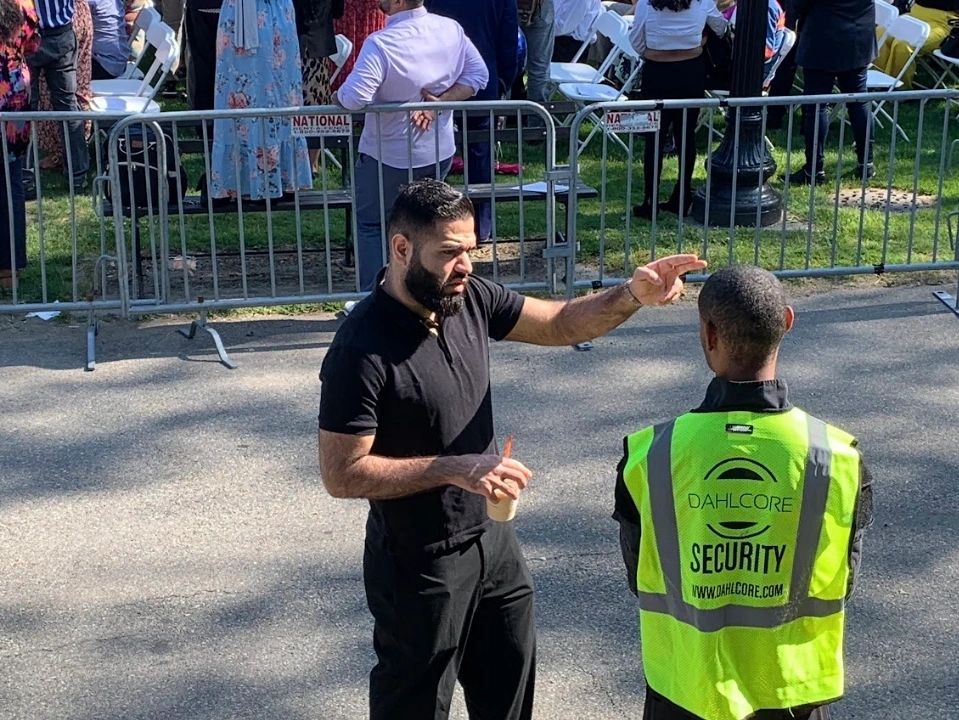
What is the difference between safety and security in hotels?
Although safety and security are often used interchangeably, they have distinct meanings in the hospitality industry. Safety refers to protecting guests and staff from accidents, health hazards, and natural disasters, while security focuses on preventing crimes, theft, and unauthorized access.
- Safety in Hotels: Ensures protection from hazards like fire, electrical issues, slips, and foodborne illnesses. Measures include fire alarms, sprinkler systems, non-slip flooring, and proper food handling. Staff training in emergency response and first aid is also crucial.
- Security in Hotels: Involves protecting guests from intentional harm such as theft, assault, or trespassing. Security measures include surveillance cameras, security personnel, controlled access systems, and guest identification procedures.
For a hotel to provide a secure environment, both safety and security must be addressed. Implementing fire safety protocols, emergency evacuation plans, and crime prevention strategies ensures a safe and enjoyable stay for all guests.
Official Guidelines on Lodging Safety
The U.S. Department of State offers detailed advice on selecting secure accommodations and personal safety practices during hotel stays. They recommend researching accommodations carefully, reading reviews for safety concerns, arranging accommodations in advance, and being aware of emergency exits and evacuation routes. Additionally, they advise contacting the front desk if you observe suspicious behavior and considering hotels with enhanced security measures such as gate access and security personnel.
Health Precautions for Travelers
The Centers for Disease Control and Prevention (CDC) provides a comprehensive guide to staying safe and healthy during travel. They emphasize the importance of checking your destination for country-specific health risks and safety concerns, knowing your health status before traveling, and postponing travel if you’re sick. The CDC also advises making an appointment with your healthcare provider to get destination-specific vaccines, medicines, and advice at least a month before you leave. Additionally, they recommend preparing a travel health kit with essential items such as prescriptions, over-the-counter medicines, a first aid kit, insect repellent, and sunscreen.
FAQs
Q1. How can I ensure my room is secure when I’m away?
Utilize the door lock and deadbolt when leaving your room, and consider using the “Do Not Disturb” sign to give the impression that someone is inside. Also, store valuables in the in-room safe or hotel safe deposit box.
Q2. What should I do if I lose my hotel key card?
Immediately report the lost key card to the hotel staff. They will halt the lost card and issue you a new one, ensuring unauthorized individuals cannot access your room.
Q3. Is it safe to use hotel Wi-Fi for sensitive transactions?
Hotel Wi-Fi networks may be vulnerable to hacking. Therefore, users are highly advised to utilize a virtual private network (VPN) or refrain from conducting sensitive transactions such as banking on public Wi-Fi networks.
Q4. How can I identify someone claiming to be a hotel staff before opening my door?
To be safe, call the front desk first for verification purposes if in doubt – hotel employees typically wear badges or uniforms that provide easy identification of individuals claiming to represent the establishment.
Q5. What should I do if I spot suspicious activity or feel unsafe in a hotel?
Report any suspected or perceived issues directly to the hotel staff when they arise – they are trained in handling security situations. They can take immediate steps to ensure your and other guests’ safety.
Conclusion
Hotel security measures aim to create an atmosphere in which guests can unwind during their stay. By familiarizing yourself with these measures and taking proactive steps to safeguard yourself, you can have a more relaxing and pleasurable hotel experience. Never hesitate to seek assistance if security concerns arise during your stay, as staff are there for that purpose.
Explore our other blog posts here
The Role of Security Guards in Crisis Management
Importance of Security Guards for Residential Communities
