


Introduction to Crisis Management
Crisis management refers to the processes and strategies an organization or individual deploys to handle unexpected, high-impact events. These situations, which may include natural disasters, workplace violence, terrorism, or cyber threats, demand immediate action. Security guards are essential players in this field, working on the front lines to protect people, assets, and infrastructure. Their role has evolved over the years to meet the growing complexity of modern crises, making them an integral part of any comprehensive crisis management plan.
Importance of Security Guards in Crisis Response
Security guards provide a crucial layer of protection during a crisis, ensuring a swift and organized response to emergencies. Their responsibilities extend beyond maintaining order; they are trained to execute safety protocols, such as evacuation procedures, and to assess and mitigate risks as they arise. Additionally, the presence of trained security personnel can significantly reduce panic among individuals, safeguarding lives and minimizing potential damage to property. For businesses, schools, and public spaces, having security guards equipped to respond quickly and effectively to crises is invaluable, as they not only protect the well-being of those present but also foster a sense of safety and security within the community.
Three-Stage Approach for Security Guards to Manage Crisis
A structured approach is essential for security guards when managing crises, ensuring safety, and minimizing harm. A three-stage approach offers a clear framework that helps security personnel navigate through different phases of a crisis with precision and control. Here’s a breakdown:
1. Prevention and Preparation
In this stage, security guards focus on preventing crises before they occur and preparing for potential threats. This includes:
- Risk Assessment: Regularly evaluating potential risks and vulnerabilities within the environment.
- Training: Ongoing education in crisis management, emergency response, and de-escalation techniques.
- Surveillance: Monitoring systems like CCTV, alarms, and patrols to detect and deter suspicious activities.
- Emergency Plans: Establishing clear procedures for various types of crises, including natural disasters, medical emergencies, and security threats.
- Collaboration: Working closely with local authorities and emergency services to ensure coordinated responses during crises.
2. Response and Intervention
When a crisis occurs, quick, decisive action is crucial. Security guards must implement their training and respond appropriately:
- Immediate Action: Taking swift steps to secure the area and protect individuals from harm.
- Communication: Informing supervisors, colleagues, and emergency responders about the crisis while ensuring clear communication lines.
- Evacuation or Containment: Depending on the nature of the crisis, security guards may need to either evacuate individuals or contain the situation to prevent further escalation.
- De-escalation: Using negotiation or calming tactics to diffuse volatile situations, especially in cases involving aggressive or emotionally distressed individuals.

3. Recovery and Evaluation
After the crisis has been managed, the recovery phase begins:
- Medical Assistance: Providing or coordinating first aid and medical care for affected individuals.
- Debriefing: Holding a post-incident review to assess what happened and how it was handled.
- Report Writing: Documenting the incident in detail, noting actions taken and outcomes.
- Improvements: Identifying lessons learned and areas for improvement in future crisis management strategies.
This three-stage approach helps security guards effectively manage crises, minimize damage, and ensure the safety of all involved.
Types of Crises Requiring Security Guard Intervention
Security guards are often required to step in during various types of crises. Their role is multifaceted, adapting to the unique demands of each situation. The following are common crises where security guards play a vital role:
Natural Disasters
During natural disasters like hurricanes, floods, and earthquakes, security guards play a crucial role in managing evacuations and ensuring public safety. They collaborate closely with emergency services, helping to direct people to safe areas while offering critical information on evacuation routes and safety protocols. By maintaining order and providing reassurance during chaotic situations, security guards help to mitigate panic and facilitate a smoother evacuation process for those affected by the disaster.
Workplace Violence
Security guards are specially trained to de-escalate conflicts and manage incidents of workplace violence, equipping them with the skills to assess situations calmly and effectively. Their mere presence acts as a deterrent, often preventing minor disagreements from escalating into potentially dangerous confrontations. In severe conditions, such as active shooter incidents, their ability to think quickly and intervene can prove crucial, potentially saving lives and ensuring the safety of employees and visitors.
Terrorism and Public Threats
In cases of terrorism or other public threats, security guards serve as the first line of defense, providing immediate protection and support. Their responsibilities extend beyond merely monitoring the environment; they must actively identify and assess potential threats, intervene in crises, and maintain safety protocols to ensure the well-being of the public. By securing the area and managing initial responses, security guards play a crucial role in mitigating risks and facilitating a coordinated response until law enforcement and emergency services arrive.
Cybersecurity Breaches
Though cybersecurity threats are primarily digital, the physical aspect cannot be ignored as it remains a critical component of overall security. Security guards play an essential role in protecting data centers by ensuring that only authorized personnel gain access, thereby mitigating the risk of breaches that can compromise sensitive information. Additionally, they are vital for monitoring suspicious activity, conducting regular patrols, and responding promptly to any incidents that may involve physical access to sensitive areas, ensuring a comprehensive security strategy.
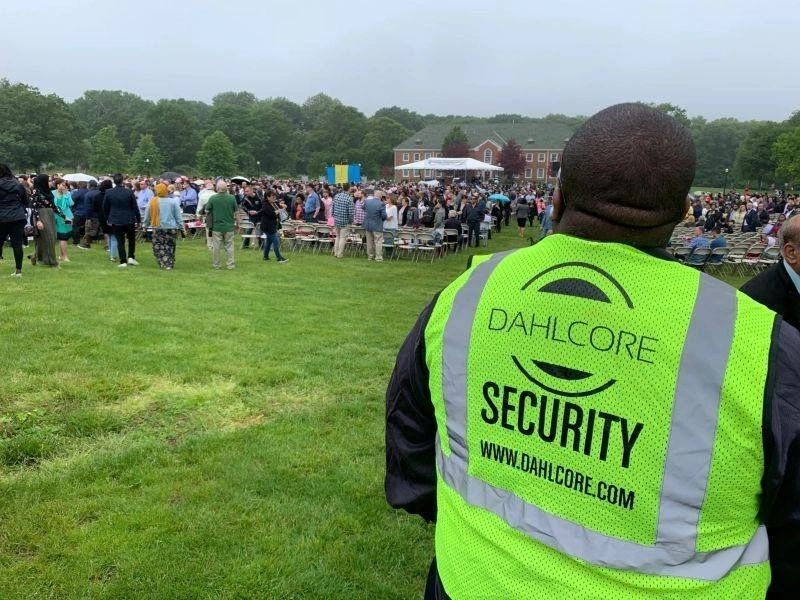
Essential Skills for Security Guards in Crisis Management
Security personnel must have a diverse set of crisis management skills. Their ability to handle high-pressure situations makes them invaluable assets during emergencies.
Communication Skills
Clear, concise communication is vital during crises, as it minimizes confusion and ensures that everyone is on the same page. Security guards play a crucial role in relaying critical information to both the public and emergency services, acting as a bridge between the two. By staying calm and articulate amid chaos, they enhance the effectiveness of response efforts, ultimately safeguarding lives and property.
Tactical Skills
Physical and tactical training equips security guards with the necessary skills to assess and respond to potential threats in a timely manner, ensuring the safety of individuals and property. This training encompasses critical areas such as evacuation procedures, which prepare guards to swiftly guide people to safety in emergencies, and crowd control techniques to manage large groups effectively. Additionally, guards learn how to handle hostile individuals, employing de-escalation strategies and physical intervention methods to diffuse potentially dangerous situations while minimizing risk.
Emotional Intelligence
Crises can trigger panic and fear among the public, leading to chaotic responses that may exacerbate the problem. In these high-stress moments, security guards must possess emotional intelligence, enabling them to recognize and understand the emotions of those around them. By effectively managing these reactions, offering reassurance, and maintaining a calm environment, security personnel play a crucial role in diffusing tension and ensuring the safety and well-being of everyone involved.
Collaboration with Emergency Services
Security guards do not work in isolation during a crisis; they play a crucial role in a larger emergency response team. By collaborating with police, firefighters, and medical teams, they ensure that the response is both efficient and coordinated, enabling a swift resolution to the situation. Their responsibilities include sharing critical information, managing crowds, and maintaining order, which significantly enhances the overall effectiveness of rescue operations.
Legal and Ethical Considerations in Crisis Management
Security guards are tasked with the critical responsibility of managing crises while ensuring compliance with legal and ethical standards. This requires a deep understanding of individuals’ rights, as their interventions should prioritize safety without overstepping legal boundaries. By recognizing and respecting these guidelines, security personnel can effectively maintain order and public safety while fostering trust within the community.
The Future of Security Guards in Crisis Management
The role of security guards is continually evolving, especially as new technologies emerge, shifting the focus from traditional patrolling to more proactive measures. The integration of AI, drones, and advanced surveillance technologies is transforming how security personnel monitor environments and manage crises, allowing for real-time data analysis and enhanced situational awareness. These innovative tools not only improve their ability to detect threats early but also facilitate quicker responses, ushering in a new era of efficiency and effectiveness in crisis management.

FAQs
What role do security guards play in crisis management?
Security guards maintain safety, manage evacuations, and provide first response during crises, ensuring order until emergency services arrive.
How do security guards help during natural disasters?
They assist in evacuations, direct individuals to safe areas, and provide critical information, working alongside emergency responders.
Can security guards handle workplace violence?
Yes, trained security guards are skilled in de-escalation and conflict resolution, often preventing minor disputes from escalating into violence.
What are the legal responsibilities of security guards during a crisis?
Security guards must act within the law, ensuring they do not infringe on individual rights while maintaining public safety.
How do security guards collaborate with emergency services?
They coordinate with police, firefighters, and medical personnel to provide seamless crisis management and crowd control.
What does the future of security guards in crisis management look like?
Technologies like AI and drones are enhancing their ability to detect and respond to threats, making crisis management more efficient.
Conclusion
In conclusion, security guards play a pivotal role in ensuring public safety and managing crises effectively. Their ability to respond quickly, de-escalate dangerous situations, and collaborate with emergency services makes them indispensable during emergencies. As the nature of crises evolves, so too will the responsibilities and skills required of security guards. With advancements in technology, their role in crisis management will continue to grow, enhancing their ability to protect lives and maintain order in critical situations.
Check other blogs
Understanding Disgruntled Employees: Security Guard Insights
Shopping Center Security Guard Alternatives
Enhancing Mobile Workforce Security in Commercial Environments
