

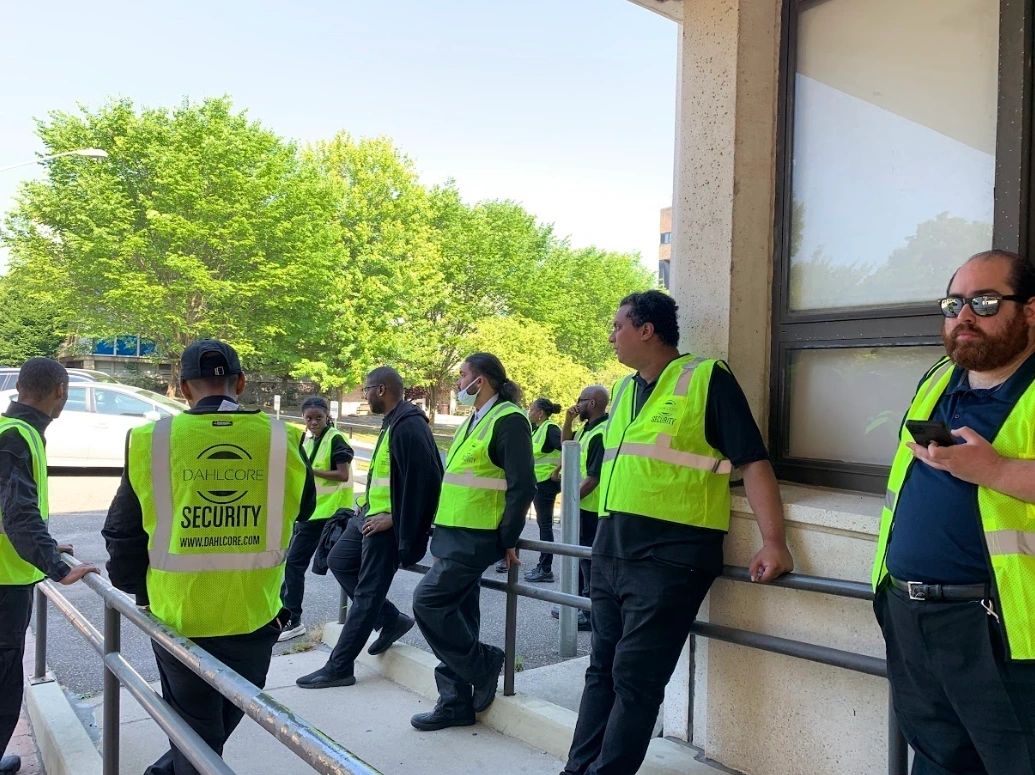
Shopping malls, often bustling with crowds, present a unique security challenge. The evolving nature of security threats has pushed malls to adopt advanced technologies, not just to protect assets but to ensure a safe and comfortable environment for shoppers. From surveillance cameras powered by artificial intelligence to drones patrolling the mall’s perimeters, technology has revolutionized how we approach security in these large retail spaces.
Introduction to Modern Mall Security
Mall security used to rely heavily on human patrols, basic alarm systems, and standard surveillance cameras. While these methods helped prevent theft and manage minor incidents, they often fell short in addressing more sophisticated threats, such as organized crime, terrorism, or cyberattacks. Today, malls need to be fortified with more innovative, tech-driven solutions that can handle a wide array of security challenges in real-time.
Technology now plays a key role in bridging these security gaps, offering solutions that are more efficient, reliable, and capable of preventing potential threats before they occur.
The Rise of Technology in Mall Security
In recent years, malls have increasingly relied on advanced technology to ensure the safety of shoppers and businesses. Modern security systems go far beyond simple cameras, integrating artificial intelligence (AI), machine learning, and real-time data analytics. These advancements have allowed malls to respond to potential threats more quickly and efficiently.
- AI-Powered Surveillance: Security cameras now come equipped with AI capabilities that allow them to detect unusual behavior, recognize faces, and assess threats in real-time.
- Drones and Robots: Many malls have started deploying drones and robotic security units to patrol areas that are hard to monitor with human guards.
- Access Control Systems: Biometric scanners and smart access systems limit unauthorized entry to restricted areas, ensuring greater control over who enters specific zones.
- Emergency Response Systems: New technology enables instant alerts and lockdowns, providing quicker responses to emergencies.
- Data Analytics: With the rise of data analytics, mall security teams can predict peak times for theft or incidents and adjust workforce and resources accordingly.
The implementation of these technologies provides malls with a more comprehensive security plan, minimizing human error and ensuring more precise responses.
The Role of Surveillance Systems
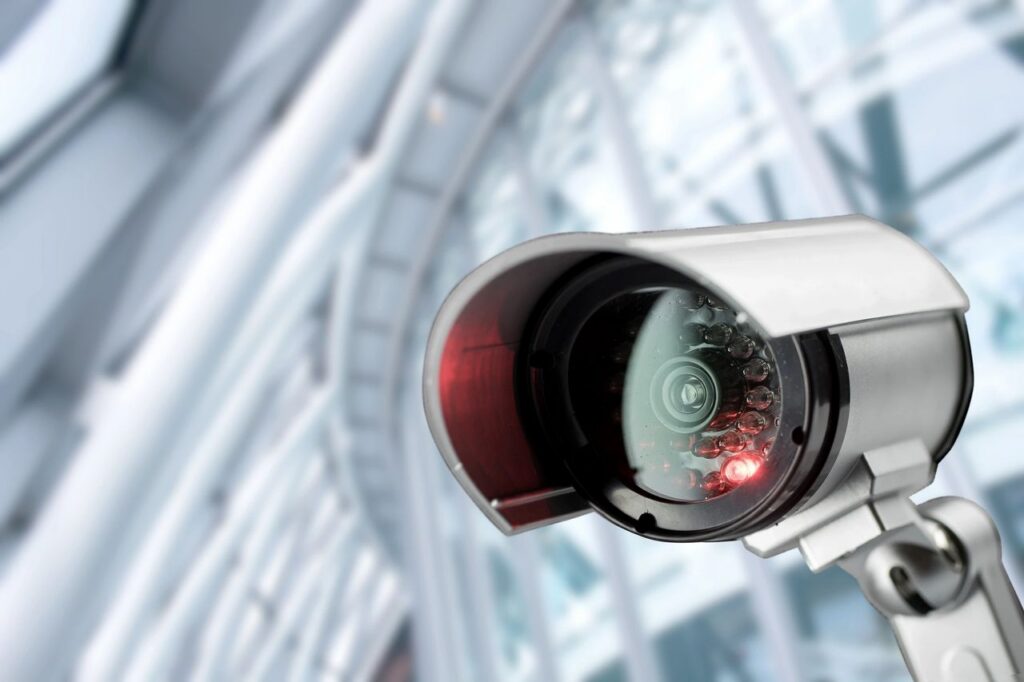
Surveillance cameras have long been a cornerstone of mall security. However, advancements in technology have dramatically transformed what these systems can do. The shift from grainy, analog cameras to high-definition, AI-powered surveillance has enhanced the ability to monitor every corner of a mall with exceptional clarity. These systems don’t just record footage; they analyze it in real time, flagging suspicious activity and alerting security personnel instantly.
Advantages of Modern Surveillance Systems:
- High-definition (HD) and 4K video allow for more detailed footage, making it easier to identify individuals.
- AI-enabled cameras can automatically detect anomalies, such as unattended bags or unusual movement patterns.
- The integration of facial recognition technology helps spot known offenders or persons of interest.
AI and Machine Learning in Mall Security
Artificial intelligence (AI) and machine learning are transforming mall security by making it smarter and more proactive. Through AI, security systems can recognize patterns in behavior, helping identify potential threats before they escalate. For instance, machine learning algorithms can study foot traffic patterns to detect suspicious deviations or predict areas that may require increased monitoring.
In addition, AI-enabled systems can reduce the burden on human security teams by automating routine tasks, such as monitoring live video feeds or managing access control points.
Smart Sensors and Alarms
Gone are the days of simple motion detectors and door alarms. Modern malls are equipped with smart sensors that can detect everything from motion to environmental changes, such as smoke, temperature fluctuations, or even sound anomalies.
These sensors are linked to real-time monitoring systems that immediately alert security teams to potential hazards, allowing them to respond swiftly. For example, if a fire is detected in an isolated area of the mall, smart alarms not only notify the fire department but also initiate evacuation procedures tailored to the mall’s layout.
Access Control and Biometric Security
Biometric systems are increasingly replacing traditional keys and locks in malls. Access control has become more sophisticated with the introduction of facial recognition, fingerprint scanning, and even retina scans. These technologies not only enhance security but also streamline operations, ensuring only authorized personnel can access sensitive areas, such as security rooms, loading docks, or management offices.
Biometric data provides an added layer of protection, as it is nearly impossible to replicate or bypass. This technology is instrumental in high-traffic areas, where quick and secure access is essential.
Drones and Robotics for Mall Surveillance
Drones have taken mall surveillance to new heights—literally. These aerial devices can cover vast areas quickly, providing live feeds to security control rooms. This allows for continuous surveillance of mall perimeters, parking lots, and even rooftops, where human patrols would be less effective.
In addition to drones, robotic security patrols are becoming more common. These robots can autonomously navigate through mall corridors, equipped with cameras and sensors to monitor for security breaches, unattended objects, or potential hazards.
Mobile Applications for Security
Mobile applications have revolutionized how mall security teams communicate and respond to incidents. Dedicated apps allow security personnel to monitor surveillance feeds, receive alerts, and speak with one another seamlessly, all from their smartphones or tablets. These applications can also integrate with various security systems, such as alarm systems, surveillance cameras, and access control, enabling remote management and quicker response times.
Mall-specific safety apps have emerged as valuable tools for visitors. These apps provide shoppers with important safety information, such as emergency exits, live updates on security incidents, or instructions in case of an evacuation. Some apps even allow shoppers to report suspicious activity directly to mall security with just a few taps, creating a more proactive and engaged security environment.

Integration of IoT (Internet of Things) in Security
The Internet of Things (IoT) has become a significant player in mall security, connecting various devices and systems to create a unified, smart security network. From cameras and alarms to biometric scanners and drones, all these devices can communicate with each other in real time, providing an integrated view of the mall’s security landscape.
Examples of IoT in Mall Security:
- Smart cameras: Connected to cloud-based analytics, they detect and respond to security threats more quickly.
- Intelligent lighting systems: Can automatically adjust based on activity, making it easier to identify intruders during off-hours.
- IoT-based alarm systems: Trigger automated responses, such as locking doors or alerting emergency services.
This interconnectedness enables faster decision-making and enhances the overall efficiency of mall security operations.
Cybersecurity for Mall Security Systems
As malls adopt more technology, they also become vulnerable to cyberattacks. Cybersecurity is now a critical component of mall security, as criminals can target connected devices, steal sensitive data, or even disable security systems.
Protecting against cyber threats involves:
- Firewalls and encryption: Safeguarding data transmitted between security devices.
- Regular system updates: Ensuring that software vulnerabilities are patched in a timely manner.
- Access controls: Restricting who can modify or access sensitive systems and data.
Given the rise of smart malls and IoT, ensuring robust cybersecurity measures helps prevent breaches that could threaten mall operations and customer safety.
Data Privacy and Ethical Considerations
The use of advanced security technology raises important questions about privacy and ethics. With tools like facial recognition and AI-powered surveillance, there is a fine line between enhancing security and infringing on the privacy of mall-goers.
Balancing these concerns requires:
- Transparent policies: Informing visitors about what data is collected and how it is used.
- Adherence to regulations: Following laws like the General Data Protection Regulation (GDPR) or similar local laws to ensure customer privacy.
- Ethical AI use: Ensuring that AI systems are free from bias and respect the privacy of individuals while maintaining public safety.
Malls must be cautious to maintain trust and provide a safe yet respectful environment for everyone.
The Role of Big Data in Enhancing Security
Big data is playing a significant role in improving mall security by providing valuable insights into visitor behavior, security breaches, and potential threats. By collecting and analyzing large datasets, mall operators can:
- Predict potential security risks: Based on visitor flow and patterns of activity.
- Improve resource allocation: Ensuring security personnel are positioned in high-traffic or high-risk areas.
- Enhance response times: Using data analytics to identify recurring issues and optimize emergency responses.
This real-time processing allows malls to act preemptively, addressing issues before they become major incidents.
Cloud-Based Security Management Systems
Cloud-based systems have simplified the management and storage of mall security data. Instead of relying on on-site storage solutions that are prone to damage or hacking, malls can store vast amounts of security footage and data in secure cloud environments.
Benefits of Cloud-Based Systems:
- Scalability: Cloud storage can grow as the mall’s data needs increase without the need for physical infrastructure.
- Remote access: Security teams can monitor footage and manage security systems from any location, enhancing flexibility and response time.
- Automatic backups: Data is continuously backed up to the cloud, minimizing the risk of losing critical information.
With cloud-based solutions, malls also reduce the cost and complexity associated with managing physical servers while benefiting from enhanced security measures provided by cloud providers.
Collaborations with Law Enforcement
Advanced technology has made it easier for malls to collaborate with local law enforcement during emergencies. Many malls now use systems that can instantly share security footage, real-time data, and incident reports with police, enabling a more coordinated and efficient response.
Key technologies aiding this collaboration include:
- Real-time communication platforms: Allowing mall security and law enforcement to stay in constant contact during incidents.
- Data-sharing systems: Providing police with access to video feeds, biometric data, and other security information that can help solve crimes or prevent incidents.
- Predictive analytics: Helping both mall security and law enforcement anticipate potential threats and plan preventive measures.
This close cooperation ensures that both teams can work together seamlessly, keeping malls safer for everyone.
Cost and Efficiency Benefits of Advanced Security
Investing in advanced security technology not only improves mall safety but also offers significant long-term cost and efficiency benefits. For instance, AI-powered surveillance can reduce the need for large security teams by automating routine tasks like monitoring video feeds. Similarly, cloud-based systems lower the expenses associated with physical storage and hardware maintenance.
Additionally, predictive analytics can help malls optimize their security budget by identifying high-risk areas and focusing resources where they are needed most. This leads to more efficient operations, better protection, and reduced overall costs.
The Role of Security Guards in Mall Security
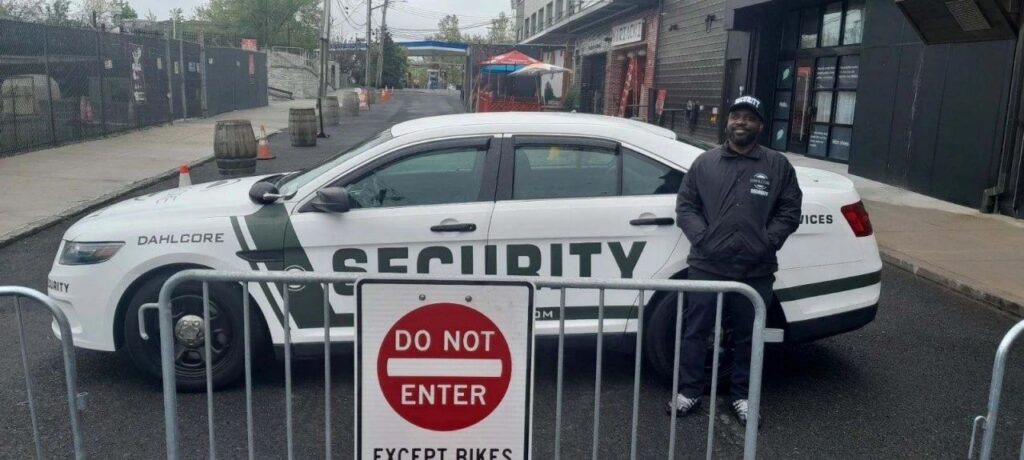
Despite technological advancements, security guards remain an essential part of mall security operations. They provide on-the-ground surveillance, maintain order, and are often the first line of defense against incidents such as theft or emergencies. Their presence offers a sense of security to both visitors and mall staff.
- Visible Deterrence: The physical presence of security guards can dissuade potential criminals from acting.
- Immediate Response: Guards can quickly intervene in situations where technology alone may not be sufficient, such as breaking up fights or providing medical assistance.
- Customer Assistance: Security guards often help with crowd control, provide directions, manage lost items, and enhance the overall shopping experience.
- Crisis Management: In emergencies, such as fires or medical incidents, security guards are trained to respond quickly and help evacuate people safely.
- Collaboration with Law Enforcement: Security guards act as the bridge between malls and local police, ensuring efficient communication when an enormous response is necessary.
Their interpersonal skills and ability to remain calm under pressure make them indispensable, even in a tech-heavy environment.

The Synergy Between Security Guards and Technology
The integration of technology with human personnel has enhanced mall security, making it more robust and adaptable. Security guards working alongside advanced systems like AI cameras, drones, and real-time data analytics create a more dynamic and efficient security approach. The synergy between the two ensures a higher standard of safety for everyone in the mall.
- Real-Time Alerts: AI and data analytics systems can immediately notify guards of suspicious activity, allowing them to respond faster and more effectively.
- Expanded Monitoring: With drones and advanced surveillance systems covering large areas, security guards can focus on high-risk zones without sacrificing overall mall coverage.
- Efficient Resource Allocation: Data analytics help mall managers determine peak times for crime or emergencies, allowing guards to be strategically positioned where they are needed most.
- Enhanced Response Protocols: Security guards can receive instant updates from surveillance systems, giving them a clearer understanding of a situation before they engage.
- Reduced Human Error: The use of technology minimizes the chances of oversight, while guards provide human judgment and situational awareness that technology alone can’t offer.
Together, security technology and human guards form a complementary system that maximizes mall security, ensuring swift responses and proactive prevention measures.
Future Trends in Mall Security Technology
As technology continues to evolve, mall security will benefit from new and emerging innovations. Some trends expected to shape the future of mall security include:
- 5G connectivity: Allowing for faster and more reliable communication between security devices and teams.
- Edge computing: Enabling quicker processing of data at the source, rather than relying on cloud servers, leading to faster response times.
- Advanced robotics: Autonomous security robots equipped with AI will be able to detect potential threats and respond to incidents more effectively.
Over the next decade, we can expect to see even more sophisticated solutions that further enhance mall security and the overall shopping experience.
FAQs
How does AI improve mall security?
AI improves mall security by analyzing video feeds in real time, identifying suspicious behaviors, and helping predict potential threats through machine learning algorithms.
Are drones commonly used in mall security?
Yes, drones are increasingly used for surveillance in large malls, especially to monitor outdoor areas like parking lots and rooftops.
How do biometric systems enhance security in malls?
Biometric systems, such as facial recognition and fingerprint scanning, restrict access to sensitive areas, ensuring only authorized personnel can enter.
What are the cybersecurity risks for malls using advanced technology?
Malls face cybersecurity risks such as hacking of connected devices, data theft, and attacks on cloud-based systems. Regular updates and vital encryption help mitigate these risks.
How do smart sensors work in mall security?
Intelligent sensors detect motion, environmental changes, and sound anomalies, alerting security teams in real time to potential hazards or security breaches.
What trends will shape the future of mall security?
Trends such as 5G connectivity, edge computing, and advanced robotics are expected to shape the future of mall security, enabling faster responses and more efficient monitoring.
Conclusion
Technology has dramatically transformed how malls approach security, offering smarter, more efficient ways to protect both shoppers and assets. From AI-driven surveillance and smart sensors to drones and biometric access control, the future of mall security is tech-centric. As these technologies continue to evolve, malls will become safer, more efficient, and better equipped to handle the complex security challenges of today and tomorrow.
Explore our other blog posts here
Tips for Training Security Guards in High-Risk Construction Areas
Strategies for Protecting Construction Site from Liability Issues
Comprehensive Security Measures for High-Risk Hotel Areas
VIP Close Protection: What VIP Close Protection Really Means
