

Introduction
What are Security Guards?
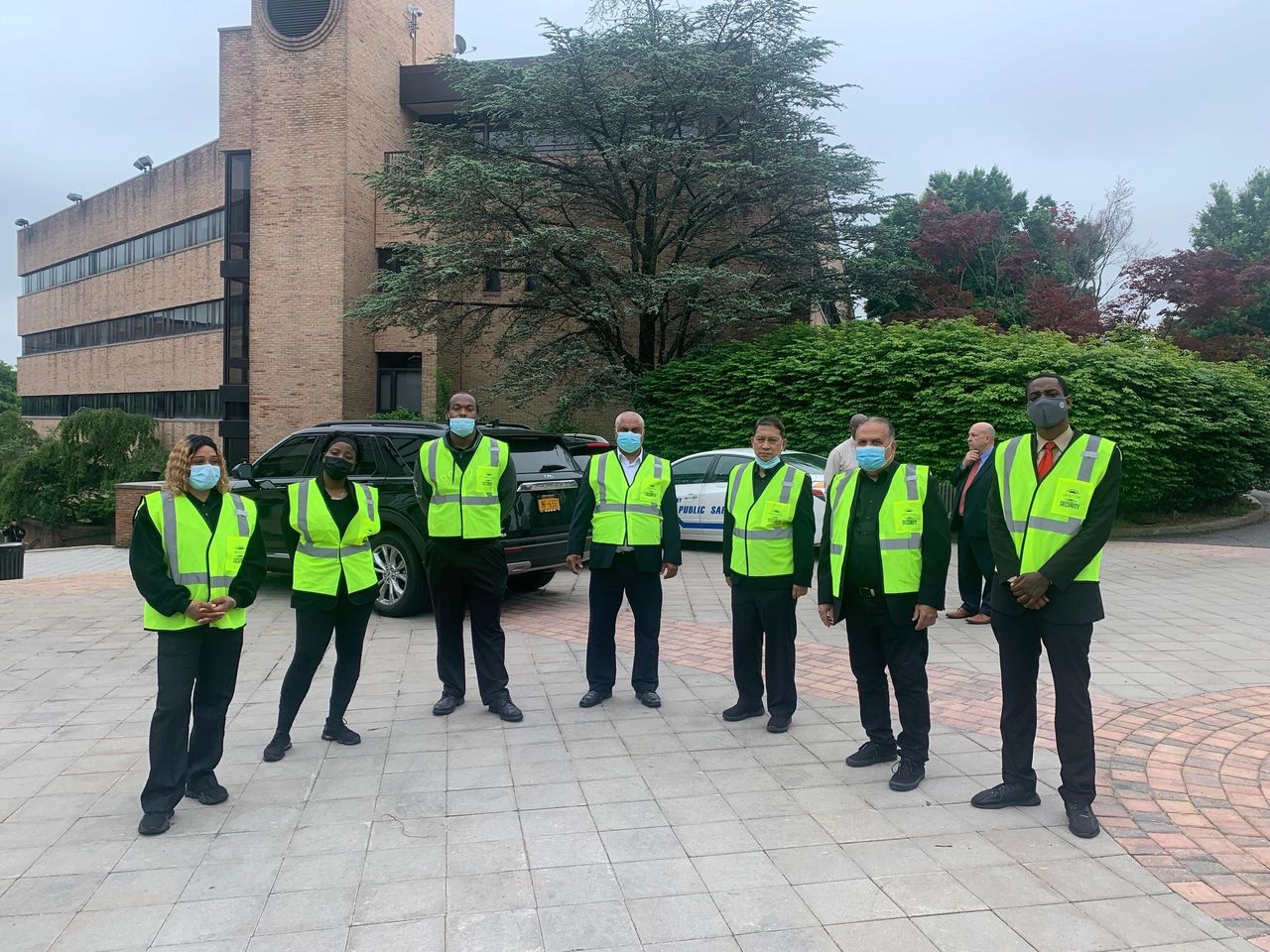
Security guards are trained professionals who protect individuals, property, and assets from threats and criminal activity. They are often employed in residential communities to safeguard residents’ well-being and ensure the security of private property. Unlike law enforcement officers, security guards are hired by private entities, such as homeowners’ associations, to provide round-the-clock monitoring and response services.
Why Security is Crucial for Residential Areas?
Residential areas are not immune to criminal activity, and they can be targets for burglaries, vandalism, and other threats. The presence of security guards acts as a deterrent to potential offenders, creating a safer environment for families. In communities where the sense of security is prioritized, property values often increase, and residents experience a greater understanding of peace.
Role of Security Guards in Residential Communities
Primary Responsibilities
Security guards play a vital role in maintaining safety by patrolling neighborhoods, monitoring security systems, and controlling access to the community. They are trained to respond quickly to emergencies, ensuring a prompt and effective resolution to any security concerns. By providing constant surveillance and vigilance, they help protect residents and their properties from potential threats, creating a safer living environment.
Preventing Crimes and Theft
Security guards play a crucial role in crime prevention by acting as a visible deterrent to potential offenders. Their presence alone can discourage criminal activities such as theft, vandalism, and trespassing, making the area safer for everyone. Furthermore, with specialized training, they can quickly recognize and respond to suspicious behavior, often defusing situations before they develop into serious security threats.
Benefits of Having Security Guards
Peace of Mind for Residents
The mere presence of a security guard provides peace of mind to residents, fostering a sense of safety that is essential for community well-being. Knowing that trained professionals are actively safeguarding their community allows residents to feel secure, encouraging them to engage in outdoor activities and socialize with their neighbors. This heightened sense of security not only improves the overall quality of life but also creates a welcoming atmosphere in the neighborhood, promoting stronger community bonds and a more vibrant living environment.
Emergency Response Capabilities
In the event of an emergency, whether it’s a break-in, fire, or medical situation, security guards can provide an immediate response. Trained in first aid, CPR, and emergency management, they are the first line of defense in critical situations. Their quick response can help mitigate damage and save lives while waiting for law enforcement or medical professionals to arrive.

Deterring Unwanted Activities
Monitoring Suspicious Behavior
Security guards undergo specialized training to identify and monitor unusual behaviors within their designated areas effectively. This includes being vigilant about unauthorized vehicles lingering in the community, individuals displaying suspicious actions or any situations that may pose a potential threat to safety. By recognizing and addressing these behaviors at an early stage, security guards play a crucial role in preventing crimes and enhancing overall security in their environments.
Preventing Trespassing
Residential communities often have restricted access, and security guards play a vital role in enforcing these boundaries. By monitoring entry points and verifying the credentials of visitors, they create a secure environment that fosters a sense of safety among residents. Additionally, security personnel are trained to respond quickly to any suspicious activities or emergencies, further enhancing the protection of private property and the well-being of the community members.
Enhancing Community Safety
Surveillance and Patrolling
Security guards conduct regular patrols of the community, systematically covering all areas that could serve as potential targets for criminal activity, thereby enhancing the overall safety of residents. They closely monitor high-traffic locations such as parking lots, entrances, playgrounds, and other public spaces to ensure that any suspicious behavior is quickly identified and addressed. In addition to their on-foot patrols, they may also employ advanced surveillance systems, allowing for real-time monitoring of these areas and facilitating a swift response to any signs of trouble that may arise.
Checking Entrances and Exits
Access control is one of the most critical functions of security guards in residential areas. Guards often man the entrances and exits of gated communities, ensuring that only residents, guests, and authorized personnel gain access. They verify identification, maintain visitor logs, and prevent unauthorized vehicles from entering.
The Importance of Security Guards in Emergency Situations
Immediate Response to Threats
Security guards undergo rigorous training to develop the skills necessary for swift and effective responses in high-pressure situations. This training equips them to handle a range of emergencies, including attempted break-ins, fires, or medical crises, ensuring they can act decisively and efficiently. Their prompt presence and capability to manage such incidents can significantly influence outcomes, potentially preventing minor issues from escalating into major disasters.
Liaison with Law Enforcement
Security guards frequently collaborate with law enforcement during emergencies to enhance safety and security in critical situations. By providing real-time information, assisting in crowd control, and gathering evidence, they play a vital role in effectively managing crises and ensuring public order. Their proactive involvement not only aids in the immediate response but also facilitates a smoother handover of responsibilities when police or emergency services arrive on the scene, leading to more efficient incident resolution.
Professionalism and Training of Security Guards
Required Skills and Certifications
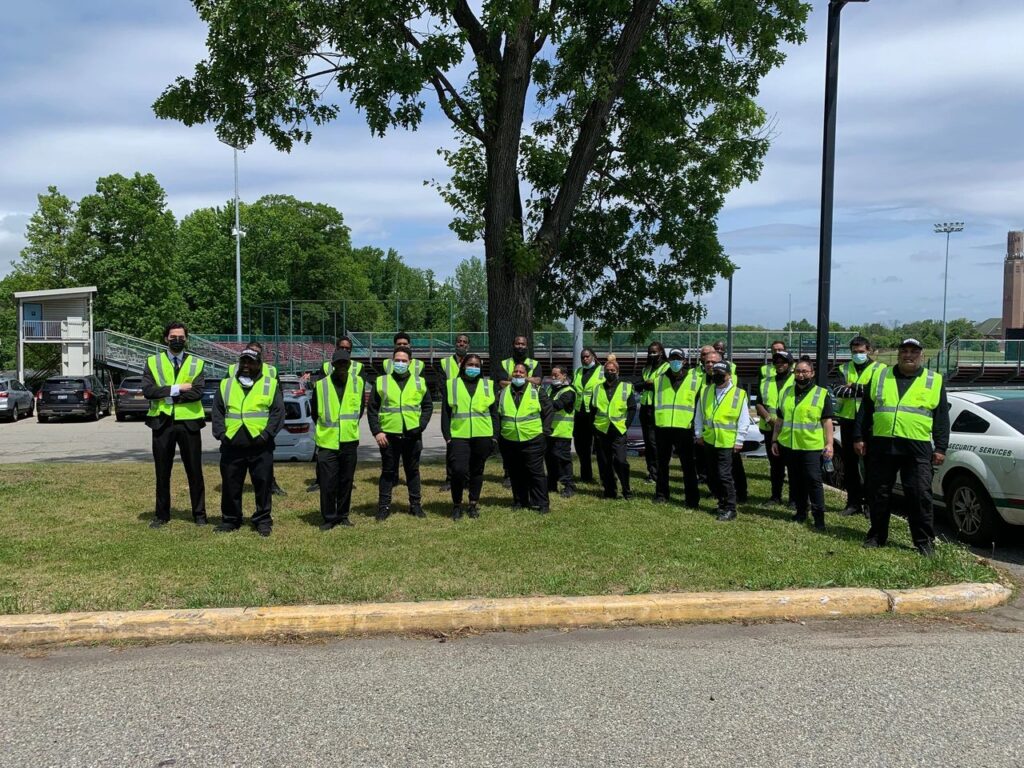
To be effective, security guards must undergo extensive training that encompasses a wide range of skills and knowledge. This training includes physical security tactics, an understanding of legal procedures, emergency response protocols, and conflict resolution techniques, all of which are essential for managing various situations they may encounter. Furthermore, certification programs are designed to ensure that guards are not only well-prepared to handle potential threats but also capable of performing their duties in a professional manner that upholds industry standards and promotes public safety.
Customer Service and Public Relations
In addition to their security duties, guards often serve as the first point of contact for residents and visitors, playing a crucial role in shaping their initial impressions of the environment. This requires not only excellent communication skills but also a friendly demeanor that encourages openness and approachability. By building rapport with community members, good security guards foster trust and a sense of collaboration, enhancing the overall safety and well-being of the community they serve.
Security Guards as Community Ambassadors
Building Trust with Residents
Security guards often serve as more than just protectors; they act as community ambassadors. Their interactions with residents can foster a sense of trust and security. Guards who are familiar faces within the neighborhood can create strong relationships with residents, which enhances community cohesion. Residents feel more comfortable reporting issues or suspicious activities, knowing there is someone reliable and approachable to turn to.
Handling Conflict and Disputes
Conflicts between neighbors or disputes involving property boundaries can arise in residential communities. Security guards are trained in conflict resolution and are often the first to intervene in such situations. Their neutral position allows them to mediate and de-escalate tensions, helping to resolve conflicts before they become larger issues. This adds another layer of value to their role, ensuring that the community remains a peaceful environment.
Technological Integration in Security Operations
Use of Surveillance Systems
Modern security guards are often equipped with advanced technological tools to enhance their effectiveness. Surveillance systems, such as CCTV cameras, are crucial for monitoring large residential areas, and security guards are responsible for overseeing these systems. They ensure that all areas are under constant watch and can quickly respond if any suspicious activity is detected. By using technology in tandem with their patrols, guards can maintain a more comprehensive security presence.
Communicating with Central Control Rooms
In larger residential complexes, security guards may also work closely with a central control room where all surveillance footage and access control systems are managed. They are trained to communicate swiftly with the control room in the event of a security breach or emergency. This integration of human oversight and technology ensures a more efficient and immediate response to potential threats.
Security Guards vs. Automated Security Systems
Strengths and Weaknesses
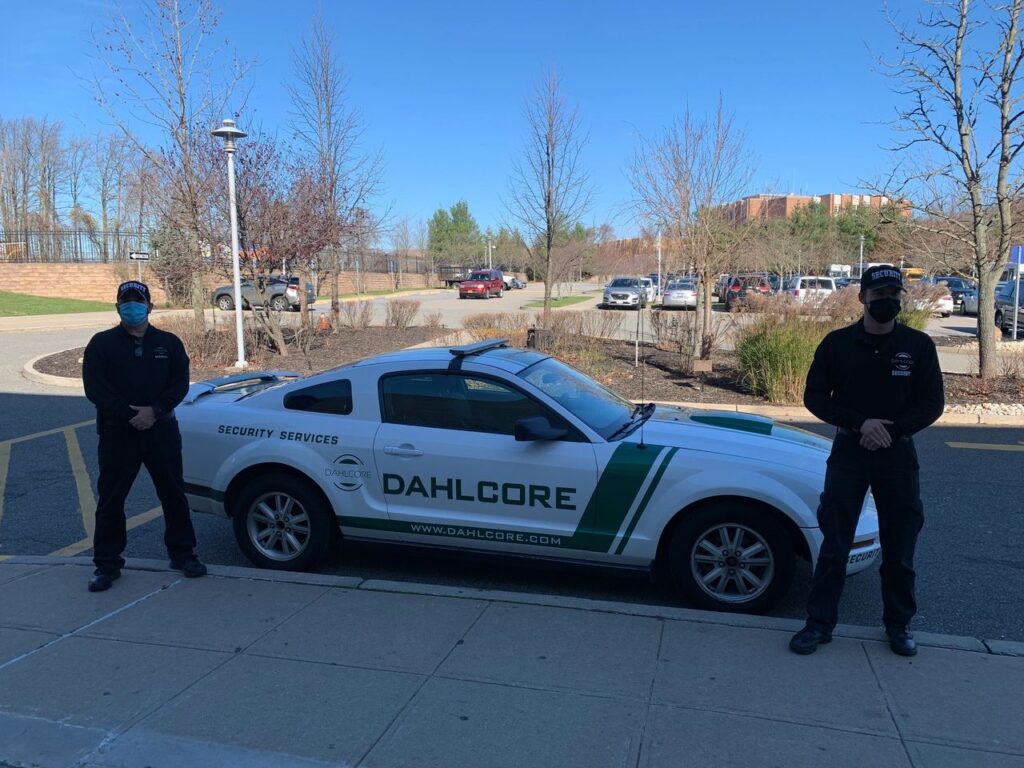
While automated security systems, such as alarm systems and motion detectors, play a significant role in residential security, they have limitations. Unlike security guards, these systems cannot physically intervene in situations or provide immediate, on-the-ground support. Security guards can act in real-time, making judgment calls and responding to emergencies in a way that machines cannot.
On the other hand, automated systems can complement security guards by providing 24/7 monitoring, even in areas that may not always be patrolled. The combination of human intelligence and technological surveillance creates a robust security framework for residential communities.
Human Factors in Security Management
One of the most significant advantages of security guards over automated systems is the human element. Guards can assess situations using intuition, judgment, and experience. They can communicate with residents, build relationships, and understand the specific needs of the community. Automated systems, while efficient, lack this human touch, which is crucial for maintaining trust and ensuring personalized security solutions.
Cost-Effectiveness of Hiring Security Guards
Long-term Benefits for Homeowners Associations
Although hiring security guards may seem like a significant investment, it can be cost-effective in the long run. By preventing theft, vandalism, and other criminal activities, security guards save homeowners associations (HOAs) from costly repairs and insurance claims. Moreover, the presence of professional security personnel can increase property values and attract potential buyers, making it a smart financial decision for residential communities.
Comparison with Other Security Measures
When compared to other security measures, such as installing extensive surveillance systems or hiring off-duty police officers, security guards offer a balanced solution. They provide a continuous, visible presence that automated systems cannot while also being more affordable than employing law enforcement for regular patrols. Additionally, guards can tailor their services to the specific needs of the community, offering a flexible and cost-effective approach to safety.
Customizable Security Solutions for Communities
Tailored Security Plans
Every residential community is different, and its security needs can vary based on factors like location, size, and crime rates. Security guards offer customizable solutions that can be tailored to the specific requirements of the community. Whether it’s 24-hour patrols, gate monitoring, or surveillance system management, security companies can create a security plan that fits the unique needs of the neighborhood.
Flexibility in Patrol Schedules
Security guards can also offer flexibility in their operations. Some communities may require full-time guards, while others may only need patrols during peak hours or in high-risk areas. This flexibility allows residential areas to manage their security budgets more effectively, ensuring they only pay for the services they truly need.
Legal Implications of Security Guards in Residential Areas
Authority and Limitations
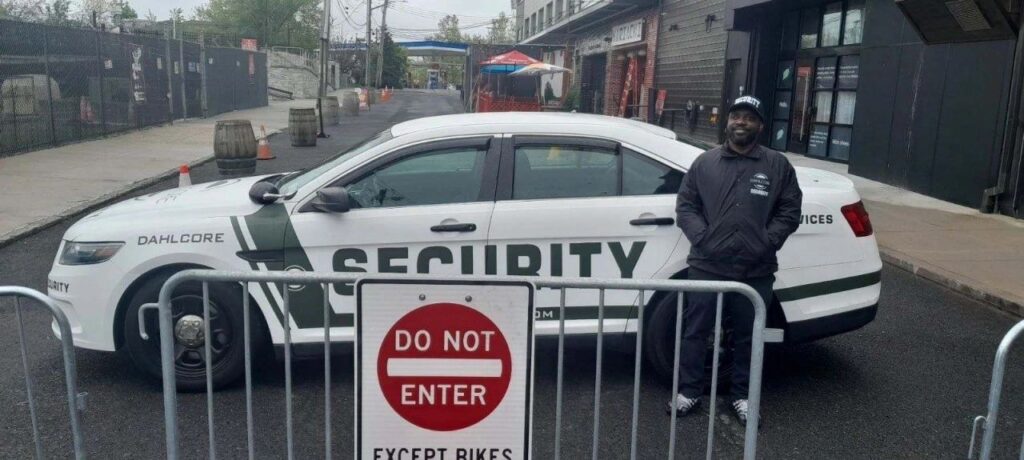
Security guards, while crucial for maintaining safety, have different legal authority than law enforcement officers. Their powers are limited to deterring crime, managing access control, and responding to emergencies. They cannot make arrests, carry firearms (in most cases), or conduct investigations like police officers. However, they do have the authority to remove trespassers, enforce community rules, and call for law enforcement assistance when necessary.
Legal Responsibilities and Liabilities
Hiring security guards also involves legal responsibilities. Homeowners associations and management companies must ensure that the guards they hire are properly trained and licensed. Failure to do so can result in legal liabilities if an incident occurs. Security companies are also responsible for maintaining adequate insurance coverage to protect against claims related to accidents or security breaches.
Hiring and Managing Security Guards
Choosing the Right Security Company
Selecting a reliable security company is one of the most critical decisions a residential community can make. When hiring security guards, it’s essential to choose a company with a solid reputation, proper licensing, and well-trained personnel. Communities should review the company’s track record, ensure they are compliant with local laws, and verify that their guards have undergone proper background checks and training.
Setting Clear Guidelines and Expectations
Once a security company is hired, it’s crucial to set clear expectations for the guards’ roles and responsibilities. This includes defining patrol routes, response protocols for different types of incidents, and guidelines for interacting with residents. By establishing these parameters upfront, the community can ensure that the guards are aligned with their safety goals and are able to provide the most effective security service.
FAQs
Why are security guards important for residential communities?
Security guards are essential for residential communities as they provide a visible deterrent to crime and enhance overall safety for residents. Their presence helps to monitor suspicious activities, respond to emergencies, and foster a sense of security within the community.
How do security guards handle emergency situations?
Security guards handle emergency situations by assessing the threat and following established protocols. These protocols often include contacting law enforcement and providing first aid if necessary. They prioritize the safety of individuals on-site, directing people to evacuate or take cover as appropriate.
Can security guards prevent crimes in residential areas?
Yes, security guards can deter crime in residential areas through their presence and active monitoring. Their visibility often discourages potential criminals and can lead to quicker responses to incidents, enhancing overall safety.
What qualifications do security guards need?
Security guards typically need a high school diploma or equivalent and may require specific training or certification depending on their state or employer. Additional qualifications can include background checks, first aid training, and knowledge of security protocols.
How do security guards interact with residents?
Security guards interact with residents by greeting them, providing assistance, and addressing concerns to foster a sense of safety and community. They may also conduct regular patrols, monitor access points, and report any suspicious activities to maintain security.
Are security guards more effective than automated security systems?
Security guards can provide a personalized and adaptive response to security threats, offering human judgment and intervention that automated systems may lack. However, automated security systems can operate continuously and often at a lower cost, making them effective for surveillance and detection in many scenarios.
Conclusion
Security guards play an invaluable role in safeguarding residential communities. Their presence not only deters criminal activity but also provides residents with peace of mind and a sense of safety. By integrating professional security personnel into daily operations, communities can prevent crime, handle emergencies effectively, and foster a secure environment for all residents.
The importance of security guards for residential communities cannot be overstated. From enhancing community safety to acting as trusted ambassadors, these trained professionals are essential in creating a safe and peaceful living environment. In a world where safety is a top priority, security guards offer a personalized and effective solution that automated systems alone cannot provide.
Explore our other blog posts here
20 Reasons To Hire Private Security Guards
How Technology is Transforming Mall Security
Tips for Training Security Guards in High-Risk Construction Areas
Strategies for Protecting Construction Site from Liability Issues
