


Cruise ships are synonymous with luxury, relaxation, and endless entertainment. However, amidst the opulence, concerns about safety and security linger. One common question that often arises is, “Are there police on cruise ships?” In this comprehensive guide, we delve into the intricacies of security measures aboard cruise ships, shedding light on the roles of security personnel, protocols in place, and passenger safety.
Understanding Security Protocols
Security Personnel: Guardians of the Seas
Security personnel onboard cruise ships play a pivotal role in maintaining order and ensuring the safety of passengers and crew alike. Trained professionals, often comprising former law enforcement officers or military personnel, are responsible for enforcing rules, conducting patrols, and responding to emergencies.
Cruise lines employ a multi-tiered security approach, with personnel stationed strategically throughout the ship to monitor activity, deter criminal behavior, and promptly address any incidents that may arise.
Collaboration with Law Enforcement
Cruise ships typically rely on their security teams to handle onboard incidents, but they also establish strong partnerships with law enforcement agencies at ports of call. These partnerships ensure that if a serious incident occurs, such as a crime or a medical emergency, local authorities can be quickly notified and respond effectively. By maintaining close ties with law enforcement, cruise lines enhance passenger safety and security while traveling to different destinations.
Overview of Security Measures on Cruise Ships
Private Security Personnel
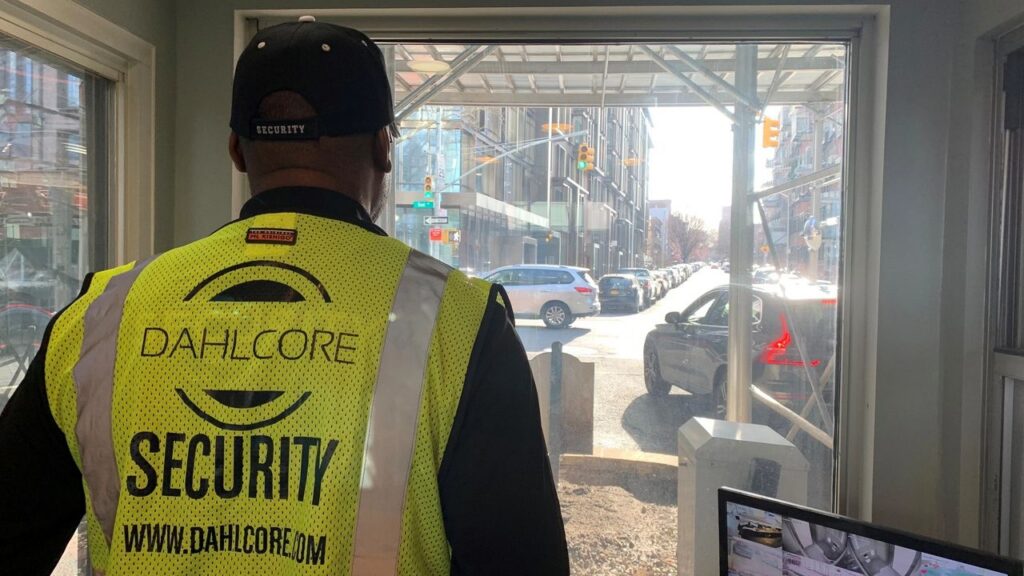
Cruise ships rely on specialized private security personnel who undergo rigorous training to handle security threats and emergencies effectively. These professionals patrol the ship, maintaining a vigilant watch over passenger activity to ensure the safety and security of all onboard. In the event of incidents, they swiftly respond, coordinating with onboard staff and relevant authorities to mitigate risks and maintain a secure environment for passengers and crew.
CCTV Surveillance
Closed-circuit television (CCTV) surveillance systems are integral to security measures on cruise ships, offering extensive coverage of public spaces, corridors, and sensitive areas. By providing real-time monitoring and recording capabilities, these systems enable cruise ship personnel to respond to incidents and investigate suspicious activities promptly. The presence of CCTV surveillance enhances passenger safety and deters potential security threats, contributing to a secure and enjoyable cruising experience for travelers.
Safety Drills and Protocols
Cruise ships prioritize safety through regular safety drills, which simulate various emergency scenarios such as fires, medical incidents, and security breaches. These drills are meticulously designed to prepare both passengers and crew members for swift and coordinated responses in the event of an emergency, ensuring minimal disruption and maximum safety. By enforcing stringent protocols and fostering a culture of preparedness, cruise ships strive to mitigate risks and enhance overall safety standards onboard for all aboard.
Presence of Law Enforcement on Cruise Ships
Collaboration with Local Law Enforcement
Cruise ships frequently collaborate with local law enforcement agencies stationed at ports of call to enhance security measures and address potential threats effectively. This partnership allows for seamless communication channels and coordinated responses to incidents within the port area’s jurisdictional boundaries. By working together, cruise lines and law enforcement can ensure the safety of passengers, crew members, and the local community, fostering a secure environment for all stakeholders involved.
Jurisdictional Issues
Jurisdictional complexities surrounding criminal incidents on cruise ships stem from the fact that these vessels often traverse international waters, where multiple legal jurisdictions intersect. This creates challenges in determining which authorities have the authority to investigate and prosecute crimes that occur onboard. Effective coordination among relevant authorities, such as law enforcement agencies from the flag state of the ship, the port of call, and the nationality of the victim or perpetrator, is crucial for ensuring that justice is served and victims are adequately supported.
Specialized Units Onboard
Specialized law enforcement units onboard cruise ships are integral components of maritime security infrastructure. Comprising officers trained in marine law enforcement and crisis management, these units bolster ship security by effectively responding to security threats and conducting thorough investigations when necessary. Their ability to liaise with external authorities ensures seamless coordination in the event of emergencies, enhancing the safety and security of passengers and crew members alike.

Handling of Criminal Incidents
Reporting Procedures
Cruise ships prioritize the safety and security of their passengers and crew, which is why they have established reporting procedures for criminal incidents or suspicious activities. Timely reporting is essential for enabling swift responses from trained security personnel, who can then effectively address any potential threats or criminal behavior. These procedures also aid in facilitating thorough investigations to identify perpetrators, ensuring accountability, and maintaining a safe environment for everyone on board.
Investigation Protocols
When criminal incidents occur aboard cruise ships, stringent investigation protocols are swiftly implemented. These protocols encompass the collection of evidence, interviews with witnesses, and coordination with relevant law enforcement bodies. These measures are integral to ensuring a comprehensive understanding of the situation and facilitating the pursuit of suitable actions. By adhering to established procedures, cruise lines can uphold safety standards and address incidents with diligence and effectiveness.
Legal Ramifications and Consequences
Perpetrators of criminal acts aboard cruise ships can be subject to legal repercussions under maritime law and the laws of the jurisdictions where the ship is registered or operates. Depending on the gravity of the offense, penalties such as fines, imprisonment, or prosecution may be imposed. Cruise lines often work closely with law enforcement agencies and legal authorities to ensure that perpetrators are held accountable and that the safety and security of passengers and crew are maintained.
Safety Measures Onboard
Surveillance Systems: Eyes Everywhere
Modern cruise ships are equipped with state-of-the-art surveillance systems comprising CCTV cameras strategically positioned across the vessel. These cameras provide continuous monitoring of public areas, ensuring comprehensive coverage and enhancing overall security.
In addition to surveillance technology, cruise ships employ access control measures to regulate entry to restricted areas and monitor passenger movements, further bolstering onboard security.
Emergency Preparedness: Rapid Response Protocols
Cruise lines prioritize preparedness as a fundamental aspect of passenger and crew safety, conducting regular drills and training exercises to ensure personnel are well-versed in emergency procedures. These drills cover a wide range of scenarios, including evacuation protocols to swiftly and safely evacuate passengers in the event of an emergency, fire suppression techniques to contain and extinguish fires onboard, and medical response strategies to provide prompt and effective care to those in need. By consistently practicing and refining these procedures, cruise lines aim to mitigate risks and enhance the overall safety and security of their vessels.

Addressing Common Concerns
Incident Response: Ensuring Accountability
In the unlikely scenario of a crime or security issue occurring aboard a cruise ship, cruise lines prioritize conducting comprehensive investigations and collaborating closely with appropriate authorities. Passengers are urged to promptly communicate any concerns to onboard security personnel, who are extensively trained to manage such incidents with utmost professionalism and discretion. This commitment underscores the cruise industry’s dedication to ensuring the safety and well-being of all passengers and crew members throughout their voyage experiences.
Legal Jurisdiction: Navigating Complex Waters
Navigating the legal jurisdiction of crimes committed at sea is complex due to the involvement of multiple countries and legal frameworks. Cruise lines are obligated to adhere to international maritime law, which outlines protocols for addressing criminal activity onboard. These protocols often involve cooperation with law enforcement agencies from various jurisdictions to ensure that crimes are appropriately investigated and prosecuted.
Challenges and Limitations
International Waters Jurisdiction
In international waters, the absence of a unified legal framework creates ambiguity regarding jurisdiction, allowing criminal activities to thrive. Coordinating law enforcement efforts becomes arduous due to overlapping territorial claims and differing legal systems among nations. Resolving jurisdictional disputes often requires diplomatic negotiations and agreements to establish protocols for addressing criminal behavior effectively on the high seas.
Resource Constraints
Implementing comprehensive security measures on cruise ships can be challenging due to constraints on personnel, equipment, and training resources. With sufficient investment in security infrastructure and staffing, cruise ships may be able to effectively mitigate security risks, leaving passengers and crew vulnerable to potential threats. Adequate funding and resources are vital to enhance preparedness and ensure the safety and security of those on board.
Communication Barriers
Effective coordination and information sharing among stakeholders onboard cruise ships is crucial for ensuring security. Language differences can hinder clear communication between crew members, security personnel, and passengers, while technical limitations may disrupt the flow of critical information. Implementing robust communication protocols and providing cross-cultural training initiatives can help bridge these gaps, fostering better collaboration and enhancing overall security measures onboard.

FAQs (Frequently Asked Questions)
What is the role of security personnel on cruise ships?
Security personnel are responsible for maintaining order, enforcing rules, and responding to emergencies onboard cruise ships.
Are there surveillance cameras on cruise ships?
Yes, modern cruise ships are equipped with CCTV cameras to monitor public areas and enhance security measures.
How do cruise lines respond to security incidents?
Cruise lines conduct thorough investigations and cooperate with local authorities to address security incidents onboard.
Can passengers report concerns to onboard security?
Yes, passengers are encouraged to report any concerns or incidents to onboard security personnel for prompt assistance.
What legal jurisdiction applies to crimes committed onboard cruise ships?
Crimes committed onboard cruise ships are subject to international maritime law, and cruise lines cooperate with relevant authorities to resolve them.
Do cruise ships have access control measures in place?
Yes, cruise ships employ access control measures to regulate entry to restricted areas and monitor passenger movements for enhanced security.
Conclusion: Safeguarding the Seas
In conclusion, while traditional police may not patrol the decks of cruise ships, robust security measures are in place to ensure the safety and well-being of all onboard. From vigilant security personnel to sophisticated surveillance systems, cruise lines spare no effort in upholding security standards and providing passengers with peace of mind as they embark on unforgettable journeys across the seas.
Check other blogs
Practical Communication Skills for Hotel Security Staff
Private Investigators: Unveiling Identity Theft
Enhancing Loss Prevention with Technology-Security Integration
Can a Security Guard Detain You for Trespassing? Know Your Rights
