

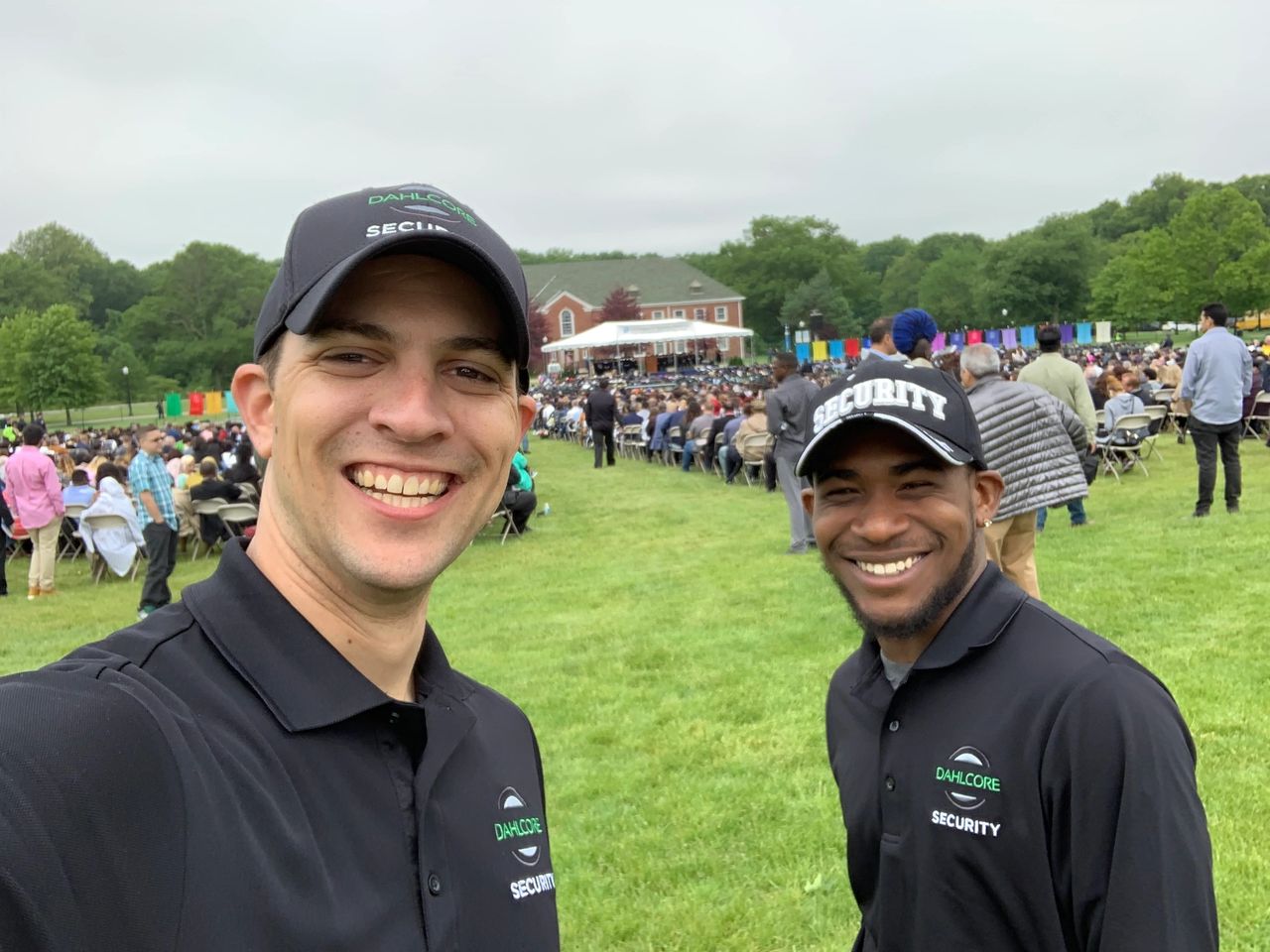
Effective communication is the cornerstone of hotel security. In a dynamic environment like a hotel, security staff must be adept at not only protecting guests but also communicating effectively. This article delves into why communication skills are vital in this role, highlighting the unique challenges faced in hotel security.
Understanding Hotel Security Staff’s Role
Security personnel in hotels play a pivotal role that extends beyond traditional security duties. They serve as the initial point of contact for guests and staff, requiring practical communication skills to assist, address inquiries, and create a welcoming atmosphere while ensuring the safety and security of the premises. Appreciating the multifaceted nature of their responsibilities underscores the significance of their role as ambassadors of hospitality and security within the hotel industry.
Practical Communication Skills for Hotel Security Staff
Practical communication skills are essential for hotel security staff as they play a pivotal role in ensuring the safety and satisfaction of guests. Mastering both verbal and non-verbal communication techniques empowers them to convey information clearly, detect potential security threats, and provide a welcoming and reassuring presence, ultimately enhancing the overall guest experience.
Listening Skills: A Key Component
Active listening goes beyond simply hearing the words spoken by guests and staff; it involves a deep commitment to comprehending their underlying concerns, emotions, and needs. By honing these listening skills, hospitality professionals can effectively identify and address issues, fostering better communication, customer satisfaction, and overall success in the industry.
Conflict Resolution and Communication
In complex conflict scenarios, security staff can effectively de-escalate situations through skillful communication by actively listening to all parties involved and empathizing with their concerns. They should also employ effective verbal techniques such as using a calm and reassuring tone, maintaining open body language, and offering clear and concise instructions to diffuse tension and facilitate a peaceful resolution.
Interdepartmental Communication in Hotels
Adequate security in a hotel setting involves more than just the security department itself; it requires seamless communication and collaboration with other hotel departments. By fostering better coordination and information sharing among various departments such as housekeeping, front desk, and maintenance, hotels can ensure a unified approach to guest safety and service, ultimately enhancing the overall guest experience and security protocols.

Technology and Communication
In the digital age, harnessing technology for communication has become a transformative force, revolutionizing the way security teams operate. Modern tools such as encrypted messaging platforms, real-time monitoring systems, and AI-driven threat detection not only enhance the effectiveness of security teams by providing instant and actionable insights but also significantly improve their efficiency by automating routine tasks and enabling rapid response to emerging threats.
Cultural Sensitivity and Diversity
In the global hospitality industry, effective communication with guests from diverse cultural backgrounds is crucial for creating a welcoming and inclusive environment. This article delves into strategies such as cultural sensitivity training for staff and providing multilingual resources to ensure that hotels can successfully navigate the rich tapestry of cultural differences among their guests, fostering positive interactions and memorable experiences for everyone.
Training and Development for Security Staff
In the field of hotel security, continuous learning is paramount as it ensures that security personnel are well-prepared to handle evolving threats and challenges. Ongoing training, with a strong emphasis on communication skills and scenario-based exercises, not only enhances the ability to detect and respond to security breaches effectively but also promotes a proactive and customer-friendly approach, thereby safeguarding both guests and the reputation of the establishment.
Legal Aspects of Communication in Security
Security staff must prioritize a comprehensive understanding of the legal implications surrounding their communication as it can significantly impact their actions and responsibilities. This awareness is particularly crucial when interacting with law enforcement agencies, as any miscommunication or violation of legal boundaries can have serious consequences, both for the security personnel and the organization they represent.
Emergency Communication Protocols
In emergencies, effective communication is of utmost importance to ensure a coordinated response and minimize potential harm. Proper protocols for crisis communication involve establishing clear channels of communication with emergency services, such as police, fire departments, and medical personnel, to relay information, request assistance, and coordinate efforts promptly. Simultaneously, internal crisis management within an organization should focus on disseminating accurate and timely information to employees, stakeholders, and the public, ensuring everyone is informed and safe during the crisis.
Feedback Mechanisms in Hotel Security
Collecting and implementing feedback from both guests and staff is crucial for improving communication strategies and enhancing security services within an organization. By actively seeking input from guests, businesses can gain valuable insights into their preferences, concerns, and expectations, allowing them to tailor their communication approaches to better meet these needs. Additionally, staff feedback can help identify operational inefficiencies, security vulnerabilities, and training gaps, enabling organizations to refine their security protocols and overall service quality, ultimately leading to a safer and more satisfying experience for all stakeholders.
Case Studies: Effective Communication in Action
In the realm of hotel security, effective communication can play a pivotal role in diffusing potentially dangerous situations. For instance, consider a case where a hotel staff member noticed suspicious activity in a guest’s room and promptly communicated their concerns to the security team, leading to the discovery and resolution of a potential threat. This case highlights how clear and timely communication within the hotel staff can help prevent security breaches and ensure the safety of guests and employees alike.
Frequently Asked Questions (FAQs)
What are the critical communication skills every hotel security staff member should possess?
Adequate hotel security staff should excel in active listening, clear verbal communication, understanding of non-verbal cues, and conflict resolution skills, all crucial for managing diverse interactions.
How can hotel security staff improve their listening skills?
Improving listening skills involves practicing active listening, which includes fully concentrating, understanding, responding, and then remembering what is being said, which is essential for accurately assessing and addressing security situations.
What role does non-verbal communication play in hotel security?
Non-verbal communication, like body language and eye contact, is vital in hotel security for gauging situations, conveying authority, and building trust with guests and staff.
How can technology enhance communication in hotel security?
Technology, such as communication devices and security software, can streamline information sharing, improve response times, and offer better coordination during critical situations in hotel security.
What strategies can be used for effective conflict resolution in hotel security?
Key strategies include staying calm, using de-escalation techniques, empathizing with involved parties, and applying clear, concise communication to resolve conflicts effectively.
How does cultural sensitivity impact communication in hotel security?
Cultural sensitivity aids in creating respectful and understanding interactions, essential for effectively communicating with guests from diverse backgrounds in a hotel setting.
Conclusion: The Way Forward in Hotel Security Communication
In conclusion, effective communication is not just an optional skill but a critical component in the toolkit of hotel security staff. This article has explored various aspects of communication, providing insights and strategies for enhancing both safety and service quality in hotels.
Check other blogs
Strategy for Protecting Against Piracy: Empowering Maritime Guard
Common Types of Wireless Access Control
What is CCTV and How Does It Work? A Comprehensive Guide
Key Steps on How to Announce a Termination of Employee
Check also our Hotel Security
