

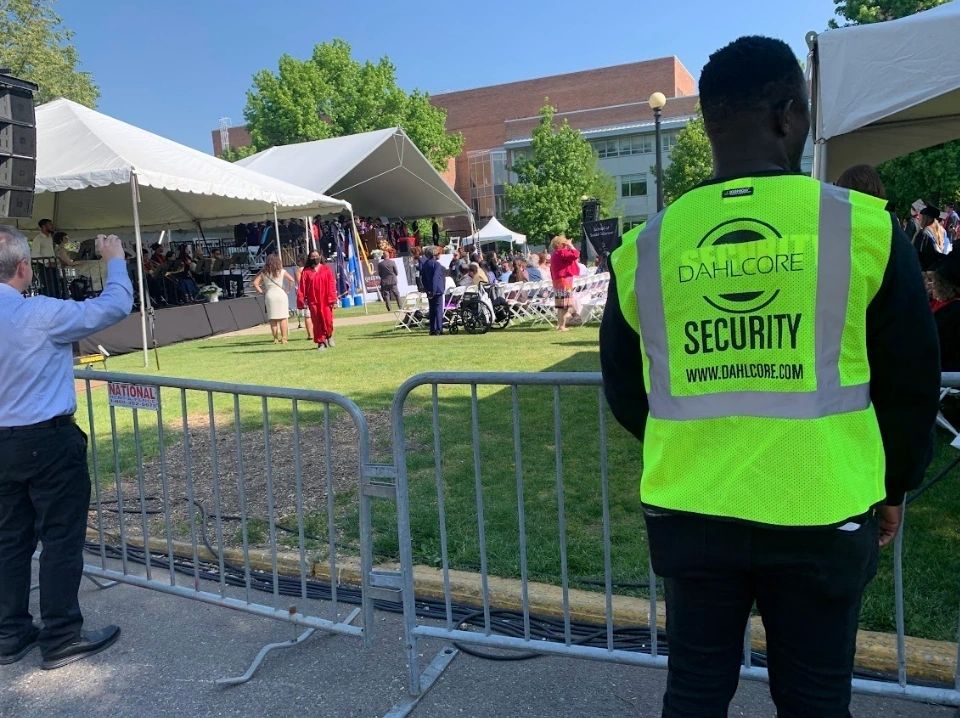
Retail Loss and Security Patrols
Retail loss is a pervasive issue affecting businesses globally, with consequences that extend far beyond mere financial setbacks. Security patrols stand at the forefront of preventative measures, offering a dynamic solution to this pressing problem. By understanding the multifaceted nature of retail loss and the proactive approach of security patrols, businesses can significantly mitigate risks and foster a safer shopping environment.
Evaluating the Impact of Retail Loss
The repercussions of retail loss are far-reaching, impacting not only the financial health of businesses but also employee morale and customer trust. By examining the latest statistics and trends in retail theft, we gain insight into the magnitude of the issue and the imperative need for effective security measures.
Understanding Security Patrols
Security patrols vary in form and function, each tailored to meet the specific needs of the retail environment. Whether static or mobile, these patrols serve as the eyes and ears of the retail space, ensuring safety and deterring potential threats. Understanding the roles, responsibilities, and types of security personnel is critical to optimizing their effectiveness.
The Importance of Security Patrols in Mitigating Retail Loss
Real-world case studies have consistently showcased the remarkable effectiveness of security patrols in curbing retail losses. Their strategic presence and deterrent effect not only thwart theft and vandalism but also cultivate a heightened sense of security among both customers and staff within the retail environment, ultimately safeguarding the business’s assets and reputation.
Strategic Placement of Security Personnel
The effectiveness of security patrols hinges significantly on their strategic placement, as it directly correlates with their ability to deter and respond to potential threats. By carefully identifying and monitoring high-risk areas, security personnel can allocate resources where they are most needed, enhancing the overall security posture of a location. This targeted approach not only maximizes the impact of patrols by increasing the likelihood of detection and prevention but also optimizes resource allocation by minimizing unnecessary coverage in low-risk zones.

Technology Integration with Security Patrols
In an era of rapid technological advancement, the integration of modern surveillance tools with traditional security patrols has revolutionized retail security. From drones to advanced surveillance systems, technology plays a pivotal role in augmenting the capabilities of security patrols.
Legal and Ethical Considerations
Implementing security measures requires a delicate balance between effective deterrence and respect for individual rights. Retailers must navigate the complex legal and ethical landscape to ensure that their security strategies are not only practical but also just and lawful.
Training and Development for Security Teams
The effectiveness of security patrols dramatically depends on the proficiency and preparedness of the personnel assigned to the task. Regularly investing in ongoing training and development programs is crucial to equip security teams with the necessary knowledge and skills required to address a wide range of security challenges effectively. Furthermore, these initiatives enable security professionals to stay current with emerging threats, enabling them to adapt and respond proactively to evolving security risks.
Cost-Benefit Analysis of Security Patrols
While the upfront costs of implementing security patrols may seem daunting, a thorough cost-benefit analysis often reveals that the long-term savings from loss prevention far outweigh the initial investment. A secure retail environment not only protects assets but also enhances the shopping experience, leading to increased customer loyalty and revenue.
Community and Customer Relations
Implementing effective security measures in a retail environment not only ensures the safety of both customers and employees but also creates a welcoming atmosphere that fosters trust and connection within the community. By visibly demonstrating their dedication to safety through measures such as surveillance systems, trained personnel, and well-lit parking areas, retailers can instill confidence in shoppers, encouraging repeat business and referrals. This proactive approach to security not only safeguards the physical well-being of patrons but also bolsters the retailer’s reputation, ultimately resulting in a loyal customer base and a strong, positive brand image.

Challenges and Limitations of Security Patrols
While security patrols are a cornerstone in mitigating retail loss, they come with their own set of challenges and limitations. One of the primary obstacles is the cost associated with hiring, training, and equipping a professional security team. Small to medium-sized retail businesses often need help with the financial aspect of maintaining a full-time security patrol. Moreover, there’s the challenge of ensuring that the security measures do not infringe upon the rights and privacy of customers, balancing security needs with a comfortable and welcoming shopping environment.
Future Trends in Retail Security
The future of retail security is rapidly evolving with the integration of technology and data analytics. Predictive analytics, artificial intelligence, and machine learning are becoming increasingly prevalent, offering new ways to anticipate and prevent theft. Retailers can look forward to more sophisticated surveillance systems, integrated communication networks, and even robotics as part of their security arsenal. Staying ahead of these trends will be crucial for retailers aiming to protect their assets and maintain a competitive edge.
FAQs on Security Patrols and Retail Loss
What are the primary benefits of implementing security patrols in retail environments?
Security patrols offer a range of benefits, including deterrence of theft and vandalism, increased customer and employee safety, and enhanced trust and reputation among the community.
How do security patrols integrate with modern technology?
Modern security patrols often incorporate technology such as surveillance cameras, drones, and advanced communication systems to enhance their effectiveness and provide comprehensive coverage of the retail space.
What are the challenges of implementing security patrols?
Challenges include the cost of implementation, ensuring proper training and management of security personnel, and balancing effective security measures with a positive customer experience.
How can retailers measure the effectiveness of security patrols?
Retailers can measure the effectiveness through metrics such as reduction in theft incidents, improved employee and customer feedback, and cost savings from prevented losses.
What future trends are shaping the field of retail security?
Future trends include the increasing use of predictive analytics, artificial intelligence, and machine learning to anticipate and prevent theft, as well as the continued integration of technology with traditional security measures.
How can retailers ensure the legal and ethical deployment of security patrols?
Retailers should stay informed about relevant laws and regulations, provide thorough training on ethical conduct and privacy rights, and ensure transparency and accountability in their security practices.
Conclusion
In conclusion, the importance of security patrols in mitigating retail loss cannot be overstated. By adopting a comprehensive approach that includes strategic planning, technological integration, and continuous improvement, retailers can protect their assets, enhance customer trust, and pave the way for a more secure and prosperous future.
Check other blogs:
Who Are Considered First Responders? | Security Services Guide
Safety Measures Every Security Guard Should Know
Customized Security Approaches for Every Construction
Security Guards’ Authority for Searching Individuals and Vehicles
