


The significance of implementing robust security measures in construction must be considered. As the backbone of infrastructure development, construction sites are bustling hubs of valuable materials, equipment, and workforce. However, they are also hotbeds for potential risks such as theft, vandalism, and accidents. This article delves into the importance of customized security approaches explicitly tailored to different phases of construction, ensuring that your project remains safe, secure, and thriving from inception to completion.
Assessment of Risks and Needs
Before laying the first brick, it’s crucial to assess the unique risks and security needs of your construction site. This involves identifying potential vulnerabilities and developing a strategic plan that addresses these issues head-on. Whether it’s the theft of expensive machinery or unauthorized access to restricted areas, understanding the specific challenges your site faces is the first step in crafting a comprehensive security strategy.
Customized Security Approaches for Different Construction Phases
Security needs vary significantly throughout the different stages of construction. During initial planning, focus on risk assessment and security blueprint development. Active construction phases require heightened measures such as manned guarding and surveillance, while post-construction phases might emphasize secure handover processes and theft prevention. Tailoring your security approach to each phase ensures that your site is protected at all times.
Pre-construction Phase Security Measures
Site Assessment and Risk Analysis
In the pre-construction phase, conducting a thorough site assessment and risk analysis is imperative. This process involves:
- Identifying potential threats and vulnerabilities specific to the location, such as crime rates and environmental hazards.
- Analyzing previous incident reports and patterns to forecast potential risks.
- Evaluating the effectiveness of existing security measures and identifying areas for improvement.
- Engaging with local law enforcement and community stakeholders for additional insights.
- Documenting and prioritizing identified risks to develop a targeted security strategy.
This comprehensive approach ensures a robust foundation for subsequent security measures tailored to the specific needs and threats of the construction site.

Implementation of Perimeter Security
Perimeter security forms the first line of defense against unauthorized access:
- Fencing and barriers are being installed to delineate the site and deter trespassers.
- Implementing signage to mark private property and warn against unauthorized entry clearly.
- Utilizing lighting to illuminate the site perimeter, reducing hiding spots for potential intruders.
- Establishing entry and exit points for monitoring and controlling site access.
- Integrating technology such as motion sensors or infrared detectors to bolster physical barriers.
These measures collectively enhance the security perimeter, discouraging unauthorized access and facilitating early detection of potential security breaches.
Access Control Measures
Effective access control is critical to ensuring that only authorized personnel enter the site:
- Issuing badges or electronic access cards to workers and visitors.
- Keeping a log of all persons entering or leaving the site, including time and date.
- Employing security personnel to verify credentials and authorize access.
- Installing electronic access control systems to automate entry processes and record data.
- Implementing biometric systems for high-security areas, ensuring that access is granted based on unique physical characteristics.
These measures help to maintain a secure environment by controlling site access and monitoring site activity.
Securing Construction Materials and Equipment
Protecting assets is essential to prevent theft and vandalism:
- Implementing inventory management systems to track materials and equipment.
- Using secure storage solutions, such as lockable containers and warehouses.
- Employing surveillance cameras around storage areas to monitor and deter unauthorized access.
- Implementing GPS tracking for high-value machinery to enable real-time location tracking.
- Conducting regular audits to ensure all materials and equipment are accounted for.
Securing assets not only prevents financial loss but also ensures that the project can proceed without unnecessary delays or disruptions.
Construction Phase Security Strategies
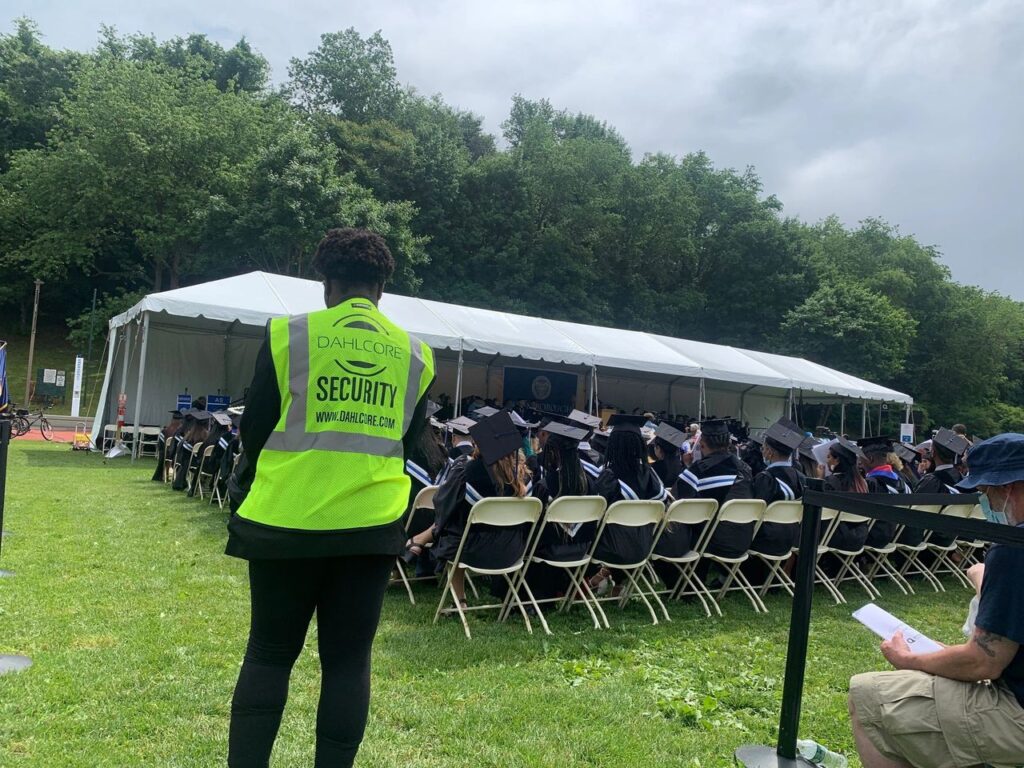
On-site Security Personnel Deployment
Deploying security personnel strategically throughout the construction site is vital:
- Stationing guards at access points to verify credentials and monitor entries and exits.
- Conducting regular patrols to deter criminal activity and identify security breaches.
- Establishing a visible security presence to deter potential threats and reassure workers.
- Training security staff to respond effectively to various scenarios, including emergencies.
- Coordinating with local law enforcement for rapid response in case of serious incidents.
The presence of trained security personnel enhances overall site security by providing immediate response capabilities and a deterrent to potential threats.
Surveillance Systems and Technology Integration
Leveraging technology enhances security monitoring and response capabilities:
- Installing CCTV cameras to cover strategic locations and blind spots.
- Integrating motion sensors and alarm systems to alert security personnel to unauthorized access.
- Utilizing drone surveillance for aerial views and monitoring hard-to-reach areas.
- Employing night-vision and thermal imaging technologies for enhanced nighttime surveillance.
- Integrating all security systems into a centralized control center for real-time monitoring and response coordination.
By adopting advanced surveillance technologies, construction sites can maintain a higher level of security awareness and incident response.
Monitoring and Controlling Access Points
Controlling and monitoring access points prevent unauthorized site entry:
- Establishing secure entry and exit points for workers, visitors, and vehicles.
- Utilizing access control systems, such as turnstiles or electronic gates, to manage flow and record entries.
- Implementing vehicle checkpoints for inspecting deliveries and logging vehicle details.
- Designating specific entry points for different groups (e.g., workers, visitors, delivery personnel) to streamline access and enhance security.
- Conducting random checks and screenings to prevent the smuggling of unauthorized items.
Effective management of access points ensures that only authorized individuals and materials enter the site, reducing the risk of theft, vandalism, or other security breaches.

Implementing Safety Protocols for Workers
Ensuring worker safety is a critical component of construction phase security:
- Conduct regular safety training and briefings to educate workers on security protocols and emergency procedures.
- Requiring personal protective equipment (PPE) and enforcing safety regulations on-site.
- Implementing check-in/check-out systems to account for all personnel on-site.
- Establishing clear communication channels for reporting suspicious activities or safety concerns.
- Designating safe zones and evacuation routes in case of emergency.
By prioritizing worker safety, construction sites can mitigate risks and create a secure, productive work environment.
Post-construction Phase Security Considerations
Transitioning to Permanent Security Systems
As construction concludes, transitioning to permanent security measures is crucial:
- Assessing which temporary security measures should be converted into permanent solutions.
- Integrating advanced security technologies, such as biometric access control and comprehensive surveillance systems, into the building’s infrastructure.
- Collaborating with security consultants to ensure the new systems meet the specific security needs of the completed structure.
- Training building management and security personnel in the operation and maintenance of the new systems.
- Conducting a final security audit to ensure all systems are functioning correctly and address any vulnerabilities.
Transitioning effectively ensures that the building remains secure and prepared for occupancy and operations.
Handover Procedures and Documentation
Proper handover of security systems and protocols is essential for maintaining security post-construction:
- Compiling comprehensive documentation, including manuals, warranties, and access codes.
- Conducting detailed briefings for the building’s management and security teams.
- Transferring all relevant security data, such as surveillance footage and access logs.
- Review and update emergency response and evacuation plans to fit the completed structure.
- Ensuring all security personnel are fully trained and familiar with the new systems and protocols.
A thorough handover ensures that the new occupants are equipped to maintain the security and safety of the building.

Continued Monitoring and Maintenance
Ongoing monitoring and maintenance are vital to ensuring the longevity and effectiveness of security systems:
- Establishing regular maintenance schedules for all security equipment and systems.
- Conducting periodic security assessments to identify and address new threats or vulnerabilities.
- Updating security protocols and systems in response to evolving threats and technological advancements.
- Providing continuous training for security personnel to keep them informed of the latest security practices and technologies.
- Engaging in active surveillance to monitor for any security breaches or irregularities.
Regular maintenance and updates ensure that security measures remain robust and effective against new and evolving threats.
Addressing Potential Security Vulnerabilities Post-Construction
Identifying and addressing vulnerabilities is a continuous process:
- Conducting post-occupancy evaluations to assess security measures in practice.
- Gathering feedback from occupants and security personnel to identify areas for improvement.
- Implementing corrective measures to address identified vulnerabilities.
- Staying informed about new security threats and technological solutions.
- Creating a culture of security awareness among building occupants and staff.
By proactively addressing vulnerabilities, buildings can maintain a high level of security and adapt to changing circumstances.
Technological Solutions for Enhanced Security
Integrating advanced surveillance systems and access control technologies into your construction site can significantly enhance security by enabling real-time monitoring of activities and ensuring restricted access to authorized personnel only. These innovative solutions provide comprehensive coverage and accountability, mitigating risks and safeguarding valuable assets throughout the project duration.
Human Element in Construction Security
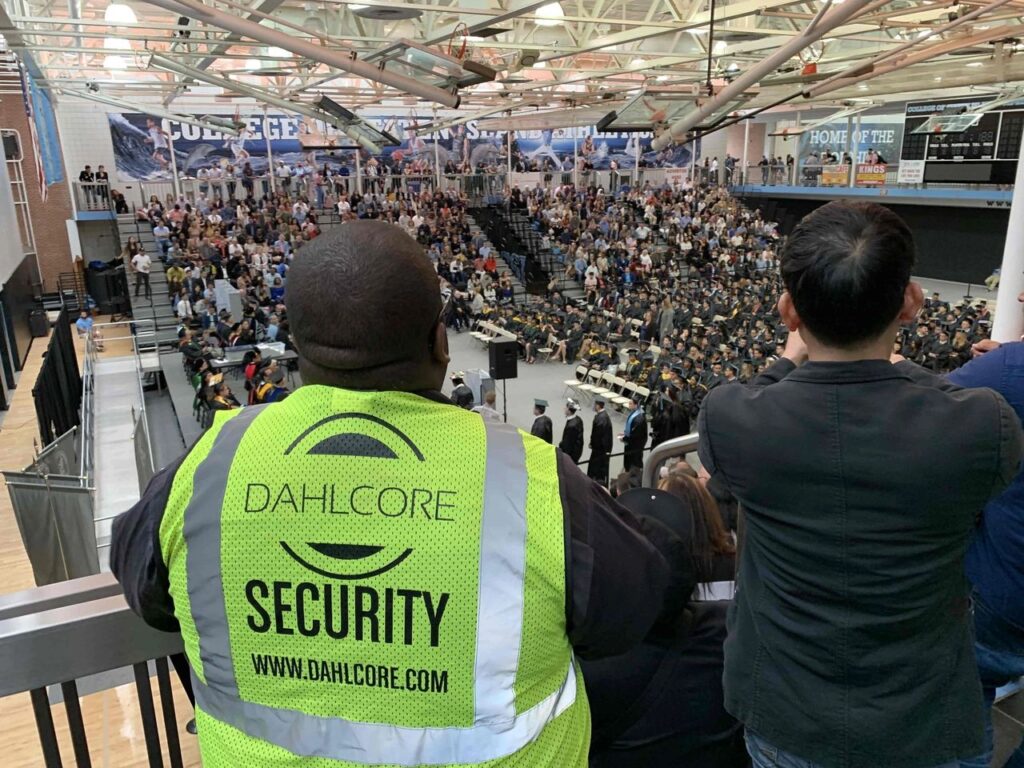
While technology certainly plays a crucial role in bolstering security measures, it is imperative to acknowledge the indispensable human element. Training employees on security protocols and fostering a culture of vigilance can significantly mitigate the risk of security breaches. Furthermore, specialized security personnel equipped with knowledge of construction site dynamics serve as effective deterrents and swift responders to potential threats, ensuring comprehensive protection for the site and its assets.
Physical Security Measures
Implementing physical security measures like sturdy fences, well-lit areas, and controlled access points serves as a formidable deterrent against unauthorized entry and criminal activities on construction sites. These barriers not only restrict unauthorized access but also enhance visibility, making it easier to monitor and detect any suspicious behavior, thus ensuring the safety of the site and its assets.
Cybersecurity Concerns in Construction
As construction projects embrace digital tools and technologies, they become vulnerable to cyber threats such as data breaches and ransomware attacks. Implementing robust cybersecurity measures, including encryption protocols and regular security audits, is essential to safeguarding sensitive project data and maintaining operational continuity.
Legal and Compliance Issues
In order to maintain compliance with legal requirements and ensure construction site security, it is imperative to thoroughly understand and adhere to local, state, and federal regulations governing construction activities. Failure to comply with these standards can result in legal repercussions and financial liabilities for the project stakeholders, underscoring the importance of implementing robust security measures and staying updated on evolving legal frameworks.
Frequently Asked Questions
What are the primary security risks during the construction phase?
The primary security risks include theft of materials and equipment, vandalism, unauthorized access, and safety incidents among workers.
How can technology enhance construction site security?
Technology such as surveillance cameras, access control systems, and motion detectors can enhance security by providing real-time monitoring and preventing unauthorized access.
What role does staff training play in securing a construction site?
Staff training is crucial as it ensures that all employees are aware of potential risks and know how to respond to security breaches and emergencies.
How should a construction site’s security measures change post-construction?
Post-construction security measures should shift towards maintaining the integrity of the completed structure and safeguarding it from damage, unauthorized entry, and other risks until it is officially handed over.
What are the legal implications of inadequate construction site security?
Inadequate security can lead to legal consequences, including fines, lawsuits, and damage claims, mainly if it results in theft, accidents, or non-compliance with safety regulations.
How can construction site security be customized for different projects?
Security can be customized based on the project’s location, size, duration, and specific risks, ensuring that measures are appropriately scaled and focused on the most pertinent threats.
Conclusion
In conclusion, adopting customized security approaches for different construction phases is essential for the safety and success of any construction project. By understanding the specific risks associated with each phase, employing the right mix of technology and human vigilance, and adhering to legal standards, you can ensure that your construction site remains secure from start to finish.
Check other blogs
Physical Security Consultant for Business Protection
How Construction Site Security Guards Protect NJ Projects
Why an Employee Requests a Termination Letter:11 Crucial Insights
