

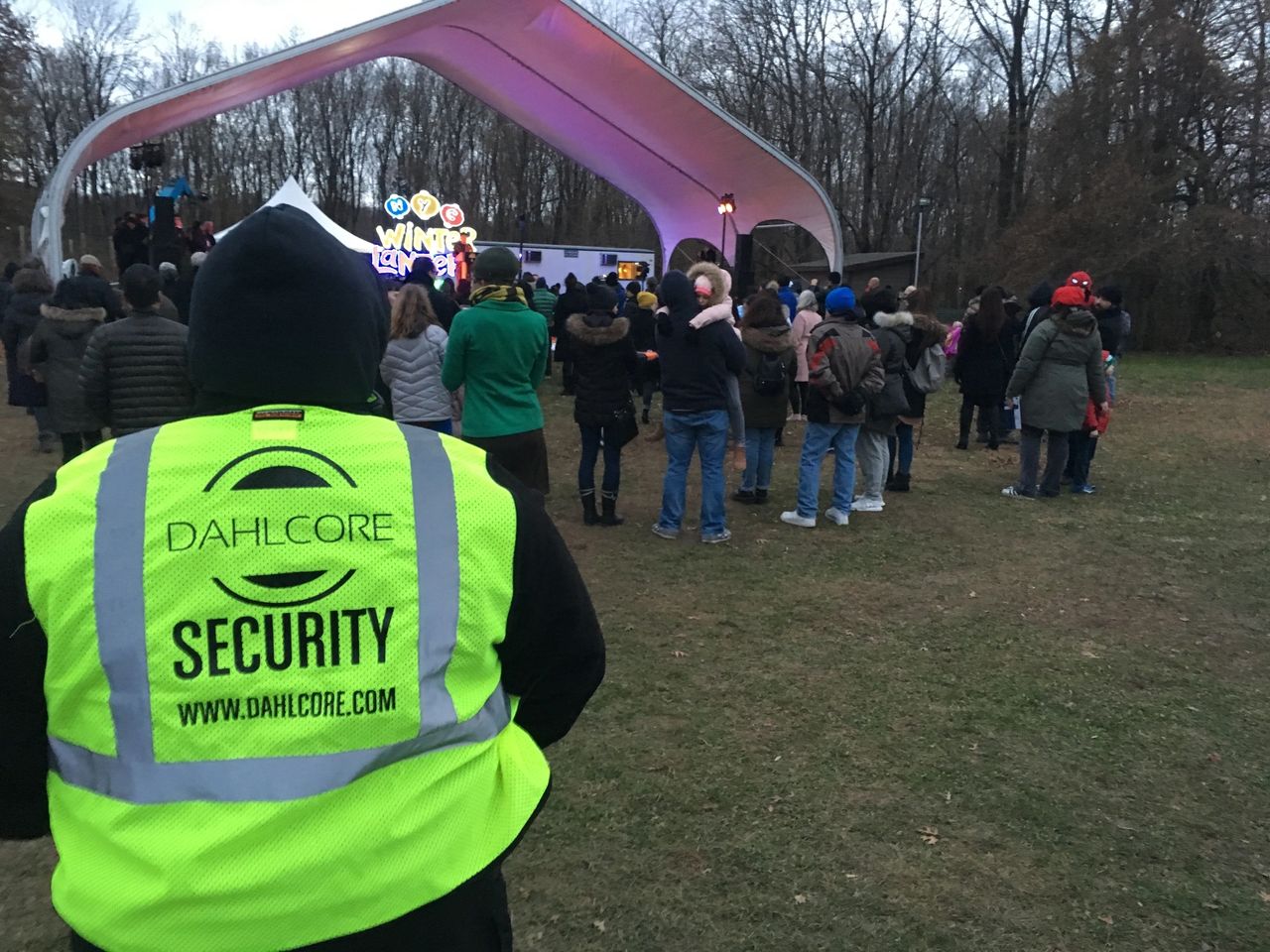
Music festivals are large, dynamic events that bring people together for a shared cultural experience. However, their very nature presents significant challenges in terms of safety, security, and crowd management. With tens of thousands of attendees, staff, and performers all converging in one space, festival organizers must implement robust security measures. One of the most critical aspects of this is the presence of trained and professional security guards.
The Importance of Security Guards
Security guards play a crucial role in maintaining safety and order at music festivals. Their primary responsibility is to protect both people and property. Without security guards, the chances of chaos, accidents, or even criminal activities increase significantly. Large crowds can quickly spiral out of control without proper oversight, and security guards are there to prevent this from happening. They act as the first line of defense against potential threats and ensure that festivalgoers can enjoy the event without undue concern.
Crowd Control at Music Festivals
At any significant event, particularly music festivals, managing the crowd is one of the biggest challenges. Security guards are responsible for ensuring that the flow of people into and out of the event is orderly and safe. They monitor entrances and exits, ensuring that there’s no overcrowding, which can lead to dangerous stampedes or bottlenecks. Additionally, security personnel are often stationed within the crowd itself to monitor for any unsafe behavior or overcrowded areas.
Crowd control extends beyond managing foot traffic. Security guards also help maintain a safe environment by breaking up overcrowded areas, directing people to less congested sections, and controlling the movement of the crowd during emergencies or sudden changes in the schedule. Their presence helps to reassure attendees that their safety is being prioritized.
Preventing Unlawful Activities
One of the most significant reasons why security guards are essential at music festivals is to prevent unlawful activities. Large gatherings, especially in outdoor or semi-controlled environments, can become targets for drug-related offenses, theft, and other illegal behavior. Security guards are trained to spot suspicious activities and take action when necessary to prevent crimes from occurring. They patrol the festival grounds, keeping an eye on attendees and working with law enforcement when illegal activities are identified.
Security teams often coordinate with local police to ensure that those attempting to bring illegal substances or engage in criminal behavior are dealt with swiftly. This not only helps to keep the festival atmosphere enjoyable but also prevents the event from being marred by legal issues.
Ensuring Event Compliance
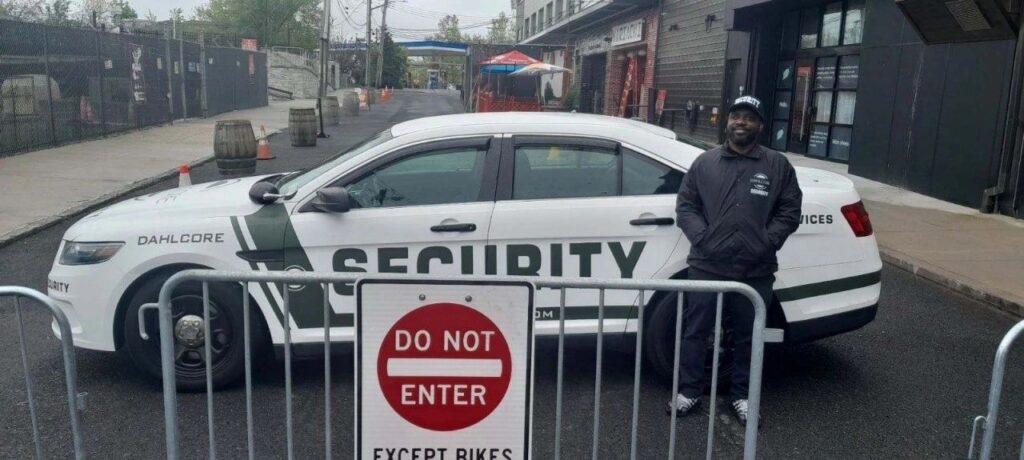
Music festivals are typically subject to local laws and regulations that are meant to ensure the safety of everyone involved. Security guards are tasked with ensuring that the event complies with these laws. They work closely with event organizers and local authorities to enforce rules about alcohol consumption, smoking, and noise levels.
Guards also ensure that the festival adheres to its capacity limits and zoning regulations, preventing overcrowding that could lead to accidents. They might also be responsible for ensuring that stages and structures meet safety standards, working in conjunction with event planners to create a secure environment.
Protecting Performers and Staff
While festival attendees are a key concern for security personnel, it’s equally important to ensure the safety of performers and staff. Many high-profile performers require additional security, both to protect them from overzealous fans and to guard against any potential threats. Security guards are often stationed near stages, dressing rooms, and other areas where artists or event staff might be vulnerable.
In some cases, specific guards are assigned to performers as personal security, ensuring their safety as they move around the festival grounds. This allows artists to focus on delivering their best performances without worrying about their safety.
Emergency Response Preparedness
Despite the best planning, emergencies can occur at any festival. Whether it’s a medical emergency, fire, or another crisis, security guards are trained to respond quickly and efficiently. They often work alongside medical teams and other emergency personnel to provide immediate assistance. This can range from crowd evacuation to giving first aid until paramedics arrive.
Having trained security personnel on-site ensures that any incidents are handled promptly, minimizing the risk to festivalgoers and staff. In the event of a large-scale emergency, such as severe weather or a security threat, security guards are vital in directing the crowd to safety and coordinating with first responders.
Controlling Access to Restricted Areas
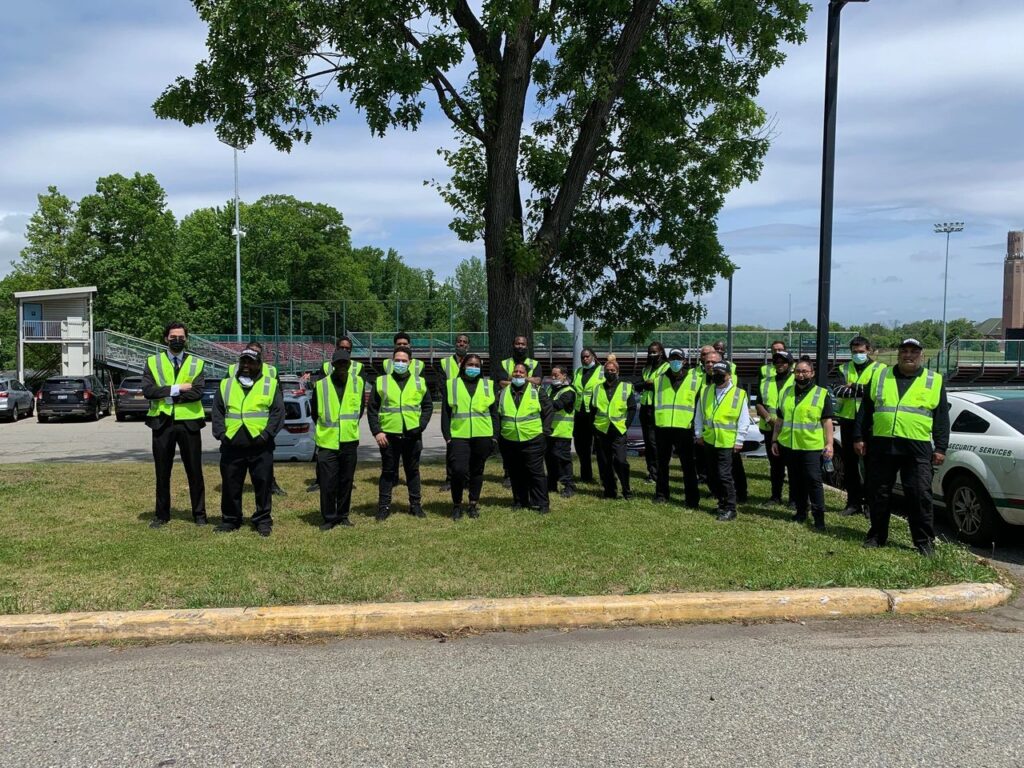
Music festivals often feature several restricted areas, including VIP sections, backstage zones, and areas for staff only. Security guards are responsible for ensuring that only authorized personnel can access these areas. This involves checking wristbands, badges, or other forms of identification to verify that individuals have the appropriate clearance.
By controlling access to these areas, security guards help to maintain the integrity of the event, prevent overcrowding in sensitive areas, and protect the privacy and safety of performers and staff.
Preventing Unauthorized Entry
Another critical role of security guards at music festivals is preventing unauthorized entry. With large crowds, it’s common for some individuals to try sneaking into the festival without purchasing tickets. Security guards stationed at the entrances and perimeter of the event ensure that only those with valid tickets or credentials can enter. This helps maintain crowd control and ensures the event’s revenue is protected.
Security teams may also set up checkpoints or patrol fence lines to deter and catch trespassers. By doing so, they ensure that the event is attended only by those who have paid and are accounted for, reducing the risk of overcrowding and keeping the festival manageable and safe.
Handling Conflicts and Disputes
Conflicts are bound to arise in any large gathering. Whether it’s a minor argument between attendees, an issue with staff, or even more severe altercations, security guards are trained to step in and de-escalate situations. Their ability to manage disputes before they escalate into violence is critical in maintaining a peaceful atmosphere at music festivals.
Security personnel often mediate disagreements, help resolve ticketing issues, or intervene when a situation becomes physically threatening. They are trained to act with authority yet remain calm and composed, using conflict resolution techniques to ensure the safety and enjoyment of everyone involved.
Managing Lost and Found
Music festivals are chaotic environments, and attendees frequently lose personal belongings like phones, wallets, or even bags. Security guards often assist in managing lost-and-found services, helping people recover their lost items. By having a dedicated team to oversee lost and found, security ensures that attendees can enjoy the festival without worrying too much about misplaced items.
Security personnel stationed at these areas help organize the process, making sure that the proper belongings are returned to their rightful owners. This service not only improves the overall experience for festivalgoers but also builds a sense of trust and goodwill between the event organizers and attendees.
Artist and VIP Protection
High-profile artists and celebrities are frequent guests or performers at music festivals, drawing large crowds and media attention. To ensure their safety, security personnel implement strict protocols, including managing access to backstage or VIP areas and screening for potential threats. They coordinate closely with event organizers to control crowd movement and prevent unauthorized access. Additionally, security teams often work discreetly to maintain a low-profile presence while still ensuring the safety of high-profile individuals.
Training and Expertise of Security Guards
The effectiveness of security at music festivals depends mainly on the training and expertise of the security personnel. Most festival security guards undergo rigorous training in areas such as crowd control, conflict resolution, emergency response, and communication. This specialized training equips them with the necessary skills to handle the unique challenges that arise in a festival setting.
In addition to basic training, many security guards at larger events are required to have certifications in first aid, CPR, and crisis management. Their ability to quickly assess situations, make decisions under pressure, and coordinate with other emergency services is invaluable in maintaining a safe environment.
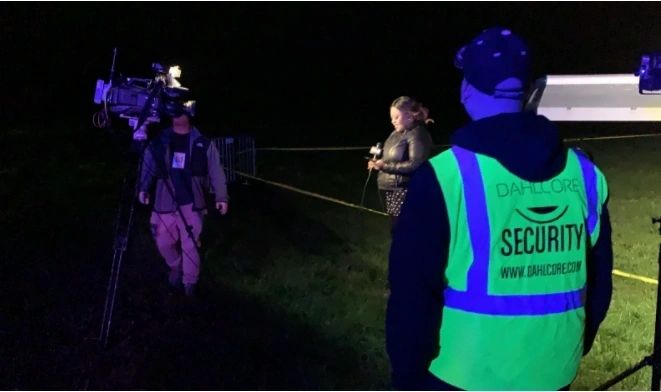
Working with Law Enforcement
Collaboration between private security and local law enforcement is essential at significant events like music festivals. Security guards often work in tandem with police officers to ensure that all areas of the event are properly monitored and that any incidents are swiftly addressed.
In the event of a severe issue, such as a crime or emergency, security guards act as the first point of contact. They communicate directly with law enforcement to relay vital information, provide crowd control, and assist with investigations if needed. This partnership enhances the overall security strategy, ensuring that both private and public safety forces are working together toward the same goal—keeping the festival safe.
Technological Tools for Security
In today’s digital age, technology plays an increasingly important role in event security. Music festivals often employ a range of technological tools to enhance the capabilities of their security teams. Surveillance cameras are strategically placed around the venue to monitor crowds, detect suspicious behavior, and capture footage of any incidents.
Some festivals use drones for aerial surveillance, which allows security teams to monitor large areas more efficiently. Additionally, two-way radios, mobile apps, and even biometric scanning tools may be used to help security guards communicate, verify attendee identities, and access real-time information.
These technological advancements, combined with the expertise of security personnel, help to create a safer, more controlled environment at music festivals.
Frequently Asked Questions (FAQs)
Why do music festivals need security guards?
Security guards are essential to maintaining the safety and order of music festivals. They handle crowd control, prevent illegal activities, protect performers and staff, and respond to emergencies, ensuring a safe and enjoyable experience for all attendees.
How do security guards control crowds at festivals?
Security guards manage the flow of attendees entering and leaving the festival, prevent overcrowding, and break up congested areas. They also monitor the crowd for unsafe behavior and direct people to safety in case of emergencies.
What kind of training do festival security guards have?
Festival security guards undergo specialized training in areas such as crowd control, conflict resolution, emergency response, and first aid. This prepares them to handle the unique challenges of large-scale events.
How do security guards prevent illegal activities at music festivals?
Security personnel are trained to spot suspicious behavior and coordinate with law enforcement to prevent drug use, theft, and other criminal activities. They patrol the event and work closely with local authorities to maintain safety.
How do security guards work with law enforcement at music festivals?
Security teams often collaborate with police officers to monitor the festival, respond to incidents, and provide crowd control. This partnership ensures that both public and private security efforts are aligned to keep the event safe.
What technology is used by security guards at music festivals?
Security guards may use tools like surveillance cameras, drones, two-way radios, and mobile apps to monitor crowds, communicate efficiently, and manage incidents in real time. Some festivals even use biometric scanning to enhance security.
Conclusion
Security guards play an indispensable role in the success of music festivals, ensuring the safety of attendees, staff, and performers alike. From crowd control to emergency response, they are essential for maintaining order and preventing unlawful activities. Their training and collaboration with law enforcement and technological tools help manage the unique challenges of large-scale events, making music festivals not only enjoyable but also secure.
Without security guards, music festivals would face increased risks of chaos, accidents, and criminal activity, putting the safety and well-being of everyone at risk. Their presence reassures festivalgoers that they can enjoy the music, the atmosphere, and the community without worrying about their safety. Ultimately, the success of any festival depends on a well-coordinated security plan, and professional security guards are at the heart of that plan.
Explore our other blog posts here
Pros and Cons of Armed Guards in Schools: Key Insights
Importance of Personal Safety Apps: Are You Protected?
