

Last Updated: April 13, 2026
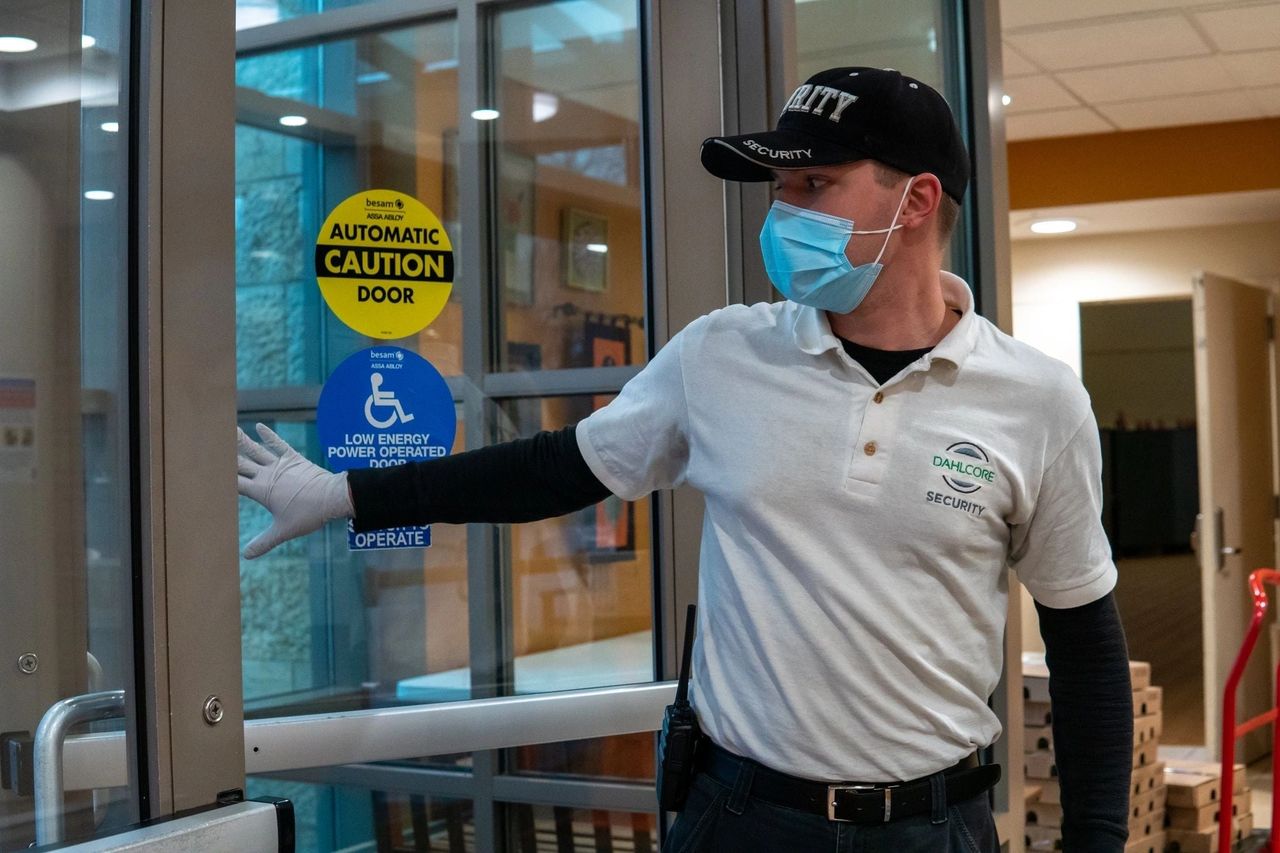
An NYC doorman is the resident-facing gatekeeper for a building’s front entrance—greeting residents and guests, controlling access, managing visitors, and coordinating packages and deliveries. They’re most common in Manhattan and other high-density neighborhoods in co-ops, condos, and rental high-rises. Shifts typically cover mornings, evenings, overnights, weekends, and holidays.
Who this is for: Job seekers exploring doorman work, co-op/condo boards and building managers evaluating lobby coverage, and property owners comparing doormen vs lobby security staffing.
NYC doorman: A front-door professional responsible for resident/guest interface plus entry control—often working closely with a concierge, porter, superintendent, and building manager.
Primary responsibilities:
- Greeting residents/guests and creating a professional lobby experience
- Access control and visitor management (verification, call-ups, sign-in rules)
- Package handling and package room coordination
- Incident awareness and escalation (following “post orders”)
Common tools:
- Visitor logs (digital or paper), fobs/keys, intercoms
- CCTV monitoring (when assigned)
- Radios/phones, incident log templates, package tracking systems
Doorman vs Concierge vs Security Guard in NYC
Doorman
- Primary purpose: Resident/guest interface + front-door control
- Typical tasks: Greeting, door monitoring, visitor handling, packages
Concierge
- Primary purpose: Service coordination
- Typical tasks: Reservations, calls, deliveries, resident requests
Security guard
- Primary purpose: Threat deterrence + response
- Typical tasks: Patrols, incident response, reporting, access control
Key difference: A doorman is usually the “front door + relationships” role, while a security guard’s role is explicitly security-focused and may require formal registration/training depending on how the job is classified. If a building is hiring for a “security guard” position (not a doorman), New York State requires registration and specific training through the NYS authorities.
What Does an NYC Doorman Do Each Day?
Daily work depends on the building type (co-op, condo, rental high-rise), neighborhood (Manhattan, Brooklyn, Queens, Bronx, Staten Island), staffing model, and the building’s post orders.
Morning: Deliveries + Departures
- Receive early deliveries (newspapers, groceries, dry cleaning) and keep package handling organized.
- Coordinate with porters and maintenance so the lobby stays clean, safe, and calm.
- Help residents heading out (taxis, umbrellas, quick directions, building reminders).
Midday: Visitor Management + Operations Rhythm
- Manage contractors, movers, and service vendors using building rules (IDs, call-ups, elevator protection, time windows).
- Track repeat visitors and recognize patterns that don’t fit the building’s normal flow.
- Maintain a clear incident log when something unusual happens (policy-based, factual, no drama).
Evening: Access Control + Resident Experience
- Handle guest arrivals, food delivery traffic, and package surges.
- Coordinate with the concierge/front desk if the building separates those roles.
- Maintain discretion for high-profile residents, family situations, and private events.
Overnight: Calm Until It Isn’t
- Keep vigilance high during quiet hours (late arrivals, lockouts, alarms, emergency calls).
- Follow post orders precisely—especially escalation steps and who to contact.
Hours, Scheduling, And Shift Patterns
NYC doorman schedules vary by building size and union/non-union structure, but common patterns include:
- 8-hour shifts (morning/evening / overnight)
- 10–12-hour shifts in smaller buildings
- Rotating weekends and holiday coverage
- Extra coverage during move-ins/outs and peak delivery seasons
Practical reality: consistency and reliability often matter as much as “great service,” because buildings run on routines.
Skills That Make a Top Doorman
Customer Service (Without Losing Control)
- Warm greetings + firm rule enforcement can coexist.
- Calm communication lowers conflict with residents, guests, and delivery drivers.
Access Control + Situational Awareness
- Recognize residents and expected guests.
- Notice tailgating, loitering, or “confidence tricks” (people acting as if they belong).
Incident Reporting (Clear, Factual, Useful)
- Time-stamped notes of what happened, who was present, and what action was taken.
- Escalate per post orders (superintendent, building manager, on-call security, 911).
Discretion and Trust
- Privacy is the product in many luxury residential buildings—especially in Manhattan.
- A strong doorman avoids gossip, protects the resident’s routines, and stays professional.
Physical Stamina
- Standing for long periods, managing doors in bad weather, and handling delivery flow.
Pay Ranges & Factors
Published pay estimates vary by source, job scope, and whether tips are included, but PayScale reports an average base hourly rate for a doorman in New York, NY, of $22.46 (2026), with lows and highs depending on the dataset.
What drives pay up or down (without overstating figures):
- Building type and expectations (basic lobby attendant vs. luxury residential building)
- Schedule difficulty (overnights, weekends, holidays)
- Experience and professionalism (incident handling, resident relations)
- Union vs. non-union roles (benefits and wage standards may differ)
- Scope creep (handling packages, service elevator control, key control, CCTV monitoring)
Union note: SEIU 32BJ includes “doorpersons” among other essential building service workers in New York City’s multifamily housing sector.
How to Become a Doorman in NYC
Requirements vary by building, management company, and whether the position is a classic doorman role, a concierge role, or posted as a security guard role.
Common building expectations (typical, not legal advice):
- Strong communication and reliability (attendance matters)
- Professional appearance and lobby etiquette
- Comfort with visitor management, packages, and resident requests
- Willingness to follow post orders and document incidents
Important distinction (security-licensed roles):
If a job is classified as “security guard” work, New York State outlines required training such as an 8-hour pre-assignment course and a 16-hour on-the-job course (within 90 days of employment), plus annual in-service training to maintain registration.
NYC’s business guidance also notes that to be a security guard in New York State, registration is through the New York State Department of State.
Day-in-The-Life Timeline
Example evening shift in a busy condo lobby:
- 2:45 PM: Arrive early, read post orders, check lobby handoff notes.
- 3:00 PM: Take post; confirm package room status and expected vendor visits.
- 4:00 PM: Contractor arrivals; verify access rules, manage elevator flow.
- 5:30 PM: Resident rush; greetings + door control; prevent tailgating.
- 6:30 PM: Delivery peak; organize packages; reduce lobby congestion.
- 8:00 PM: Guest arrivals; call-ups; maintain discretion and composure.
- 10:30 PM: Quiet period; log issues; reset lobby; prep for overnight handoff.
- 11:00 PM: Shift handoff with incident notes and pending deliveries.
Real scenarios from the lobby
1) Delivery rush overload
A wave of food and package deliveries hits at once. The doorman prioritizes access control first, then routes deliveries to the correct process (call-up, package room, concierge handoff) to keep the lobby from turning into chaos.
2) Resident dispute at the front door
Two residents argue loudly in the lobby. The doorman stays neutral, focuses on safety, keeps voices low, and follows escalation steps in post orders if the situation risks becoming physical.
3) Suspicious person “blending in.”
A person enters behind a resident and heads toward the elevators. The doorman uses polite verification (“Who are you visiting?”), follows visitor management rules, and escalates when the person refuses to comply.
4) Emergency: alarm / medical event
A resident reports a medical emergency. The doorman follows the building’s emergency protocol, calls for help as directed, controls elevator/lobby access, and documents actions taken in an incident log.
5) Lost keys/lockout
A resident is locked out late at night. The doorman follows key control rules (never improvises), contacts authorized staff, and logs the event.
FAQ
Q: What does an NYC doorman do?
A: An NYC doorman greets residents and guests, controls front-door access, manages visitors, and helps coordinate deliveries and packages in a residential building.
Q: Do NYC doormen provide security?
A: Many doormen contribute to safety through access control and awareness, but a “security guard” role is more explicitly security-focused and may involve formal registration and training.
Q: Doorman vs security guard—what’s the difference?
A: Doormen are usually resident-facing and service-oriented with entry control, while security guards are hired primarily for deterrence, patrol/response, and incident reporting.
Q: Doorman vs concierge—what’s the difference?
A: A concierge typically coordinates services and resident requests, while a doorman focuses on the entrance, greetings, and controlled access.
Q: What skills do the best NYC doormen have?
A: Strong customer service, calm conflict handling, excellent memory for residents, discretion, and consistent rule-following (post orders).
Q: What are the common doorman shift hours in NYC?
A: Many buildings cover morning, evening, and overnight shifts, including weekends and holidays, depending on staffing and building needs.
Check other blogs:
Customer Service Responsibilities of Security Guards
Enhancing Hospital Security Personnel: Advanced Training Methods
