

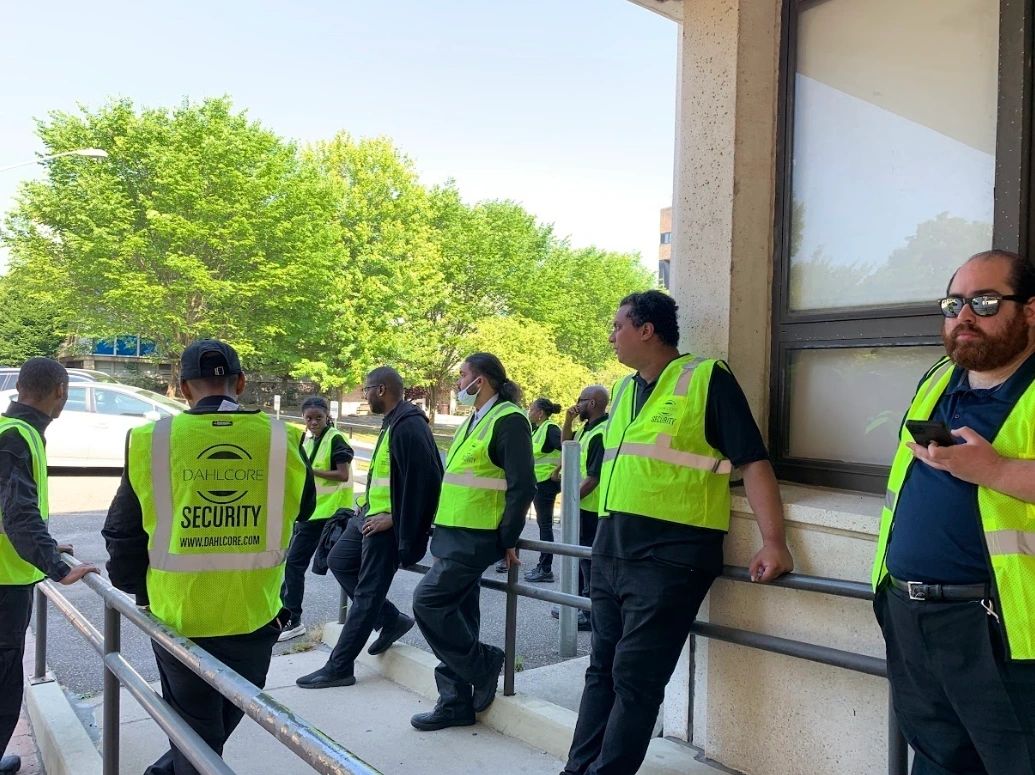
Security guarding can be arduous and demanding in today’s fast-paced world due to the constantly evolving nature of potential threats. Guards must protect people, property, and assets from dangers such as theft, vandalism, and violence. To excel in their profession, guards must possess a wide range of skills beyond physical abilities, including keen observation, effective communication, and problem-solving. This guide outlines the essential skills every security guard should have to ensure maximum safety, professionalism, and the ability to respond effectively to any situation.
Vigilance and Observation
A security guard must maintain a high level of vigilance, staying aware of their surroundings at all times to ensure safety. This involves identifying potential threats or unusual activities swiftly, which requires sharp observation skills and acute attention to detail. Their role demands the ability to assess situations accurately and respond appropriately, often under pressure, to prevent incidents before they escalate. Additionally, security guards need strong communication skills to report incidents clearly and collaborate with law enforcement or emergency services when necessary.
Communication
Effective communication is crucial for security guards to ensure timely and accurate information is shared with colleagues, supervisors, and law enforcement officers, facilitating a coordinated response to any situation. This ability helps in managing potential threats and ensures that all team members are aware of the current status and any changes. Additionally, security guards need excellent interpersonal skills to interact professionally with clients and the general public, which helps in building trust and maintaining a positive environment. These skills also enable them to de-escalate conflicts and address concerns in a calm and respectful manner.
Critical Thinking and Problem-Solving
Security guards often encounter unpredictable situations that demand swift decision-making and innovative solutions to ensure safety and order. They need to accurately assess potential threats, analyze various strategies, and select the most effective approach to address challenges without compromising security. Their role involves balancing assertiveness and diplomacy, often requiring them to de-escalate tense situations with tact and professionalism.
Physical Fitness and Endurance
While not all security guard roles involve physical confrontation, maintaining physical fitness and endurance is essential for several reasons. Guards often need to patrol large areas, which requires stamina and the ability to walk or stand for long periods. Additionally, they must be prepared to respond quickly to emergencies, requiring agility and strength to perform their duties effectively and ensure safety.

Knowledge of Security Procedures and Laws
An effective security guard relies on knowledge to ensure safety and compliance. They must be well-versed in security procedures, policies, and relevant laws to handle various situations with confidence and accuracy. By staying informed, they can make decisions that align with both legal requirements and ethical standards, contributing to a secure environment for everyone involved.
Situational Awareness
Situational awareness is the ability to identify, process, and comprehend information about the environment in which security guards operate. This skill involves:
- Monitoring their surroundings continuously to detect unusual behavior or events.
- Understanding the baseline of a normal environment so deviations can be spotted quickly.
- Anticipating potential problems by recognizing cues that could indicate a threat.
Emergency Response
Emergency response skills are vital for security guards to effectively manage unexpected situations such as medical emergencies, fires, or breaches of security. These skills include:
- First Aid and CPR: Knowledge of basic first aid and CPR can be life-saving in emergency situations.
- Evacuation Procedures: Understanding and executing proper evacuation protocols to safely guide people during emergencies.
- Crisis Management: Ability to stay calm under pressure and manage a crisis effectively until professional help arrives.
Customer Service Skills
Security guards are frequently the first individuals that clients and visitors interact with, making them essential in setting the tone for any business environment. Therefore, it’s crucial for them to have excellent customer service skills to effectively assist visitors, respond to questions, and handle any concerns with patience and clarity. Additionally, maintaining a professional demeanor not only ensures a positive impression but also reinforces a sense of safety and trust within the premises.
Conflict Resolution and De-escalation
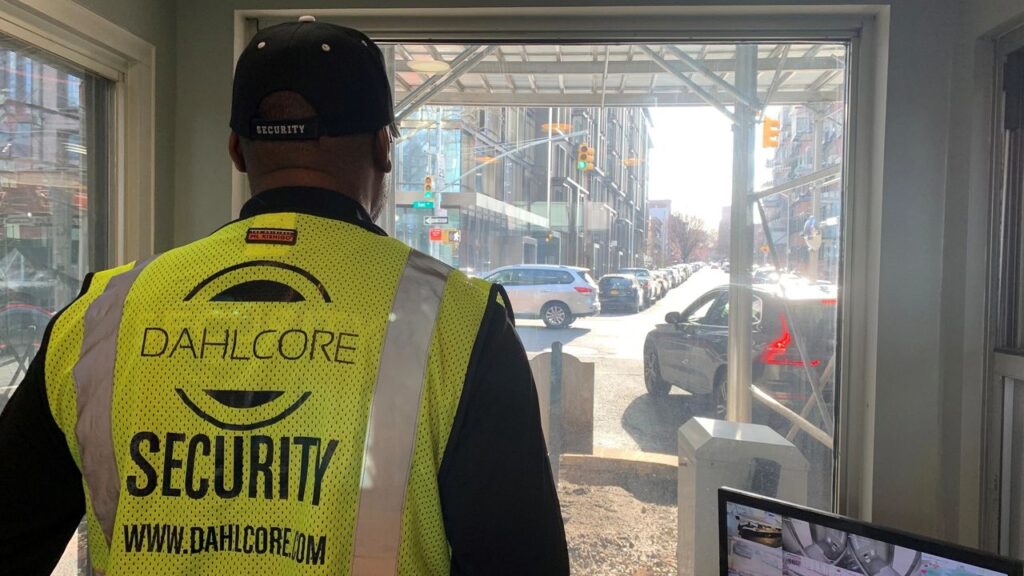
Security guards play a crucial role in maintaining safety by addressing conflicts before they escalate, ensuring that situations remain under control. Their ability to stay calm and composed under pressure is vital, allowing them to use communication skills and de-escalation techniques effectively. By prioritizing peaceful resolutions, they help create a secure environment for everyone involved.
First Aid and CPR
Security guards play a vital role during emergencies, as their ability to administer first aid or CPR can be the difference between life and death. Their training equips them to respond swiftly and effectively, stabilizing situations until professional medical help arrives. This responsibility underscores the importance of continuous training and preparedness, ensuring they are always ready to act when needed.
Professionalism
Professionalism in security involves adhering to ethical standards and demonstrating respect, integrity, and discretion. Elements include:
- Adhering to Legal Guidelines: Understanding and following the laws applicable to the jurisdiction and the property they are protecting.
- Uniform and Appearance: Maintaining a neat appearance and wearing the uniform properly as it signifies authority and professionalism.
- Confidentiality: Keeping sensitive information secure and private.
Teamwork
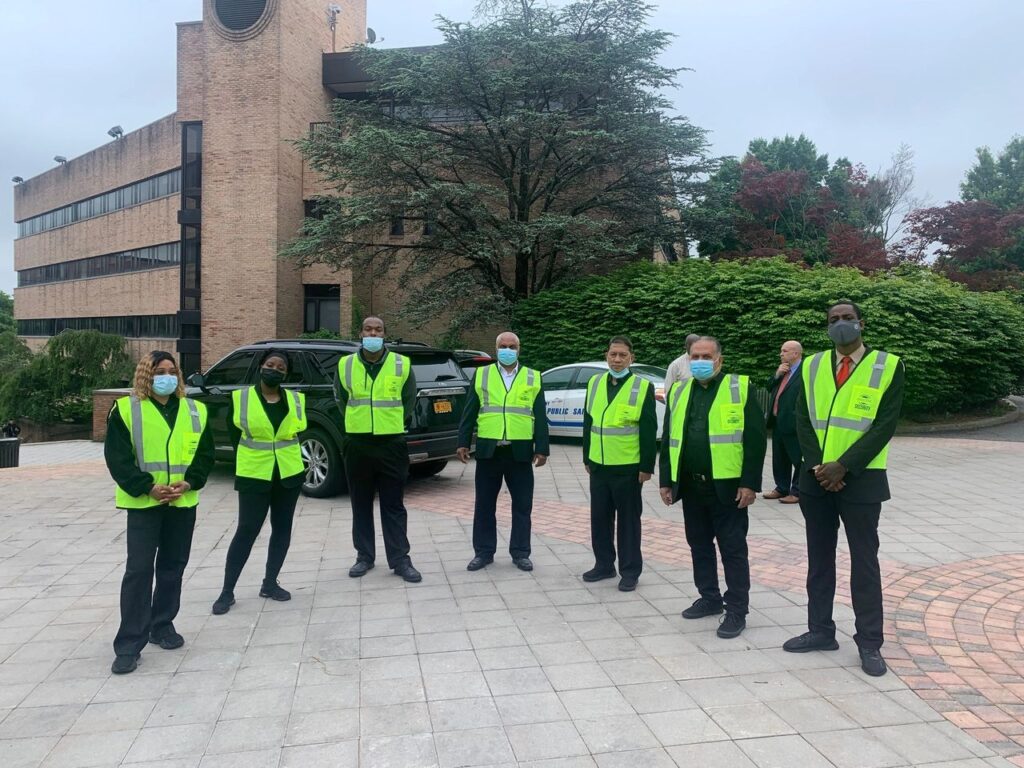
Teamwork is crucial in security work where collaboration with colleagues ensures comprehensive surveillance and safety. Effective teamwork involves:
- Communication: Sharing information promptly and accurately with team members.
- Reliability: Being dependable, so team members can count on one another in critical situations.
- Support: Providing backup and support to colleagues during emergencies or when managing difficult situations.
Technological Proficiency
In today’s rapidly evolving digital landscape, security guards need to master various technological tools to effectively perform their duties. This includes proficiency with advanced surveillance systems, modern access control software, and reliable communication devices. Staying current with these technological advancements is crucial for maintaining the highest standards of security and ensuring they provide top-notch service in an ever-changing environment.
Adaptability and Flexibility
Security work can often be unpredictable, requiring guards to navigate a wide range of scenarios with flexibility and composure. They may face abrupt changes in their schedules, such as unexpected shift changes or emergency calls, that demand immediate adjustments. Additionally, varying environments and evolving situations necessitate a high level of adaptability to ensure their responses remain professional and effective.
Decision-making
Decision-making skills are essential for security guards as they often need to make quick judgments in high-pressure situations. This skill set includes:
- Evaluating Situations Quickly: Assessing scenarios swiftly to determine the best course of action.
- Prioritizing Actions: Determining which actions to take based on the severity and immediacy of the situation.
- Moral Judgment: Making decisions that align with ethical standards and legal requirements.
How do you get essential security guard skills?
Gaining essential security guard skills typically involves a combination of formal training, practical experience, and continuous education. Steps to develop these skills include:
- Formal Training: Enroll in certified security training programs that cover critical skills such as first aid, legal aspects, and emergency procedures.
- On-the-Job Training: Gain experience under the supervision of experienced security personnel.
- Continuing Education: Keep up-to-date with the latest security practices and technologies through workshops, seminars, and courses.
- Physical Fitness: Regular physical activity to ensure readiness for physically demanding situations.
- Practice Simulations: Participate in scenario-based training exercises to improve decision-making and emergency response skills.
Frequently Asked Questions about Security Guard Services
Q1: What types of businesses and organizations can benefit from security guard services?
A: Security guard services can benefit various businesses and organizations, including retail stores, office buildings, hospitals, schools, banks, hotels, and event venues. Furthermore, residential communities, construction sites, and industrial facilities could all find these services invaluable.
Q2: Are security guards required to be licensed?
A: Licensing requirements for security guards vary depending on the jurisdiction. In many countries and states, security guards must obtain a license or registration to work in the industry. This often includes completing specific training courses, background checks, and meeting other requirements set by local authorities.
Q3: What kind of training do security guards receive?
A: Security guards typically undergo comprehensive training programs that cover various topics such as security procedures, legal and ethical guidelines, communication, conflict resolution, first aid, and emergency response. Many security guard companies provide ongoing training and professional development opportunities to ensure their employees stay up-to-date with industry best practices.
Q4: How do I know if my business needs security guard services?
A: To determine whether your business requires security guard services, consider factors like the type and value of assets, potential threats, crime rates in the area, and any specific security needs or concerns. Consulting a security expert or conducting a security risk analysis will assist in making an informed decision.
Q5: How can I ensure I am hiring a reputable security guard company?
A: Thoroughly research potential providers to ensure that you hire a reputable security guard company. Look for businesses with a proven track record, positive client reviews, and proper licensing and insurance. Inquire about their training programs, employee screening processes, and the technology they use.
Conclusion
An effective security guard must possess an array of skills beyond physical abilities. By honing these essential abilities, guards can excel at providing clients and the public with superior protection and professionalism. Ongoing professional development training is vital to remain at the top of this dynamic security industry.
Explore our other blog posts here
20 Reasons To Hire Private Security Guards
How Technology is Transforming Mall Security
Tips for Training Security Guards in High-Risk Construction Areas
Strategies for Protecting Construction Site from Liability Issues
