

Last Updated: January 9, 2026
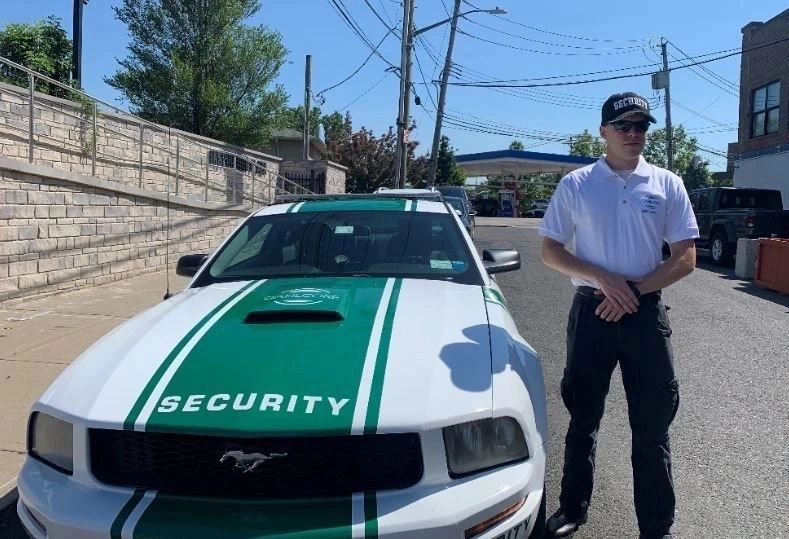
Vehicle patrol security represents the frontline of modern property protection, combining mobility, technology, and trained personnel to safeguard commercial, residential, and industrial properties. Unlike static security posts, vehicle patrol officers perform dynamic security operations that require specific duties, protocols, and legal compliance standards.
Core Patrol Duties & Responsibilities
Vehicle patrol officers execute 12-15 primary responsibilities during each shift, with tasks varying by property type and risk level.
1. Preventive Patrol Operations
Officers conduct randomized route generation to eliminate predictability, identifying high-risk areas through crime pattern analysis. Each patrol includes perimeter security checks, access point verification, and visibility deterrence tactics. Patrol frequency ranges from hourly inspections for high-risk facilities to bi-hourly rounds for standard properties.
2. Surveillance & Threat Detection
Continuous monitoring for suspicious activities, unauthorized access attempts, and safety hazards forms the core surveillance duty. Officers scan for perimeter violations, verify visitor credentials, and identify potential security breaches using both visual observation and technology-assisted detection.
3. Emergency Alarm Response
When alarms trigger, officers must respond within 15 minutes per New York State security standards. Response protocols include:
- Immediate dispatch to alarm location
- Preliminary threat assessment
- Securing the scene perimeter
- Coordinating with law enforcement if criminal activity is confirmed
- Documenting response time and actions taken
4. Incident Documentation & Reporting
Accurate logging is legally required for all patrol activities. Officers maintain digital patrol logs noting:
- Checkpoint verification times
- Suspicious person descriptions
- Property damage or maintenance issues
- Policy violations observed
- Witness statements and contact information
5. Access Control & Verification
Officers manage entry points by verifying identification, enforcing visitor protocols, and ensuring only authorized personnel have access to restricted areas. This includes employee escorts, parking permit verification, and after-hours access management.
6. Parking Enforcement & Traffic Control
Patrol officers monitor parking areas for unauthorized vehicles, verify permit displays, and control traffic flow during emergencies. They investigate minor traffic incidents on private property and assist stranded motorists.
7. Lock & Unlock Services
Scheduled security checks include locking/unlocking facilities at designated times, ensuring all access points are secured, and verifying that alarm systems are properly armed or disarmed.
8. First Responder Responsibilities
Often, the first on-scene officers provide initial response to medical emergencies, fires, and security breaches. Duties include administering first aid, evacuating premises, and directing emergency services to incident locations.
9. Equipment Maintenance Checks
Pre-shift and post-shift equipment inspections ensure operational readiness. Officers test radios, body cameras, GPS systems, and patrol vehicle functionality, reporting any malfunctions immediately.
10. Client Communication & Service
Officers serve as security liaisons, briefing property managers on security concerns, providing status updates, and addressing client-specific requirements. Professional communication with employees, visitors, and residents maintains trust and security awareness.
11. Crime Scene Preservation
When criminal activity occurs, officers secure evidence, prevent contamination, and maintain the chain of custody until law enforcement arrives. This includes photographing scenes, collecting witness information, and restricting access.
12. Weather & Environmental Monitoring
Officers assess weather-related hazards such as ice accumulation, flooding, or storm damage that could impact security. They report unsafe conditions and implement contingency patrol protocols during severe weather.
13. Technology-Assisted Surveillance
Modern patrol vehicles are equipped with GPS tracking, dash cameras, and automated license plate readers. Officers monitor CCTV feeds when available and use mobile reporting apps for real-time documentation.
14. Shift Handover Procedures
Detailed briefings ensure continuity between shifts. Outgoing officers communicate active threats, incomplete investigations, equipment issues, and special instructions to incoming personnel.
15. Continuous Training Compliance
Officers must complete annual refresher courses and maintain current certifications, including NY State 8-Hour Annual In-Service Training, CPR/First Aid, and specialized equipment operation.
Daily Patrol Checklist
Hourly Tasks (Every 60 Minutes)
- Complete perimeter sweep of entire property
- Verify all checkpoint QR codes/NFC tags
- Check for signs of forced entry or vandalism
- Monitor CCTV camera feeds for suspicious activity
- Test radio communication with dispatch
- Document patrol start/end times in digital log
Daily Tasks (Per Shift)
- Conduct 6-8 complete patrol cycles depending on property size
- Inspect all exterior lighting and emergency exits
- Verify parking permit compliance (document violations)
- Perform lock/unlock services at scheduled times
- Complete equipment inventory and maintenance check
- Submit a detailed activity report to the supervisor
- Brief incoming shift on all incidents and concerns
Weekly Tasks
- Review crime statistics for patrol area adjustments
- Test all panic buttons and alarm systems
- Inspect patrol vehicle (tires, lights, fluid levels)
- Update emergency contact lists
- Conduct a supervised training drill with the team
Emergency Response Protocols
Step 1: Immediate Assessment (0-2 minutes)
- Acknowledge alarm or emergency call
- Determine incident type (medical, fire, security breach)
- Assess immediate danger to life and property
- Dispatch to the location while notifying the dispatch center
Step 2: Scene Securing (2-5 minutes)
- Establish a perimeter around the incident area
- Evacuate personnel if life safety is threatened
- Identify and isolate suspects if present
- Preserve evidence and maintain the chain of custody
Step 3: Emergency Services Coordination (5-10 minutes)
- Provide GPS coordinates and access instructions to responders
- Brief arriving law enforcement/fire/medical personnel
- Assist with crowd control and access management
- Document all actions and observations
Step 4: Post-Incident Documentation (10-30 minutes)
- Photograph a scene from multiple angles
- Collect witness statements and contact information
- Complete incident report with timeline
- Notify property management and client representatives
Equipment & Technology Standards
Patrol Vehicle Specifications
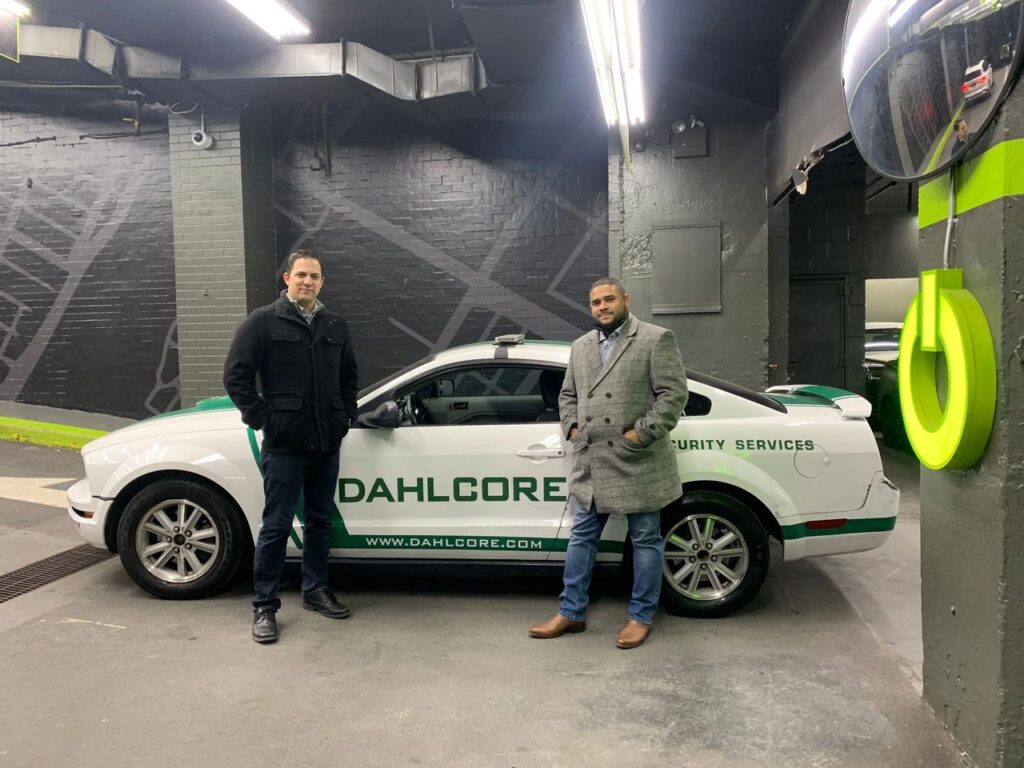
Standard Vehicle: Ford Police Interceptor Utility or equivalent
Key Features:
- Enhanced suspension for rugged terrain
- Integrated light bar with LED emergency signals
- Siren/loudspeaker system for public announcements
- Partitioned prisoner transport area (if authorized)
- Silent 8KW generator for equipment power
Technology Stack
GPS & Tracking: Real-time vehicle location monitoring with route optimization software
Communication: Encrypted two-way radio systems, mobile data terminals
Surveillance: 360-degree dash cameras with night vision, automated license plate readers
Reporting: Mobile apps for digital logging with photo/video upload capability
Access Control: NFC/QR code scanners for checkpoint verification
Personal Gear
- Body-worn cameras with 12-hour battery life
- Duty belt with defensive tools (pepper spray, baton, where authorized)
- Flashlight with strobe function
- First aid kit and AED (Automated External Defibrillator)
- Bullet-resistant vest (for armed officers)
Legal Authority & Limitations
Jurisdiction Boundaries
NY State security guards have the same authority as private citizens—no more, no less. Their authority is strictly limited to the property they are hired to protect. Actions taken beyond these boundaries may result in criminal or civil liability.
Use of Force Regulations
Force must be proportionate to the threat and justifiable under the New York Penal Law. Excessive force can lead to criminal charges and civil lawsuits. Guards may use reasonable force to:
- Protect themselves or others from imminent harm
- Prevent property damage
- Detain individuals for a citizen’s arrest (with strict limitations)
Citizen’s Arrest Limitations
Security guards may detain individuals only when they have reasonable suspicion that a crime has been committed. However, they must immediately contact law enforcement and cannot transport detainees. Illegal detention can result in false imprisonment charges.
Search & Privacy Restrictions
Guards cannot obtain or execute search warrants. Searches require explicit consent from individuals or property owners. Unauthorized surveillance recording in areas where privacy is expected violates the New York General Business Law.
Industry-Specific Patrol Protocols
Construction Site Duties
- Equipment theft prevention through after-hours monitoring
- Contractor access control and credential verification
- Perimeter breach detection in temporary fencing
- Hazardous material storage area surveillance
Retail Property Duties
- Parking lot surveillance for loitering and vehicle break-ins
- ATM anti-skimming device checks
- Employee escort services during late-night closures
- Delivery dock access management
Residential Community Duties
- Perimeter violation monitoring
- Visitor verification and guest registration
- Noise complaint response and mediation
- Amenity area (pool, gym) after-hours security
Frequently Asked Questions
What qualifications are needed to become a vehicle patrol officer in NY?
You must be at least 18 years old, complete an 8-Hour Pre-Assignment Training Course, pass a background check via fingerprinting, and submit the DCJS-85 application with fees ($36-$388 total cost).
How do patrol officers respond to security threats?
Officers follow a 4-step protocol: immediate assessment (0-2 min), scene securing (2-5 min), emergency services coordination (5-10 min), and post-incident documentation (10-30 min). Response time must not exceed 15 minutes for alarm activations.
What equipment do security patrol vehicles carry?
Standard equipment includes GPS tracking, dash cameras, encrypted radios, LED light bars, first aid kits, and automated license plate readers. Armed patrols carry additional defensive tools per New York State regulations.
What is the difference between static and mobile patrol duties?
Static guards remain at fixed posts monitoring specific access points, while mobile patrols cover large areas, provide rapid response across properties, and use vehicle-mounted technology for enhanced surveillance.
How are patrol routes determined and optimized?
Routes are generated using crime pattern analysis, property risk assessments, and GPS optimization software. Randomization prevents predictability while ensuring all checkpoints receive adequate coverage.
How much does vehicle patrol security cost?
Costs vary by property size, patrol frequency, and risk level. NY State licensed patrols typically range from $25 to $45 per hour, with armed services commanding premium rates due to additional training and liability.
What are the most common threats vehicle patrol officers face?
Primary threats include trespassing, vandalism, theft, and confrontations with suspects. Environmental hazards like severe weather and vehicle accidents also pose significant risks.
Company Information: This guide reflects NY State security regulations and NASCO best practices. For licensed vehicle patrol services in Staten Island and NYC, ensure your provider displays current Department of State license numbers and maintains $1M+ liability insurance coverage.
Check other blogs
Essential Security Measures for Long-Term Construction Projects
