

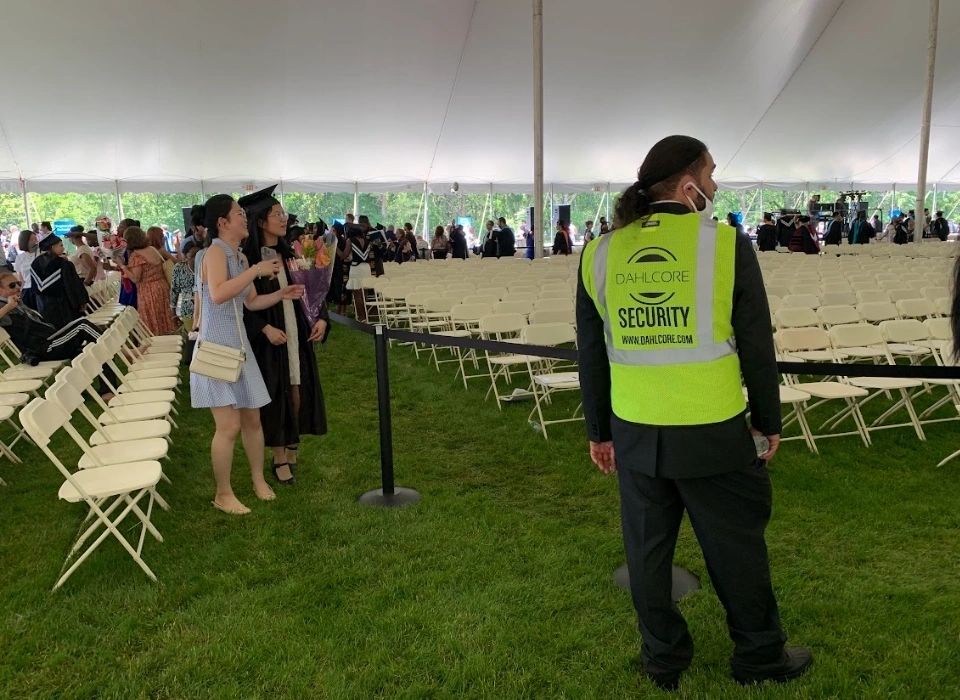
Event planning is not just about picking the right venue or the catchiest themes; it’s fundamentally about ensuring the safety and security of every participant. Understanding the basics of event security is pivotal to preventing unforeseen incidents that could mar your event’s success. The importance of guest safety in event planning cannot be overstated, as it is the backbone of a memorable and successful event. This section delves into the foundational elements of event safety, outlining why it’s crucial to prioritize security measures from the get-go.
Security for an Event: Tips to Keep Your Guests Safe
The cornerstone of any successful event is a robust security plan that caters to the well-being of all attendees. This begins with pre-event security planning, ensuring that all possible scenarios are thoughtfully considered and addressed. Selecting the right security personnel is also paramount, as they will be the frontline defenders of your event’s integrity. Furthermore, establishing effective communication protocols is essential to manage any situation that may arise promptly and efficiently. This section provides a step-by-step guide to creating a comprehensive security plan that keeps everyone safe.
Pre-Event Planning
Risk Assessment
A comprehensive risk assessment for the event involves analyzing past incidents to identify recurring security threats, considering the demographics and behavior patterns of attendees, and assessing the scale and location of the event to determine potential vulnerabilities such as overcrowding, inadequate security measures, or susceptibility to natural disasters. By examining historical data, understanding attendee profiles, and evaluating logistical factors, organizers can effectively anticipate and mitigate potential security risks to ensure the safety and success of the event.
Establishing Security Goals and Objectives
Clear security goals and objectives should be established to address the event’s specific requirements. These goals should encompass the prevention of unauthorized access, guaranteeing participant safety, and implementing efficient emergency response measures. These goals serve as benchmarks to guide the security planning process, ensuring that all aspects of security management align with the event’s distinctive characteristics and potential risks.
Coordination with Local Authorities
Engaging with local law enforcement and emergency services early in the planning process allows for the integration of their specialized expertise and resources into security measures and emergency response protocols. This collaboration ensures a comprehensive approach to addressing potential threats and emergencies, maximizing the effectiveness of preparedness efforts for the community as a whole.
Hiring Professional Security Services
Hiring a professional security company with prior experience managing events of comparable scale and nature is crucial. Verify their licensing credentials and evaluate their track record to ensure they can effectively mitigate potential risks and maintain the safety of attendees.
Venue Security Measures
Access Control
To control entry and exit points effectively, implement a combination of measures such as ticket checks at entrances, issuing wristbands upon entry, and employing electronic scanning systems like RFID or barcode scanners. These methods help ensure that only authorized individuals with valid tickets or credentials can access the venue, enhancing security and preventing unauthorized entry.
Perimeter Security
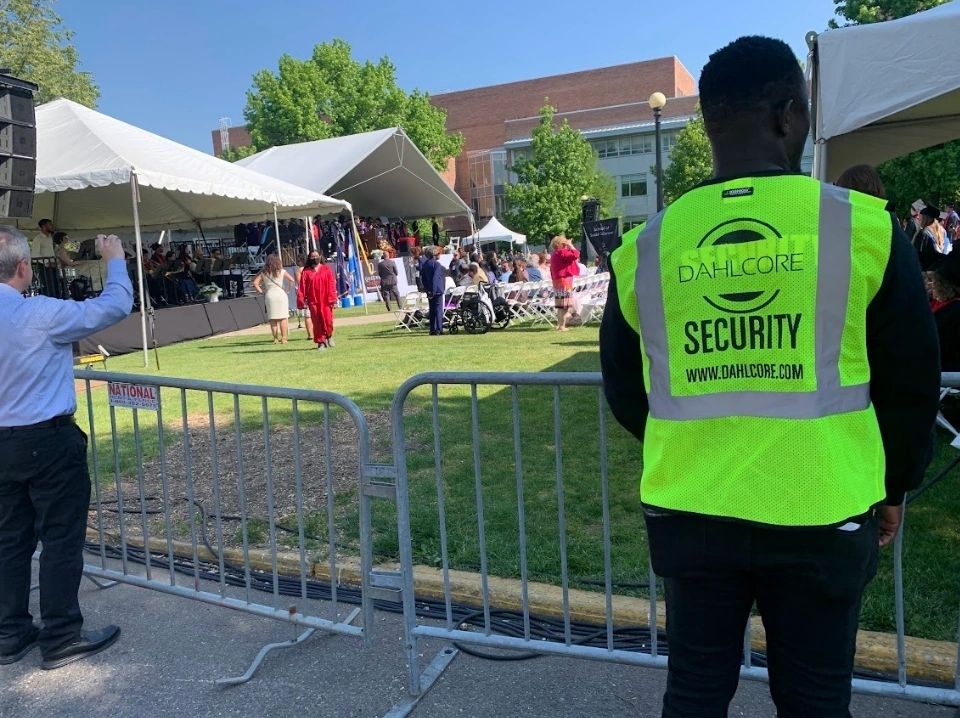
To secure the perimeter of the venue effectively, strategically deploy fencing and barriers to create physical boundaries. Supplemented by trained security personnel stationed at key access points to deter unauthorized entry and monitor the surroundings for any signs of suspicious activity, this ensures comprehensive protection against potential threats. Regular patrols and surveillance can further enhance vigilance and reinforce the integrity of the security measures in place.
Surveillance Systems
Surveillance cameras should be strategically positioned throughout the venue to cover key areas and potential blind spots, enhancing overall security coverage. It is imperative to establish a system where trained security personnel actively monitor the surveillance feeds in real time to swiftly respond to any suspicious activity and effectively deter criminal behavior.
Emergency Exits and Evacuation Plans
Emergency exits should be prominently labeled and easily accessible in any facility. Regular training and briefing sessions should be conducted for all staff and volunteers to ensure they are familiar with evacuation procedures and can respond effectively in emergencies.
Crowd Management
Crowd Control Barriers
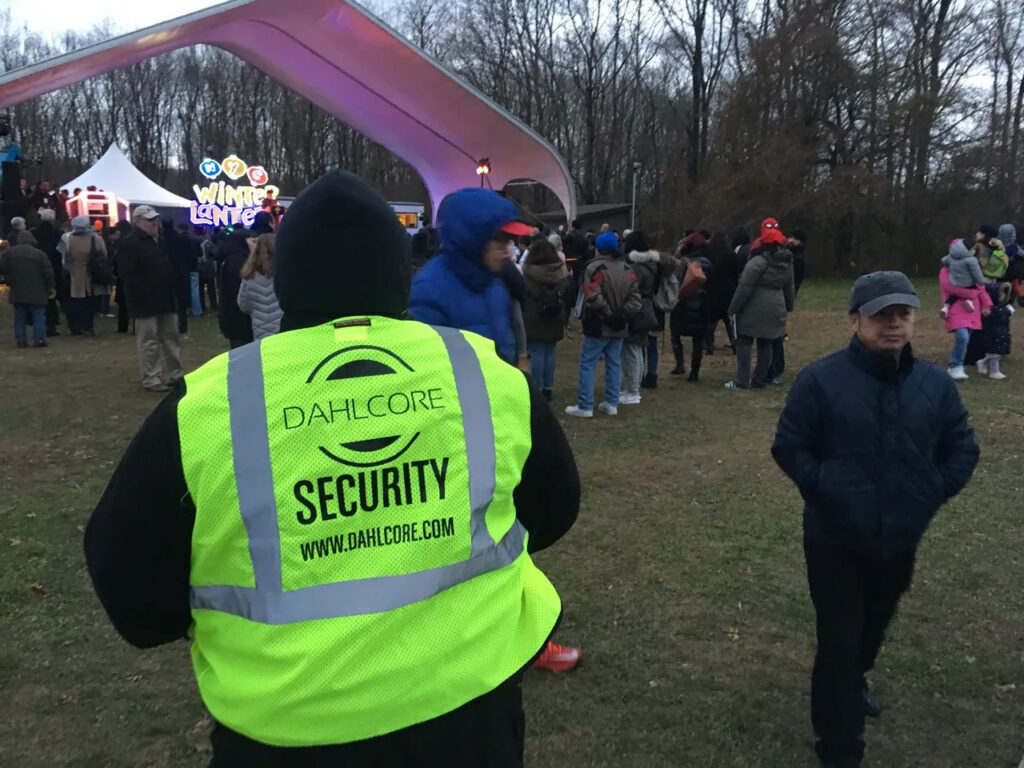
Barriers are strategically placed to direct the flow of crowds and avoid congestion. They create organized queues and separate entry and exit routes, helping maintain order and safety during events or in crowded public spaces.
Designated Entry and Exit Points
To effectively manage attendee flow and mitigate bottlenecks, it’s crucial to clearly designate entry and exit points at event venues with prominent signage and sufficient security personnel staffing. These measures help streamline the movement of attendees, maintain order, and enhance overall safety and satisfaction during the event.
Monitoring Crowd Density
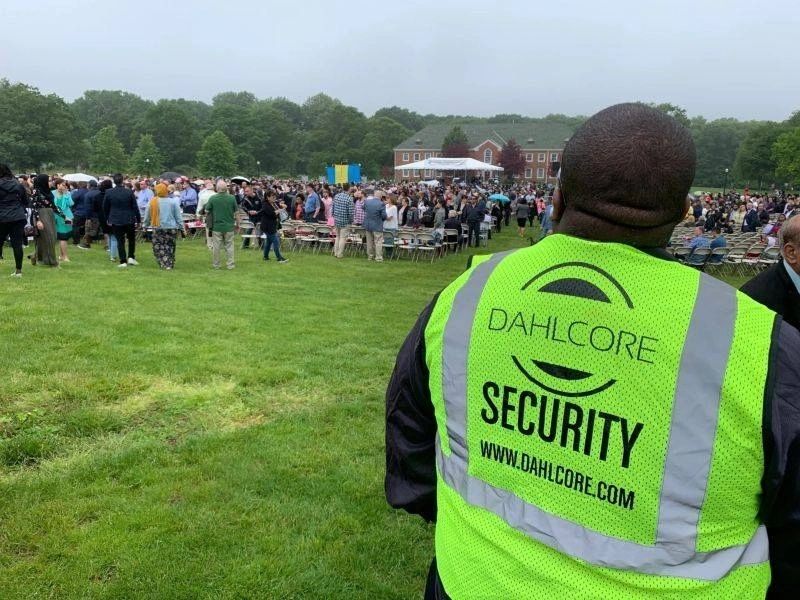
By implementing a combination of trained personnel and advanced technology, authorities can effectively monitor crowd density and movement in various public spaces. This proactive approach not only mitigates the risk of overcrowding but also enables the timely identification of potential hazards, allowing for swift intervention and ensuring public safety.
Staff Training for Crowd Management
Staff and volunteers should undergo comprehensive training sessions covering crowd management techniques and emergency response protocols. This will equip them with the necessary skills to safely guide attendees and effectively address diverse scenarios. This training ensures they are prepared to handle various situations, such as crowd control during peak attendance periods or swiftly responding to emergencies like medical incidents or evacuations.
Personnel Security
Background Checks for Staff and Volunteers
Background checks are essential to screen both staff and volunteers for any prior criminal history that may potentially jeopardize the security of the event. By conducting thorough background checks, event organizers can mitigate risks and ensure a safer environment for all attendees.
Identification Badges for Authorized Personnel
Identifying badges should be distributed to all approved individuals, encompassing staff, volunteers, and security personnel, to facilitate immediate recognition within the designated premises. This measure enhances overall security protocols by swiftly distinguishing authorized personnel from potential unauthorized individuals.
Security Briefing and Training
Providing comprehensive security briefings and training sessions is imperative for all event personnel to ensure they understand security protocols, emergency response procedures, and effective communication methods. These sessions equip staff with the necessary knowledge and skills to effectively handle potential security threats and emergencies effectively, enhancing overall event safety and security measures.
Implementing a Chain of Command
The chain of command among security and event staff is crucial for maintaining order and swift decision-making during the event. Clear delineation of roles and responsibilities ensures that tasks are delegated appropriately, facilitating efficient coordination and response to any incidents that may arise.
Communication Protocols
Establishing Communication Channels
To establish reliable communication channels among event staff and security personnel, a combination of two-way radios and smartphones can be utilized. Two-way radios provide instantaneous communication within specific frequencies, which is ideal for quick updates and coordination. At the same time, smartphones equipped with messaging apps and group chats offer flexibility and documentation capabilities for more detailed exchanges and coordination efforts.
Emergency Communication Procedures
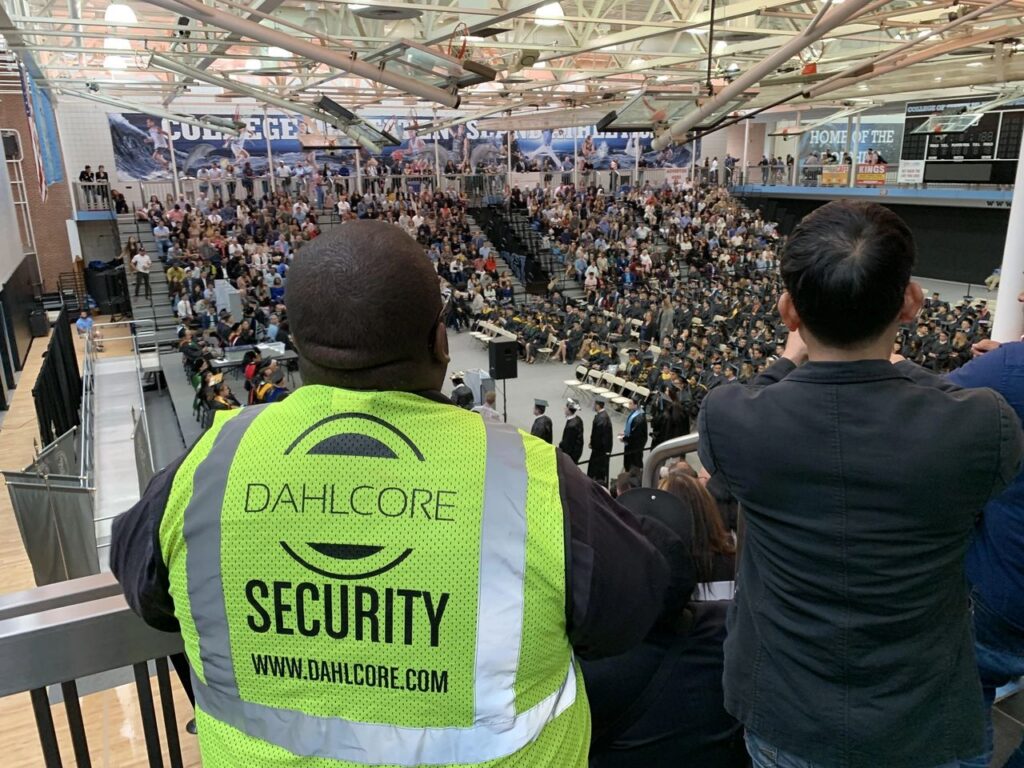
In the event of an emergency or security issue, individuals should immediately contact designated authorities, such as emergency services, security personnel, or management personnel, using established communication channels such as phone numbers or dedicated emergency hotlines. It’s imperative to follow predefined protocols and procedures to ensure swift and effective response, prioritizing the safety and security of all individuals involved.
Code Words and Signals
One approach is to establish a set of predetermined code words or phrases that convey specific instructions or alerts, ensuring clarity and efficiency in communication. Additionally, implementing hand signals or gestures can complement verbal cues, providing an extra layer of discreet communication, particularly in noisy or chaotic environments, enhancing coordination and security measures during critical situations.
Utilizing Technology for Real-Time Updates
Utilizing applications and social media platforms enables seamless dissemination of real-time updates to both staff and attendees, facilitating swift communication of critical information. By leveraging these technological tools, organizations can ensure that everyone involved remains informed and can respond promptly to any developments or changes.
Emergency Preparedness
First Aid Stations
Setting up well-equipped first aid stations and ensuring they are staffed with qualified medical personnel is essential for providing timely assistance in case of emergencies during events. By clearly marking these stations and including them in the event map, attendees can quickly locate them and access the necessary medical attention when needed.
Medical Personnel on Standby
To effectively manage health emergencies, trained medical personnel must be readily available for immediate response. Establishing a clear and concise procedure for escalating medical issues ensures swift and appropriate intervention when necessary, contributing to optimal patient care and outcomes.
Emergency Response Team
The emergency response team is comprised of individuals with specialized roles and responsibilities, including medical personnel for addressing medical issues, security experts for handling security threats, and communication coordinators to liaise with external agencies and ensure effective dissemination of information. Through rigorous training and scenario-based exercises, the team is equipped to respond swiftly and effectively to a wide range of emergencies, ensuring the safety and well-being of those affected.
Contingency Plans for Various Scenarios
Contingency plans for various emergencies, such as natural disasters, medical crises, and security threats, should be systematically developed to ensure adequate response strategies. Regular reviews and updates of these plans are essential to maintaining their relevance and effectiveness in mitigating risks and safeguarding individuals and assets.
Risk Mitigation Strategies
Alcohol and Substance Abuse Prevention
To prevent alcohol and substance abuse, implementing measures such as restricting alcohol sales through licensing regulations and enforcing stringent age verification processes at points of sale can deter underage consumption and limit accessibility. Additionally, providing free water stations at venues where alcohol is served promotes responsible drinking by encouraging hydration and reducing the likelihood of excessive alcohol intake.
Bag Checks and Prohibited Items List
Implementing bag checks at entry points enhances security measures by mitigating the risk of prohibited items being brought into the venue. Clear communication of the list of banned items beforehand and at the venue ensures that attendees are aware of the restrictions, promoting a safer and more organized event environment.
Designated Driver Programs
Encouraging responsible drinking can be effectively achieved by promoting designated driver programs and partnering with local transportation services. By offering safe travel options, such initiatives ensure that attendees can enjoy their time responsibly without endangering themselves or others by driving under the influence.
Security Awareness Campaigns
Awareness campaigns aimed at educating attendees about personal safety involve disseminating information on recognizing potential threats, promoting strategies for reporting suspicious behavior and fostering a culture of mutual respect for boundaries. These campaigns typically employ various mediums, such as workshops, presentations, and informational materials, to empower individuals with the knowledge and skills necessary to navigate social situations safely and responsibly.
Post-Event Evaluation
Debriefing with Security Personnel
During the debriefing, security personnel discussed successfully implementing emergency protocols and swiftly responding to suspicious activities. They also identified areas for improvement, such as the need for clearer communication channels during high-stress situations and enhanced training on new security technologies.
Gathering Feedback from Attendees
Solicit feedback from attendees to provide feedback on their perception of the event’s security measures and their overall sense of safety. Attendees’ input is invaluable in ensuring that future events are conducted with the utmost consideration for the well-being and comfort of all participants.
Assessing Security Effectiveness
In assessing the event’s security measures, it’s crucial to meticulously scrutinize every aspect, from access control to surveillance systems, to evaluate their efficacy in safeguarding against potential threats. Any identified breaches or lapses must be thoroughly investigated to determine their root causes and implement corrective actions to fortify the security posture for future events.
Identifying Areas for Improvement
Analyzing debriefings and feedback allows for the identification of weaknesses in event security, such as vulnerabilities in entry points or insufficient personnel training. By implementing targeted strategies such as enhancing surveillance technology, conducting regular security drills, and investing in comprehensive staff training programs, future event security can be significantly bolstered to mitigate potential risks and ensure the safety of attendees.
FAQs
What are the essential elements of a good event security plan?
A good event security plan should include a comprehensive risk assessment and tailored security measures that address identified risks. It should also cover emergency response procedures, communication protocols, and staff training.
How can I ensure that my event staff is prepared for security incidents?
Ensure your event staff is prepared for security incidents by providing thorough training on emergency response procedures, communication protocols, and individual roles and responsibilities. Regular drills and briefings can also reinforce this knowledge and prepare them for real-life situations.
What technology can improve event security?
Technology such as surveillance cameras, access control systems, and emergency notification software can significantly improve event security by enhancing monitoring, controlling entry, and facilitating quick communication in case of an emergency.
How do I manage access control at my event?
Manage access control by implementing a ticketing system, issuing identifiable badges or wristbands, and employing security personnel to check attendees at entry points. Additionally, establishing different access levels for guests, staff, and VIPs can help maintain order and restrict entry to sensitive areas.
What should I do if there is a security breach during the event?
If there is a security breach during the event, immediately activate your emergency response plan, which should include notifying security personnel, guiding attendees to safety, and contacting local law enforcement if necessary. Stay calm, provide clear instructions to attendees, and avoid panic to manage the situation effectively.
How can I communicate effectively with guests about security measures?
Communicate effectively with guests about security measures by providing information through various channels such as emails, event apps, and signage at the event. Make sure the information is clear and concise and highlights the importance of their cooperation for everyone’s safety.
Conclusion
Ensuring the safety and security of your guests is the utmost priority when planning an event. By implementing the strategies and tips outlined in this article, you can create a secure and enjoyable environment for all participants. Remember, a successful event is not only measured by its entertainment value but also by the safety and well-being of its attendees.
Check other blogs:
The Importance of Vigilance: Security Guards in Emergency Rooms
