


Security guards are trained professionals hired to protect people, property, and assets by deterring threats, controlling access, monitoring for risks, and responding to incidents in a wide range of settings, from offices to hospitals, retail stores, events, and industrial sites. Their core responsibilities include patrols, surveillance, enforcing site rules, customer service, emergency response, incident reporting, and coordination with law enforcement or first responders when needed.
Understanding Security Guards and Their Responsibilities?
Security guards are licensed safety professionals who protect people and property by preventing incidents, detecting risks, enforcing site rules, and responding quickly to emergencies across workplaces, stores, events, and public venues. Their responsibilities typically include visible patrols, surveillance, access control, documentation, customer service, and coordination with law enforcement, fire, and medical responders when needed. Beyond deterrence, guards provide continuous coverage that shortens response times to alarms and incidents, especially during nights, weekends, and holidays when risk can rise and staffing is lean. The role demands sharp observation, sound judgment, communication skills, ethical conduct, and up-to-date familiarity with technology like cameras, alarms, and real-time alerting tools that extend their reach and effectiveness in 2025.
Types of Security Guards
- Unarmed officers provide visible deterrence, patrols, and policy enforcement where the primary need is presence, observation, and reporting rather than force.
- Armed officers are used in higher-risk settings under strict licensing and policy controls, with training focused on de-escalation, safety, and lawful detention where permitted.
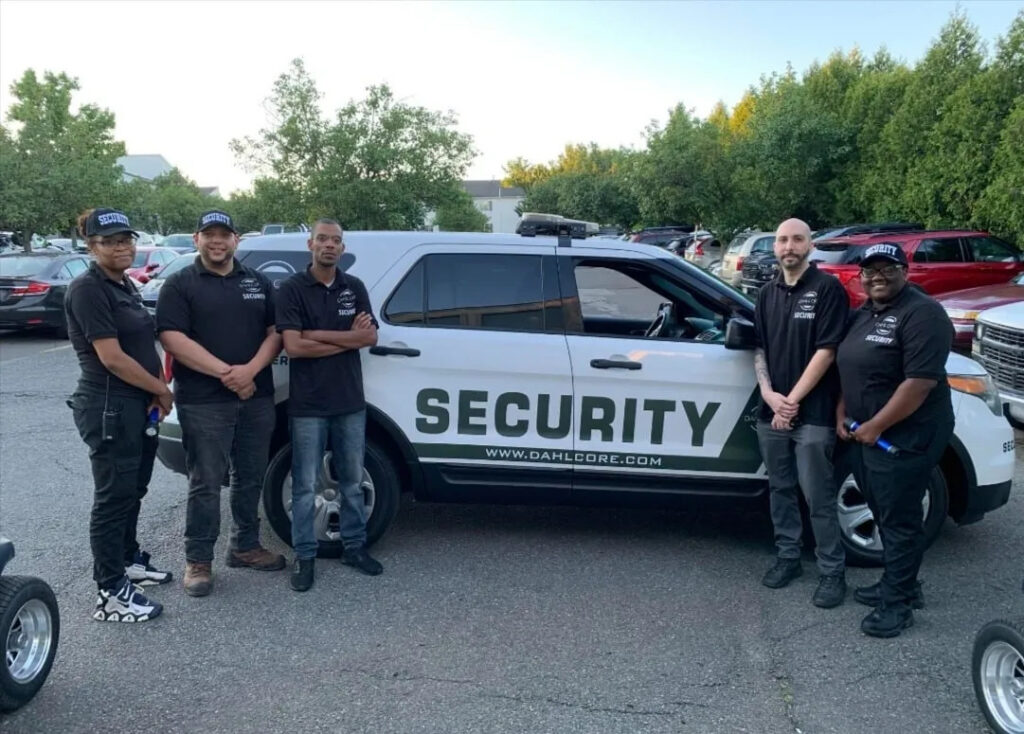
- Mobile patrol officers circulate by vehicle to cover multiple sites, conduct lockups, alarm responses, and drive-by checks on an optimized route schedule.
- Event guards focus on crowd control, entry screening, and emergency procedures to maintain safety and order in dynamic environments with large audiences.
- Retail loss prevention personnel deter theft, monitor CCTV, and coordinate with store management on shoplifting response and reporting.
- Specialized roles include gate tenders, merchant patrollers, store detectives, and school-crossing guards with tailored duties and environments.
Core Duties and Scope
A typical shift centers on visibility, observation, and rule enforcement to reduce risks, ensure compliance, and maintain a safe, orderly environment for employees, visitors, and customers. Guards check credentials, secure entrances and exits, control access to restricted areas, and respond to alarms, disturbances, or hazards with appropriate action and notifications. Routine tasks also include safety inspections, answering phones, greeting visitors, and securing assigned posts while documenting activities and incidents as they occur.
Patrols and Surveillance
Patrols—on foot or by vehicle—are the backbone of early detection, helping identify suspicious activity, hazards, and policy violations before issues escalate. Surveillance combines trained observation with tools like CCTV and PTZ cameras to cover larger areas, review footage, and trigger timely responses when anomalies are detected. Consistent patrol patterns coupled with unpredictable spot checks act as a strong deterrent against theft, vandalism, and trespass.
Access Control and Visitor Management
Access control protects people and assets by ensuring only authorized individuals enter, using ID verification, badging, guest passes, and sign-in procedures as appropriate to the site. Guards staff entry points, monitor turnstiles, conduct bag checks or metal detection when required, and maintain clear records of visitors coming and going. Effective entry management supports compliance, emergency roll calls, and forensic reviews after incidents.
Incident Response and De-Escalation
When an incident occurs, guards stabilize the situation, protect life and property, and notify or coordinate with police, fire, or EMS according to post orders and local law. Common scenarios include disturbances, theft, medical issues, fires, or alarms, where calm communication and de-escalation can prevent harm and reduce liability. Many sites benefit from round-the-clock coverage that shortens response times, especially during off-hours.
Reporting and Documentation
Detailed logs and incident reports create a reliable record of activity, support investigations, and inform improvements to policies and physical security measures. Documentation often includes time-stamped observations, witness details, actions taken, and evidence handling aligned with employer procedures. Accurate reporting also demonstrates contract compliance and helps security teams identify patterns that drive proactive measures.
Customer Service and Public-Facing Duties
Security guards often serve as the first point of contact, greeting visitors, providing directions, and aiding with site navigation while maintaining a professional, approachable demeanor. A friendly presence builds trust and encourages early reporting of concerns, which can prevent small issues from becoming bigger problems. Balancing hospitality with vigilance is a hallmark of modern corporate and venue security programs.
Legal Powers and Limits
Guards must operate within employer policies and applicable laws, understanding the differences between a private security detention and a police arrest in their jurisdiction. Clear use-of-force guidelines, de-escalation training, and hands-on practice help ensure actions remain necessary, proportional, and defensible. When in doubt, documentation and timely coordination with law enforcement protect safety and legal integrity.
Tools and Technology in 2025
Modern programs leverage remote video monitoring, integrated alarms, and real-time alerts so a smaller team can cover more ground and respond faster with better situational awareness. Video analytics and connected systems help spot anomalies, verify alarms, and filter noise, improving both deterrence and incident outcomes. Technology augments—not replaces—trained officers whose presence, judgment, and communication remain central to effective security.
Work Environments
Assignments vary from quiet corporate lobbies to busy retail floors, stadium events, parking facilities, construction sites, and healthcare campuses, each with distinct risks and rules. Site-specific post orders define patrol routes, access control levels, prohibited items, emergency actions, and reporting expectations. Matching guard experience and training to environment-specific hazards boosts both safety and guest experience.

Training, Licensing, and Qualifications
Most regions require guards to complete baseline training, pass background checks, and hold state or provincial licenses before working independently. Core skills include observation, communication, ethical judgment, and familiarity with surveillance tools, alarms, and documentation platforms. Many employers support ongoing certifications for first aid/CPR, de-escalation, and specialized roles that demand extra proficiencies.
How to Become a Security Guard
- Meet minimum requirements: education, age, background eligibility, and fitness aligned with local licensing rules.
- Complete approved training covering legal basics, observation, patrols, access control, emergency response, and reporting.
- Obtain the required license or certification from the state or province before accepting independent posts.
- Build experience through entry-level roles, then pursue specializations like event security, mobile patrol, or loss prevention.
- Maintain skills with refresher training in technology, de-escalation, first aid, and site-specific procedures.
Hiring and Evaluating a Provider
Organizations should assess coverage models, response times, reporting quality, technology integration, and references to ensure alignment with risk and culture. Clear KPIs, post orders, and review cadences help both sides course-correct quickly and sustain performance. Consider reputable providers with proven processes and compliance with local licensing and insurance requirements.
KPIs and Measuring Effectiveness
Useful indicators include incident rates, deterred events, alarm verification times, visitor processing times, and the completeness and clarity of reports. Safety inspection findings, policy compliance rates, and staff feedback provide qualitative insights alongside incident metrics. Over time, trending these measures helps quantify value and guides adjustments in staffing, patrol routes, and technology.
2025 Trends and Best Practices
Continuous coverage, tech-enabled monitoring, and shorter on-site responses are shaping programs as organizations seek more agility and transparency. Integrated platforms that unite cameras, alarms, access control, and reporting are elevating situational awareness and post-incident analysis. Training emphasis on de-escalation and communication remains strong as teams handle diverse public-facing scenarios with professionalism and care.
Local Considerations and Standards
Licensing and training requirements vary by state or province, so employers and candidates must follow local rules and approved curricula. Large, well-known brands like regional firms help set standards in operations and compliance across multiple markets. Always verify credentials, insurance, and incident-reporting practices when selecting a partner or role.
Ethics and Professionalism
High ethical standards, discretion, and respect for privacy are essential to maintaining trust with the public and clients. Professional conduct includes fair treatment, clear communication, and unbiased enforcement of rules across all visitor groups. A culture of accountability—reinforced by training and accurate reporting—drives consistent, safe results.
FAQs
What Are Security Guards and Their Responsibilities?
Security guards are licensed professionals who deter threats, control access, monitor risks, and respond to incidents to keep people and property safe across many environments. Their responsibilities include patrols, surveillance, visitor management, documentation, and coordination with emergency services when necessary.
What Are Security Guards and Their Responsibilities in Retail Stores?
In retail, guards deter shoplifting through visibility, monitor CCTV, support staff safety, and document incidents for loss prevention and police follow-up where appropriate. They also help with customer guidance and ensure emergency procedures are followed during evacuations or medical events.
What Are Security Guards and Their Responsibilities at Events?
Event guards manage entry screening, control crowds, monitor for disturbances, and coordinate with venue staff to maintain safe, orderly experiences for attendees and performers. They also support emergency response by directing egress, assisting medical teams, and documenting incidents for the venue’s records.
What Are Security Guards and Their Responsibilities Regarding Access Control?
Guards verify IDs and credentials, issue visitor passes, staff entry points, and maintain logs to prevent unauthorized access and support audit needs. They may also conduct bag checks or metal detector screening based on site policies and risk assessments.
What Are Security Guards and Their Responsibilities in Emergencies?
They stabilize scenes, protect life and property, notify or coordinate with police, fire, or EMS, and document the situation, actions taken, and outcomes. Training emphasizes de-escalation, communication, and adherence to post orders and local law.
What Are Security Guards and Their Responsibilities in Reporting?
Accurate logs and incident reports support investigations, insurance, and compliance reviews, while helping teams identify patterns to reduce future risk. Consistent documentation is a core quality indicator for security performance programs.
How does technology change what are Security Guards and their responsibilities in 2025?
Remote video monitoring, integrated alarms, and real-time alerts extend coverage and speed response, especially across multi-site portfolios and off-hours. Analytics and connected systems help verify alarms, filter noise, and direct officers to the right place faster.
Conclusion and Next Steps
Security guards provide continuous, professional protection that blends deterrence, early detection, and rapid response, backed by clear documentation and strong customer service across industries and sites. In 2025, integrated technology and defined KPIs make programs more transparent and effective, while training in de-escalation and communication keeps interactions safe and respectful.
- Get a Free Estimate to match coverage, technology, and KPIs with real risk and budget today.
- Book a Consultation to design post orders, reporting templates, and a performance dashboard for leadership visibility.
- Request an On-Site Assessment to validate access control, surveillance placement, and emergency workflows before peak season.
Check other blogs
How to Become a Security Officer in the United States
10 Basic Workplace Etiquette Rules You Must Follow
Security Guard and Patrol Services: A Complete Guide
How to Track Down a Missing Person:Professional Security Protocol
