

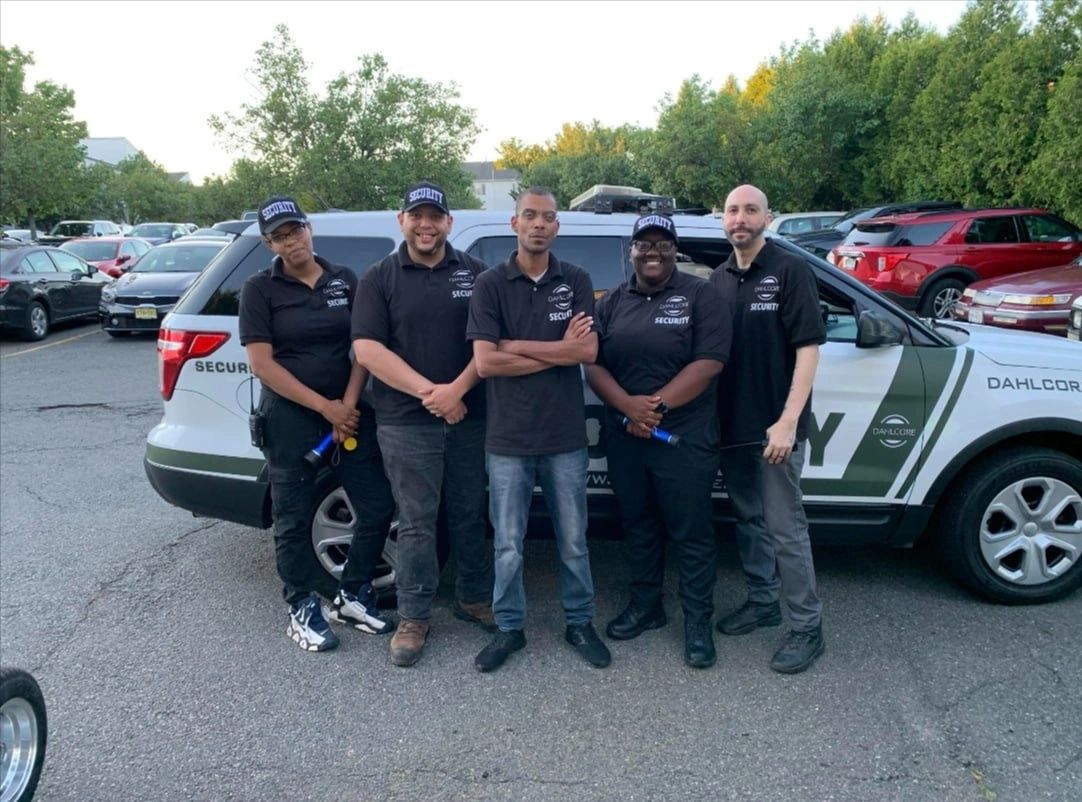
In today’s environment, security is more crucial than ever, whether for businesses, events, or residential properties. Security guard and patrol services play an essential role in maintaining safety and order. This comprehensive guide will delve into the various aspects of security guard services, equipping you with the knowledge to understand their importance and functionality.
Understanding Security Guard Services
Security guard services encompass a range of activities aimed at preventing crime and ensuring the safety of people and property. Guards are trained to handle different situations, from monitoring CCTV cameras to physical patrols.
Types of Security Guard Services
- Static Security: Guards remain at a fixed post, monitoring entrances and exits.
- Mobile Patrols: Guards patrol various locations to detect and deter criminal activity.
- Event Security: Specialized services tailored for public or private events, ensuring safety and crowd control.
- Executive Protection: High-level security for VIPs and executives, often including personal bodyguards.
Role of Security Guards
The primary role of security guards is to prevent incidents before they happen. Their presence alone can deter potential threats.
Key Responsibilities
- Surveillance: Monitoring premises via patrols or security cameras.
- Access Control: Managing entry points to prevent unauthorized access.
- Emergency Response: Acting swiftly in emergencies like medical issues or fire.
- Reporting: Documenting all incidents and activities during their shift.

Training and Certification for Security Guards
Proper training is crucial for effective security operations. Guards often undergo rigorous training programs that include physical fitness, first aid, and conflict resolution.
Important Skills and Certifications
- First Aid and CPR: Essential for responding to medical emergencies.
- Conflict Resolution: Skills to deescalate situations peacefully.
- Surveillance Techniques: Training in using technology and strategic patrol methods.
Legal and Ethical Considerations
Security guards must operate within the law. Understanding the legal implications of their actions is vital to avoid liabilities.
Compliance and Standards
- Privacy Laws: Respecting the privacy of individuals and understanding surveillance limits.
- Use of Force: Training on the lawful use of force and defensive tactics.
- Reporting Obligations: Accurate reporting and documentation practices.
Technology in Security Services
Advancements in technology have transformed how security services operate, enhancing their effectiveness and efficiency.
Technological Tools and Software
- CCTV Systems: High-definition cameras for real-time monitoring.
- Access Control Systems: Advanced systems that use biometrics or electronic keys.
- GPS Tracking: Tools for real-time location tracking of mobile patrols.

Strategic Implementation of Security Measures
Strategic planning is essential for effective security. This involves risk assessment, resource allocation, and continuous evaluation.
Planning and Coordination
- Risk Assessment: Identifying potential threats and vulnerabilities.
- Resource Allocation: Efficient deployment of guards and technology.
- Evaluation: Regular reviews of security measures and procedures.
Challenges in Security Guard Services
Despite best efforts, security services face various challenges that can impact their effectiveness.
Common Challenges
- High Turnover Rates: Maintaining trained staff can be difficult.
- Technological Disruptions: Staying updated with fast-evolving security technologies.
- Budget Constraints: Balancing quality services with cost-effective solutions.
What Exactly Is Security Patrolling?
Security patrolling is a critical function performed by security personnel to monitor and protect property, assets, and people. The primary aim of security patrolling is to deter criminal activities like theft, vandalism, and unauthorized access by maintaining a visible presence on the premises. This activity involves the regular movement of security guards around a defined area to observe, report, and respond to any potential or actual security threats.
The process of security patrolling can be conducted in various environments including, but not limited to, commercial properties, residential areas, public spaces, and industrial settings. The key tasks involved in security patrolling include:
- Observation: Keeping a vigilant eye on the environment to spot suspicious activities or hazards.
- Reporting: Logging details about patrol observations and incidents to ensure a documented record of all occurrences.
- Response: Taking immediate action in the case of an emergency or breach of security.
- Assistance: Providing help to employees, customers, and visitors on the premises.
Effective security patrolling requires thorough training and a strong understanding of the patrol area to identify and mitigate risks efficiently.

What Are the Different Types of Patrolling in Security?
Security patrolling can vary significantly depending on the specific needs of the environment being secured. Below are the common types of patrolling used in security:
- Foot Patrols: Guards patrol an area on foot, providing a close-up view of their surroundings and interacting directly with the public.
- Vehicle Patrols: Utilizing cars, bikes, or even golf carts to cover larger areas more efficiently than foot patrols.
- Fixed Posts: Stationing guards at critical points, such as entrances or checkpoints, to monitor and control access.
- Random Patrols: Varying patrol patterns to avoid predictability, which can help deter planned criminal activity.
- Escort Services: Providing security for individuals or specific assets as they move from one location to another.
Each type of patrol has its strengths and is chosen based on the security requirements of the site.
The Benefits of Patrol Security Services
Patrol security services provide numerous benefits that contribute significantly to the overall safety and security of the premises. Some of the key benefits include:
- Deterrence: The presence of patrol guards serves as a visible deterrent to criminal and unauthorized activities.
- Rapid Response: Patrols enable quick responses to incidents, reducing the potential damage or harm caused by such events.
- Surveillance Enhancement: Regular patrols supplement electronic surveillance by covering areas that cameras may not reach or detect effectively.
- Peace of Mind: The knowledge that a professional security team is on duty provides peace of mind to business owners, employees, and customers.
- Incident Prevention: By identifying and addressing potential security risks before they develop into actual problems.
Overall, patrol security services play an essential role in enhancing the protective measures of any operation, ensuring that safety standards are maintained at all times.

Future Trends in Security Services
The future of security services looks towards integration of more advanced technologies and smarter approaches to crime prevention.
Innovations and Developments
- Artificial Intelligence: Using AI to enhance surveillance and response times.
- Robotics: Deployment of security robots for patrolling and monitoring.
- Cybersecurity Measures: Increasing focus on protecting against digital threats.
FAQs on Security Guard Services
What qualifications should I look for in a security guard?
Look for licensed individuals with training in surveillance, first aid, and conflict resolution.
How do security guards handle emergencies?
Trained guards follow predefined protocols, which may include administering first aid, contacting emergency services, and evacuating people if necessary.
Can security guards arrest individuals?
Security guards can perform citizen’s arrests in some jurisdictions, but they typically notify law enforcement to handle criminal activities.
What is the cost of hiring security guard services?
Costs vary based on service type, duration, and specific requirements like armed guards or advanced technology.
How do I choose the right security service for my business?
Assess your specific security needs, consider the provider’s reputation and resources, and ensure they offer services that align with your requirements.
Conclusion
Security guard and patrol services play a crucial role in protecting assets and ensuring peace of mind. This guide provides an overview of the key roles, responsibilities, and best practices to help you make well-informed decisions about implementing the right security measures for your needs. For more detailed information on security regulations and best practices, refer to the U.S. Department of Homeland Security’s guidelines.
Check other blogs:
What Does a Security Guard Do on a Daily Basis?
Secure Your Healthcare Facility Effectively
