

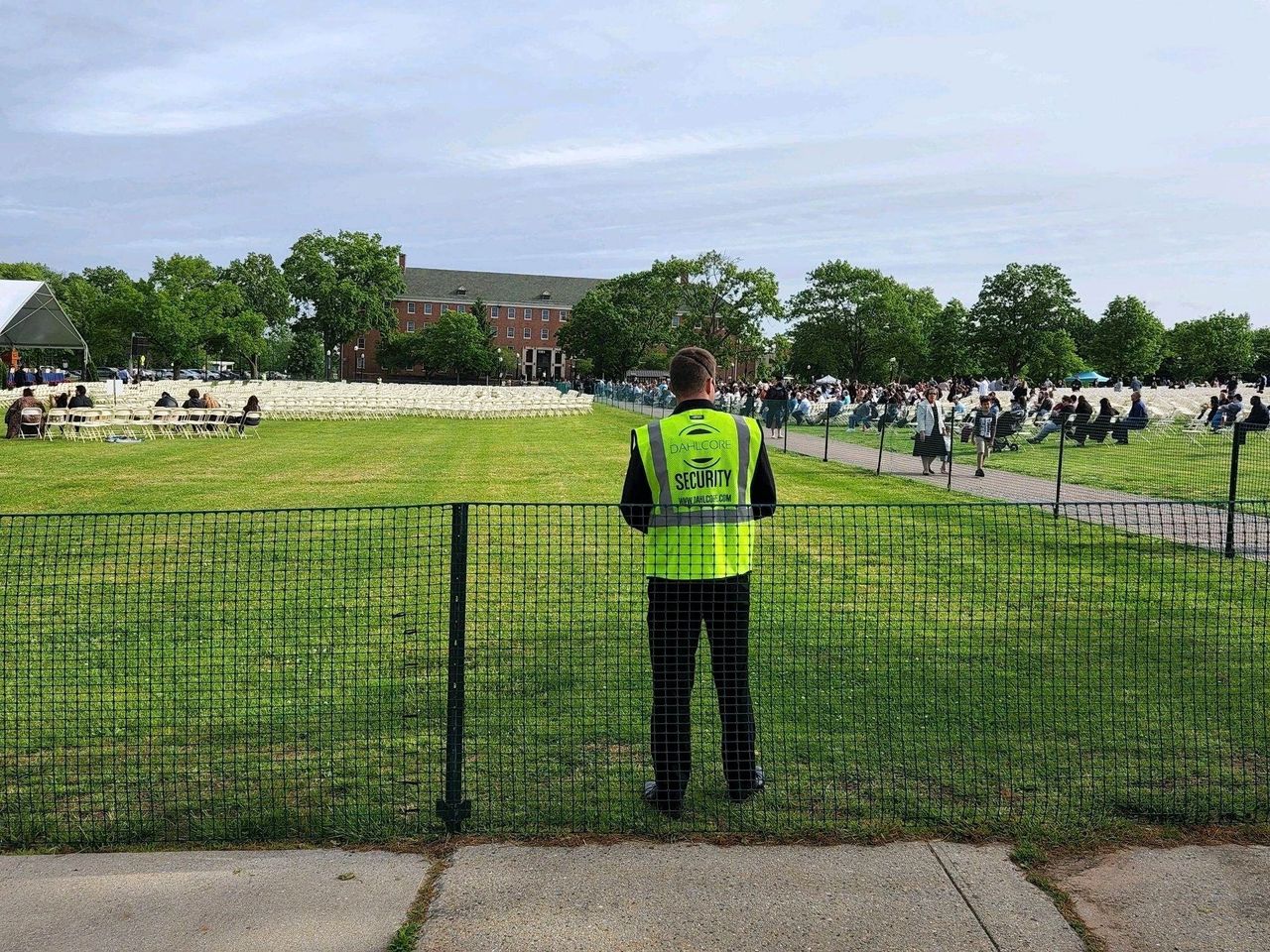
“What If Guards Touch Woman at Concert?: Balancing Safety & Rights”
Concert Security Challenges
Concerts are vibrant hubs of entertainment and social interaction. However, they also pose unique security challenges. The role of security guards is pivotal in ensuring a safe environment for all attendees. But what happens when the actions of these guards cross the line from protective to intrusive, especially concerning women? This article explores the delicate balance between maintaining safety and respecting individual rights, focusing on the hypothetical yet critical scenario of security guards putting their hands on a woman at a concert.
Understanding the Role of Security
Security personnel at concerts are primarily responsible for ensuring attendees’ safety. This includes managing crowds, preventing dangerous situations, and responding to emergencies. Their presence is crucial in creating a secure environment where everyone can enjoy the event without fear of harm or harassment.
The Line Between Safety and Infringement
However, the exercise of security measures must be balanced with respect for personal rights and dignity. The question arises: what if security guards put their hands on a woman at a concert? This situation highlights the thin line between ensuring safety and potentially violating personal boundaries. This scenario demands careful consideration of legal, ethical, and social implications.
What If Security Guards Put Hands on a Woman at a Concert?
Imagine a scenario where a woman attendee at a concert is approached and physically touched by a security guard under the guise of security measures. This action, whether well-intentioned or not, raises significant concerns.
A Hypothetical Scenario Analysis
In this hypothetical situation, several questions emerge. Was the action necessary for security purposes? Was it an overreach of authority? Did it make the woman feel safe or threatened? Analyzing this scenario helps us understand the complexities of security management at public events.
Legal and Ethical Implications
The legal implications of such an action are profound. Security guards, while tasked with maintaining order, must also abide by laws that protect individual rights. Ethically, it is essential to consider the impact of their actions on the psychological well-being of the person involved. This scenario underscores the need for clear guidelines and training for security personnel to handle such situations sensitively and appropriately.
Historical Incidents and Their Impact
Looking back at past events can provide valuable insights into how similar situations have been handled and the consequences thereof.
Past Events of Security Breaches
There have been instances where the actions of security guards at concerts have led to controversy and legal battles. Analyzing these cases reveals crucial patterns and lessons in preventing future incidents.
Learning from History
By examining historical incidents, we can identify best practices in security management and areas that require improvement. This historical perspective is vital in shaping a more secure and respectful concert environment.
Women’s Safety at Public Events
The safety of women at public events like concerts requires special consideration. Women face unique risks and challenges in such settings, making it imperative to have protocols that specifically address their safety.
Special Considerations and Protocols
Concert organizers and security teams must be aware of female attendees’ specific concerns and vulnerabilities. This includes understanding how to approach and interact with women in a way that ensures their safety without infringing on their rights.
Ensuring a Safe Environment for All
The ultimate goal is to create an environment where every attendee, regardless of gender, feels safe and respected. This requires a concerted effort from all stakeholders involved in the planning and execution of the event.
Legal Rights and Responsibilities
In the context of security guards interacting with women at concerts, it is crucial to understand the legal framework that governs such actions.
Laws Governing Security Conduct
Security personnel are bound by laws that dictate their conduct. These laws ensure that their actions align with the rights of the individuals they are supposed to protect. Security guards must be well-versed in these legal boundaries to avoid overstepping their authority.
Rights of the Attendees
Attendees at concerts have rights that must be respected. This includes the right to personal space and freedom from unwarranted physical contact. Security measures should be implemented to uphold these rights while ensuring overall safety.
Concert Organizers’ Role and Accountability
The responsibility of ensuring a safe concert environment extends beyond the security team to the organizers.
Planning and Implementing Security Measures
Concert organizers are responsible for the overall security plan. This includes hiring competent security personnel, providing adequate training, and establishing clear guidelines for handling various situations.
Accountability in Case of Mishaps
In an incident where a security guard oversteps their bounds, the concert organizers may be held accountable. They must have measures to handle such situations effectively and ensure accountability.
Security Training and Sensitization
Proper training and sensitization of security personnel are critical in preventing and appropriately handling situations where security might be overstepped.
Importance of Proper Training
Security guards should be trained in crowd management and emergency response and understand the nuances of personal rights and boundaries. This includes training in non-aggressive and respectful ways of interacting with attendees, especially women.
Gender Sensitivity and Conflict Management
Training should also focus on gender sensitivity and conflict management. Security personnel must be able to handle potentially volatile situations without resorting to physical contact unless necessary.
Personal Narratives and Testimonials
First-hand accounts from those who have experienced overreach by security at concerts can provide valuable insights into the real-world impact of these situations.
Experiences Shared by Concertgoers
Hearing from women who have felt threatened or disrespected by security actions at concerts brings a human element to the discussion. Their stories highlight the need for more empathetic and respectful security practices.
Insights from Security Professionals
Conversely, insights from security professionals can help understand the challenges they face and the reasoning behind their actions. This balanced perspective is vital in finding solutions that work for everyone involved.
Consequences of Inappropriate Security Actions
The repercussions of security guards overstepping their bounds at concerts can be significant, both for the individuals involved and the event organizers.
Legal Repercussions for Security Guards
Security guards who misbehave may face legal consequences, including lawsuits or criminal charges. Such actions can tarnish their professional reputation and lead to job loss, emphasizing the importance of adhering to ethical and legal standards.
Impact on Concert Organizers and Artists
For concert organizers, incidents involving security breaches can result in negative publicity, decreased audience trust, and potential legal liabilities. Artists performing at these events may also face backlash, as their names are often associated with the concert experience.
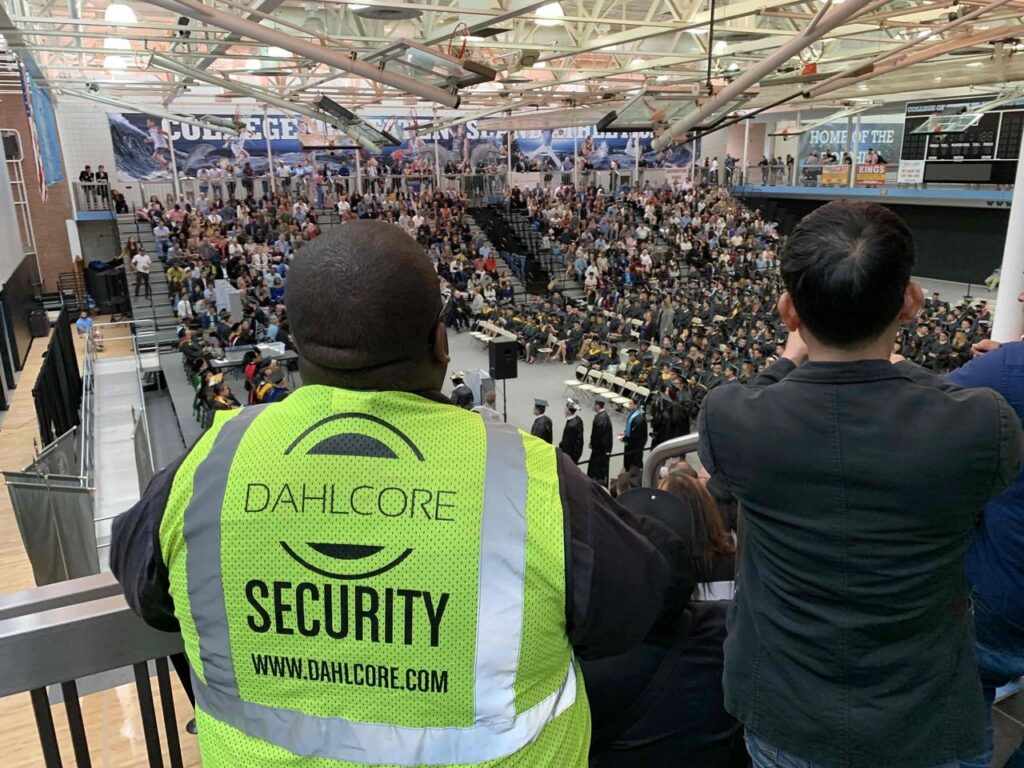
Balancing Security and Freedom
Finding the right balance between providing security and respecting individual freedoms is a delicate task that requires careful consideration and continuous improvement.
Finding the Middle Ground
The key is establishing protocols that ensure safety without infringing on personal rights. This involves a collaborative effort among security teams, concert organizers, legal advisors, and attendees.
Case Studies of Successful Security Management
Analyzing case studies where security was managed effectively without compromising individual rights can provide valuable lessons and best practices for future events.
Public Perception and Media’s Role
Public perception plays a significant role in how security measures are viewed and implemented. The media, both traditional and social, have a powerful influence in shaping these perceptions.
How Media Shapes Public Opinion
Media coverage of incidents involving security guards and attendees can sway public opinion positively or negatively. Responsible reporting and balanced narratives are essential in presenting a fair picture of such events.
The Role of Social Media in Spreading Awareness
Social media platforms have become crucial in spreading information and raising awareness about security issues at concerts. They provide a space for sharing experiences and advocating for better security practices.
Expert Opinions and Analysis
Insights from security, legal matters, and event management experts can provide a comprehensive understanding of the complexities involved in concert security.
Insights from Security Experts
Security experts can offer practical solutions and strategies for managing security at significant events, ensuring safety and respect for personal rights.
Legal Perspective from Attorneys
Attorneys specializing in civil rights and event-related legalities can guide you on the legal implications of security actions and how to navigate them effectively.
Technological Advancements in Security
Advances in technology have introduced new tools and methods for enhancing security at concerts while minimizing the need for physical contact.
Modern Tools and Techniques
Technologies like advanced surveillance systems, AI-powered threat detection, and non-invasive security checks can improve safety without compromising the attendee experience.
The Future of Concert Security
As technology continues to evolve, the future of concert security looks promising, with more efficient and respectful ways of ensuring safety at events.
Global Perspectives on Concert Security
Exploring how different countries and cultures handle concert security can provide valuable insights and alternative approaches to safety management.
Comparing Practices Worldwide
Examining global security practices reveals a variety of approaches, each with its strengths and challenges. Learning from these diverse experiences can enhance security strategies locally.
Learning from International Events
International events often bring innovative security measures to the forefront. Studying these can inspire new ideas and improvements in local concert security planning.
Psychological Impact on Victims
Understanding the psychological impact on individuals who have experienced inappropriate security actions is crucial in addressing and preventing such incidents.
Understanding Trauma and Its Effects
Victims of security overreach may experience trauma, anxiety, and a sense of violation. Acknowledging and addressing these psychological effects is essential in providing support and ensuring respectful treatment in the future.
Support Systems and Counseling
Providing access to counseling and support systems for those affected by security-related incidents can aid their recovery and reinforce a commitment to respectful treatment at events.
Community and Audience Engagement
The role of the community and the audience in ensuring a safe concert environment is significant. Their involvement can lead to more effective and respectful security measures.
Role of the Community in Ensuring Safety
Community engagement in security planning and implementation can lead to more tailored and practical measures. This includes feedback mechanisms and collaborative efforts with local stakeholders.
Audience’s Responsibility
Concertgoers also have a responsibility to contribute to a safe environment. This includes adhering to security protocols, reporting suspicious activities, and respecting the rights of fellow attendees.
Preventative Measures and Best Practices
Implementing preventative measures and adhering to best practices can significantly reduce the likelihood of security-related incidents at concerts.
Guidelines for Safe and Effective Security
Developing comprehensive guidelines that cover various aspects of concert security, from crowd management to individual interactions, is crucial for a safe event.
Tips for Concertgoers
Providing concertgoers with tips and information on navigating security checks and what to expect can enhance their experience and cooperation with security protocols.
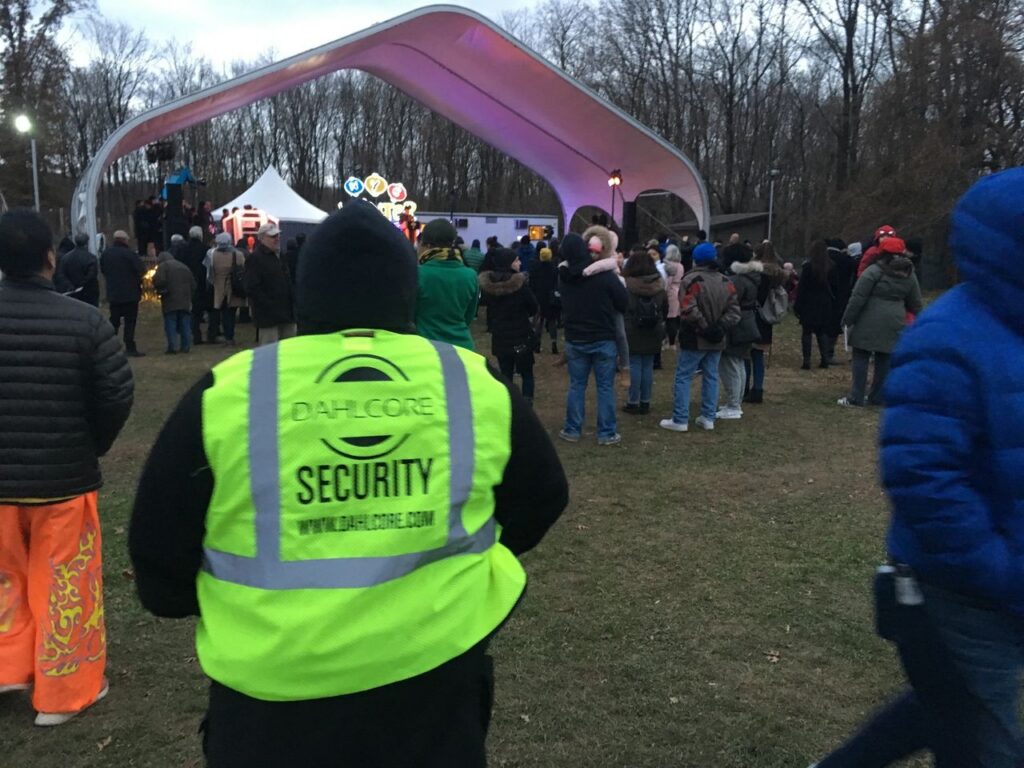
Case Study: Successful Security Interventions
Analyzing real-world examples where security interventions were handled successfully provides practical insights and lessons.
Examples of Positive Outcomes
Highlighting cases where security teams effectively managed challenging situations without overstepping their boundaries can be models for future events.
Analysis of Effective Strategies
Breaking down these success stories to understand the strategies and decision-making processes involved can help replicate these outcomes in other settings.
The Future of Concert Experiences
The evolution of concert experiences, influenced by changing security needs and technological advancements, points to a future where safety and enjoyment go hand in hand.
Evolving Trends and Expectations
As societal expectations and security challenges evolve, so must the strategies for managing concert experiences. This involves staying ahead of trends and continuously adapting to new demands.
Innovations in Event Management
Innovations in event management, especially in security, are crucial for ensuring that concerts remain enjoyable and safe spaces for all.
FAQs on Concert Security and Safety
What are the legal implications if a security guard inappropriately touches an attendee?
Inappropriate physical contact by a security guard can lead to legal actions, including lawsuits for personal injury or violation of civil rights. Security personnel must understand and respect legal boundaries.
How can concert organizers ensure the safety of female attendees?
Organizers can implement specific measures like female security personnel, clear protocols for handling situations involving women, and awareness campaigns to ensure a safe environment for female attendees.
What role does technology play in enhancing concert security?
Technology plays a significant role in modernizing security measures. Advanced surveillance, AI for threat detection, and non-invasive security checks are ways technology enhances safety without intruding on personal rights.
How can attendees contribute to a safe concert experience?
Attendees can contribute by adhering to security protocols, being vigilant and reporting suspicious activities, and respecting the rights and space of fellow concertgoers.
What should concertgoers do if they feel their rights have been violated by security?
If a concertgoer feels their rights have been violated, they should report the incident to concert organizers, seek legal advice, and, if necessary, contact law enforcement agencies.
How can the psychological impacts of inappropriate security actions be addressed?
Offering counseling and support to those affected, creating awareness about respectful treatment, and ensuring accountability in security practices can help address the psychological impacts.
Conclusion: Towards Safer Concert Experiences
In conclusion, balancing security needs with respect for individual rights at concerts is a complex yet essential task. By learning from past incidents, implementing practical training, engaging communities, and leveraging technology, we can strive towards safer, more respectful concert experiences for everyone.
Explore our other blog posts here
10 Steps for Better Physical Security Risk Assessment
Best Storage and Warehouse Security Systems in New York
How to Detect GPS Tracking Devices in Your Car (What to Do Next)
