

Updated Date: November 4, 2025
Shopping Center Security Guard
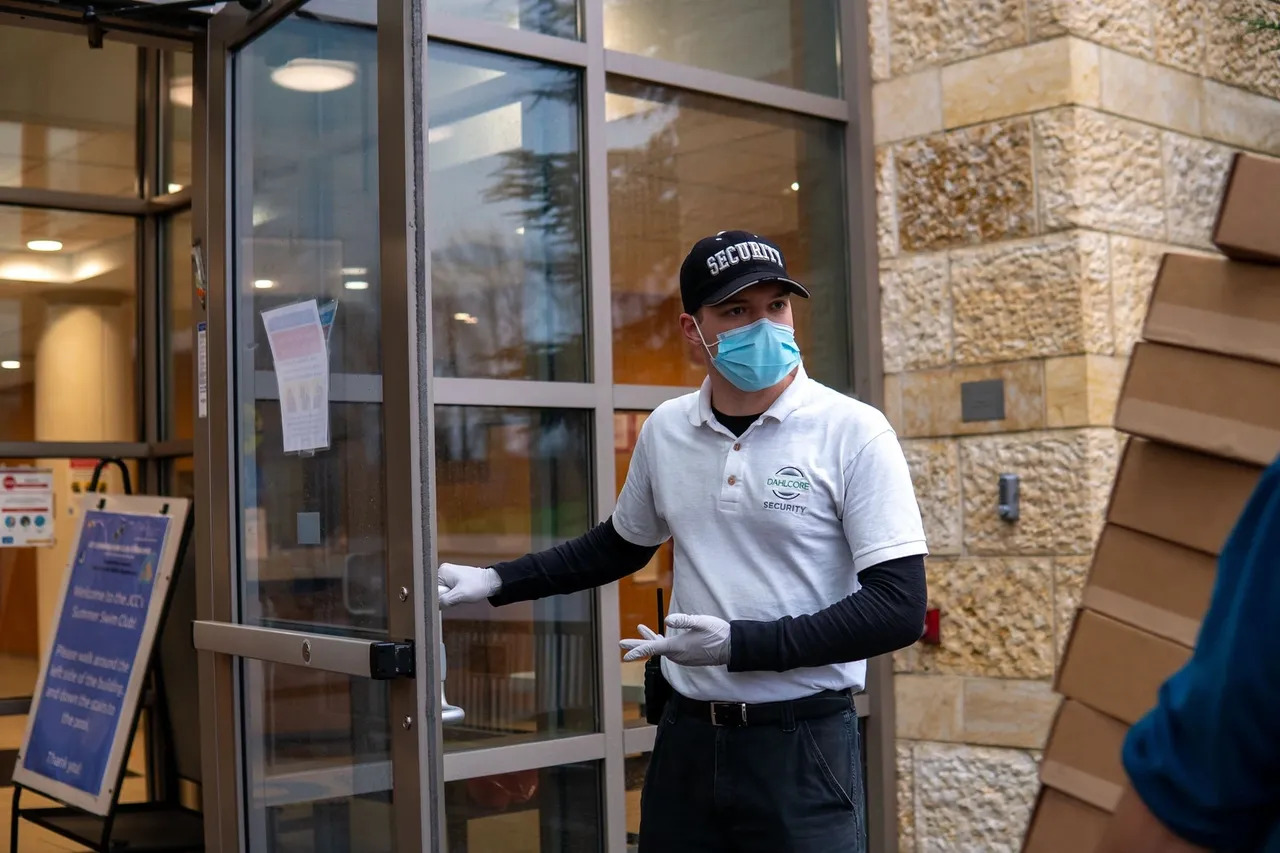
10 Essential Roles of a Shopping Center Security GuardA shopping center security guard plays a vital part in keeping malls, outlets, and retail complexes safe and welcoming for everyone. They combine vigilance with customer-friendly service to monitor foot traffic, deter theft, and respond to incidents. Their uniformed presence alone reduces criminal activity and reassures shoppers that help is nearby should anything go wrong.
1. Patrol and Surveillance
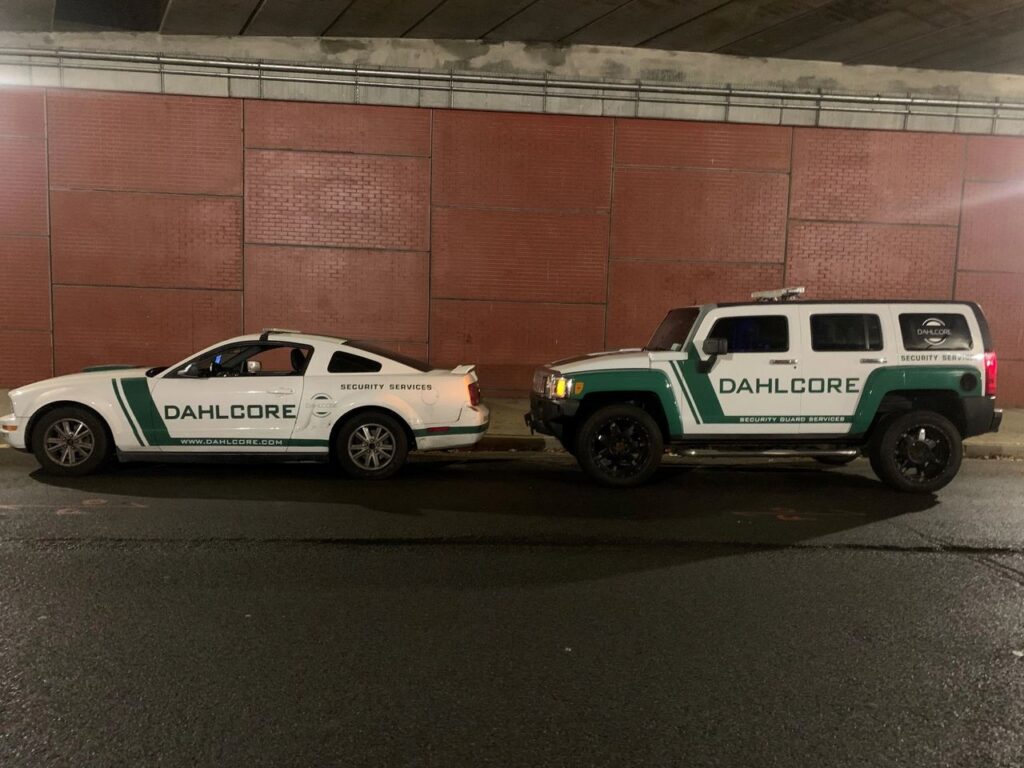
A core duty of every shopping center security guard is patrolling the property to spot hazards or suspicious behavior. On foot or by vehicle, they follow predetermined routes that cover high-traffic zones, loading docks, and isolated corners. During each patrol, they look for spills, blocked exits, or individuals acting out of place. In tandem with regular checks, guards monitor live CCTV feeds, using high-resolution cameras to scan parking lots, corridors, and food courts. By combining visible patrols with discreet video surveillance, they create a layered security approach that intercepts shoplifters, vandals, and trespassers before problems escalate.
2. Access Control and Entry Management
Shopping centers often have multiple entrances, VIP corridors, and restricted zones. Security guards manage these entry points by verifying vendor IDs, inspecting deliveries, and sometimes operating metal detectors or bag-scan checkpoints. They confirm that contractors and staff carry proper credentials, and they monitor vehicle access to prevent unauthorized deliveries or overcrowding in parking structures. Effective access control not only keeps restricted areas secure but also ensures compliance with fire and building codes.
3. Crowd Flow and Visitor Management
Especially during holiday sales or weekend promotions, malls can reach capacity quickly. Security guards direct shoppers to designated entrances, control queue lines at popular stores, and use stanchions and signage to guide foot traffic. By anticipating bottlenecks, they prevent congestion around escalators, restrooms, and food courts. When a sudden rush occurs—such as a new store opening—guards coordinate with mall operations to open temporary entry points, deploy extra patrols, or enact one-way flow systems to maintain orderly movement.
4. Emergency Response and Crisis Coordination
From minor injuries to major incidents, security guards are first responders in shopping centers. They keep first-aid kits and defibrillators on hand, apply basic life support when needed, and call paramedics for serious medical events. For fire alarms or gas leaks, they know evacuation routes and muster points, guiding shoppers calmly out of danger. Guards also communicate with local fire, police, or hazmat teams, sharing floor plans and live video feeds for faster response. Regular emergency drills help them and staff practice lockdowns, reunification procedures, and communication protocols to minimize panic and confusion.
5. Conflict Resolution and De-escalation
Shopping malls are public spaces where tempers sometimes flare—over parking spots, refunds, or lost children. Security guards undergo training in verbal judo and active listening to calmly defuse tense situations. They approach disputing parties with neutral body language, separate them if needed, and guide discussions toward resolutions. If conflicts threaten to turn physical, guards use clear instructions and backup from fellow officers to restore order. This mediation role preserves a positive atmosphere and often prevents law enforcement involvement.
6. Customer Service and Public Assistance
Beyond law enforcement duties, guards act as frontline ambassadors for the center. They answer wayfinding questions, lend a hand with strollers or wheelchair access, and escort visitors to lost-and-found areas. Friendly interactions—like offering water to a fatigued shopper—build goodwill and reinforce the perception of safety. Guards also assist vendors with minor logistical tasks, such as coordinating vendor load-in schedules or monitoring vehicle unloading zones. Their dual role of security and service ensures every visit is as pleasant as it is protected.
7. Incident Documentation and Reporting
Every observation, from spilled soda to shoplifting attempts, is logged for management review. Guards maintain daily patrol logs detailing times, locations, and actions taken. For significant events, they complete formal incident reports, noting witness statements, video footage timestamps, and property damage estimates. Detailed documentation supports insurance claims, legal proceedings, and future risk assessments. Modern centers often equip guards with mobile reporting apps, allowing photo attachments and GPS-tagged entries for real-time record-keeping.
8. Loss Prevention and Shoplifting Deterrence
Retail shrinkage due to theft can cost stores millions annually. Security guards work with retail loss-prevention teams to spot common shoplifting techniques—like price tag swapping or concealment in apparel. They patrol dressing rooms, observe suspicious customer behaviors (jacket bulges, empty hangers in carts), and conduct discreet bag checks at exits when allowed. Guards also train staff on “see-something, say-something” policies and deploy plain-clothes officers for undercover surveillance during peak shopping periods. Their presence discourages would-be thieves and safeguards retailer profits.
9. Security Technology and Video Monitoring
Advances in AI-powered cameras, license-plate readers, and remote-access control systems are reshaping mall security. Guards monitor centralized security desks equipped with dozens of high-definition feeds, some featuring real-time analytics that flag loitering, crowd density spikes, or perimeter breaches. Mobile apps let guards unlock secure doors, sound alarms, or communicate via encrypted channels. Voice-activated panic buttons and wearable trackers ensure help arrives quickly if a guard faces a threat. Embracing these tools allows personnel to cover larger areas with fewer blind spots and faster response times.
Technology Type: AI-Enhanced CCTV
Purpose: Automated threat detection and face recognition
Technology Type: License-Plate Readers
Purpose: Control vehicle access and parking violations
Technology Type: Mobile Reporting Apps
Purpose: On-the-go incident logging and evidence capture
Technology Type: Two-Way Radios & Wearables
Purpose: Instant communication and guards’ location tracking
10. Collaboration with Law Enforcement
When serious crimes or disturbances occur, security guards coordinate closely with local police. They secure scenes, preserve evidence, and provide officers with video clips or witness information. Some malls host regular liaison meetings with area precincts, sharing crime trend data and updating security plans. This proactive relationship allows for faster investigations and joint training exercises, such as active-shooter drills or counter-terrorism simulations. Through this partnership, shopping centers augment public safety networks and demonstrate commitment to community well-being.
Conclusion
Shopping center security guards blend vigilance, technology, and customer-first service to create safe, orderly retail environments. From routine patrols and entry management to emergency response and conflict mediation, they play a vital role in every aspect of mall operations. By staying ahead of risks through training, documentation, and collaboration with law enforcement, these professionals ensure that shoppers and retailers alike can focus on what matters most—enjoying a secure, pleasant shopping experience. Get a Free Security Assessment for Your Mall Today
Frequently Asked Questions
What are the main duties of a shopping center security guard?
A shopping center security guard is responsible for patrolling premises, monitoring video feeds, managing access points, responding to emergencies, and assisting customers.
- How does a shopping center security guard handle emergencies?
Guards follow established protocols: alert emergency services, guide evacuations, administer first aid, and coordinate with fire or police departments.
What training does a shopping center security guard need?
Most roles require a security license, first-aid certification, conflict-resolution training, and periodic refreshers on new surveillance technologies.
How do security guards prevent shoplifting in malls?
They patrol high-risk areas, observe customer behavior, conduct discreet bag checks, collaborate with loss-prevention teams, and use plain-clothes surveillance when needed.
Can a shopping center security guard detain a suspect?
Yes, within legal scope: guards may detain individuals for theft or trespassing until law enforcement arrives, following state-specific security guard regulations.
What role does technology play for today’s shopping center security guards?
Modern guards rely on AI-powered cameras, license-plate readers, mobile reporting apps, and encrypted radios to expand coverage and improve response times.
Check other blogs:
10 Innovative Security Measures for Concerts After Paris Bombings
Maintaining Integrity in Building Access Control Systems
5 Essential Tips for Securing Your Building’s Access Control
