

When you run security operations in New York, you’re not just dealing with risk—you’re dealing with some of the most demanding clients in the country. Property managers, building owners, and corporate tenants expect guards to be sharp, polite, and on point every single shift. A clear security guard code of conduct turns those expectations into simple, usable rules your team can actually follow.
In New York State, licensed security guards are trained in duties such as access control, patrols, incident response, and reporting. That training only makes a difference if day‑to‑day behavior matches what they learned. When your code of conduct lines up with your post orders and your training, you get fewer misunderstandings, fewer complaints, and more trust from your clients.
New York’s guard training and conduct expectations are defined by state licensing rules, including the official security guard training requirements from the New York State Department of State.
Why are Client Complaints Rising in NYC and NYS Security Sites?
In recent years, clients across NYC and upstate New York have become quicker to complain and faster to switch providers. High rents, tight margins, and social media all raise the stakes. One bad incident in a lobby or on a loading dock can turn into a long email chain, a bad online review, or even a terminated contract.
Most complaints are not about dramatic emergencies. They’re about smaller things that happen every day: a rude tone at the front desk, a missed patrol, someone being allowed in without proper ID, or a guard who “looked half asleep” on post. The good news is that those are exactly the type of issues a strong code of conduct can solve, because they’re all about behavior and consistency.
How Does a Written Code of Conduct Protect Your Contracts?
A written security guard code of conduct does three big things for you. First, it sets one clear standard for every guard, across every shift and every site, so no one can say “I didn’t know that was required.” Second, it gives supervisors leverage to coach and correct behavior without drama, because they can point straight to agreed‑upon rules. Third, it shows your clients and partners that you’re serious about professionalism and accountability.
When a complaint does come in, your code helps you respond faster. You can review reports, check cameras, compare behavior to the rules, and make fair decisions. Over time, patterns become obvious: sites where guards ignore post orders, posts where phones are a chronic issue, or shifts where documentation keeps falling short. Then you fix the pattern, not just the single incident.
Security Guard Code of Conduct: 15 Rules That Reduce Client Complaints
Below are 15 practical rules that turn New York security expectations into clear daily standards for your team.
Rule 1: Put Safety First—Protect People and Property
Everything starts here: guards must protect life and property above all else. That means staying alert, scanning the environment, and acting early when something looks off. If a guard is too shy to speak up or too distracted to notice problems, risk goes up, and clients feel exposed, even if no crime actually happens.
In practice, “safety first” looks simple. The guard checks doors instead of sitting down for the entire shift. They challenge tailgating instead of ignoring it. They respond quickly when an alarm goes off instead of finishing a personal conversation. When clients see guards actively protecting their space, they complain less because they feel like they’re getting real value for their money.
Rule 2: Follow New York Post Orders and Site Procedures
Post orders are the playbook for each site. They cover everything: when doors lock, who gets access after hours, which entrances stay open, when patrols happen, and who to call during emergencies. Your code of conduct needs a clear rule: guards must read, understand, and follow post orders every shift—and ask questions if anything is unclear.
Most “the guard didn’t do their job” complaints are really “the guard didn’t follow the post orders” problems. Maybe a guard skipped the back stairwell patrol, or let a contractor in without checking the work order. When you tighten the habit of following orders exactly, you cut a huge percentage of preventable complaints.
Rule 3: Stay Within Your Legal Authority Under New York Rules
Security guards in New York are not police officers. They don’t have the same legal powers, and they can get into serious trouble if they pretend they do. Your code of conduct should spell out, in plain language, what guards can and cannot do at your sites, especially around detaining people, searching bags, or putting hands on someone.
This is where things often go wrong. A guard might feel pressure to “handle” a situation and overstep—grabbing someone, blocking an exit, or making threats. Even if the guard had good intentions, that kind of behavior can result in formal complaints, legal claims, and damaged reputation. When you keep guards inside their legal lane and train them on the limits, you protect everyone.
Rule 4: Maintain Professional Uniform and Presence on New York Posts
In New York, image matters. When a tenant or visitor walks into a lobby, the security guard is often the first person they see. A crisp uniform, visible ID, and confident but friendly posture send a powerful message: this building is under control. A messy uniform, slouching, or obvious boredom sends the opposite message.
Your code should be direct: arrive in full, clean uniform; keep ID visible; avoid leaning, slouching, or hiding in corners; and remain visually attentive to the environment. This might sound basic, but clients notice it instantly. A professional presence makes them feel safe and respected, and that feeling translates into fewer complaints.
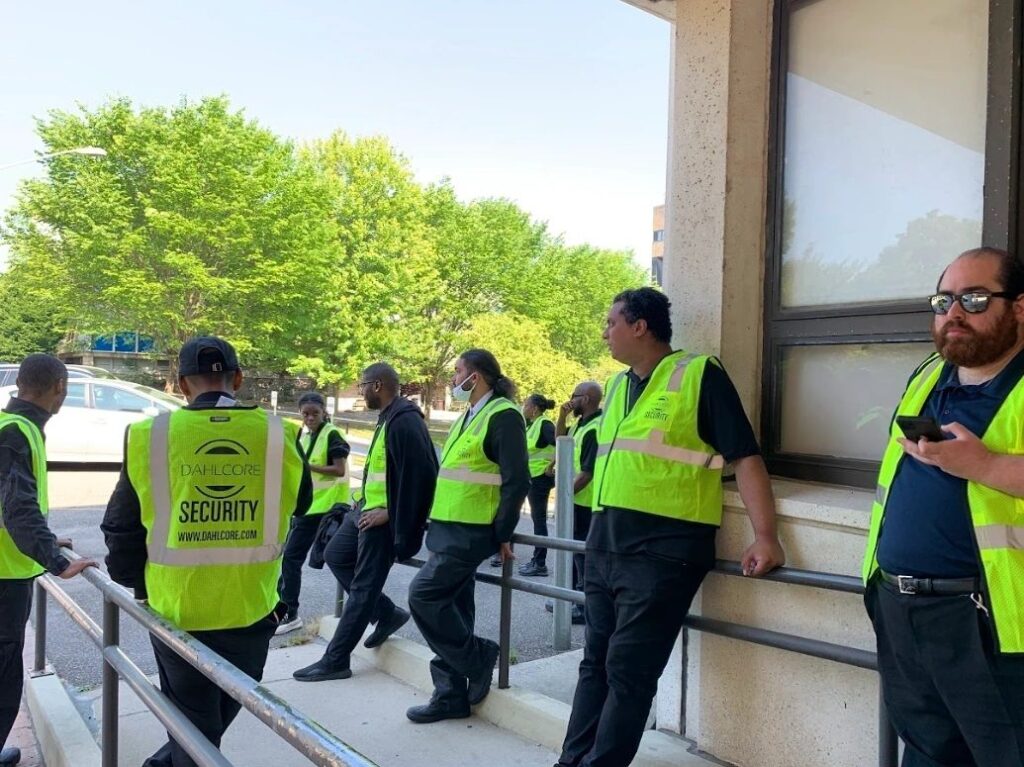
Rule 5: Communicate with Respect and Avoid Discrimination
Most people don’t remember every detail of what happened, but they remember how they were treated. That’s why respectful communication is one of the strongest tools you have to reduce complaints. Guards should use calm, neutral language, avoid sarcasm, and never raise their voices unless safety truly demands it.
Another part of this rule is fairness. If one person is allowed to skip signing in, and the next person is forced to sign in, it feels discriminatory—even if it wasn’t meant that way. The safest approach is simple: apply rules the same way to everyone, regardless of race, gender, background, job title, or what they look like. When people see consistent, respectful treatment, they’re far less likely to complain.
Rule 6: Use De‑Escalation Before Force in Busy NYC Environments
New York sites can get heated fast. You’ve got late deliveries, noisy neighbors, frustrated tenants, and people rushing to catch trains or appointments. If a guard answers tension with more tension—loud commands, aggressive posture, or physical contact—the situation can explode in seconds.
De‑escalation flips the script. Guards learn to lower their voice, give people space, set clear but calm boundaries, and offer options instead of threats. They might say, “I understand you’re upset. Here’s what I can do for you,” instead of “Calm down or I’ll make you leave.” When guards lead with de‑escalation and reserve physical action for true emergencies, you avoid injuries, bad videos, and long complaint emails.
Rule 7: Write Factual, Timely Incident Reports Clients Can Trust
After something happens, the incident report becomes the official story. If that story is sloppy, emotional, or incomplete, it’s hard to support your guard’s actions—or your contract. Your code of conduct should require reports that are factual, free from personal opinions, and completed before the details fade.
A strong report answers the basics: who was involved, what happened, when it happened, where it happened, and what the guard did in response. It notes witnesses and any available evidence, such as camera coverage. When a client sees a clear, professional report, they’re more likely to trust your judgment, even if they started upset.
Rule 8: Protect Confidentiality of CCTV, Logs, And Tenant Information
Security guards often see and hear things the public never sees or hears. They might watch CCTV, know alarm codes, handle visitor logs, or witness sensitive incidents. If that information gets shared casually—or worse, posted online—trust disappears overnight.
Your code must forbid guards from sharing footage, photos, or incident details without authorization. No posting about incidents on social media, no gossiping about tenants, and no giving out internal information to friends or strangers. In high‑profile New York buildings, especially, one leak can lead to major complaints and even legal action.
Rule 9: Enforce Access Control and Visitor Policies Consistently
Access control is one of the main reasons New York clients hire security in the first place. They want to know that only the right people can get into certain areas at certain times. When guards take shortcuts—letting people in “just this once,” skipping sign‑ins, or ignoring ID rules—clients quickly lose confidence.
Make it a rule that guards always follow the written access and visitor procedures. If the rule says “No ID, no entry,” then that’s what should happen every time, unless a supervisor or client contact provides a clear override. Consistency here doesn’t just reduce risk; it also reduces complaints about unfair treatment or security gaps.
Rule 10: Stay Fit for Duty—No Sleeping, No Intoxication
This one sounds obvious, but it still causes problems on sites all over New York. A guard who is drowsy, impaired, or distracted is not fully protecting anything. And if a tenant catches a guard sleeping or acting oddly, they’re almost guaranteed to complain—and often take photos as proof.
Your code should clearly ban alcohol and illegal drugs on duty and require guards to show up rested enough to stay alert through the shift. It should also explain the consequences if someone is found sleeping or obviously impaired on post. Strict enforcement here sends a clear message to both staff and clients: you’re serious about safety.
Rule 11: Be Punctual and Never Leave a Post Unmanned
Being late or abandoning a post might feel like a small issue to the guard, but to a client, it’s a huge red flag. If the front desk is empty, if the loading dock is unguarded, or if a gate is left unattended, people instantly question the whole security program.
The code should require guards to arrive early enough to be ready at shift start, not walking in at the last minute. It should also require proper relief: a guard doesn’t leave a critical post until another authorized guard is physically there to take over. This simple rule closes many gaps that turn into complaints.
Rule 12: Handle On‑the‑Spot Complaints and Escalate properly
Sometimes the best way to avoid a formal complaint is to handle an informal one very well. When someone comes to the desk upset, the guard’s job is to listen, stay calm, and show that the issue matters. They don’t need to agree with the person, but they do need to treat them with respect.
Your code can give guards a simple pattern: listen without interrupting, repeat back the concern to show understanding, explain what they can do right now, and, if needed, contact a supervisor or property manager. When people feel heard and see immediate action, they’re much less likely to email the client or call a city agency later.

Rule 13: Avoid Conflicts of Interest And “Special Favors”
New York is a relationship‑driven place, but that can sometimes go too far on a security post. A guard might be tempted to give a friend a free parking spot, let a favorite vendor skip a sign‑in, or accept gifts in exchange for small favors. Over time, these “small things” add up and can create serious conflicts.
Your code should forbid guards from accepting gifts that could influence decisions, from doing paid side work on a client’s property, and from giving special treatment that violates rules. If a guard has a personal connection that could create bias, they should be required to notify their supervisor. That transparency builds trust.
Rule 14: Limit Phone Use and Distractions While on Duty
Nothing bothers clients more than seeing a guard glued to a phone. It screams, “No one is really watching the property.” Even if the guard is technically aware of what’s going on, the visual message to tenants and visitors is all wrong.
Set a clear rule: phones can only be used for work‑related tasks or true personal emergencies while on post. Personal calls, texts, and social media should wait for breaks in approved areas. To help guards succeed, consider providing or requiring work devices for reporting and patrol apps, so there’s no confusion between personal and work phone use.
Rule 15: Commit to Ongoing NYS Security Guard Training Requirements
New York requires licensed security guards to complete specific training before and during employment. That includes initial pre‑assignment training, on‑the‑job training, and yearly in‑service refreshers. Your code should make it clear that keeping these requirements up to date is part of being a professional guard.
You can go further and connect these trainings back to the 15 rules in your code. For example, use annual refreshers to practice de‑escalation, report writing, and customer service. When guards see training as a tool that helps them handle real situations—not just a box‑ticking exercise—they’re more engaged and make better decisions on site.
New York‑Specific Considerations (NYC vs. Upstate)
New York security posts look very different from one region or site type to another. Your code of conduct should reflect those realities while keeping the same core standards statewide.
NYC Lobbies, Residential, and Office Buildings: Extra Customer Service Expectations
In New York City, many guards work in high‑end residential towers, commercial lobbies, and office buildings where customer service is almost as important as security. Residents and tenants expect guards to greet them, remember familiar faces, and handle deliveries smoothly. A cold or rude interaction can feel just as bad as a security failure.
For these posts, your code should emphasize hospitality: saying “good morning,” offering directions, and using names when appropriate. It should still enforce rules, but with a friendly tone and a problem‑solving mindset. When guards feel like part security, part concierge, complaints from residents tend to drop.
Retail and Mall Security in New York: Loss Prevention Without Creating Complaints
Retail and mall security teams face a tricky balance. They’re under pressure to reduce theft and disorder, but every confrontation carries reputational risk. Shoppers are quick to record incidents, and managers worry about both shrinkage and bad press.
Here, the code of conduct should highlight observation, discreet engagement, and careful documentation. Guards should be trained to handle suspected shoplifters and disruptive customers in a way that protects safety without aggressive or embarrassing behavior. Clear rules on when to intervene, how to involve store staff, and when to call police help prevent both losses and complaints.
Corporate and Industrial Sites in NY: Patrol Discipline and Emergency Readiness
Upstate and outer‑borough industrial sites, warehouses, and corporate campuses often deal with large perimeters, vehicle access, and sensitive operations. Clients here care deeply about patrol reliability, perimeter control, and emergency response.
For these sites, your code should double down on patrol discipline: routes must be completed on time, checkpoints must be verified, and any irregularities must be logged and escalated. It should also stress readiness for fires, medical events, and hazardous situations. When guards show they can be counted on during real emergencies, corporate clients become strong long‑term partners.
How to Implement This Security Guard Code of Conduct in Your New York Sites
Rolling out a strong code of conduct in New York means turning these 15 rules into daily habits across all your accounts.
Drafting the Policy and Aligning it with NYS Licensing Rules
Start by putting the 15 rules into a clear, readable policy document. Use simple language and direct sentences so guards at every experience level can understand it. Make sure it doesn’t conflict with any existing contracts, local laws, or NYS licensing guidelines.
If you’re unsure about the latest course and renewal rules, you can cross‑check your policy against the New York Division of Criminal Justice Services security guard training guidance.
Once the draft is ready, review it with operations leaders, HR, and, if needed, legal counsel. Then share it with clients so they can see your standards and suggest site‑specific tweaks. When everyone agrees on the rules, it becomes much easier to enforce them fairly.
Training Guards and Supervisors on the 15 Rules
A policy only works if people know it and use it. Walk new guards through the code of conduct during onboarding, not just as a quick signature but as a real discussion. Use real‑world scenarios from New York sites, like handling late‑night visitors, noisy tenants, or angry delivery drivers.
Supervisors need just as much attention. Train them to coach based on the 15 rules, not just their personal style. If a guard is struggling, the supervisor should be able to say, “This is a Rule 5 issue—communication and respect,” instead of just “Don’t do that again.” That language makes performance management more objective and more predictable.

Auditing Posts, Coaching Guards, and Reducing Complaint Volume Over Time
To truly reduce complaints, you’ll want to track them. Note where complaints are coming from, which rules are getting broken, and what times or shifts are involved. Then conduct targeted audits: post checks, report reviews, and quick interviews with clients.
Use what you learn to coach guards one‑on‑one and in group sessions. Celebrate posts with low or zero complaints, and share what they’re doing right. Over time, you’ll see complaint patterns shrink, and your best practices will spread from your strongest sites to the rest.
FAQs about the security guard code of conduct in New York
What is a security guard’s code of conduct in New York?
A security guard’s code of conduct in New York is a written set of rules that describes how guards must behave, communicate, and perform their duties on post. It covers professionalism, legal limits, use of force, documentation, confidentiality, and customer service.
How does a code of conduct reduce client complaints in NYC buildings?
It reduces complaints by giving guards a clear, shared standard. Instead of each person doing things “their own way,” everyone follows the same rules for greetings, access control, report writing, and conflict handling. That consistency is what clients notice and trust.
How do NYS training requirements connect to a guard’s code of conduct?
New York’s training lays the foundation for what guards are allowed to do and how they should respond in different situations. Your code of conduct builds on that by turning training into everyday behavior. When both are aligned, guards act with confidence and fewer mistakes.
What are the most common code of conduct violations that trigger complaints?
Common issues include rude or dismissive communication, inconsistent enforcement of rules, visible phone use on post, missed patrols, and poor incident reports. Each one is avoidable if your code of conduct is clear and consistently reinforced.
How should guards react if a customer threatens to complain to NYC authorities?
Guards should stay calm, avoid arguing, and stick to the facts. They should listen to the concern, explain what they can do right away, and contact a supervisor or property manager if needed. The goal is to resolve the issue professionally on‑site so it doesn’t have to escalate.
How often should a New York security company update its code of conduct?
Review it at least once a year, and any time there are significant changes in client needs, local regulations, or incident patterns. Small updates keep the rules realistic and relevant, and guards will take the code more seriously when they see it’s actively maintained.
Conclusion: Turning your New York security guard code of conduct into fewer complaints
A strong security guard code of conduct is more than a checklist—it’s a practical system for shaping how your guards show up every day in front of your clients. When those 15 rules are built into hiring, training, supervision, and audits, you’ll see the difference: calmer sites, fewer complaints, and stronger relationships with property managers and tenants across New York.
If you’re ready to tighten up your standards and cut complaint volume, here are concrete next steps you can take right away.
Key takeaways for owners, managers, and post supervisors
- A written, New York‑specific code of conduct gives guards one clear standard.
- Most complaints come from basic behavior issues you can control with clear rules and coaching.
- Aligning your code with NYS training and site‑specific post orders helps protect your contracts.
Next steps and implementation checklist
- Draft or update your New York security guard code of conduct using these 15 rules.
- Review the policy with supervisors, HR, and key clients for alignment.
- Train guards and supervisors using real New York scenarios and role‑plays.
- Set up regular audits and complaint reviews mapped back to specific rules.
- Celebrate low‑complaint posts and replicate their practices across your portfolio.
Explore our other blog posts here
Abandoning Post: 7 Key Rules, Risks, and Documentation Steps
Security Incident Report Writing in New York: Realistic Examples
7 Smart Tips for a Security Guard Daily Activity Report (DAR)
