


“How to Defuse a Heated and Potentially Dangerous Confrontation”
Confrontations, especially those that are heated or potentially dangerous, can arise unexpectedly. Whether in personal relationships, workplaces, or public spaces, knowing how to manage such situations is essential for ensuring safety and harmony. This guide provides practical, step-by-step techniques to defuse conflicts effectively and peacefully.
Understanding Confrontations
Confrontations are an inevitable part of human interaction. They often stem from misunderstandings, unmet expectations, or deeply rooted emotional triggers. Recognizing these triggers—whether they are personal, cultural, or situational—can help mitigate potential dangers before they escalate.
Recognizing Early Warning Signs
Understanding and identifying early warning signs can prevent confrontations from spiraling out of control. Pay close attention to:
- Body Language Cues: Watch for clenched fists, crossed arms, or pacing, which often indicate frustration or aggression. Eye contact that is either too intense or absent can signal discomfort or brewing tension.
- Verbal Red Flags: Raised voices, sarcastic tones, or repetitive complaints often precede escalation. Listen for provocative language or accusations that may fuel conflict.
- Escalation Patterns: Small disagreements can grow into heated confrontations if not addressed early. Look for signs of increased tension, such as rapid speech, physical gestures, or verbal interruptions.
Recognizing these signs gives you a crucial window to act before emotions boil over.
Staying Calm Under Pressure
Staying composed during a confrontation is vital for maintaining control of the situation. Here are some strategies to help:
- Breathing Techniques: Deep, deliberate breaths can lower your heart rate and reduce feelings of panic. Try inhaling for four counts, holding for four counts, and exhaling for six counts.
- Control Your Emotions: Remind yourself that reacting impulsively can worsen the situation. Visualize a peaceful outcome to keep your focus on resolution.
- Grounding Methods: Simple grounding exercises, like focusing on physical sensations (e.g., your feet on the ground), can help you stay present and composed.
By managing your own emotional state, you set the tone for a calmer and more rational interaction.

Assessing the Situation
Before taking action, evaluate the confrontation carefully. Ask yourself:
- What is the root cause of the conflict? Identify whether the disagreement stems from miscommunication, unmet needs, or deeper emotional issues.
- What are the stakes? Assess how critical the situation is. If safety is at risk, prioritize immediate intervention or call for help.
- Should I step in or step back? Not all conflicts require your involvement. Determine if stepping back might allow tempers to cool or if intervention is necessary to prevent harm.
Careful assessment ensures that your response is both effective and appropriate.
Effective Communication Techniques
Good communication can mean the difference between escalation and resolution. Use the following approaches:
- Active Listening: Give the other person your full attention. Nodding and paraphrasing what they say can help them feel heard, reducing their need to escalate.
- Mind Your Tone: A calm, steady tone conveys control and reassurance. Avoid yelling or sounding dismissive, as this can inflame the situation.
- Show Empathy: Statements like “I understand how you feel” or “I can see why this is upsetting” can diffuse tension by validating the other person’s emotions.
Effective communication demonstrates respect and de-escalates emotions, fostering a pathway to resolution.
De-escalation Strategies
When emotions run high, de-escalation strategies can prevent further conflict:
- Adopt a Non-Threatening Posture: Stand with open palms and a neutral expression to signal that you’re not a threat.
- Redirect Focus: Shift attention to a neutral topic or propose a break. For example, saying, “Let’s take a moment to think about solutions,” can calm emotions.
- Neutralize Aggression Verbally: Use calming statements like “I want to work this out together” or “Let’s find a way forward.”
By applying these techniques, you can defuse even the tensest confrontations.
Using Neutral and Non-Threatening Language
Words have power, especially during a conflict. Here’s how to use language effectively:
- De-escalating Phrases: Use statements like “I hear you” or “Let’s figure this out together.” These show cooperation and a willingness to resolve the issue.
- Avoid Inflammatory Words: Steer clear of accusatory or judgmental phrases like “You always…” or “You never…”
- Apologize and Validate: A sincere apology can soften anger. For example, “I’m sorry if this upset you” shows you care about their feelings.
Choosing your words carefully helps to maintain a peaceful tone.
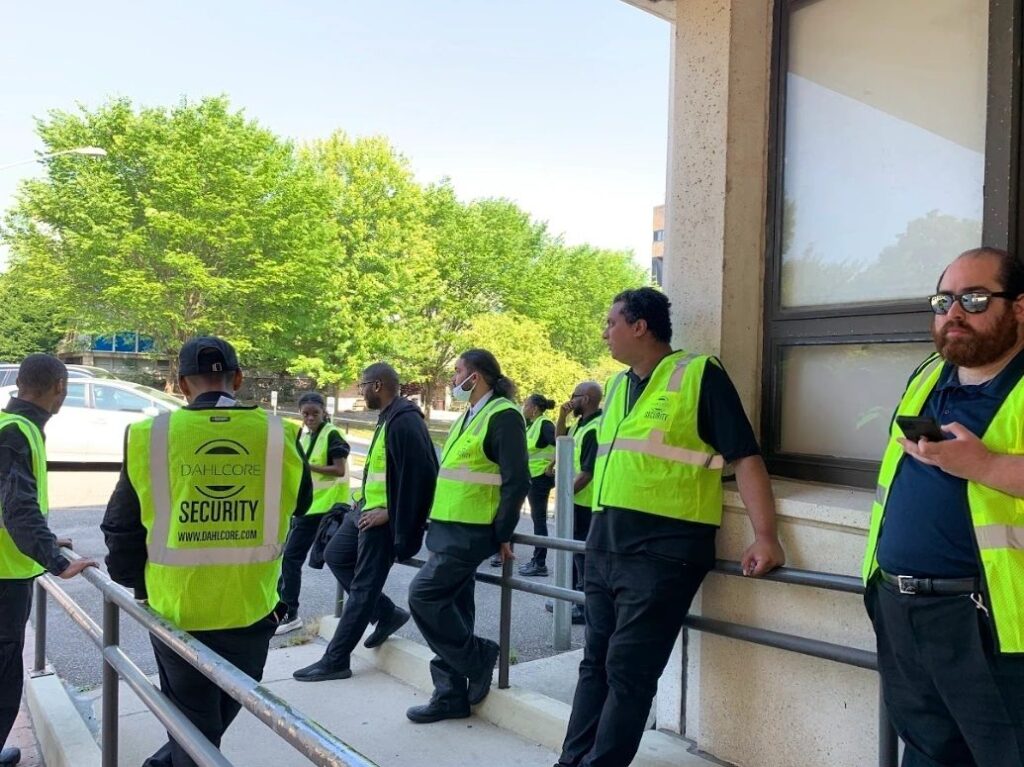
Safety First: Protecting Yourself and Others
Your safety and that of others involved should be the top priority:
- Create a Safe Space: If possible, move the discussion to a quieter area free of onlookers to reduce external stressors.
- Know When to Call for Help: If the situation becomes physically dangerous, don’t hesitate to involve security or law enforcement.
- Ensure Physical Safety: Keep a safe distance, avoid physical contact, and position yourself near an exit if necessary.
Remaining vigilant about safety can prevent physical harm while maintaining control over the situation.
Role of Cultural Sensitivity in Conflict Resolution
Cultural awareness is key to resolving conflicts in diverse settings. Consider the following:
- Understand Cultural Differences: Recognize that different cultures have unique ways of expressing emotions and resolving disagreements.
- Adapt Your Strategies: Tailor your approach to fit the cultural context, such as respecting traditions or using culturally appropriate gestures.
- Avoid Biases: Approach each situation with an open mind and avoid making assumptions based on stereotypes.
Cultural sensitivity builds trust and reduces misunderstandings, paving the way for effective conflict resolution.
Handling Escalated Situations
When confrontations escalate, take decisive action:
- Respond to Imminent Violence: Use firm, clear commands like “Stop!” to interrupt aggressive behavior. Maintain a strong yet non-confrontational tone.
- Disengage Safely: If disengagement is necessary, leave calmly without sudden movements, and seek help immediately.
- Involve Authorities: Call the police or other emergency services if the situation becomes uncontrollable.
Knowing how to handle escalations ensures everyone’s safety while preserving dignity.
Post-Confrontation Steps
Once a confrontation has ended, it’s crucial to address the aftermath constructively. Here are key steps to ensure closure and growth:
- Reflect on What Happened: Analyze the confrontation to understand its triggers, your responses, and the effectiveness of your actions. This reflection helps you improve your conflict resolution skills for future situations.
- Address Unresolved Issues: If the issue remains partially unresolved, schedule a follow-up discussion in a calmer setting to clarify lingering concerns or misunderstandings.
- Offer or Seek Apologies: A sincere apology can rebuild trust and mend relationships. If you feel wronged, gracefully accept apologies to move forward positively.
These steps help transform a challenging situation into an opportunity for growth and improved communication.

Professional Training in Conflict Resolution
For individuals who frequently encounter high-stakes conflicts—such as managers, law enforcement, or teachers—professional training can provide invaluable tools.
- Benefits of Training: Structured programs teach advanced de-escalation strategies, communication techniques, and emotional intelligence. They also boost confidence when handling difficult situations.
- Popular Programs and Certifications: Look into courses like Crisis Prevention Institute (CPI) training, mediation certifications, or conflict resolution workshops offered by reputable organizations.
- Learning from Experts: Experienced trainers and mediators share real-world insights and case studies, giving you practical strategies you can apply immediately.
Investing in conflict resolution training equips you to handle confrontations effectively, fostering a safer and more harmonious environment.
Tips for Long-Term Conflict Management
Preventing future confrontations requires cultivating long-term habits and skills:
- Build Resilience: Strengthen your ability to stay calm and focused during stressful situations through regular mindfulness practices or stress management exercises.
- Practice Assertiveness: Stand firm on important matters while remaining respectful. Being assertive can prevent minor disagreements from escalating into major conflicts.
- Develop Emotional Intelligence: Improve your ability to recognize, understand, and regulate emotions—both yours and others. This skill helps you respond thoughtfully instead of reacting impulsively.
By fostering these habits, you create a foundation for navigating conflicts constructively over the long term.
FAQs on Handling Heated Confrontations
How can I stay calm in a tense situation?
Focus on deep breathing, grounding exercises, and reminding yourself to respond rather than react. Practice these techniques regularly to make them second nature.
What are the best techniques for de-escalation?
Use active listening, a calm tone, and non-threatening body language. Avoid inflammatory language and redirect focus to finding solutions.
When should I call the authorities?
If the confrontation becomes physically dangerous or threatens safety, call law enforcement or emergency services immediately.
How do cultural differences affect conflict resolution?
Cultural norms can influence communication styles and conflict triggers. Be mindful of these differences and adapt your approach to avoid misunderstandings.
What should I do if I can’t calm the other person down?
If de-escalation attempts fail, disengage safely and seek support from a neutral third party, such as a mediator or supervisor.
Are there any recommended resources for learning conflict resolution?
Consider books like Crucial Conversations by Patterson et al. or online courses from platforms like Coursera and Udemy that focus on conflict resolution skills.
Conclusion
Effectively managing heated and potentially dangerous confrontations is a vital skill in today’s interconnected world. By understanding the nature of conflicts, recognizing early warning signs, and employing proven de-escalation strategies, you can foster safer and more harmonious interactions. Remember, practice and preparation are key—invest time in learning conflict resolution techniques and applying them consistently.
Whether you’re navigating personal disagreements or workplace tensions, the tools outlined in this guide can help you resolve conflicts with confidence and compassion.
Check other blogs
Becoming an Armed Security Guard: 11 Expert Insights
Comprehensive Guide: Retaining Employee Records After Termination
