


If you run a small shop, you already know that every missing item hurts your bottom line. Retail theft prevention strategies: practical controls for small stores can turn quiet losses into clear savings by making your space harder to steal from but still friendly to real customers. In 2026, shrinkage is rising for many retailers, especially smaller ones that don’t have full‑time security teams.
Retail theft prevention strategies for small stores are the layout, policy, technology, and training steps that reduce shoplifting, internal theft, and fraud without turning your shop into a fortress. The goal is to cut risk while keeping the experience relaxed for genuine customers, not to create a high‑pressure environment.
The good news is that you don’t need a huge budget to cut theft. A mix of smart layout, simple technology, and trained staff can reduce loss and make your store feel safer for everyone. Think of it as building small layers of protection: each layer might be simple, but together they push most thieves to move on to an easier target.
Retail theft prevention strategies: practical controls for small stores work best when they are visible, consistent, and easy for your team to follow during real‑world busy shifts. This guide treats theft prevention as a practical, everyday part of running your shop—not as a one‑time project you set and forget.
Retail Theft Prevention Strategies: Practical Controls for Small Stores
Small retailers need a practical, step‑by‑step approach that fits limited staff, tight margins, and real‑world store layouts. Retail theft prevention strategies: practical controls for small stores focus on visible deterrents, clear policies, and everyday habits that reduce shrink without turning your shop into a fortress.
This guide walks through layout, lighting, in‑store procedures, basic security tech, and internal controls so you can build a theft prevention plan that matches your risk level and budget. The aim is to combine loss prevention with a welcoming customer experience, not sacrifice one for the other.
Understanding Retail Theft Risks in Small Stores
Small stores face different risks than big box chains. You have fewer staff on shift, tighter margins, and less room for error, which means one or two bad incidents can wipe out weeks of profit. Shoplifters know this and often target smaller shops because they expect less structure and fewer cameras.
Common risks include:
- Blind spots where staff can’t easily see customers.
- High‑value products are placed far from the counter.
- Busy rush periods where only one person runs the till and the floor.
- Informal policies that leave staff unsure what to do when they spot suspicious behavior.
These risks also change by location and store type, so a convenience store near a transit hub may face different patterns than a boutique in a quieter neighborhood. Understanding these risks is your starting point, because once you see where and how theft happens, you can match each risk with one or two specific controls that are realistic for your store.
Common Types of Theft in Small Retail Shops
Different theft types call for different responses, and knowing the pattern helps you pick the right tools. The most common kinds in small stores are:
- Opportunistic shoplifting: A customer pockets a small item when no one is looking.
- Organized theft: Small groups working together to distract staff and grab higher‑value products.
- Return fraud: People try to return items they never bought or bring in used goods as “new.”
- Internal theft: Employees under‑ring items for friends, steal cash from the till, or take stock from the back room.
For example, a lone teen grabbing candy at the checkout needs a different response compared to a team shifting expensive cosmetics into bags. Knowing the pattern helps you choose the right tools, from better shelf placement to stricter return rules and POS controls.
How Theft Affects Profit, Pricing, and Staffing
Theft is not just “a cost of doing business.” It directly cuts into profit, which can force you to raise prices or cut hours. Industry data shows that shrinkage, including theft, can consume a noticeable share of sales for many retailers each year.
For a small store, that means:
- Less money to reinvest in inventory and marketing.
- Pressure to reduce staff hours, which ironically makes theft even easier.
- Stress and burnout for owners and employees who feel unsafe or helpless.
By treating theft as a controllable problem, you protect your pricing, your team, and your long‑term growth. Strong controls can even become a selling point when customers feel your store is safer and better run.
Core Principles of Smart Loss Prevention
Instead of random rules, base your loss prevention strategies on a few simple principles.
- Visibility: People are less likely to steal when they feel seen.
- Control: Limit easy chances, like open back doors or untracked stock.
- Consistency: Have clear policies so every staff member responds the same way.
- Balance: Protect your store without making honest customers feel like suspects.
Every control you add should fit at least one of these ideas. If a rule or gadget doesn’t improve visibility, control, consistency, or balance, it’s probably not worth your time or budget.

Designing a Theft‑Resistant Store Layout
Your layout is your first silent security guard. A theft‑resistant layout makes it easy for staff to see customers and hard for thieves to disappear between tall shelves.
Aim for:
- Lower fixtures near entrances and exits so you can see who’s coming and going.
- Clear pathways from the counter to high‑risk aisles, so staff can walk over quickly.
- No “dead corners” where customers can stand completely out of sight.
In convenience stores or small groceries, it often helps to position the counter so it faces the door and key aisles instead of a blank wall. Even a slight shift in rack placement can dramatically improve sightlines.
Optimizing Sightlines, Aisles, and Fixtures for Visibility
Good sightlines are one of the cheapest, highest‑impact retail theft prevention strategies: practical controls for small stores. When staff have a clear view, they can both serve customers and spot problems early.
To improve visibility:
- Use shorter shelving where possible, especially near entrances and high‑risk areas.
- Keep aisles wide enough for a staff member and a customer to pass comfortably.
- Avoid huge cardboard displays that block views down the aisle.
Walk through your store as if you were a shoplifter. Anywhere you feel “hidden” is a place you should fix with layout changes, mirrors, or better lighting.
Placing High‑Risk Products Near Staff and Traffic
A small number of SKUs usually create most of your shrinkage. Think of small, valuable, and easy‑to‑pocket items like:
- Razors, cosmetics, and skincare.
- Vapes, lighters, and small electronics.
- Premium snacks, coffee, or supplements.
Place these items:
- Near the checkout counter.
- In well‑lit, busy zones with regular staff traffic.
- In locked or semi‑locked displays, if the loss is very high.
You can still make these products easy to browse by using clear cases or “display only” boxes while keeping real stock behind the counter.
Lighting and Visibility Upgrades on a Tight Budget
Lighting may not feel like a security tool, but it is, because dark corners and gloomy aisles invite theft. Low‑cost upgrades include:
- Replace burnt‑out bulbs immediately, especially in back aisles and corners.
- Switching to bright, even LED lighting in high‑risk zones.
- Keeping windows as clear as possible so people on the street can see inside.
Bright, open spaces feel safer, encourage more sales, and send a strong message that you’re paying attention.
Practical In‑Store Controls for Small Retailers
Once your layout and lighting are under control, layer in simple daily practices, because these don’t require fancy systems—just consistent habits.
Useful controls:
- Regular “floor walks” where staff straighten shelves and make eye contact with customers.
- Quick visual counts of key items at the start and end of each shift.
- A basic closing checklist that includes checking fitting rooms, back doors, and high‑risk shelves.
These habits reduce theft and also keep your store looking clean and professional.
Using Mirrors, Signage, and Customer Service as Deterrents
Mirrors and friendly service work together as subtle but powerful deterrents.
You can:
- Install convex mirrors at corners and long aisles to remove blind spots.
- Use simple signs like “For your safety, this area is monitored” near high‑theft sections.
- Train staff to greet everyone within a few seconds of entry and to check in politely with shoppers who linger in one spot.
Many small businesses see a drop in shoplifting after they improve greetings and staff presence alone, because potential thieves feel noticed.
Low‑Cost Tech Options: Cameras, Alarms, and Simple EAS
You don’t need a full enterprise system to benefit from technology, because even a small setup can pay off.
Consider:
- A basic 3–4 camera kit covering entrances, the counter, and high‑risk aisles.
- Door chimes that alert staff whenever someone enters or exits.
- Limited EAS (security tags) on your worst‑loss products only.
Modern cloud camera systems often let you review footage from a phone and connect clips to incidents, which is handy for training and evidence.
Securing Entrances, Exits, and Fitting Rooms
Entrances, exits, and fitting rooms are common pinch points where theft happens.
Smart controls include:
- Keeping the main entry in clear view of the counter.
- Using door‑mounted mirrors or cameras to watch people coming and going.
- Limiting how many items customers can take into fitting rooms and using numbered tags or a simple manual count.
- Keeping unused fitting rooms locked so people can’t slip in unseen.
If you have a back door, keep it closed, alarmed, or staff‑only, and avoid stacking product near it where thieves or dishonest staff can slip items out quickly.
Protecting High‑Value and High‑Shrink Items
For products that are often stolen or worth a lot, you may need stronger controls. Options include:
- Lockable peg hooks or sliding cases for small, expensive goods.
- “Dummy” display boxes on the shelf while real stock stays behind the counter.
- Tethered displays for electronics and accessories so customers can handle them, but not walk out with them.
Track how these changes affect sales and shrinkage. If a locked case hurts sales too much, try a hybrid approach, like keeping one or two items on open display and the rest secured.
Policies, Procedures, and Staff Training
Even the best equipment fails without clear rules, because written policies make expectations obvious and help protect you legally.
Key policies should cover:
- How to respond to suspected shoplifting.
- When to call a manager or the police.
- Rules around returns, discounts, and price overrides.
- Cash‑handling, including safe counts and deposits.
Keep these policies short, clear, and easy to find—think one‑page summaries at the counter or in the back room. For more ideas on small‑store procedures and policies, see the National Retail Federation’s Five to Thrive: Loss Prevention resource.
Writing Clear Incident and Shoplifting Response Procedures
Staff need to know exactly what to do when they see something suspicious. A simple approach is:
- Observe: Note what the person is wearing and doing, but don’t accuse.
- Engage: Use helpful service—“Can I ring that up for you?”—to remind them they’re seen.
- Report: If you still suspect theft, follow your store’s chain of command and document what happened.
Most experts recommend avoiding physical confrontation unless you are trained and local law and company policy clearly support it, because safety always comes first. You can also review external guidance on safe responses in this retail theft and staff safety article from WSPS.
Staff Training on Retail Theft Prevention Strategies: Practical Controls for Small Stores
Training doesn’t need to be long or boring, and short, regular sessions often work best.
Cover topics like:
- Common theft tricks seen in your specific store.
- How to greet customers confidently and consistently.
- How to follow your policies step by step.
- How to use cameras, tags, and the incident log.
Use real examples from your shop when possible. That makes the training feel more relevant and shows staff that you take their safety and your business seriously.
Creating a Safety‑First Culture that Still Feels Welcoming
You want your store to feel safe, not suspicious, so the goal is a culture where security and hospitality support each other.
You can:
- Praise staff who follow procedures and spot issues early.
- Explain to customers, when needed, that security steps are there to protect everyone.
- Avoid harsh, negative signs and instead use friendly, informative language.
When staff feel supported, and customers feel respected, you’re more likely to keep both loyalty and safety high.

Internal Theft and POS Controls
Internal theft is sensitive, but ignoring it is risky, because in many cases, employee‑related losses can equal or exceed customer shoplifting.
Key POS and process controls:
- User‑based logins so you can see who did each transaction.
- Limits on who can process refunds, voids, and discounts.
- Regular review of exception reports, such as frequent no‑sales, voids, or large refunds.
Clear, fair rules protect honest employees and make it obvious when something is wrong.
Spotting Internal Theft Red Flags
Watch for patterns instead of jumping to conclusions. Possible red flags:
- One staff member has a high rate of voids or refunds.
- Frequent cash shortages on the same shift.
- Products are missing mainly from areas where only one or two people work.
Use these signs as a reason to investigate, not to accuse, and check video, stock counts, and POS logs before making any decisions.
POS Permissions, Refunds, and Cash‑Handling Rules
Strong POS rules are another layer of retail theft prevention strategies: practical controls for small stores.
Best practices:
- Require manager approval or a second sign‑off for big refunds or manual price changes.
- Keep a written or digital record whenever you open the till without a sale.
- Count tills at shift change with two people present when possible.
These steps make it harder for anyone to quietly move money or stock out of your business.
Stockroom, Keys, and Access Control Basics
Your back room and stock areas hold a lot of value, so treat them as controlled zones.
Simple controls:
- Limit keys or access codes to staff who truly need them.
- Change codes and locks when employees leave.
- Keep stock organized so missing items stand out quickly.
An orderly stockroom is a security tool: it’s much harder for thieves to hide inside a tidy, well‑labeled space.
Inventory, Audits, and Using Data
Numbers tell a story, and regular counts and checks help you see where theft is happening.
Even small stores can:
- Do monthly or quarterly counts of high‑risk categories.
- Compare the physical stock to what your POS says should be there.
- Note any gaps in an incident log so you can connect patterns over time.
If you spot repeated losses from the same aisle or product line, that’s your signal to strengthen controls there.
Simple Inventory Counts and Shrink Tracking for Small Stores
You don’t need a full warehouse system to track shrinkage.
Try:
- A simple spreadsheet listing key items, expected quantity, counted quantity, and notes.
- Quick “mini‑audits” during slower periods instead of one huge annual count.
- Marking down which days and shifts see more discrepancies.
Over time, this data shows whether your theft prevention steps are working and where you still need help.
Using POS and Reports to Spot Patterns
Many modern POS systems, even basic ones, include useful reports.
Look for:
- Exception reports (voids, returns, discounts).
- Time‑of‑day and day‑of‑week sales and shrink patterns.
- Products with frequent returns or negative margins.
If you notice, for example, that most “mystery losses” happen late on weekend evenings, you can add staff, adjust layout, or increase monitoring at those times.
Building a Theft Incident Log and Daily Checklist
A simple log can be a game-changer.
For each suspected or confirmed incident, record:
- Date and time.
- Location in the store.
- Items involved, if known.
- What behavior did you see, and what action did you take?
Combine this with a daily or weekly checklist covering things like camera checks, fitting room checks, and high‑risk shelf counts, and this keeps everyone on the same page.

Local Factors and 2026 Theft Trends
Recent reports show that retail theft, including organized groups, continues to rise in many regions. Small stores are affected when these groups shift from big malls to neighborhood shops.
Pay attention to:
- Local news and police alerts.
- Business association meetings and newsletters.
- Insurance updates about common claims in your area.
These sources help you see which products and tactics are currently trending among thieves so you can adjust ahead of time.
Current Retail Theft Trends Affecting Small Shops
Some current trends include:
- Organized groups targeting small convenience and specialty stores.
- Increased return fraud and digital payment scams.
- More aggressive shoplifting in some cities is leading to higher safety concerns for staff.
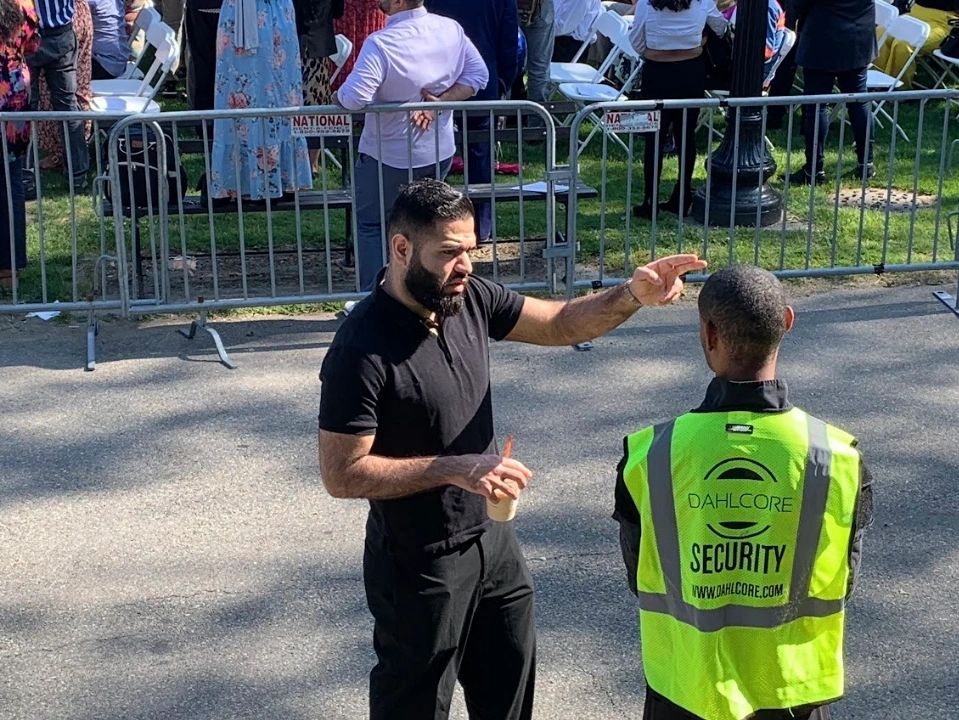
This doesn’t mean you should panic; it means you should prioritize, protect your staff, and design a clear plan tailored to your actual risk level. In some neighborhoods, store security guards prevent shoplifting and theft by providing a visible, professional presence.
Working with Local Police, Insurers, and Business Groups
You’re not alone in this fight, because local partners can add support and information.
Consider:
- Joining local retail or chamber groups that share security tips.
- Ask your insurer for loss‑prevention checklists and training materials.
- Sharing key incident details with police when a pattern appears.
These relationships can also help if you ever need to file claims or press charges.
Balancing Security, Customer Experience, and Brand Image
Too much visible security can scare away honest customers, but too little invites theft, so the goal is a calm, confident middle ground.
You can:
- Keep controls focused on specific high‑risk areas instead of locking down the whole store.
- Use friendly language on signs and policies.
- Explain new controls to regulars if they ask, emphasizing safety and fairness.
When handled well, customers see your security as part of good service, not mistrust.
How to Build a Step‑By‑Step Theft Prevention Plan
To pull everything together, create a simple plan that you revisit regularly.
- Step 1 – Assess: Walk the store, review incidents, and list your top five risks by area or product type.
- Step 2 – Prioritize: Decide which 2–3 retail theft prevention strategies, practical controls for small stores, you’ll apply first.
- Step 3 – Implement: Change layouts, update policies, and install any low‑cost tech, focusing on your biggest risks.
- Step 4 – Train: Run a quick staff session on the new rules and tools so everyone responds the same way.
- Step 5 – Review: After 60–90 days, check shrink, staff feedback, and customer response, then adjust as needed.
Repeat this cycle once or twice a year so your plan keeps up with new trends and store changes.
Prioritizing Retail Theft Prevention Strategies: Practical Controls for Small Stores by Budget
Here’s a simple way to think about actions by budget level.
- Very low / no budget – Focus: staff behavior and layout
- Better greetings, tidy shelves, clear sightlines, a simple incident log, and basic policies.
- Low budget – Focus: physical visibility tools
- Convex mirrors, brighter bulbs, minor fixture moves, and stronger fitting room rules.
- Moderate budget – Focus: entry‑level tech
- 3–4 cameras, limited EAS on hot items, basic POS reporting, and inventory software.
- Higher budget – Focus: integrated security
- Smart video analytics, advanced reporting, professional audits, and security partners.
Start where you are, because even no‑cost changes can reduce shrink and make later investments easier to justify.
Implementation Timeline and Assigning Responsibilities
To make your plan real, attach dates and names to each action. Break the work into small tasks that fit around daily operations.
For example, you might assign layout changes and lighting checks to one week, then schedule staff training and policy updates the following week. Clear ownership helps prevent good ideas from stalling.
Monitoring Results and Updating Your Strategy Each Year
Make theft prevention a regular part of running your business, not a one‑time project.
At least once a year:
- Review shrink numbers and key product categories.
- Rewalk your store layout and look for new blind spots.
- Update policies and training based on what you learned.
This steady, small‑step approach keeps your store safer without overwhelming you or your team.

FAQs About Retail Theft Prevention Strategies: Practical Controls for Small Stores
What are the most effective retail theft prevention strategies: practical controls for small stores on a tiny budget?
The most effective low‑budget strategies are improving visibility, greetings, and shelf organization, then adding mirrors and simple policies like clear return rules and fitting room limits. Start with staff behavior, tidy displays, and basic incident logging before moving to paid technology.
How can I cut theft without making customers feel watched?
You can cut theft by using friendly service, clean layouts, and subtle cameras while reserving heavy measures like locked cases only for the highest‑risk items. Focus your strictest controls on specific products and areas rather than treating every customer like a suspect.
Do small shops really need cameras for theft prevention?
Small shops do not always need cameras, but a few covering entrances, the counter, and hot spots can deter theft and provide helpful evidence when incidents occur. Cameras also support internal investigations and staff training on real situations.
How often should I review my theft prevention plan?
You should review your theft prevention plan at least once a year or whenever you see a spike in shrinkage, a layout change, or new theft patterns. Shorter quarterly check‑ins around high‑risk seasons can help you stay ahead of problems.
What’s the safest way to handle suspected shoplifters?
The safest approach is to teach staff to observe, document, and follow store procedures while avoiding physical confrontations and involving police when policies and local law support it. Safety for employees and customers should always outweigh the value of any single item.
Which products should I secure first in my store?
Secure small, high‑value, and frequently stolen products first, based on your own counts and POS data. Typical examples include cosmetics, razors, electronics accessories, premium alcohol, and branded apparel.
Conclusion and Next Steps for Small Store Owners
You don’t need a huge budget or a security team to make a big difference in theft. By tightening your layout, training staff, using simple tech, and reviewing data regularly, you can protect your profits and your people.
Start small: pick three practical controls from this guide, implement them this month, and track the results so you can build on what works. Over time, those small steps add up to a safer store, more confident staff, and a better experience for honest customers.
Explore our other blog posts here
Walmart Loss Prevention: 7 Myths vs What Really Happens In-Store
7 Eye-Opening Facts: How Long Can Loss Prevention Detain You?
What Does Loss Prevention Do? Roles, Limits, and Store Procedures
