

Store Security
In the bustling world of retail, the security of your store is paramount. As the front line against shoplifting and theft, a robust security system not only protects your merchandise but also fosters a safe environment for staff and customers alike. The importance of store security cannot be overstated, with businesses losing billions annually to theft. This article delves into the significant role security guards play in deterring and managing these losses, ensuring your business thrives in a secure and trustworthy setting.
Roles of Security Guards in Preventing Shoplifting
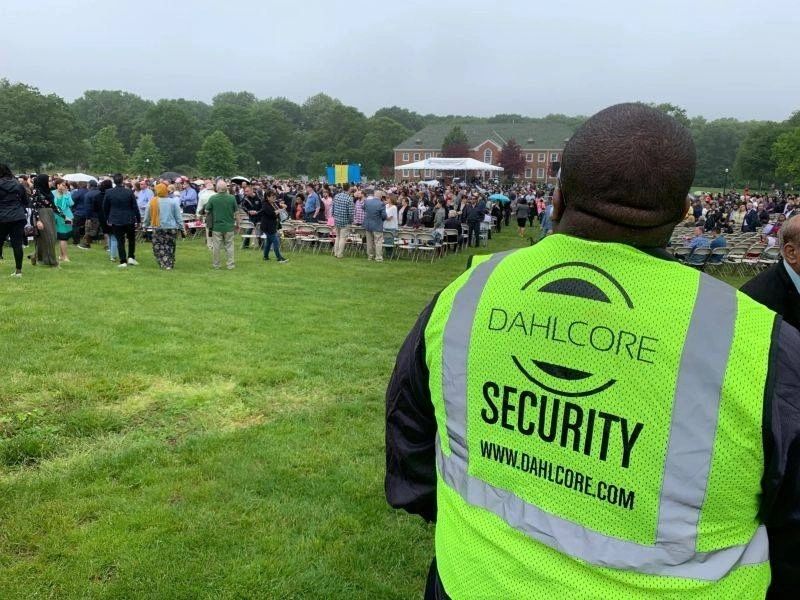
Visible deterrence is one of the critical roles of security guards. Their presence alone can significantly reduce the likelihood of theft. However, their responsibilities extend far beyond mere presence. Through active monitoring, they keep a watchful eye on the premises, using their training to spot suspicious behavior before it culminates into an incident. Moreover, guards engage in customer service, often doubling as the first point of contact. This dual role not only aids in theft prevention but also enhances the overall customer experience, making your store a preferred destination.
Strategies for Effective Security Guarding
To maximize their impact, security guards need to employ various strategies. Patrol patterns should be unpredictable and cover strategic areas known for higher incidents of theft. Technology, too, plays a crucial role. From surveillance cameras to RFID tags, integrating technology with physical guarding amplifies the effectiveness of your security measures. Coordination with store management is also vital. Regular training sessions, updates on store layouts, and awareness of high-value items all contribute to a more effective guarding strategy.
Training Guards for Store Security
The effectiveness of security guards largely hinges on their training. Essential skills for preventing theft include keen observation, understanding shopper behavior, and the ability to react swiftly and appropriately in various scenarios. Guards must be trained in handling confrontations non-aggressively and de-escalating situations before they escalate into more significant issues. Furthermore, they should be well-versed in the legal aspects of detaining suspects, ensuring all actions comply with laws and store policies. Continuous training updates in these areas are vital in maintaining a capable and responsive security team.
Technology and Store Security
In this digital age, technology is a game-changer in enhancing store security. Surveillance systems act as eyes in every corner, recording activities and assisting in post-incident analysis. Alarm systems alert guards to potential breaches, while integrated systems bring together various technologies, providing a cohesive security setup. The integration of these technological solutions with the on-ground presence of security guards creates a robust defense against theft and shoplifting.
Customer Behavior and Theft Prevention
Understanding customer behavior is crucial in preventing theft. Security guards should be trained to identify and respond to suspicious activities subtly and effectively. Engaging with customers isn’t just about service; it’s a strategy for theft prevention. A well-timed interaction can deter a potential shoplifter, signaling that their actions are being monitored. Guards need to balance vigilance with discretion, ensuring all customers feel welcome and respected while keeping a watchful eye on potential threats.
Store Design for Enhanced Security
The layout and design of a store can significantly impact its vulnerability to theft. Efficient store design includes clear visibility of high-risk areas, strategic placement of items, and the use of mirrors and lighting to eliminate blind spots. Signage can also play a role, reminding potential thieves that they are under surveillance. A well-designed store not only deters theft but also enhances the overall shopping experience, encouraging legitimate customers to return.
Legal Aspects of Shoplifting and Detention
Understanding the legal framework surrounding shoplifting and the detention of suspects is critical for any security operation. Guards must be aware of the rights of the accused and the legal procedures to follow when a theft occurs. This knowledge ensures that the store’s policies align with legal standards and that actions taken by security personnel do not violate individual rights. Cooperation with law enforcement is also a crucial aspect, ensuring that any handover of detained individuals is done professionally and legally. Keeping abreast of legal updates and maintaining clear, documented policies are essential for any retail operation.

Enhancing Store Security: How Guards Can Prevent Shoplifting and Theft
Security guards play a pivotal role in preventing shoplifting and theft within retail environments. Their presence acts as a deterrent to potential thieves, signaling that the store is actively monitoring for suspicious behavior. To enhance store security, guards are often trained in several key areas:
Vigilance and Awareness
Guards are trained to be observant, identifying suspicious behavior or individuals who seem out of place. They learn to spot the signs of someone intending to shoplift, such as nervous behavior, bulky clothing, or wandering without making purchases.
Customer Service as a Deterrent
Engaging with customers regularly not only improves the shopping experience but also deters theft. By asking if customers need help or by being visible in areas prone to shoplifting, guards can make it known that the area is being watched.
Use of Technology
Many guards are now equipped with tools like security cameras and radio communication. They can monitor CCTV feeds for any suspicious activity and communicate quickly with other staff or law enforcement if they spot a potential theft.
Loss Prevention Strategies
Guards are often trained in specific loss prevention techniques tailored to the store’s layout and standard theft methods. This includes understanding how to position themselves strategically in the store and identifying the most commonly stolen items.
Challenges in Retail Security
Retail security faces numerous challenges that require constant adaptation and enhancement of security measures:
Internal Theft
Employees can sometimes be the perpetrators of theft, making it a sensitive and challenging issue to address. Security measures must include vetting staff, conducting regular audits, and sometimes undercover surveillance.
Rising Sophistication of Thieves
As security technology evolves, so do the methods of thieves. They may use advanced tactics like jamming devices, coordinated group thefts, or cyber methods to bypass security systems.
Balancing Act
Retailers must balance the need for security with providing a pleasant shopping experience. Overbearing security measures can deter genuine customers, so finding the right balance is crucial.
Evolving Technology
Staying ahead of technological advancements is both a challenge and a necessity. Retailers need to continuously update their security systems to prevent vulnerabilities and to incorporate new solutions like AI and data analytics for predictive security.
Future of Retail Security
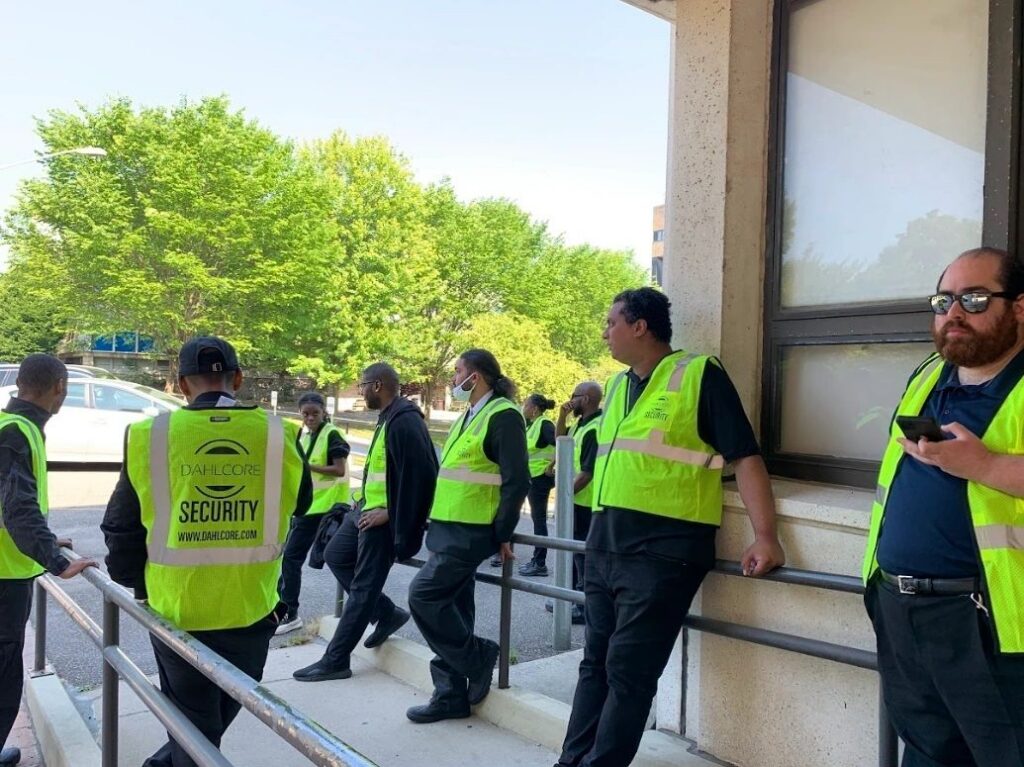
The future of retail security looks to be a blend of technology, human insight, and innovative practices:
Artificial Intelligence and Machine Learning
AI is expected to revolutionize retail security by providing predictive analytics, facial recognition for known shoplifters, and real-time anomaly detection in crowd behaviors.
Integrated Systems
Future security systems will likely be more integrated, combining video surveillance, data analytics, and mobile technology to provide comprehensive coverage and quicker response times.
Focus on Cybersecurity
As retail moves increasingly online, cybersecurity will become a significant part of retail security, protecting customer data and preventing cyber theft.
Employee Training and Participation
Future security measures will involve the entire retail team. Employees will be trained not only in essential security awareness but also in using technology to spot and report theft.
FAQs About Store Security and Guards
How effective are security guards at preventing shoplifting?
Security guards are highly effective as a deterrent and in active prevention, significantly reducing incidents of theft when properly trained and deployed.
Can technology replace security guards in retail stores?
While technology enhances security measures, it cannot replace the adaptability, decision-making, and human presence that guards provide, making them an essential component of comprehensive store security.
What should I look for when hiring security personnel for my store?
Look for well-trained individuals with experience in retail security, a solid understanding of legal aspects, and excellent customer service skills.
How do I balance tight security with a welcoming shopping environment?
Effective store design, professional guard demeanor, and customer service-focused approaches can create a secure yet inviting atmosphere for shoppers.
What are the legal considerations when detaining a suspected shoplifter?
Detention must comply with legal standards and store policies, respecting the rights of the individual while ensuring the safety and security of the premises.
How can I stay updated with the latest retail security strategies?
Regular training, attending industry seminars, and staying informed about technological advancements are vital to keeping your security measures current and effective.
Conclusion
In conclusion, enhancing store security is a multifaceted endeavor that demands a strategic mix of skilled security guards, advanced technology, and informed store design. Guards play an indispensable role in this mix, offering the human insight and flexibility that technology alone cannot provide. By understanding the legalities, embracing technology, and focusing on customer experience alongside security, retailers can create a safe, welcoming environment that deters theft and shoplifting effectively. Ultimately, investing in comprehensive store security is not just about loss prevention; it’s about building a trusted, enjoyable shopping space for customers and a secure workplace for employees, contributing to the overall success and longevity of the retail business.
Check other blogs:
How to Track Down a Missing Person: Unveiling the Mystery
How Do Police Get into Gated Communities? Unlocking the Secrets
Security Guards as Frontline Defenders Against Hospital Theft
Effective Communication Strategies for Construction Site Guards
