

In today’s fast-paced world, the security of physical spaces has become paramount. While technology offers robust solutions, there are situations where the presence of a human security guard is irreplaceable. This article delves into the nuances of using human security guards for physical access control, balancing technology and human intuition.
The Role of Human Security Guards
Basic Functions of a Security Guard
Human security guards play a pivotal role as the initial barrier against potential threats across various environments. Their mere presence often acts as a deterrent, dissuading potential wrongdoers from engaging in illicit activities. Equipped with specialized training, they possess the ability to swiftly identify suspicious behavior and effectively respond to emerging threats, thereby safeguarding the premises and its occupants.
Advantages of Human Intervention in Security
Human guards possess a unique blend of intuition and adaptability, allowing them to respond effectively to unpredictable situations that technology may struggle to navigate. Their capacity to make split-second judgment calls enables them to address unforeseen circumstances with creativity and sensitivity, complementing the rigidity of standard protocols. In scenarios where human interaction and nuanced decision-making are paramount, the invaluable contribution of human guards becomes evident, highlighting the indispensable role they play in security operations.
Situations Demanding Human Security Guards
High-Risk Areas: The Need for Human Surveillance
In high-risk environments such as financial institutions or sensitive governmental facilities, the presence of trained security personnel is paramount. Their expertise enables them to effectively monitor, evaluate, and respond to potential threats, ensuring the safety and security of the premises and its occupants. Through continuous training and preparedness, these professionals play a critical role in mitigating risks and maintaining the integrity of these vital institutions.
Sensitive Environments: When Technology Isn’t Enough
In settings such as hospitals and schools, the presence of human guards is essential to maintain a delicate balance between accessibility and security. Unlike purely technological solutions, human guards offer a nuanced approach, capable of assessing and responding to situations with empathy and understanding. Their presence not only deters potential security threats but also ensures that individuals feel safe and supported within these environments, contributing to a positive and conducive atmosphere for healing and learning.
Significant Events: The Importance of Crowd Management
Effective crowd management at significant events, such as concerts or sports events, relies heavily on the presence of trained security guards. These guards play a crucial role in maintaining orderly conduct among attendees and can swiftly respond to any emergencies that may arise. Unlike purely electronic systems, security guards bring a human element to crowd management, offering reassurance, adaptability, and the ability to make nuanced decisions based on the situation at hand.
Comparing Human Guards and Electronic Security Systems
Limitations of Electronic Security
Electronic systems excel in consistent monitoring tasks, diligently scanning for predefined patterns or anomalies. However, they often struggle to decipher nuanced situations or context-specific scenarios that may require human judgment and understanding. Human guards, drawing on their experience and intuition, play a crucial role in bridging this gap, offering a level of interpretation and decision-making that complements the capabilities of electronic systems.
Synergy Between Human Skills and Technology
In an ideal security scenario, the fusion of human expertise and electronic surveillance forms a robust defense system. Human skills contribute intuitive insights, adaptability, and the ability to interpret complex situations, offering a nuanced understanding that technology alone may lack. Electronic surveillance, on the other hand, provides continuous monitoring, data analysis, and the ability to detect patterns or anomalies beyond human capacity, thus creating a synergistic approach that maximizes effectiveness and minimizes vulnerabilities.
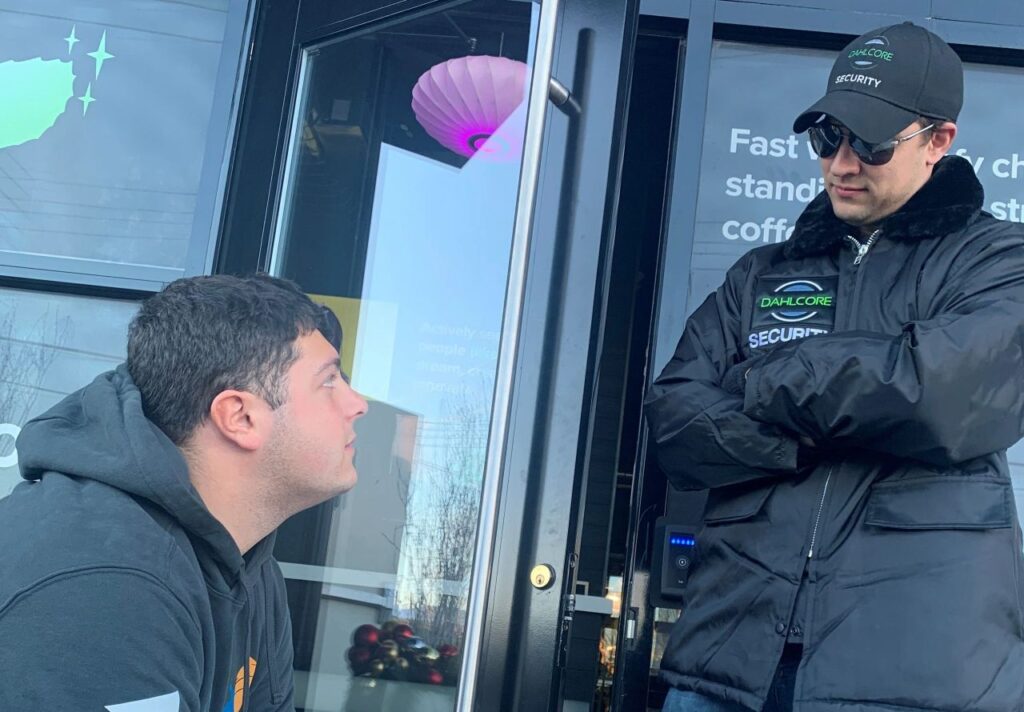
Essential Traits of Effective Security Guards
Physical and Mental Capabilities
Effective security guards must excel in their roles by combining physical prowess with sharp mental acuity. Their ability to remain alert and observant enables them to detect and respond swiftly to potential security threats. Quick decision-making skills are essential for assessing situations rapidly and implementing appropriate measures to maintain safety and security.
Communication Skills and Crisis Management
In critical situations, clear communication is paramount as it ensures that vital information is effectively conveyed to all parties involved. Security guards who possess excellent communication skills can swiftly and accurately relay instructions, reassuring individuals and maintaining order amidst chaos. Efficient crisis management further enhances their ability to assess, strategize, and act decisively, ultimately safeguarding lives and property in times of emergency.
Training and Preparedness
Training Protocols for Security Guards
Regular training and upskilling are imperative for security guards to ensure they are equipped to handle a diverse array of scenarios. From mastering essential access control techniques to effectively responding to emergencies, ongoing training enhances their proficiency and readiness. It not only bolsters their ability to maintain order and safety but also instills confidence in their capacity to adapt and protect in dynamic environments.
Scenario-based Training for Emergencies
Scenario-based training is a crucial tool for preparing guards to handle real-life situations with confidence and proficiency. By immersing them in simulated scenarios that mirror potential threats or emergencies, guards can develop the critical thinking skills and decision-making abilities needed to respond effectively under pressure. This type of training not only enhances their ability to assess situations quickly but also fosters adaptability, ensuring guards can effectively navigate dynamic and unpredictable environments.
Legal and Ethical Considerations
Understanding the Legal Boundaries
Security guards undergo comprehensive training to ensure they understand and operate within the legal framework governing their duties. This training emphasizes the importance of respecting individual rights, such as privacy and freedom from discrimination, while still effectively maintaining security. A deep understanding of legal boundaries enables security guards to effectively navigate complex situations, ensuring they uphold the law while protecting the safety and well-being of those they serve.
Ethical Implications in Security Enforcement
In security enforcement, ethical considerations serve as a critical framework guiding the actions of guards. They must skillfully navigate the delicate balance between ensuring safety and upholding the rights to privacy and dignity of individuals. Striking this balance requires careful judgment, empathy, and adherence to ethical principles, ultimately fostering an environment where security measures are effective without compromising the fundamental human values of respect and autonomy.

Technology in Support of Human Security
Advanced Tools for Security Guards
Emerging technologies such as AI-driven surveillance and biometric systems offer unprecedented capabilities to augment human guards, enhancing their effectiveness in various security settings. These technologies can analyze vast amounts of data in real-time, enabling quicker threat detection and proactive responses to potential security breaches. By leveraging AI and biometrics, human guards can focus their attention more efficiently, leading to a more robust and comprehensive security posture.
Integrating Technology with Human Skills
The fusion of technology with human skills in security operations results in a dynamic and resilient framework. While technology provides advanced tools for threat detection and analysis, human expertise adds contextual understanding and intuition crucial for decision-making. This synergy maximizes the effectiveness of security measures by leveraging the strengths of both technology and human capabilities to anticipate and respond to evolving threats comprehensively.
Challenges Faced by Human Security Guards
Addressing Common Issues and Solutions
Security guards encounter a multitude of challenges ranging from diffusing tense situations with potentially volatile individuals to effectively navigating and securing large crowds during events. Successfully addressing these challenges demands a combination of honed interpersonal skills, quick thinking, and a deep understanding of crowd dynamics. Experience plays a pivotal role in equipping security personnel with the intuition and adaptability needed to handle diverse scenarios efficiently and maintain safety and order.
Future of Physical Security
Predicting Trends in Security Management
In the evolving landscape of physical security, technological advancements are poised to play an increasingly integral role, offering enhanced surveillance, access control, and threat detection capabilities. However, human guards will remain indispensable, particularly in scenarios demanding nuanced judgment and adaptability beyond the capabilities of automated systems. Their expertise in assessing complex situations, handling unforeseen circumstances, and providing a human presence will continue to complement and enhance the effectiveness of technological solutions in safeguarding physical spaces.
The Evolving Role of the Human Element
As technology continues to advance, human security guards will increasingly play a more specialized and integral role in overall security strategies. While technological innovations such as surveillance cameras and AI-powered systems are valuable tools, human guards offer critical human judgment, intuition, and adaptability that machines cannot replicate. Their role may shift towards managing and interpreting data from various security technologies, responding to complex situations, and providing a human presence that reassures and deters potential threats effectively.
FAQs
What are the critical responsibilities of a human security guard?
Human security guards are primarily responsible for monitoring and protecting property against criminal activity and ensuring the safety of individuals on the premises. They actively patrol, respond to emergencies, and enforce security measures.
How do human guards complement electronic security systems?
Human guards add a critical layer of decision-making and physical intervention that electronic systems cannot provide, effectively interpreting and reacting to dynamic situations where automated responses may be insufficient.
In what scenarios are human guards preferable to electronic systems?
Human guards are particularly preferable in situations requiring direct interaction, such as crowd control, or where nuanced judgment is needed, like in dealing with specific security threats or emergencies.
What training do security guards undergo?
Security guards typically undergo training in surveillance techniques, emergency response, legal compliance, and effective communication, often including scenario-based exercises to prepare for real-world situations.
How do security guards handle legal and ethical issues?
They are trained to balance enforcing security measures while respecting legal boundaries and ethical standards, ensuring actions taken are within the law, and upholding individual rights and dignity.
What is the future outlook for human security guards in access control?
The future outlook for human security guards remains strong. There is an increasing emphasis on integrating their skills with advancing technologies to enhance overall security and access control effectiveness.
Conclusion
The role of human security guards in physical access control must be balanced. They offer a unique combination of intuition, judgment, and adaptability that complements technological solutions, ensuring a comprehensive approach to security. Their importance in various settings, from high-risk areas to significant public events, highlights their indispensable role in maintaining safety and order.
Check other blogs
The Role of a Security Guard in Crowd Control
How Do Police Get into Gated Communities? Unlocking the Secrets
The Surprising Truth: How Much Do Personal Security Guards Make?
Comprehensive Guide: Retaining Employee Records After Termination
