

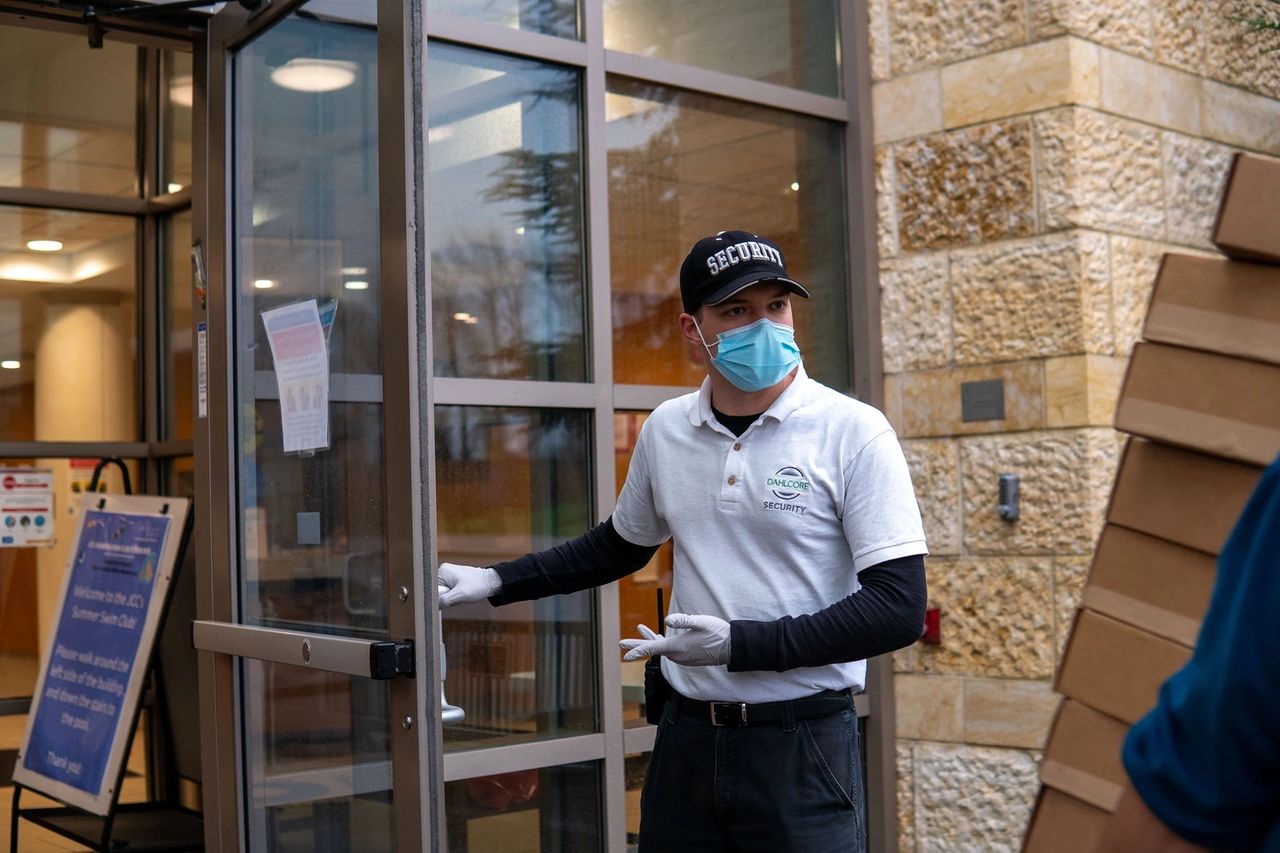
Hospitals are indispensable in our communities, providing essential healthcare to those in need. However, they can also become targets of criminals, placing patients, staff, and sensitive data at risk. In this article, we’ll look at ways hospitals can strengthen their security protocols to provide a safer environment for everyone involved.
The Importance of Hospital Security
Patient Safety
Hospital patients can often be at their most vulnerable in healthcare facilities, making their safety a top priority. An atmosphere conducive to recovery helps preserve their well-being and speed the healing process.
Staff Safety
Hospital staff, including doctors, nurses, and support personnel, deserve a safe working environment. Security improvements protect staff against threats of violence or theft, enabling them to focus their energy on providing quality care to patients.
Protection of Sensitive Information
Hospitals handle large amounts of sensitive information, including patient medical records and financial data. Ensuring the security of this information is essential to maintain patient trust and comply with privacy regulations.
Assessing Current Security Measures
Security Audit
To improve security, hospitals must first assess their current measures. A thorough security audit can identify vulnerabilities and potential threats, providing valuable insights to guide improvements.
Identifying Areas for Improvement
Once the security audit is complete, hospitals can prioritize improvement areas based on the identified risks and vulnerabilities. This process allows for targeted security enhancements and ensures resources are used effectively.
Physical Security Enhancements
Access Control Systems
Implementing advanced access control systems can help regulate who can enter specific areas within the hospital. These systems may include keycards, biometrics, or facial recognition technology to ensure only authorized personnel have access.
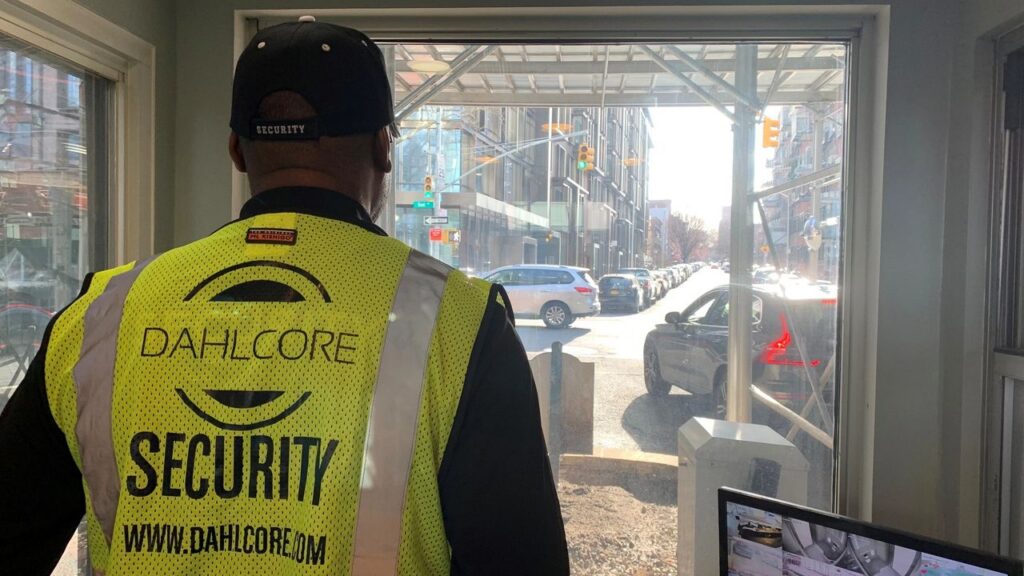
Security Cameras
Security cameras can serve as deterrents to criminal activity and as tools for investigating incidents, improving hospitals’ overall protection. Hospitals can enhance security by strategically placing cameras in high-risk areas and increasing patient safety.
Improved Lighting
Well-lit environments can discourage criminal activity and enhance patient and staff safety. Upgrading lighting systems in parking lots, entrances, and hallways can significantly improve overall security.
Staff Training and Awareness
Security Training Programs
Educating staff on security best practices can create a safety culture within the hospital. Training programs should cover identifying and reporting suspicious activity, responding to emergencies, and maintaining personal safety.
Emergency Preparedness
In addition to security training, staff should be well-versed in emergency response procedures. This includes regular drills to ensure everyone knows evacuation routes and communication protocols.
Enhance the safety of your premises with our top-notch security services in NYC! Our expert security guards are highly trained and equipped to provide a vigilant and protective presence, ensuring the utmost security for your business, event, or property. Whether you require round-the-clock monitoring, access control, or crowd management, our dedicated team is ready to safeguard your peace of mind. Don’t compromise on safety – choose Security Guards NYC today and experience unmatched protection tailored to your needs. Your safety is our priority!
Cybersecurity Measures
Network Security
As cyber threats continue to evolve, hospitals must take steps to secure their networks. This can involve implementing firewalls, intrusion detection systems, and robust password policies to safeguard against unauthorized access.
Encrypting sensitive data is essential to protect patient information and maintain compliance with privacy regulations. Hospitals should implement robust encryption methods for data at rest and in transit to stop unauthorized access.
Regular Software Updates
Maintaining software updates is critical in the fight against cyber threats, so hospitals must establish a regular practice for installing security patches and updates to safeguard their systems against known vulnerabilities.

Collaboration with Local Law Enforcement
Partnerships with local law enforcement agencies can enhance a hospital’s security strategy. By collaborating and sharing information, hospitals can benefit from the expertise of law enforcement professionals and receive support during emergencies or incidents.
Conclusion
Improving hospital security protocols is essential to protect patients, staff, and sensitive information. Hospitals can create a safer environment by conducting thorough security audits, implementing physical security enhancements, investing in staff training, and adopting robust cybersecurity measures. Collaboration with local law enforcement can strengthen security strategies and provide valuable support in times of need.
Click here to learn more. Choose a Security Guard for Physical Access Control
FAQs
Q1. What are the key components of an effective hospital security strategy?
An effective security strategy should include physical security enhancements, staff training, awareness programs, and robust cybersecurity measures.
Q2. Why is conducting a security audit important?
A security audit helps identify vulnerabilities and potential threats, providing valuable insights to guide security improvements and prioritize resource allocation.
Q3. What role does staff training play in hospital security?
Staff training and awareness programs help foster a hospital safety culture by equipping employees to identify, report, and respond effectively to potential security threats.
Q4. How can hospitals collaborate with local law enforcement to improve security?
Hospitals can form relationships with local law enforcement agencies to share information, utilize their expertise, and gain support during emergencies or incidents.
Q5. What are some examples of cybersecurity measures hospitals should implement?
Hospitals should secure their networks with firewalls and intrusion detection systems, encrypt sensitive data, and regularly update software to protect against known vulnerabilities.
Explore our other blog posts here
10 Basic Workplace Etiquette Rules You Must Follow
What Is a Central Fire Alarm? How It Works & Importance
Video Intercom System for Apartments: Features, Costs & Access
Best Security Monitoring Systems for Business: Top Solutions
