


Security is a top priority for businesses of all sizes. From physical threats like theft and vandalism to cyberattacks, companies face numerous risks. A reliable security monitoring system can safeguard your assets, ensure employee safety, and help maintain compliance with legal regulations.
With advancements in technology, modern security solutions are more sophisticated, offering AI-powered surveillance, cloud-based monitoring, and real-time alerts. In this guide, we’ll explore different types of security monitoring systems, their benefits, and how to choose the right one for your business.
Understanding Security Monitoring Systems
What is a Security Monitoring System?
A security monitoring system is a combination of hardware and software designed to detect, prevent, and respond to security threats in real time. These systems include video surveillance cameras, alarm systems, access control devices, and cybersecurity tools to monitor both physical and digital assets.
How Do Security Monitoring Systems Work?
Most security systems work by continuously monitoring business premises or digital networks for suspicious activities. When an unauthorized access attempt, movement, or breach is detected, the system sends instant alerts to business owners, security personnel, or law enforcement.
Types of Security Monitoring Systems
Video Surveillance Systems
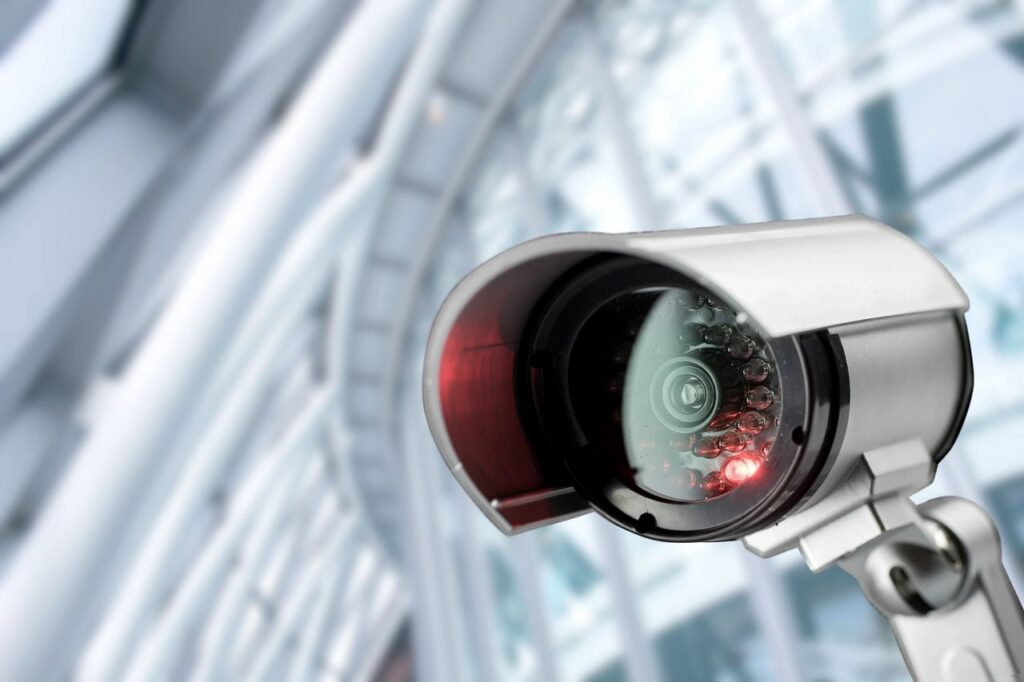
Video surveillance systems use CCTV cameras, motion sensors, and cloud-based storage to monitor business premises 24/7. These cameras help deter crime, provide visual evidence in case of incidents, and allow remote monitoring. Modern systems also include AI-powered analytics for facial recognition and behavior analysis.
Alarm Systems
Alarm systems detect unauthorized entry, fire outbreaks, or other emergencies using motion sensors, glass break detectors, and sound alarms. When triggered, they notify business owners or authorities instantly, helping to prevent major incidents. Some systems also integrate with mobile apps for real-time alerts and remote control.
Access Control Systems
Access control systems regulate who can enter specific areas of a business using keycards, biometric scanners, or PIN codes. They help prevent unauthorized access to sensitive zones, such as data centers or storage rooms. Advanced solutions also offer remote access management and activity tracking.
Cybersecurity Monitoring
Cybersecurity monitoring protects businesses from digital threats, such as hacking, phishing, and malware attacks. It involves firewalls, intrusion detection systems (IDS), and security software that continuously scan for vulnerabilities. AI-driven cybersecurity tools can also detect anomalies and prevent breaches before they occur.
Key Features of an Effective Security System
Real-Time Monitoring
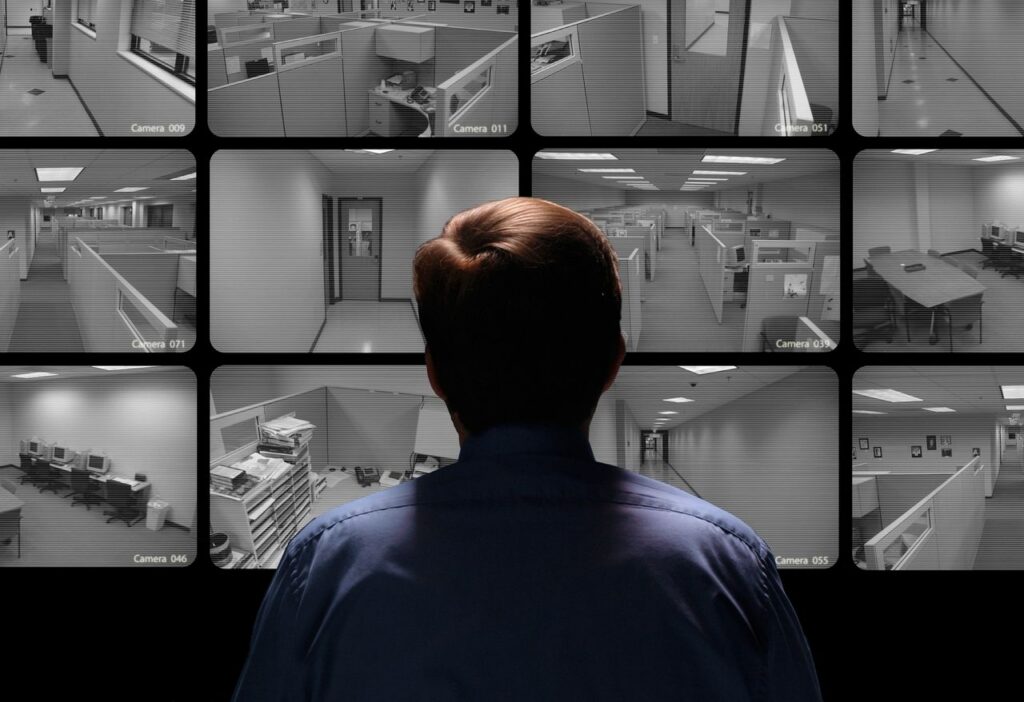
A good security system provides instant alerts when threats are detected, allowing quick responses to prevent damage. Real-time monitoring ensures businesses can track activities as they happen and respond accordingly. Many systems now offer live video feeds and AI-powered threat detection.
Cloud Storage Capabilities
Cloud-based security solutions allow businesses to store video footage, access logs, and security data remotely. This eliminates the risk of losing data due to hardware failures or theft. Cloud storage also enables easy retrieval of past footage for investigation purposes.
AI-Powered Analytics
Artificial intelligence enhances security systems by automatically detecting unusual patterns and predicting threats. AI-powered analytics can identify suspicious activities, recognize faces, and filter out false alarms. These intelligent features improve accuracy and reduce manual monitoring efforts.
Remote Access and Control
Modern security systems enable remote access via mobile apps or web portals, allowing business owners to monitor security from anywhere. Remote access lets users check video feeds, receive alerts, and control access points in real time. This flexibility ensures security management is convenient and efficient.
Benefits of Security Monitoring Systems for Businesses
Prevention of Theft and Vandalism
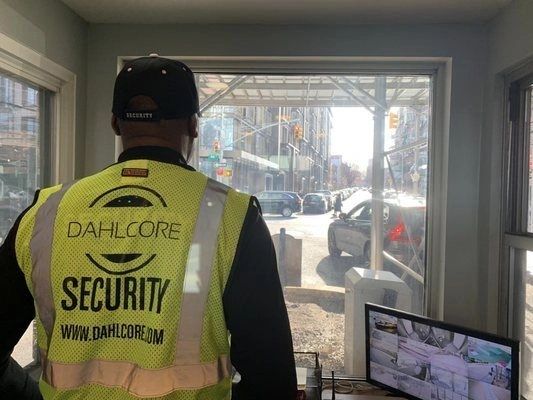
A security system serves as a strong deterrent against theft, vandalism, and unauthorized activities. Criminals are less likely to target businesses with visible surveillance cameras and alarm systems. In case of incidents, recorded footage provides crucial evidence for law enforcement and insurance claims.
Employee Safety and Productivity
A secure workplace promotes employee well-being, reduces stress, and enhances productivity. Employees feel safer knowing that security measures are in place to protect them from external threats. Security monitoring also helps prevent workplace harassment and misconduct.
Compliance with Regulations
Many industries have strict security regulations, such as data protection laws, fire safety requirements, and employee privacy policies. Implementing a security monitoring system helps businesses comply with these laws and avoid legal penalties. Compliance also builds trust with customers and stakeholders.
Lower Insurance Costs
Businesses with robust security systems often qualify for lower insurance premiums. Insurance companies view security measures as risk-reducing factors, leading to reduced costs. In case of incidents, documented evidence helps businesses process insurance claims more effectively.
Choosing the Right Security System for Your Business
Assessing Business Needs
Before investing in a security system, businesses should evaluate their security risks, operational requirements, and budget. Small businesses may need simple alarm systems, while large enterprises require integrated security solutions. Conducting a security audit helps identify the best approach.
Scalability and Flexibility
A good security system should be scalable to accommodate business growth and flexible enough to adapt to new threats. Businesses should choose solutions that allow easy upgrades, additional cameras, and integration with other systems. This ensures long-term security effectiveness.
Budget Considerations
Security investments should balance cost, quality, and long-term value. While budget constraints may limit initial choices, businesses must focus on ROI. High-quality systems may have higher upfront costs but provide better security, fewer false alarms, and reduced maintenance expenses.
FAQs
What is the best security monitoring system for small businesses?
The best security system for small businesses depends on their needs, but popular choices include Ring, ADT, and Arlo for video surveillance and alarm monitoring.
How much does a business security system cost?
The cost varies based on system type and features, ranging from $500 for basic setups to $10,000+ for advanced enterprise solutions. Monthly monitoring fees may also apply.
Are cloud-based security systems safe?
Yes, cloud-based systems use encrypted storage, multi-factor authentication, and AI-driven threat detection to ensure security. However, businesses should choose reputable providers and implement cybersecurity best practices.
Can security cameras help reduce insurance costs?
Yes, insurance companies often offer discounted premiums to businesses with security systems, as they reduce risks of theft, vandalism, and fraud.
What should I do if my security system is hacked?
If a security breach occurs, immediately change passwords, update firmware, review access logs, and contact security experts to mitigate the risk.
How often should I update my security software?
Security software should be updated regularly, at least once a month, to patch vulnerabilities and enhance protection against new threats.
Conclusion
Security monitoring systems play a vital role in safeguarding businesses from physical threats. Investing in a robust security solution can help enhance safety, minimize losses, and ensure adherence to regulatory standards. Modern security technologies, powered by advancements in AI and cloud computing, provide enhanced accuracy and real-time surveillance capabilities, along with the convenience of remote management. The selection of an appropriate security system should consider the specific needs of the business, its scalability, and budget constraints. Prioritizing physical security through these systems is a wise decision for any business. For more information on compliance and regulations, you can visit the official government site at U.S. Department of Homeland Security.
Check other blogs:
Unarmed vs Armed Security Guards: Choosing What’s Best for You
Enhancing Security with VIP Security Services
Secure Your Event with Professional Event Security Services
Enhancing Patient Safety: The Critical Role of Hospital Security
