

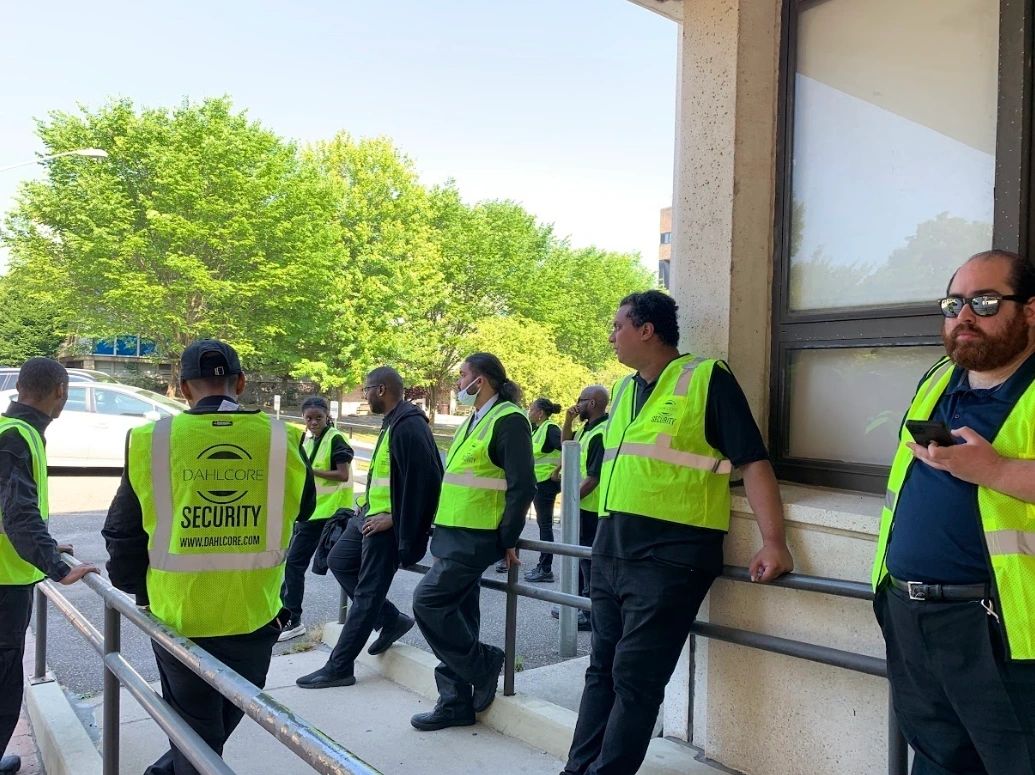
In the ever-evolving landscape of the hotel industry, security has emerged as a cornerstone for success. This article delves into various facets of this critical aspect, illustrating through case studies how hotels have triumphed over challenges to ensure guest safety and satisfaction.
The Genesis of Hotel Security: A Historical Overview
The evolution of hotel security has undergone a remarkable transformation, starting with rudimentary measures such as simple locks and manual surveillance. Over time, advancements in technology and a heightened focus on guest safety have propelled the industry towards state-of-the-art systems encompassing electronic keycards, surveillance cameras, access control systems, and even biometric authentication, marking a significant shift towards ensuring a more secure and comfortable stay for hotel guests in the modern era.
Pioneering Safety: Early Examples in Hospitality
The early implementation of security measures in landmark hotels played a pivotal role in establishing industry standards for safety and guest protection. These iconic establishments not only introduced critical innovations like electronic key card systems and surveillance cameras but also set a precedent for rigorous staff training and guest screening, shaping the foundation of modern hotel security practices worldwide.
Technological Evolution: From Locks to Digital Safeguards
The evolution of hotel security has witnessed a remarkable transition from traditional lock-and-key systems to cutting-edge digital solutions. In the past, hotels relied on physical keys and manual locks to secure guest rooms. Still, today, advancements in technology have introduced biometric access control systems, keyless entry through smartphone apps, and sophisticated surveillance innovations such as AI-powered cameras and facial recognition, revolutionizing the way hotels ensure the safety and privacy of their guests.
Case Study Compilation: Success Stories from Around the Globe
This section offers a curated collection of case studies from various hotels worldwide, showcasing their unique security strategies and outcomes.
Overcoming Adversity: Security Triumphs in Challenging Scenarios
Hotels have successfully navigated security crises by implementing comprehensive emergency response plans that address a wide range of threats, including natural disasters and artificial incidents. They have invested in advanced technology for early warning systems, security personnel training, and crisis communication protocols to ensure the safety of guests and staff while also maintaining a positive reputation through transparent communication and swift action in the face of adversity.

The Role of Leadership: Steering Hotels to Safety
Effective leadership plays a crucial role in implementing and maintaining robust security measures in hotels by providing clear direction, setting priorities, and fostering a culture of vigilance among staff. Strong leadership ensures that security protocols are not only established but also consistently enforced, creating a safe and secure environment for both guests and employees.
Security Success Stories: Case Studies in the Hotel Industry
One notable security success story in the hotel industry is the implementation of advanced key card technology, which has dramatically enhanced guest trust and loyalty. By using secure electronic critical cards with unique codes that expire after each stay, hotels have not only reduced the risk of unauthorized access but also provided guests with a sense of security, leading to increased loyalty and positive reviews.
Additionally, many hotels have invested in cybersecurity measures to protect guest data, earning the trust of guests who are increasingly concerned about the security of their personal information when making reservations and payments online. These proactive security measures have not only prevented data breaches but also strengthened guest trust and loyalty in the hospitality industry.
Transforming Challenges into Opportunities: A Proactive Approach
Hotels have successfully transformed potential security threats into opportunities for improvement and innovation by embracing cutting-edge technologies. By implementing advanced access control systems, biometric authentication, and intelligent surveillance solutions, they have not only enhanced the safety of guests and staff but also improved the overall guest experience. Additionally, hotels have leveraged data analytics to proactively identify and address security risks, allowing them to stay ahead of potential threats and continuously refine their security protocols.
Guest Perspectives: Satisfaction and Safety Intersect
Enhanced security measures, such as improved surveillance, stringent access control, and thorough background checks, have significantly bolstered guest satisfaction by creating a safer and more reassuring environment for visitors. As a result, guests are more likely to feel comfortable and valued during their stay, leading to higher levels of trust in the establishment and increased repeat business, as they are more likely to choose the same secure and trustworthy venue for future visits.
Innovative Security Solutions: Pioneering Techniques and Technologies
Hotels are increasingly adopting innovative security solutions to enhance the safety and privacy of their guests. These measures include leveraging Artificial Intelligence (AI) for facial recognition and anomaly detection, integrating Internet of Things (IoT) devices for monitoring and controlling access to rooms and facilities, and implementing robust cybersecurity measures to protect guest data and prevent cyberattacks. These advancements not only improve the overall guest experience but also ensure that hotels remain a secure and trustworthy choice for travelers in an increasingly digital and interconnected world.
Beyond the Lock: Holistic Security Approaches
Hotels are increasingly embracing holistic security strategies that blend physical, digital, and human elements to ensure the safety and well-being of their guests and staff. This approach involves implementing robust surveillance systems, access control measures, and cybersecurity protocols to protect against physical threats and digital breaches while also emphasizing the importance of well-trained personnel who can respond effectively to various security incidents, creating a comprehensive security ecosystem that addresses both traditional and emerging threats in the hospitality industry.

Predictive Security: Anticipating and Preempting Threats
Hotels are increasingly leveraging predictive analytics and threat assessment tools to address potential security issues proactively. By analyzing historical data, these tools can identify patterns and trends that may indicate security risks, such as unusual guest behavior or sudden spikes in booking cancellations. Additionally, hotels can use real-time monitoring and threat assessment technologies to track guest and staff movements, allowing them to respond swiftly to any emerging security threats, ultimately enhancing the safety and security of their guests and property.
Training and Preparedness: The Human Element of Hotel Security
Staff training and preparedness play a pivotal role in ensuring the maintenance of a secure environment. When employees receive thorough training in security protocols and are well-prepared to handle potential threats or emergencies, they become a critical line of defense against security breaches. Their knowledge and readiness empower them to identify and respond to risks effectively, contributing to a safer and more secure environment for both employees and stakeholders.
Empowering Staff: Training for Crisis Management
Comprehensive training programs for hotel staff play a crucial role in ensuring the effective handling of various security scenarios. These programs typically encompass a range of topics, including emergency response protocols, guest safety measures, conflict resolution techniques, and the proper use of security equipment, all of which empower hotel staff to swiftly and confidently address security challenges and prioritize the well-being of guests and employees. Through hands-on training and continuous education, hotel staff are equipped with the skills and knowledge necessary to mitigate potential security risks, maintain a safe environment, and provide exceptional service to guests, contributing to the overall success and reputation of the establishment.
Building a Security Culture: Awareness and Vigilance
Fostering a culture of security awareness among hotel staff is essential for enhancing overall safety within the hospitality industry. By providing comprehensive training and regular reminders about security protocols, hotel employees become more vigilant and prepared to detect and respond to potential threats, ensuring the safety and well-being of guests and colleagues alike. This proactive approach not only minimizes the risk of security incidents but also enhances the reputation of the hotel as a safe and secure destination, thereby attracting more guests and fostering trust in the brand.
Security Standards and Regulations: Navigating the Legal Landscape
The legal and regulatory framework governing hotel security typically includes a combination of federal, state, and local laws and regulations. These may encompass fire safety codes, building occupancy limits, surveillance camera requirements, access control measures, and employee background checks. Compliance with these regulations is essential for hotels to ensure the safety and security of their guests and staff, as well as to avoid potential legal liabilities. Success stories in the hotel industry often highlight how strict adherence to security regulations not only enhances the overall guest experience by providing a safe environment but also safeguards the hotel’s reputation, leading to higher occupancy rates, positive reviews, and repeat business. In cases where hotels go above and beyond the minimum security requirements, they may differentiate themselves from competitors, and attract a loyal customer base.

Adherence and Excellence: Meeting and Exceeding Standards
Hotels achieve excellence in security by adopting a multi-faceted approach that goes beyond merely meeting minimum standards and regulations. They invest in state-of-the-art surveillance systems, employ trained security personnel, conduct regular security audits, and implement robust access control measures to ensure the safety and well-being of their guests. Additionally, hotels often engage in ongoing staff training and collaborate with local law enforcement agencies to stay ahead of emerging security threats, thus exceeding regulatory requirements to provide a secure and comfortable environment for their guests.
Global Best Practices: Learning from International Norms
International security standards play a crucial role in shaping practices within the hotel industry by providing a framework for ensuring the safety and well-being of guests and staff. These standards, such as those set by organizations like the International Standards Organization (ISO) and the World Health Organization (WHO), influence hotel practices by dictating guidelines for areas like physical security, health and hygiene protocols, and emergency preparedness, thus helping hotels maintain a secure and welcoming environment for travelers worldwide.
FAQs
How has hotel security evolved over the years?
Answer: The evolution of hotel security has seen a transition from basic lock-and-key systems to advanced digital solutions, including biometric access and comprehensive surveillance systems.
What role does technology play in modern hotel security?
Answer: Technology is pivotal in modern hotel security, offering innovative solutions like AI-driven surveillance, IoT integration for real-time monitoring, and cybersecurity measures to protect digital data.
How do case studies of successful hotel security impact the industry?
Answer: Case studies provide valuable insights and best practices, serving as blueprints for other hotels to enhance their security measures and guest satisfaction.
What is the significance of staff training in hotel security?
Answer: Staff training is crucial, as it equips employees with the necessary skills and knowledge to effectively manage security crises and maintain a safe environment.
How do international security standards influence hotel security?
Answer: International standards set benchmarks for safety and security, guiding hotels to adopt best practices and maintain high levels of guest protection.
What are the future trends in hotel security?
Answer: Future trends include the integration of more advanced technologies, predictive analytics for threat assessment, and adapting to new security challenges.
Conclusion
Solidifying Trust: The Ultimate Reward of Robust Security
Robust security measures play a pivotal role in solidifying guest trust and ensuring the long-term success of hotels in the hospitality industry. When guests feel safe and confident in their surroundings, it fosters a positive guest experience and encourages repeat visits and positive reviews, ultimately driving customer loyalty and revenue. Moreover, in an era of increasing concern over personal data privacy and cybersecurity, hotels that invest in advanced security technologies and protocols demonstrate a commitment to safeguarding guest information, further enhancing their reputation and competitiveness in the market.
Check other blogs
How to Make Your Gated Community More Secure
Key Skills for Security Guards: A Comprehensive Guide
Security Guards Job Description: Optimistic Career Opportunity
Designing a Robust Commercial Security System: Best Practices
Check also our Hotel Security
