


Hospitals are more than just centers for medical treatment; they are complex ecosystems requiring meticulous management, particularly regarding visitor access. Security guards play a pivotal role in this aspect, ensuring a safe and orderly environment. This article delves into their responsibilities, challenges, and the strategies they employ to manage visitor access in hospitals effectively.
The Role of Security Guards in Ensuring Hospital Safety
Understanding Their Responsibilities
Security guards in hospitals play a crucial role as the first line of defense by not only managing visitor access but also maintaining a safe and secure environment for everyone within the healthcare facility. Their responsibilities extend to monitoring surveillance systems, responding to emergencies, diffusing potential conflicts, and assisting with the protection of valuable medical equipment and sensitive patient information, all contributing to the overall well-being and smooth functioning of the hospital.
Techniques for Effective Visitor Management
Managing visitors in a hospital setting necessitates a delicate balance of diplomacy and assertiveness. Security personnel employ a range of strategies, such as thorough visitor screening and vigilant surveillance system monitoring, to guarantee that only authorized individuals are granted access to the facility, ensuring the safety and privacy of patients and staff.
Streamlining Visitor Access: Strategies and Challenges
Implementing Advanced Access Control Systems
As technology continues to advance, hospitals are embracing increasingly sophisticated access control systems to enhance security and protect patient information. Security guards are essential in managing and operating these systems, which can include biometric scanners for personnel authentication and ID badge systems for staff identification, ensuring that only authorized individuals gain access to restricted areas, ultimately safeguarding the hospital environment and patient confidentiality.
Addressing Challenges in High-Traffic Situations
Hospitals frequently encounter situations with high levels of foot traffic, particularly during emergencies when numerous individuals rush to seek medical attention. Effectively managing this influx of visitors can place a significant demand on hospital security personnel, who must ensure order and safety while also addressing the immediate medical needs of patients.
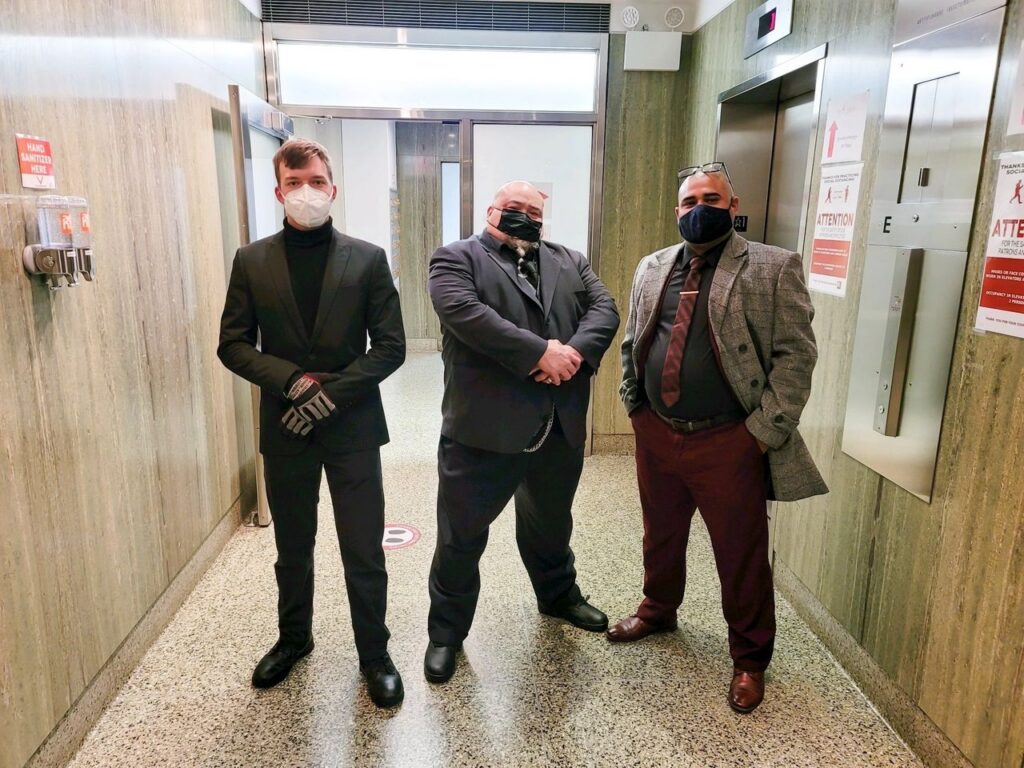
Training and Skills Development for Hospital Security Guards
Essential Skills for Effective Visitor Management
Effective visitor management necessitates strong communication skills to interact with visitors courteously and gather necessary information efficiently. Additionally, attention to detail is crucial to ensure accurate record-keeping and security protocols, enhancing the overall safety and experience of visitors.
Training Programs and Continuous Learning
Continuous training is crucial for security guards in hospitals because it ensures they stay updated on the latest security protocols, emergency response procedures, and potential threats specific to healthcare environments. This ongoing learning not only helps them adapt to evolving security challenges but also enhances their ability to protect patients, staff, and sensitive medical information, ultimately contributing to a safer and more secure healthcare facility.
Collaborative Efforts in Hospital Security
Working with Medical Staff and Administration
Security guards play a crucial role in maintaining a safe and secure environment within healthcare facilities by working closely with medical staff and hospital administration. They ensure that the hospital’s policies and procedures are followed, help in managing access control, and respond to security incidents, thereby contributing to the overall well-being of patients, staff, and visitors.
Building Rapport with Regular Visitors
Regular visitors, such as family members of long-term patients, play a crucial role in the hospital community by providing emotional support to their loved ones and helping with their care. Security guards who establish positive relationships with these individuals not only enhance the overall atmosphere of the hospital but also contribute to more efficient visitor management, as they can assist in ensuring that visitors adhere to hospital policies and procedures, ultimately promoting a safer and more welcoming healthcare environment.
Legal and Ethical Considerations in Visitor Management
Adhering to Privacy Laws and Regulations
Privacy laws and regulations impose stringent requirements on hospitals to safeguard sensitive patient information. Security guards must stay informed about these legal obligations, as they play a crucial role in visitor management and ensuring that individuals accessing the hospital premises adhere to these privacy laws, protecting patient confidentiality and data security.
Balancing Security and Visitor Rights
Balancing the need for security with the rights of visitors is a complex and sensitive undertaking that requires careful consideration. While it is essential to ensure the safety and well-being of individuals within a given environment, it is equally crucial to respect and protect the rights, privacy, and freedoms of visitors; finding a harmonious equilibrium that safeguards both security and individual liberties is an ongoing challenge that demands thoughtful policies, technologies, and practices.
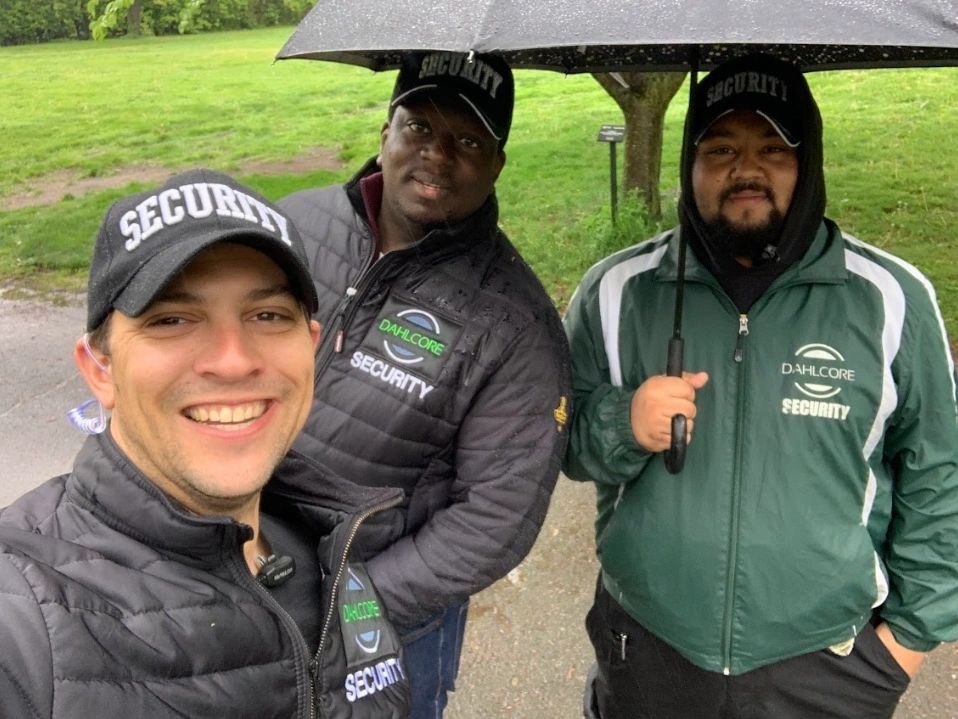
The Role of Security Guards in Managing Hospital Visitor Access
A Deep Dive into Their Specific Role
Security guards in hospitals play a crucial role in managing visitor access by implementing stringent entry protocols, verifying visitor identities, and ensuring that only authorized individuals are allowed entry into sensitive areas. They face challenges such as balancing security with patient and family needs, dealing with potentially volatile situations, and adapting to evolving security threats.
To address these challenges, they employ strategies like effective communication with hospital staff and visitors, utilizing surveillance technology, and receiving specialized training in de-escalation techniques to maintain a safe and secure environment within healthcare facilities.
Frequently Asked Questions
How do security guards contribute to emergency response in hospitals?
Security guards in hospitals play a crucial role in emergency responses by quickly establishing secure zones and guiding medical personnel and visitors to safety. They coordinate with emergency services and hospital staff to ensure a swift and organized response to any crisis.
What are the technological aids used by security guards for visitor management?
Security guards utilize a range of technological tools, such as electronic ID scanning systems, surveillance cameras, and access control systems, to manage hospital visitor access efficiently. These technologies aid in visitor tracking, identity verification, and ensuring that only authorized individuals gain entry.
How do security guards handle sensitive situations like family disputes or aggressive visitors?
In handling sensitive situations like family disputes or aggressive behavior, security guards employ de-escalation techniques and practical communication skills to calm the situation. They are trained to manage these incidents with discretion and professionalism, prioritizing the safety and well-being of all involved.
What are the criteria for denying visitors access to hospitals?
Visitor access in hospitals may be denied based on criteria such as lack of proper identification, displaying symptoms of contagious illness, being under the influence of substances, or posing a security threat. The requirements aim to protect the health, privacy, and safety of patients, staff, and other visitors.
How do security guards ensure the privacy and confidentiality of patients during visitor access?
Security guards ensure patient privacy and confidentiality by enforcing hospital policies that limit visitor access to certain areas and by monitoring visitor behavior to prevent unauthorized information sharing. They are trained to be vigilant in safeguarding sensitive patient information.
What ongoing training do security guards receive to stay current with visitor management practices?
Security guards in hospitals receive ongoing training in areas such as emergency response protocols, visitor management technology updates, and customer service skills. This continuous education helps them stay current with the latest security practices and healthcare regulations.
Conclusion
The role of security guards in managing hospital visitor access is multifaceted and vital. They not only ensure safety and order but also contribute significantly to the overall patient and visitor experience. As hospitals continue to evolve, the strategies and skills of these guards will remain crucial in maintaining a secure and welcoming environment.
Check other blogs
Become a Concert Security Guard: A Comprehensive Guide
The Role of HR in Employee Termination: Duties & Best Practices
Door Access Control: The Ultimate Guide
Maximizing Security Guard Services in Dispensary Risk Management
Check also our Hospital Security
