

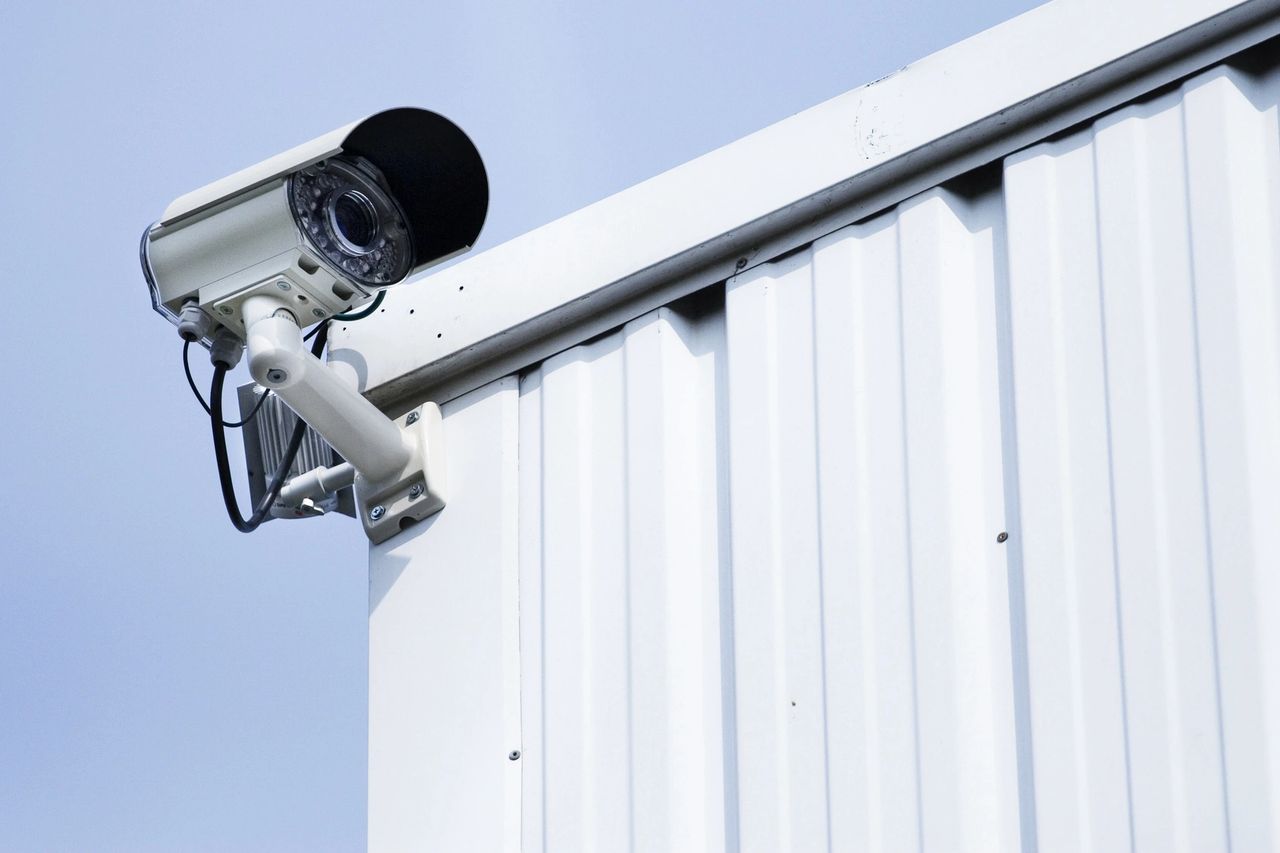
Fixed surveillance systems in New York use permanently installed cameras to protect entrances, lobbies, parking areas, and perimeters around the clock. This guide explains what they are, the best camera types, key pros and cons, NYC‑specific considerations, and when to combine them with mobile surveillance.
Fixed Surveillance Systems
Fixed surveillance systems in New York are security setups where cameras are permanently installed on buildings or poles to monitor specific areas continuously, such as entrances, lobbies, corridors, and perimeters. They’re designed for long‑term coverage rather than temporary events and are common in Manhattan offices, Brooklyn brownstones, Queens warehouses, and mixed‑use buildings across NYC.
Each system typically connects cameras to a network video recorder (NVR) or cloud platform through cabling or wireless links, using the property’s existing power and network infrastructure. Because entrances, mailrooms, elevator banks, and loading docks don’t move, fixed surveillance systems give New York property owners a stable, always‑on record of what happens in those critical spaces.
How Fixed Surveillance Cameras Differ From Mobile and Temporary Systems
Fixed surveillance cameras in New York are mounted in one location and keep watching that same scene until someone physically moves them. You see them above co‑op doors, bodega entrances, condo lobbies, rear alleys, and loading docks, where they quietly record 24/7 without being relocated for each new project.
Mobile or trailer‑based surveillance, by contrast, is meant for short‑term or shifting risk areas—construction sites in Midtown, pop‑up events, temporary parking lots, or seasonal outdoor markets. These units can be towed into place, run on their own power, and repositioned when the job moves. In practice, many NYC properties rely on fixed surveillance systems as the backbone and bring in mobile units only when the risk is temporary or constantly moving.
Core Components of a Fixed CCTV System
A fixed CCTV system in New York uses a familiar set of building blocks, but they’re adapted to city realities like older construction, dense wiring, and multi‑tenant layouts. At the center are the cameras—usually a mix of dome, bullet, and PTZ or multi‑sensor units—mounted in lobbies, stairwells, corridors, garages, and exterior walls.
Those cameras feed into an NVR or cloud video platform that stores and manages footage, with network switches, PoE injectors, and structured cabling tying everything together. In pre‑war or landmark buildings, installers often have to route cables carefully through existing conduit and avoid damaging historic finishes, while in newer residential or commercial towers, they can use dedicated low‑voltage risers. Access control, video intercoms, and alarm systems often integrate with the surveillance system so staff can verify visitors and review events quickly.
Types of Fixed Surveillance Cameras
Fixed surveillance systems in New York typically use three main camera types—dome, bullet, and PTZ or multi‑sensor—to handle the full mix of city environments, from narrow hallways and small lobbies to large parking areas and industrial yards. Each type plays a specific role depending on visibility needs, distance, and lighting.
In a typical NYC building, you might see dome cameras inside residential lobbies and office corridors, bullet cameras along exterior walls and rear exits, and a PTZ or multi‑sensor unit on a rooftop or pole watching over a courtyard or lot. Choosing the right combination helps cover essential spaces without overspending or leaving blind spots in busy urban settings.
Fixed Dome Cameras for Indoor and Retail Security
Fixed dome cameras are a go‑to option for indoor surveillance across New York because they’re compact, discreet, and difficult to tamper with. Their low‑profile, semi‑opaque dome hides the exact viewing direction, which works well in apartment lobbies, condominium hallways, office corridors, and retail interiors where you want coverage without a harsh, “industrial” look.
In a New York fixed surveillance system, domes are commonly mounted on ceilings or walls in lobbies, elevator landings, mailrooms, package rooms, stairwells, and inside storefronts, watching the sales floor and cash‑wrap area. Vandal‑resistant and weather‑rated domes are often chosen for semi‑outdoor spaces like covered entries, recessed doorways, and small courtyard passages, where they’re exposed to both people and the elements.
Bullet Cameras for Perimeter and Long‑Range Coverage
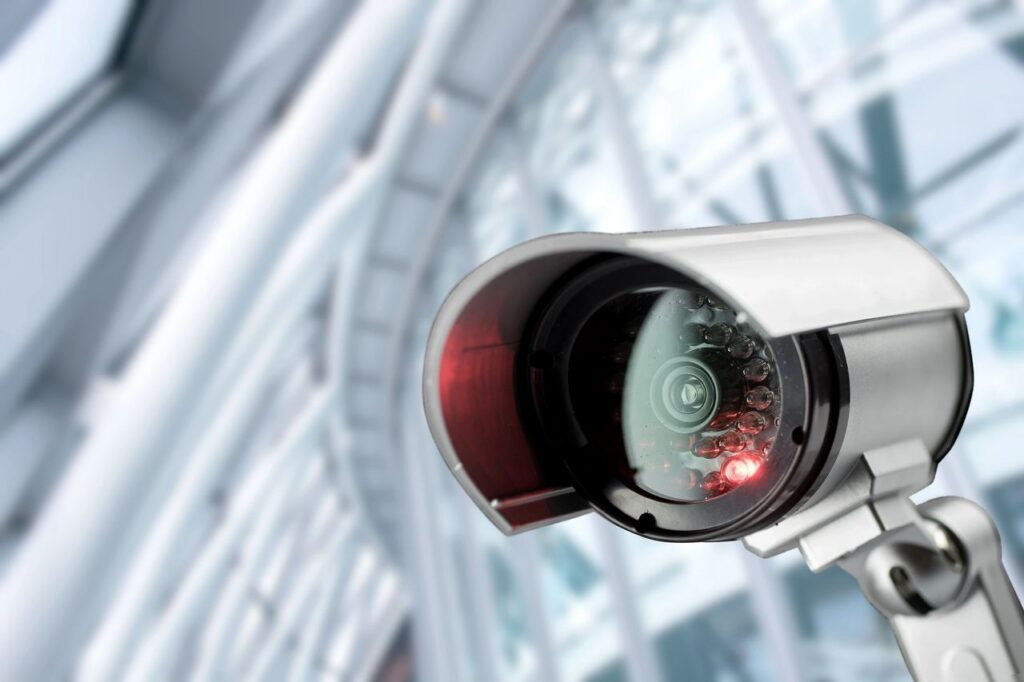
Bullet cameras are more visible and often used where you want people to know they’re being recorded, such as around storefront exteriors, rear doors, alleys, and parking areas. Their elongated housing and built‑in lenses are ideal for looking down long, narrow paths—like a side alley in Brooklyn, a loading lane in Queens, or a driveway on Staten Island.
In New York, fixed surveillance systems are often installed over rear doors, along brick walls facing alleys, on poles at parking entrances, or on fences around industrial properties. Their visibility contributes to deterrence, especially in higher‑risk neighborhoods, while integrated infrared or white‑light illumination improves night performance in areas with limited street lighting.
Fixed PTZ and Multi‑Sensor Cameras for Large Areas
PTZ (pan‑tilt‑zoom) and multi‑sensor cameras are added to fixed surveillance systems in New York when a single mounting point needs to cover a large area. PTZ cameras can pan across wide spaces, tilt up and down, and zoom in on details, making them useful for courtyards, school yards, warehouse lots, or multi‑building campuses.
Multi‑sensor cameras combine multiple fixed lenses into one housing to provide broad panoramic coverage without moving parts. In NYC, these might be installed on rooftops overlooking multiple entrances, on poles watching large parking areas in outer boroughs, or near loading zones so operators can see both close‑up and wide‑angle views at once. Both PTZ and multi‑sensor units work best when paired with clear policies and, ideally, analytics or active monitoring, so they don’t just sit pointed in one direction.
Key Features to Look For in Fixed Surveillance Systems
When choosing a fixed surveillance system for a New York property, the technical features are just as important as camera style. Resolution, low‑light performance, analytics, storage options, and remote access all affect how useful the system will be day to day and when incidents occur.
City environments introduce extra complexity: tight spaces, mixed natural and artificial lighting, busy foot traffic, and the need to respect privacy and local regulations. The goal is to select features that give clear, actionable footage without overwhelming your network, storage, or staff with unnecessary noise.
Resolution, Low‑Light, and Night Vision in 2026 Cameras
Modern fixed cameras used around New York increasingly offer high resolutions and strong low‑light performance so that footage remains usable in both bright and challenging conditions. This matters for typical city situations: dim basement corridors, alley entrances lit only by a single fixture, or lobby scenes with backlighting from glass doors.
When designing your system, it’s smart to match resolution to distance and detail needs. For example, you might choose a higher resolution for a main entry or license‑plate capture zone, and a more moderate resolution for wide overviews of a courtyard. Because storage adds up quickly in multi‑camera New York buildings, variable bitrate, smart compression, and carefully chosen frame rates help you keep footage long enough for investigations without excessive hardware costs.
When selecting high-resolution hardware, look for manufacturers that adhere to facial recognition and image quality standards established by organizations like NIST to ensure actionable evidence.”
AI Video Analytics, Smart Alerts, and Remote Monitoring
AI‑powered analytics and smart alerts help fixed surveillance systems in New York filter out everyday noise and highlight important events. Common tools include motion detection tuned to people and vehicles, line‑crossing or intrusion alerts at entrances and fences, and loitering rules near storefronts, lobbies, or garages.
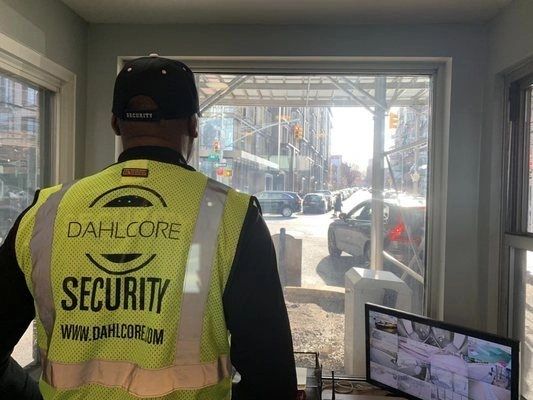
For busy property managers, boards, and security teams, this means fewer false alarms and faster responses when something actually matters. Remote monitoring—by in‑house staff or third‑party centers—turns those analytics into action, allowing someone to verify an alert, speak through a speaker if installed, notify on‑site contacts, or call police when warranted. In a city that never sleeps, this combination of fixed cameras and smart monitoring can make a real difference.
Pros of Fixed Surveillance Systems
Fixed surveillance systems are a strong fit for New York because so many risk points in the built environment are stable over time. They offer predictable coverage of doors, common areas, and perimeters that don’t move just because tenants or businesses change.
Their main benefits show up in consistent documentation of events, visible deterrence, and long‑term cost efficiency for properties that expect to operate in the same structure for many years.
Continuous Coverage and High Image Quality
Once installed, fixed cameras provide continuous coverage of the same scene—such as a main lobby, elevator doorway, rear entrance, or loading dock—without needing to be aimed or relocated repeatedly. That consistency makes it easier to reconstruct what happened around package thefts, unauthorized entries, vandalism, or accidents, because you know the camera view hasn’t changed wildly from day to day.
With careful planning, each camera is chosen and tuned for its exact viewing distance and angle, improving detail and reliability. This can be critical when footage is needed by building management, insurance companies, or law enforcement to understand and resolve incidents.
Strong Deterrence and Predictable Security Posture
Visible fixed cameras around entrances, intercoms, storefronts, and parking areas send a clear message that a New York property takes security seriously. For many would‑be opportunists, the presence of cameras and signage alone can discourage attempts at theft, vandalism, or trespassing.
Inside, cameras are placed in lobbies, elevator banks, and main corridors to provide reassurance to residents, employees, and visitors, while also supporting house rules and building policies. Because these cameras don’t move around constantly, everyone quickly understands which areas are monitored, and procedures—such as deliveries or visitor check-ins—can be aligned with those fields of view.
Cost Efficiency for Permanent Locations
For long‑term New York properties, fixed surveillance systems are generally more cost‑effective than repeatedly renting or redeploying temporary mobile units. The up‑front expense of design, wiring, and installation is spread over many years of daily use, especially in co‑ops, condos, commercial buildings, and institutional sites that plan to remain in place for decades.
As needs evolve, it’s often possible to upgrade specific components—such as cameras or recorders—while keeping the core infrastructure intact. That makes fixed systems a solid investment for boards, landlords, and operators who want lasting value from their security spending.
Cons of Fixed Surveillance Systems
Despite their strengths, fixed surveillance systems have limitations that matter in a changing city like New York. Their static nature and reliance on building infrastructure mean they’re not always the best choice for dynamic or short‑term situations.
Understanding these drawbacks helps you decide where fixed cameras are enough and where you may need to supplement them with mobile systems or periodic redesigns.
Limited Flexibility and Coverage Gaps
Because fixed cameras only view the areas they’re pointed at, layout changes can create coverage gaps. New walls, shelving, or partitions in a retail fit‑out, different lobby furniture, or renovated office spaces can block views that were originally clear.
In buildings undergoing frequent changes—like multi‑tenant commercial spaces with regular build‑outs—coverage needs should be reviewed after each major project. For construction sites, pop‑up events, or other environments where risk zones move with the work, mobile surveillance is often a better option than relying solely on fixed cameras attached to permanent structures.
Installation, Wiring, and Infrastructure Demands
Installing fixed surveillance systems in New York can be technically and logistically challenging. Many buildings are older, have thick masonry, limited pathways for new conduit, or strict rules to protect historical or aesthetic elements. Coordinating with boards, landlords, and building management can add extra steps and approval time.
This up‑front effort and costs are usually worth it for long‑term coverage, but they make fixed systems less ideal when you need a quick, short‑term solution. In those cases, mobile trailers or temporary systems that bring their own power and connectivity can be implemented much faster while you plan any permanent upgrades.
Maintenance, Blind Spots, and Privacy Considerations
Fixed cameras aren’t “set and forget.” Over time, lenses can get dirty, mounts can shift slightly, or new signage and décor can creep into the field of view. Without regular checks, you might only discover a critical blind spot after an incident occurs and footage turns out to be partially blocked or out of focus.
Privacy and compliance also matter in New York. Cameras should not be pointed into areas where residents or visitors reasonably expect privacy, and retention policies must balance security needs with data protection considerations. Clear signage, well‑defined access controls for video, and periodic policy reviews help keep fixed surveillance both effective and respectful.
Common Use Cases for Fixed Surveillance Systems in New York
Fixed surveillance systems support a wide range of New York property types—from small neighborhood shops to large multi‑building campuses. The same basic technology is tailored to local layouts and risk patterns in each case.
By aligning each camera with a clear purpose, you ensure the system helps with real‑world issues like unauthorized entry, liability, theft, and safety, instead of just generating hours of unused footage.
Business Entrances, Exits, and Lobbies
Entrances and lobbies are prime locations for fixed cameras because every person entering or leaving must pass through them. In NYC, cameras installed above main doors, inside vestibules, and in reception areas help capture clear views of faces, clothing, and activity as people move in and out.
In office towers and mixed‑use buildings, cameras often cover revolving doors, reception desks, elevator banks, and visitor seating areas. Smaller businesses—like restaurants, boutiques, and service shops—commonly use one camera outside over the door and another just inside aimed at the counter and customer zone, creating a simple but powerful record of comings and goings.
Parking Lots, Loading Docks, and Warehouses
Wherever New York properties have parking lots or garages—especially in Queens, the Bronx, Staten Island, Long Island, or upstate—fixed cameras help monitor vehicles, deter break‑ins, and document accidents. Bullet cameras pointed along lanes and at entry/exit points can capture plates and overall vehicle movement, while PTZ or multi‑sensor units provide broader overviews of larger areas.
Loading docks and warehouses benefit from fixed cameras that monitor gates, dock doors, staging areas, and interior aisles. Footage supports inventory control, helps resolve disputes about deliveries, and aids safety reviews involving forklifts, pallet jacks, and other equipment.
Schools, Hospitals, and Public Buildings
In New York’s schools, hospitals, and public buildings, fixed surveillance systems help balance access and safety. Cameras focused on entrances, reception areas, hallways, and common spaces can discourage vandalism, bullying, and unauthorized entry while supporting incident investigations when they occur.
These systems often integrate with access control and emergency response plans so staff and first responders can see what’s happening in real time during a crisis. For municipal buildings and transportation‑adjacent facilities, fixed cameras have become a standard tool for maintaining order and documenting events in busy public environments.
Fixed vs Mobile Surveillance: Which Should You Choose?
Choosing between fixed and mobile surveillance in New York depends on how permanent your site is and how often your risk map changes. In many cases, the best approach is a combination of both, with fixed cameras providing the foundation and mobile units filling in the gaps.
Understanding where each shines helps you invest wisely instead of overspending on one type when the other might be a better fit.
When Fixed Cameras are The Smarter Investment
Fixed surveillance systems are usually the smarter choice for properties where critical areas are stable for years, such as apartment buildings, condos, co‑ops, office towers, schools, clinics, warehouses, and long‑term retail and hospitality locations. In these places, the up‑front cost of installation is offset by years of reliable, integrated coverage.
Fixed systems also make sense when you can leverage existing infrastructure—available electrical panels, network closets, risers, and mounting points—to reduce installation complexity. Once installed, they become a permanent improvement to the property, contributing to tenant satisfaction, risk reduction, and long‑term value.
When to Augment Fixed Systems with Mobile Units
Mobile surveillance units are best for temporary or rapidly changing situations, such as construction and renovation sites, seasonal outdoor events, pop‑up markets, or temporary storage yards. They bring their own power and connectivity, can be moved as the job progresses, and are ideal when it doesn’t make sense to install permanent cameras.
Even on stable New York properties, there are times when mobile units are useful. For example, during major renovations, an uptick in incidents in a specific corner of a large site, or short‑term projects involving contractors, mobile solutions can supplement fixed cameras until conditions settle and a more permanent design is appropriate.
Planning and Deploying a Fixed Surveillance System
A well‑planned fixed surveillance system in New York starts with understanding your property’s unique layout, usage patterns, and risk points. Jumping straight to camera shopping without this groundwork often leads to gaps, redundancies, or wasted budget.
Instead, treat the process like a small design project: gather information, map priorities, then match locations and equipment to those needs.
Assessing Risk Areas and Field of View
Begin by walking your building and grounds with floor plans in hand. Mark out main and secondary entrances, intercom locations, mailrooms, package rooms, elevator banks, stairwells, loading docks, trash areas, garages, and any known trouble spots.
For each area, ask what you need to see: faces, overall movement, vehicle activity, or high‑value assets. Think about how lighting behaves at different times of day, where glare might be an issue, and how furniture or fixtures could change. This will guide which camera types and lenses to use and where to place them for the best possible field of view.
Choosing Camera Locations, Heights, and Angles
Once priority areas are defined, select mounting points that provide clear views while minimizing tampering risks and obstructions. In New York buildings, this often means high wall mounts in lobbies, near corners in corridors, ceiling positions near elevator doors, and exterior wall or pole mounts that overlook doors and alleys.
During installation, test each camera’s angle live on a phone or laptop and adjust until key details—faces at door height, license plates at gate level, labels on doors—are clearly visible. Small tweaks during this stage prevent surprises later, especially in tight spaces where a few inches of movement can significantly alter what the camera sees.
Integration with Alarms, Access Control, and Monitoring Services
Integrating fixed surveillance with other security systems makes your investment much more powerful. When cameras are tied to access control, intercoms, and alarms, activity at doors, gates, or sensors can be automatically bookmarked in video and flagged for review.
Remote monitoring services—or an in‑house control room for larger organizations—can then respond to alerts with live views, recorded clips, and direct communication with on‑site staff when needed. In New York’s busy, 24/7 environment, this combination helps ensure incidents are not only recorded but also noticed and acted on in time.
Best Practices for Managing Fixed Surveillance Systems
After installation, management and maintenance keep your fixed surveillance system effective and compliant. A little structure—policies, checklists, and periodic reviews—goes a long way toward avoiding blind spots, data issues, or legal headaches.
Think of this as ongoing tuning rather than a one‑time setup.
Data Storage, Retention, and Cybersecurity
Decide how long you’ll store footage based on your risk profile, incident patterns, and regulatory or insurance guidance. Many New York properties choose retention windows from several weeks to a few months, depending on camera counts and storage capacity.
Treat cameras and recorders as networked devices that need protection: change default credentials, enable encryption where possible, segment them on dedicated network segments, and keep firmware up to date. This reduces the risk that someone could gain unauthorized access to your video or pivot from camera equipment into other systems on your network.
Protecting your video feed from hackers is critical; follow federal guidelines on cybersecurity for physical security systems to secure your Network Video Recorders (NVRs) and cloud storage.
Regular Audits, Testing, and Performance Reviews
Schedule regular audits—ideally every few months—to confirm that your fixed surveillance system still does what it was meant to do. Check that all cameras are online and recording, that views aren’t blocked, that timestamps are correct, and that analytics and alert rules are still appropriate.
Any time you undertake a significant building change—like a renovation, new tenant build‑out, lobby redesign, or major layout change—revisit the camera plan. A short walk‑through comparing live views to your coverage goals can reveal blind spots before they lead to missed incidents.

FAQs About Fixed Surveillance Systems
What is a fixed surveillance system in New York?
A fixed surveillance system in New York is a security setup where cameras are permanently installed on or inside a property to monitor specific areas continuously, such as entrances, lobbies, corridors, garages, and perimeters. These cameras rely on building power and networking and are meant for long‑term coverage rather than temporary events.
Where should fixed surveillance cameras be placed in a New York building?
In a New York building, fixed surveillance cameras are usually placed at main and secondary entrances, in lobbies, near intercoms, at elevator banks, in stairwells, around mailrooms and package rooms, at rear and basement doors, and in any parking or loading areas. The main goal is to cover all access points and shared spaces where incidents are most likely to occur.
What are the main advantages of fixed surveillance systems for NYC properties?
The main advantages of fixed surveillance systems for NYC properties are continuous, reliable coverage of key areas, strong visual deterrence at doors and along perimeters, and long‑term cost efficiency. They also integrate well with access control, intercoms, and alarms, making it easier to verify events and support investigations or insurance claims.
What are the downsides of using only fixed surveillance systems?
The downsides of relying only on fixed surveillance systems include reduced flexibility when layouts or risk areas change, potential blind spots if cameras aren’t updated with renovations, and higher initial installation effort in complex buildings. They’re also not ideal for short‑term or mobile sites, where temporary or trailer‑based solutions can be deployed faster.
Are fixed surveillance systems suitable for apartments and condos in NYC?
Yes, fixed surveillance systems are especially suitable for NYC apartments, condos, and co‑ops because entrance doors, lobbies, elevator banks, and common areas are stable over time. With thoughtful placement and privacy‑aware policies, they can help address everyday issues like package theft, unauthorized entry, vandalism, and safety concerns for residents.
When should New York properties add mobile surveillance on top of fixed cameras?
New York properties should consider adding mobile surveillance when dealing with temporary or shifting risk zones, such as construction and renovation projects, seasonal outdoor events, pop‑up markets, or short‑term storage yards. Mobile units can move with the work while fixed cameras continue to protect permanent entrances, lobbies, and building perimeters.
Conclusion and Next Steps
Fixed surveillance systems give New York property owners and managers a reliable, long‑term way to watch entrances, lobbies, corridors, garages, and perimeters without constantly repositioning equipment. By choosing the right mix of dome, bullet, and PTZ or multi‑sensor cameras, planning coverage carefully, and integrating analytics, access control, and remote monitoring, you can turn a static camera network into an active, responsive layer of building security.
To get more from fixed surveillance systems in New York, it’s worth periodically reviewing your coverage, retention policies, and integration with other safety tools so your setup evolves alongside your property and the city itself.
Explore our other blog posts here
Bodyguard Drivers | Duties, Training & Executive Protection Skill
Private Investigators Investigated | Complaints & Misconduct
Top Private Security Tips | How to Choose the Right Security Firm
