

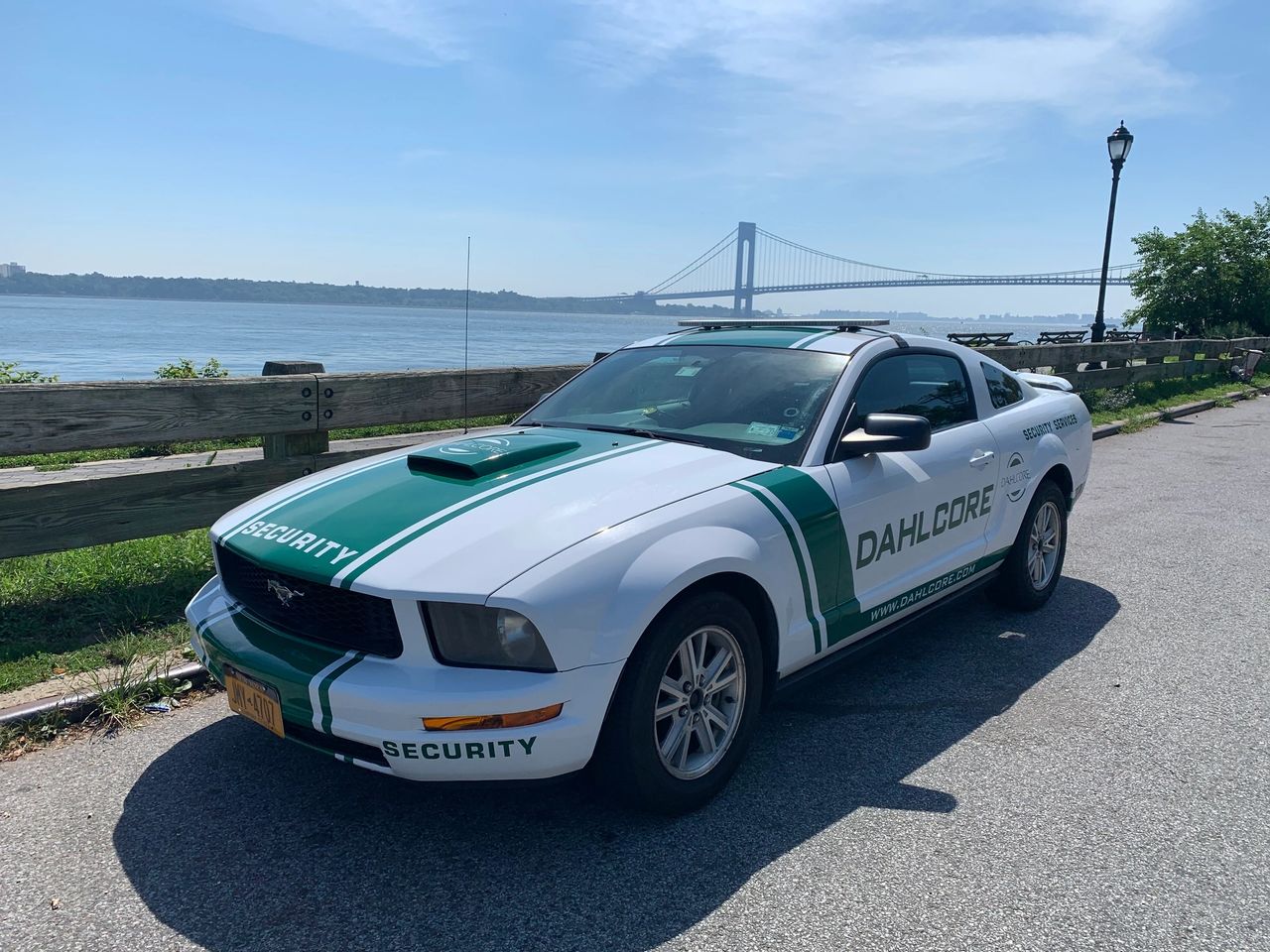
Bodyguard drivers in New York City are security-trained professional drivers who plan safe routes, monitor threats in busy NYC streets, and protect executives, families, and high‑profile visitors as they move between homes, offices, venues, and airports. They combine close protection awareness with advanced urban driving so trips around Manhattan and the wider tri‑state area stay secure, discreet, and on time.
What Does a Bodyguard Driver Do in New York City?
Bodyguard drivers in New York City handle secure, door‑to‑door transport for executives, celebrities, and high‑net‑worth families across Manhattan, Brooklyn, Queens, the Bronx, Staten Island, and the wider tri‑state area. They don’t just drive; they plan routes, check vehicles, watch for suspicious behavior, and react quickly if something feels off around the car. Because New York combines dense traffic, crowded sidewalks, and frequent events, their executive protection skills are tuned to real city conditions and local risks.
In practice, they support daily commutes between Midtown offices and residential areas like the Upper East Side or Brooklyn Heights, as well as runs to JFK, LaGuardia, and Newark airports. They also provide secure transport to venues, restaurants, arenas, and hotels around Times Square, the Financial District, Madison Square Garden, and other high‑profile locations. Clients rely on them for both physical safety and privacy, expecting punctual, low‑profile movements that don’t attract attention.
What Makes a Bodyguard Driver Different From a Regular Chauffeur in NYC?
A regular New York chauffeur focuses on comfort, courtesy, and punctuality, while a bodyguard driver adds a security‑first mindset to every movement. The bodyguard driver watches for surveillance, avoids choke points, and keeps escape options open, even when navigating heavy Midtown or Downtown traffic. Instead of choosing routes only for speed, they balance efficiency with risk, avoiding predictable patterns, risky parking spots, and locations where the vehicle could be boxed in.
They also operate as part of a broader executive protection framework. That may include working alongside close protection agents, venue security, corporate security teams, or residential guards in Manhattan and nearby suburbs. Confidentiality is stricter as well: these drivers often learn intimate details about schedules, family members, and routines, so they’re expected to maintain absolute discretion and avoid casual sharing of client information on or offline.
Key Responsibilities of a Bodyguard Driver During VIP Movements in New York
During New York movements, bodyguard drivers manage security before, during, and after every ride, not just while the car is rolling. They perform pre‑trip checks, monitor the environment during pickups and drop‑offs, and debrief after the trip to improve future routes and procedures. Their role covers everything from secure pickups at Manhattan office towers and luxury residences to late‑night returns from events and restaurants.
They coordinate closely with the client and any security detail to time arrivals and departures around building security flows, loading docks, and VIP entrances. While driving, they maintain defensive spacing in traffic, avoid dangerous locations, and stay alert for suspicious vehicles or individuals. After each movement, they bring the vehicle back to a secure parking area, ensure it’s clean and ready, and note anything unusual that could affect upcoming trips.
Pre-Trip Security Checks and Route Planning in NYC
Before each trip, a New York bodyguard driver inspects the vehicle for signs of tampering, verifies fuel and fluids, checks communications devices, and makes sure the car is presentable for VIP use. They confirm pick‑up and drop‑off details at addresses in areas like Midtown, FiDi, or SoHo, including whether the client will enter via main entrances, private garages, or loading docks. This prevents last‑minute confusion at busy city blocks where stopping options are limited.
Route planning in New York must account for traffic, construction, events, and street closures that can change day by day. The driver typically plans primary and alternate paths, for example, from a Midtown office to JFK via different bridges or tunnels, or from a Manhattan hotel to a Brooklyn venue via multiple bridges. They also note potential safe locations such as hospitals, police precincts, or secure garages along the way in case of an emergency.
On-Road Protection, Surveillance, and Client Care in NYC
Once on the road, the bodyguard driver’s focus splits between defensive driving and continuous observation of the vehicle’s surroundings. They maintain a safe distance from aggressive vehicles, avoid getting trapped between large trucks or obstacles, and watch mirrors for cars or people that seem to linger around the client. Particular care is taken in crowded nightlife areas, side streets with limited exits, and locations where paparazzi or unwanted followers are likely to appear.
At the same time, client comfort still matters. The driver aims for smooth acceleration and braking, considerate cornering, and a calm in‑vehicle atmosphere so passengers can work, rest, or handle calls. When schedules change suddenly—common in New York business and entertainment—bodyguard drivers adjust routes quickly and coordinate with any security team so everyone understands new timing and arrival details. Good drivers keep clients feeling both secure and respected.
Post-Trip Reporting, Debriefs, and Vehicle Readiness
After the client steps out, the bodyguard driver’s responsibilities continue. They often share quick debrief notes with security colleagues, highlighting unusual observations such as vehicles appearing repeatedly, unexpected street closures, crowd behavior, or issues with building access. This feedback helps refine plans and strengthens the overall executive protection strategy.
They then secure the vehicle, handle any required parking or garage procedures, and schedule maintenance or cleaning as needed. In many long‑term arrangements, clients expect their car or dedicated service vehicle to be spotless, fully fueled, and stocked with essentials at all times. Keeping logs of mileage, service, and incidents is also common, especially for corporate or long‑duration contracts.
Essential Executive Protection Driving Skills Every Bodyguard Driver in New York Needs
Bodyguard drivers in New York need refined vehicle control that works in real city conditions: close‑quarters streets, sudden lane changes, and intense stop‑and‑go on routes like the FDR Drive, West Side Highway, or Cross Bronx. They must accelerate, brake, and maneuver confidently while maintaining strict awareness of pedestrians, cyclists, motorcycles, delivery trucks, and taxis in tight spaces. Advanced skills like precision reversing, three‑point turns in narrow streets, and quick but smooth evasive maneuvers are critical.
Beyond pure driving ability, they need strong situational awareness, judgment, and communication. That means recognizing subtle threat indicators, staying calm when traffic or people behave unpredictably, and making sound decisions under time pressure. They must also understand local norms—how law enforcement operates, common traffic patterns by time of day, and typical crime concerns in specific neighborhoods—so they can pre‑empt issues instead of reacting late.
Defensive and Evasive Driving Techniques for NYC Streets
Defensive driving underpins everything a bodyguard driver does in New York. They avoid unnecessary risks, maintain safe following distances, and constantly scan ahead for hazards like sudden double‑parked vehicles, jaywalking pedestrians, or aggressive lane changes. They anticipate mistakes from other road users and always try to preserve an escape path to the side or ahead, rather than stopping so close that they can’t move if needed.
Evasive techniques come into play when a situation goes beyond everyday traffic surprises. These might include quick but controlled lane shifts to get away from a suspicious car, assertively exiting an unsafe area, or rerouting immediately when streets are unexpectedly blocked. Good training helps drivers execute these moves smoothly, so the client stays as comfortable as possible even when the driver is acting decisively to reduce risk.
Situational Awareness and Threat Detection on New York Roads
Situational awareness for a New York bodyguard driver means constantly reading the environment around the vehicle: sidewalks, doorways, parking areas, and intersections as much as traffic itself. They watch for people paying unusual attention to the car, groups clustering near entrances, or individuals who appear to follow from one location to another. Repeated sightings of the same vehicle in different parts of a route may signal surveillance and prompt a subtle change of plan.
Local knowledge multiplies the value of that awareness. Drivers who know the character of neighborhoods like Times Square, Tribeca, Williamsburg, or the Upper West Side can tell when something doesn’t match the usual pattern. They use that understanding to avoid risky spots, choose safer parking and waiting zones, and time arrivals to minimize exposure. Over time, their mental map of “safer vs. riskier” blocks becomes an asset to the client’s overall safety.
Communication, Teamwork, and Confidentiality in NYC Operations
New York executive protection transport often involves coordinated teams rather than solo drivers. A bodyguard driver must communicate clearly with close protection agents, venue security, residential staff, and sometimes corporate security operations centers. They provide short, accurate updates about arrival times, route changes, and any potential issues, using radios or secure messaging tools as set by the team.
Confidentiality is part of the professional foundation. These drivers frequently learn when and where clients work, live, socialize, and travel, along with details about family members, business partners, and private habits. Trusted bodyguard drivers never share that information, online or offline, and they avoid drawing attention to their clients. This discretion builds long‑term relationships, leading many New York clients to work with the same driver for years.
Training and Certifications for Executive Protection Drivers in New York
While licensing and training requirements vary by role, serious New York bodyguard drivers usually combine standard driver licensing with advanced training and security education. Many hold clean New York State licenses, and those who work under commercial or for‑hire frameworks may also hold local permits as required by city regulations. Defensive driving courses, which emphasize collision avoidance and hazard recognition, are often part of this foundation.
On top of general driving education, executive protection drivers commonly complete advanced or protective driving programs that teach high‑level vehicle control, situational awareness, and security‑focused decision‑making. Some also bring previous law enforcement, military, or corporate security experience, which can be especially valuable for higher‑risk assignments. Employers often favor candidates who pair practical experience with formal training in areas like close protection and first aid.
Sample Bodyguard Driver Training Curriculum for NYC-Focused Work
A bodyguard driver training path suitable for New York conditions usually starts with thorough defensive driving and professional chauffeur training. Early modules cover road rules, safe driving habits, customer etiquette, and operating in dense urban environments. Trainees learn how to handle city‑specific challenges like tight curb spaces, one‑way streets, tunnels, and bridges while staying smooth and controlled behind the wheel.
More advanced stages introduce protective driving scenarios and threat‑focused skills. These modules include emergency braking, obstacle avoidance, tight‑space turning, and controlled acceleration and deceleration in both city and highway settings. Scenario training might simulate being followed, encountering unexpected blockages, or moving clients safely away from crowded entrances and exits. By the end, drivers should be able to combine safe, professional driving with a security‑aware mindset suited to New York streets.
How Often Should a Security Driver in New York Retrain?
Because driving and security skills fade without practice, bodyguard drivers in New York benefit from regular refresher training. Periodic defensive driving updates reinforce fundamentals like hazard scanning, safe following distances, and collision avoidance techniques. This is especially important in a city where traffic volume, vehicle types, and road conditions shift over time.
Executive protection drivers often go further, refreshing protective driving and scenario training every one to two years. These refreshers help them stay sharp under pressure, update tactics for new vehicle technologies, and adapt to evolving threat patterns. Practicing on the types of vehicles they actually use in their New York work—often SUVs and luxury sedans—ensures their skills remain directly applicable, not just theoretical.
Medical, Legal, and Ethical Standards for Protective Drivers in New York
Bodyguard drivers in New York must navigate not only traffic, but also legal and ethical responsibilities. They’re expected to know and follow applicable traffic laws, respect law‑enforcement instructions, and understand how their driving decisions affect liability in case of incidents. They need a clear sense of when more assertive driving or route changes are justified by safety concerns and when they must stay strictly within normal parameters.
Medical readiness is another important dimension. Many executive protection roles either recommend or require basic first aid and CPR so drivers can stabilise a client or bystander until emergency medical services arrive. Ethically, bodyguard drivers must protect client privacy, decline unsafe or illegal requests, avoid impairment of any kind while on duty, and maintain professional boundaries. Consistent adherence to these standards builds trust with demanding New York clientele.
Armored Vehicles, Convoys, and Motorcade Operations in and Around NYC
Some New York–area clients travel in armored vehicles or small convoys, especially when moving between high‑profile locations, corporate headquarters, and airports. For these operations, planning becomes more complex: drivers must account for vehicle size and weight, tunnel and bridge restrictions, limited curb space, and the possibility of congestion blocking multiple vehicles at once. The principal’s bodyguard driver must focus on smooth, controlled motion while always preserving options to exit a risky area.
Armored SUVs and sedans require specific handling skills because they accelerate, brake, and corner differently than standard vehicles. Drivers must allow more time and space for maneuvers, particularly in wet, icy, or snowy conditions common in New York winters. They also plan routes that avoid low‑clearance areas, tight turns, and streets where large vehicles are restricted, all while maintaining a low profile to avoid drawing unnecessary attention to the convoy.
Principal Vehicle vs Escort Vehicle Roles in New York Movements
In a New York convoy, the principal vehicle carries the protected person, while escort vehicles support and shield it. The principal’s bodyguard driver focuses on safe, predictable driving that keeps the client comfortable and ready for quick, clean departures from curbs, garages, or loading docks. This driver avoids unnecessary sudden moves unless required for safety and works closely with close protection agents riding inside.
Escort vehicle drivers watch rear and side traffic, create space when merging, and help manage positioning around potential hazards. They may also act as a visual deterrent when appropriate, depending on the client’s preferences and risk profile. Clear pre‑planned signals and communication protocols ensure that all drivers in the group understand how to respond if a vehicle breaks down, a route changes unexpectedly, or something suspicious appears near the motorcade.
Driving Armored SUVs and High-Risk Routes in the New York Area
When operating armored SUVs on high‑risk routes, bodyguard drivers must adapt their techniques to the realities of heavier, more rigid vehicles. They take wider turns, brake sooner, and accelerate with an understanding that the vehicle may respond more slowly. Bridges, tunnels, and tight Manhattan streets require extra attention to lane placement and clearance, particularly when traffic is dense and margins are small.
High‑risk routes might include repeated travel between certain corporate sites and airports, hotels that attract public attention, or locations associated with public events or demonstrations. In these cases, drivers often vary departure times and paths, avoid predictable routines, and stay in close contact with security teams monitoring local conditions. Their goal is to reduce exposure and make it harder for any hostile actor to anticipate exactly where and when a client will arrive.
How to Become a Bodyguard Driver in New York: Step-By-Step Guide
Direct answer: To become a bodyguard driver in New York, you need a clean driving record, strong local driving experience, specialized protection training, and connections with executive protection or VIP transport firms. Over time, you build a track record of reliability with high‑profile clients and continue upgrading your skills.
A common path starts with obtaining and maintaining a clean New York State driver’s license and, where relevant, any local for‑hire or commercial permissions. Many people gain initial experience as corporate drivers, private chauffeurs, or professional limo drivers, learning the city’s streets, traffic rhythms, and professional expectations. From there, you can invest in defensive and protective driving courses, first‑aid training, and basic close protection education to make yourself more attractive to security‑focused employers.
Networking with executive protection companies, VIP transport providers, and corporate security departments is key. You can look for roles assisting experienced teams at large events, handling lower‑risk assignments, or backing up primary drivers. As you accumulate good references, on‑the‑job experience, and current certifications, you can move into more sensitive, higher‑responsibility positions with stricter vetting and better compensation.
Typical Bodyguard Driver Job Description and Work Environment in New York
Direct answer: A typical New York bodyguard driver job description includes secure driving, route planning, vehicle checks, and coordination with security teams to protect clients during all ground travel. The work environment is mobile, fast‑paced, and often unpredictable.
Tasks usually include planning and executing secure routes between homes, offices, airports, and event venues, as well as performing pre‑ and post‑trip checks on vehicles. Drivers are expected to handle pickups at busy Manhattan locations, navigate the city safely at all hours, and adapt to last‑minute schedule changes. Many job postings also emphasize the need for excellent communication, report writing, confidentiality, and the ability to work as part of an executive protection or corporate security team.
How Much Does it Cost to Hire a Bodyguard Driver in New York and What Affects the Price?
Direct answer: Hiring a bodyguard driver in New York typically costs more than standard chauffeur or rideshare services, with rates influenced by risk level, hours, driver background, and whether specialized vehicles like armored SUVs are used. Prices also vary by provider and contract length.
Key cost drivers include the scope of the assignment (single event vs. ongoing), daily hours, and whether the driver must be on standby between trips. Higher‑risk work, especially involving public figures, controversial executives, or specific threat concerns, tends to command higher rates. Experience also matters: drivers with proven executive protection backgrounds, prior law enforcement or military service, and advanced training can command premium fees. For recurring or long‑term arrangements, clients may negotiate package rates or retainers that reflect consistent usage.
Bodyguard Drivers for Executives, Families, and High-Profile Clients in NYC
Executives based in Manhattan often rely on bodyguard drivers for daily commutes, cross‑town meetings, and frequent airport runs. Their priorities usually include punctuality, a quiet and secure environment for calls, and consistent professionalism. Bodyguard drivers serving these clients must be comfortable in corporate settings and able to blend into high‑end office culture while maintaining security awareness.
Families use bodyguard drivers when they need added security for school runs, social events, or travel between city residences and out‑of‑town properties in places like Westchester or Long Island. They typically value discretion, patience with children, and a reassuring presence. High‑profile public figures require careful crowd and media management at entrances, exits, and public appearances. In each case, the bodyguard driver adapts style and communication to the client while holding firm on security fundamentals.
How to Choose a Reliable Executive Protection Driver in New York City
Direct answer: To choose a reliable executive protection driver in New York City, verify licensing and background checks, confirm relevant training and experience, and look for providers with strong local references and clear security procedures. A short trial engagement can help you evaluate fit before committing long‑term.
Practical steps include confirming the driver’s license status and any necessary local permits, plus checking for a clean driving record and formal background screening. Ask about defensive and protective driving courses, first‑aid training, and prior experience with executives, families, or public figures. Reputable providers will explain how they recruit, vet, train, and supervise drivers, and they’ll be open about insurance coverage and emergency protocols. Speaking directly with references or reading detailed reviews can further validate your choice.
FAQs
What do bodyguard drivers actually do in New York during a normal day?
They plan routes, carry out vehicle checks, and provide secure, discreet transport between homes, offices, hotels, and airports in and around New York City. Their day may include multiple trips in Manhattan and the outer boroughs, late‑night event coverage, and coordination with security teams at buildings and venues.
Do bodyguard drivers in New York need special licenses or just regular driving permits?
They must hold a valid New York State driver’s license and, depending on the employment setup, may also need local for‑hire or commercial licensing. Beyond that, employers often require defensive driving and security‑specific training as internal standards, even if not mandated by law.
How are New York bodyguard drivers trained in executive protection skills?
Most combine general defensive driving courses with specialized programs focused on protective driving, situational awareness, and close protection fundamentals. Some also complete first‑aid and CPR training and bring experience from law enforcement, military, or corporate security roles to their work as drivers.
Can one person really drive and protect the client in NYC at the same time?
In high‑risk cases, larger teams separate the driving and protective roles, but many real‑world New York assignments rely on a driver who also understands executive protection principles. These drivers prioritize early threat detection, avoidance, and escape routes so they can reduce risk without needing to physically confront threats while behind the wheel.
Are bodyguard drivers in New York only for ultra-wealthy or famous people?
They’re common for celebrities and top executives, but some mid‑sized businesses, visiting VIP guests, and security‑conscious families also use them for key events, important meetings, or specific routes. Short‑term and one‑off bookings are common for conferences, shows, and high‑profile public appearances.
How can I become a bodyguard driver in New York if I’m starting from regular driving work?
Focus first on maintaining a spotless driving record and gaining professional driving experience in the city. Then invest in defensive driving, protective driving, and basic security training, and start approaching executive protection and VIP transport providers with a clear, skills‑based résumé.
Final Thoughts on Using Bodyguard Drivers for Secure Travel in New York
In a city as intense and crowded as New York, bodyguard drivers offer a practical way to reduce risk while preserving the convenience of private transport. They bring together local road knowledge, advanced driving skills, and executive protection awareness to keep clients safe as they move through some of the busiest streets in the world. For executives, families, and public figures, this combination can make everyday travel feel significantly more controlled and secure.
If you’re considering hiring bodyguard drivers in New York, the next logical steps are to define your routes and risk level, shortlist reputable local providers, and request consultations to discuss your needs. From there, you can get tailored quotes, review driver profiles, and schedule a trial day or event. Clear expectations, careful vetting, and open communication will help you find a driver who fits both your security requirements and your personal style.
Explore our other blog posts here
Private Investigators Investigated | Complaints & Misconduct
Top Private Security Tips | How to Choose the Right Security Firm
