

Fire Watch Logs play a crucial role in ensuring safety during periods when fire detection and suppression systems are not operational. These logs document the monitoring of areas at risk, detailing activities, observations, and any incidents that may arise. This comprehensive guide will provide essential information on how to effectively maintain a fire watch log, including sample templates to facilitate proper record-keeping. Additionally, it will outline legal requirements and best practices to ensure compliance and enhance safety measures. Finally, the guide will address frequently asked questions to clarify any uncertainties surrounding fire watch protocols.
What is a Fire Watch Log?
Definition and Purpose of a Fire Watch Log
A Fire Watch Log is a document used to record the activities and observations of personnel assigned to monitor areas at risk of fire. The purpose is to ensure safety when fire detection or suppression systems are unavailable. By maintaining this log, a record of safety checks is created, showing compliance with regulations and ensuring accountability.
Importance of Maintaining Fire Watch Logs
Maintaining accurate fire watch logs is crucial for several reasons. Not only does it provide a clear history of fire watch activities, but it also serves as a legal document in case of incidents or inspections. Logs ensure that safety protocols are being followed, reducing liability for companies and property owners.
Fire Watch Log Requirements
Legal and Regulatory Requirements
Many regions require fire watch logs by law, especially under occupational safety and health regulations. These laws are often set by bodies like OSHA (Occupational Safety and Health Administration) and NFPA (National Fire Protection Association), requiring businesses to maintain detailed logs whenever a fire watch is necessary.
Common Standards for Fire Watch Logs
Fire watch logs typically require comprehensive details such as the specific dates and times of monitoring activities, the precise locations being watched, and the names of personnel responsible for the fire watch. Regular updates are crucial for maintaining safety and compliance, with intervals usually ranging from every 30 minutes to an hour, as dictated by local regulations and standards. Proper documentation not only aids in ensuring the safety of the environment but also serves as an essential legal record in case of incidents or inspections.
Key Components of a Fire Watch Log
Basic Details (Date, Time, Location)
Every entry in a fire watch log must begin with the basics: the date, the time of the observation, and the specific location being monitored. This foundational information serves to document when and where inspections occur, providing a clear record of safety protocols in action. By maintaining this level of detail, the log helps ensure that all areas are thoroughly covered and inspected throughout the watch period, promoting accountability and safety awareness.
Personnel Involved
Including the names of those conducting the fire watch is essential for maintaining accountability within the safety protocols. This ensures that should an inspection uncover any discrepancies or issues related to the fire watch process; there is a clear record of who was responsible at that time. Furthermore, having identifiable personnel enhances communication and facilitates follow-up actions or training, reinforcing the overall effectiveness of fire safety measures.
Observations and Actions
The core of the log consists of detailed observations made during the fire watch. Any suspicious signs of fire, irregularities, or hazards should be noted, along with actions taken to address them. This can include clearing obstructions, alerting supervisors, or contacting emergency services if necessary.
How to Maintain an Effective Fire Watch Log
Step-by-Step Guide
- Begin by setting a schedule for routine checks based on the fire watch needs.
- Use a standard template to ensure consistency in recording.
- Include detailed notes for every observation and action.
- Review the log regularly to ensure accuracy and completeness.
Best Practices for Accuracy
Accurate records are essential for ensuring compliance with fire safety regulations, as they provide a clear history of inspections, maintenance, and incidents. To maintain the integrity of these records, it’s essential to use precise timestamps, avoid abbreviations that could lead to confusion, and ensure that all handwritten logs are legible or that digital entries are error-free. Additionally, conducting regular audits of these logs can help identify and correct any errors or omissions, thereby reinforcing overall fire safety protocols.

Sample Fire Watch Log Templates
Printable Fire Watch Log Templates
Many websites offer a wide variety of printable templates for individuals who prefer maintaining paper logs instead of digital formats. These templates are designed for user-friendliness, ensuring that they can be quickly filled out with essential details. Each template typically includes designated fields for crucial information, such as dates, times, personnel involved, and relevant observations, making record-keeping efficient and organized.
Digital Fire Watch Logs
Many organizations are transitioning to digital firewatch logs, which offer several advantages, such as ease of access, automated timestamping, and improved storage. These digital logs can be securely stored in cloud systems, making them easily retrievable for audits and inspections, which enhances accountability and compliance. Additionally, the shift to digital platforms reduces the risk of human error and physical document loss, streamlining fire safety management processes.
Common Issues with Fire Watch Logs
Errors and Omissions
One of the most frequent problems with fire watch logs is errors or omissions. Missing entries, incorrect times, or illegible handwriting in paper logs can lead to severe complications during an audit or inspection. It’s essential to verify that each entry is accurate and complete. Regularly reviewing logs for potential mistakes helps ensure the integrity of the documentation.
How to Avoid Common Pitfalls
To prevent errors, it’s critical to establish a structured process for recording information. This includes training personnel on the importance of keeping logs updated in real-time and avoiding shortcuts, such as filling out logs in bulk at the end of the watch shift. For digital logs, ensure the system in use is reliable and capable of flagging missed entries or inconsistent data.
Fire Watch Responsibilities
Who Should Keep a Fire Watch Log?
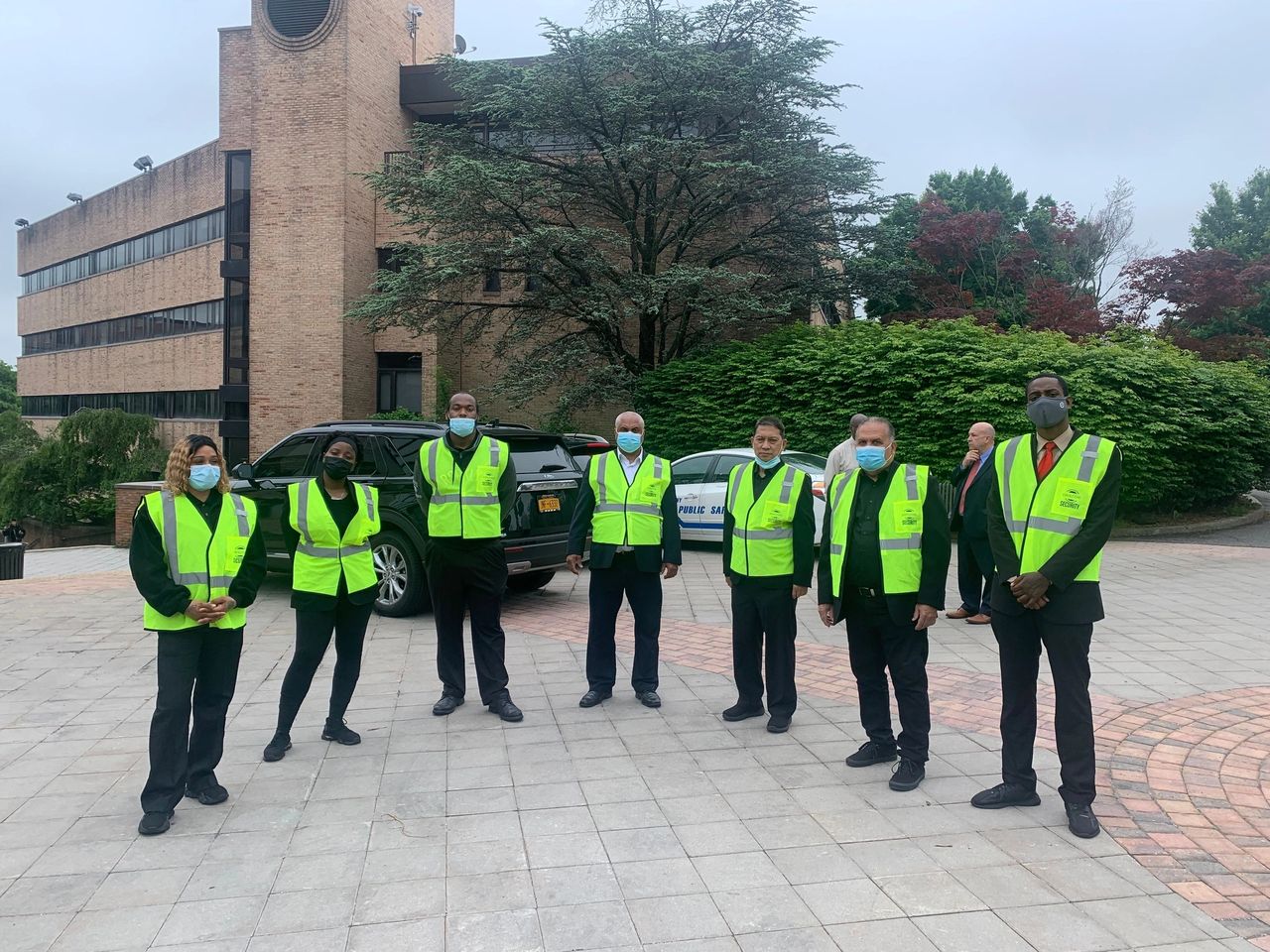
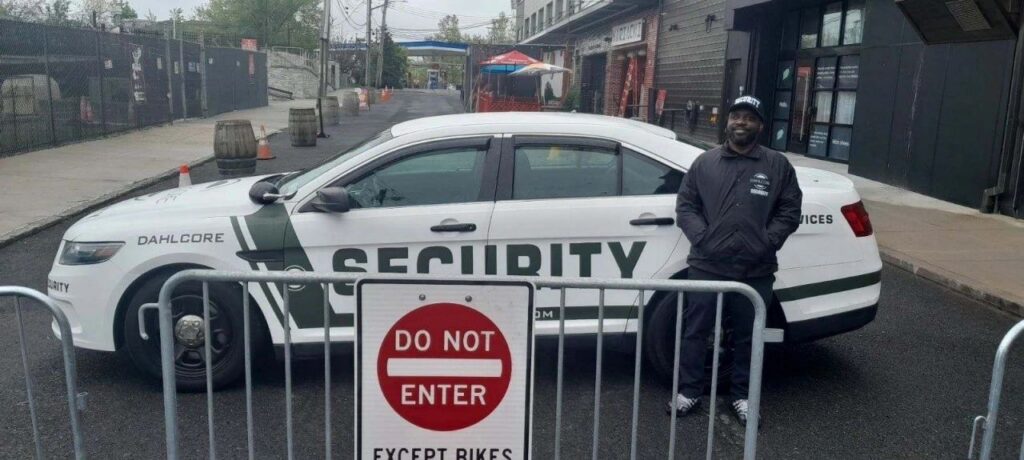
Fire watch logs are typically kept by trained personnel who are responsible for monitoring areas vulnerable to fire hazards. These individuals may be security officers, maintenance staff, or designated fire watch personnel. Their role is crucial, especially during times when fire suppression systems are inactive, such as during building repairs or system outages.
Duties of Fire Watch Personnel
Fire watch personnel are tasked with performing routine patrols of the area, keeping detailed records in the fire watch log, and reporting any potential fire risks immediately. They must also be equipped with communication devices to reach emergency services quickly if necessary. Additionally, they need to stay alert and ensure that all areas, especially those prone to fire hazards, are checked thoroughly and consistently.
When is a Fire Watch Log Required?
Situations Necessitating a Fire Watch
A fire watch is required in a variety of situations, particularly when fire detection or suppression systems are temporarily inoperative. Common scenarios include construction projects, renovations, hot work (welding, cutting, or brazing), or during maintenance when fire alarm systems are shut off. Buildings that host large gatherings or events may also need a fire watch if safety systems are down.
During Maintenance and System Outages
Fire watch logs are essential during maintenance or system outages because they serve as an official record that compensates for the lack of automated fire detection. During these periods, manual observation becomes the primary method for detecting fire hazards, making the log an important part of regulatory compliance.
How to Use Fire Watch Logs During Emergencies
Quick Access to Information
In the event of an emergency, a well-maintained fire watch log becomes invaluable for both internal teams and external responders, such as fire departments or emergency medical services (EMS). By referring to the log, first responders can quickly access critical details about the situation, including areas of concern, previous observations, and immediate hazards.
Coordinating with Emergency Services
Fire watch personnel should be trained to communicate effectively with emergency services using the information recorded in the log. During an incident, the fire watch log can provide insights into what areas have been monitored, any noted risks, and any actions already taken. This coordination ensures a faster, more targeted response, potentially mitigating damage or injury.
Fire Watch Log Guidelines by Industry
Construction
Construction sites are often high-risk environments for fire hazards, especially when activities such as welding or cutting are taking place. Fire watch logs for construction projects should be updated frequently, ideally every 15 to 30 minutes, to ensure comprehensive monitoring of high-risk zones.
Healthcare
Fire safety is paramount in healthcare settings due to patients’ vulnerability. Hospitals and other medical facilities often require detailed fire watch logs during system maintenance or construction. Personnel must be trained to understand specific fire risks in healthcare environments, such as the presence of oxygen tanks or electrical equipment.
Commercial Properties
Commercial properties such as office buildings, shopping centers, and warehouses must follow strict guidelines for fire watch logs during periods when fire safety systems are inactive. Logs should include notes about any observed hazards, like blocked exits or flammable materials, to ensure all potential risks are addressed promptly.
Fire Watch Logs for Compliance and Auditing
Meeting OSHA and NFPA Standards
Compliance with safety standards from agencies such as OSHA and NFPA is essential for any business or institution. These standards often require detailed fire watch logs as part of their safety protocols. Failing to maintain logs or keeping incomplete records can result in fines, penalties, or even closures, making it essential for organizations to adhere strictly to the requirements.
Documentation for Audits and Inspections
Fire watch logs are frequently reviewed during audits or inspections to verify that proper safety procedures have been followed. During these audits, inspectors will check that logs are complete, accurate, and up-to-date. Proper documentation demonstrates that a facility is committed to safety and regulatory compliance, which can lead to smoother inspections and fewer penalties.
The Role of Technology in Fire Watch Logs
Transitioning to Digital Logs
The use of digital fire watch logs is rapidly increasing as businesses recognize the convenience and accuracy they offer. Digital systems allow personnel to log information via tablets or smartphones and often come with features like automatic timestamping and cloud storage. These benefits can improve both the accuracy and accessibility of firewatch records.
Benefits of Digital Logs for Record-Keeping
Digital fire watch logs not only reduce the likelihood of errors but also make it easier to retrieve records for audits and inspections. Cloud storage ensures that data is backed up and accessible from any location, while automatic notifications can remind personnel when it’s time to log their next check, improving overall compliance.
Fire Watch Log Retention
How Long Should Logs Be Kept?
Retention periods for fire watch logs can vary depending on local regulations, but they are typically required to be kept for at least one year after the fire watch concludes. This retention period ensures that records are available for review in case of an audit or an investigation following an incident.
Storage and Archiving Best Practices
Whether using paper or digital logs, it’s essential to store fire watch logs securely. For paper logs, this may involve filing them in a fireproof cabinet. For digital logs, ensure that data is encrypted and stored on secure servers. Regular backups should also be part of the storage protocol to prevent loss of data.

The Importance of Fire Watch Security Guards
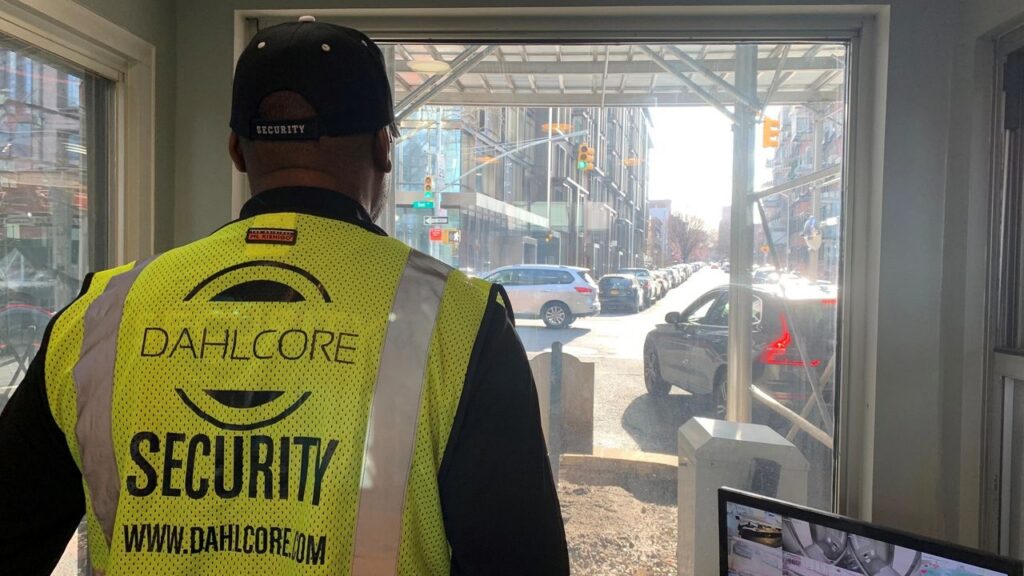
Fire watch security guards play a critical role in maintaining safety when fire protection systems are compromised. These professionals are trained to identify and mitigate fire hazards, providing an essential layer of security in vulnerable situations. Whether it’s during construction, system malfunctions, or in areas without proper fire detection equipment, fire watch guards can help prevent disasters.
One key reason for their importance is compliance with local fire codes. Many jurisdictions require businesses to have fire watch services when fire alarms or sprinklers are not functioning correctly. Failure to comply can result in hefty fines, legal liabilities, and, worst of all, increased risk to life and property.
Another essential aspect is their ability to provide real-time response to potential fire threats. Fire watch security guards patrol premises regularly, checking for possible hazards such as overheated equipment, flammable materials, or blocked exits. Their presence ensures that any fire-related issue is identified early, allowing swift intervention.
Top Benefits of Hiring Fire Watch Security Guards
Hiring fire watch security guards offers a range of benefits that go beyond basic fire prevention. Here are the top advantages of employing these specialized professionals:
- 24/7 Monitoring and Patrol: Fire watch guards provide constant surveillance of your premises, ensuring that any potential fire hazards are identified quickly. Their routine patrols help prevent fires from starting, particularly in high-risk areas or during times when fire alarm systems are malfunctioning.
- Compliance with Local Regulations: Many local fire codes mandate fire watch services when fire safety systems are compromised. Hiring a fire watch guard helps ensure that your business stays compliant with regulations, avoiding fines and legal issues.
- Rapid Response to Fire Emergencies: In the event of a fire, fire watch guards are trained to respond quickly. They can alert emergency services, initiate evacuations, and contain the situation until help arrives.
- Mitigation of Potential Fire Hazards: These guards are trained to identify potential hazards such as flammable materials, blocked exits, or faulty wiring. By addressing these issues proactively, fire watch security guards help prevent accidents before they happen.
- Peace of Mind for Business Owners: With fire watch guards on-site, business owners and managers can focus on other operational concerns, knowing that professionals are maintaining the safety of the property.
- Cost-Effective Risk Management: The cost of hiring fire watch security guards is far less than the potential financial losses from a fire. Insurance premiums may also be lower when proactive fire watch services are in place.
In summary, fire watch security guards provide around-the-clock protection, regulatory compliance, rapid emergency response, and peace of mind—all of which contribute to a safer and more secure environment for your business.

Fire Watch Training and Certification
Required Training for Fire Watch Personnel
Fire watch personnel are often required to undergo specific training before they can be assigned to this critical role. This training covers essential topics such as fire prevention techniques, how to monitor fire risks properly, and how to record observations in the fire watch log.
Certification and Skill Verification
Many industries require fire watch personnel to be certified in fire safety procedures. Certification ensures that they have the knowledge and skills needed to perform their duties effectively, including the proper maintenance of fire watch logs. Regular skill assessments and refresher courses help maintain competency.
What to Do If Your Fire Panel Fails to Communicate with the Local Fire Department
A malfunctioning fire panel can leave your building vulnerable, and it’s crucial to address this issue immediately. When your fire alarm system fails to communicate with the local fire department, follow these steps:
- Check for Obvious Issues: Start by checking for simple issues like loose wiring, power outages, or signal disruptions. If the problem is temporary, resetting the system may resolve it.
- Contact a Certified Technician: If basic troubleshooting doesn’t fix the issue, contact a certified fire alarm technician to inspect the system. They can diagnose and repair any underlying faults, whether it’s a hardware failure or a communication module issue.
- Initiate Fire Watch Procedures: While your fire panel is down, it’s crucial to establish fire watch patrols. Fire watch guards will manually monitor the premises for fire hazards and potential emergencies until the communication system is restored.
- Notify Your Fire Protection Company: Let your fire protection service provider know about the malfunction. They may need to coordinate with the fire department and provide additional assistance to restore proper communication.
- Inform Building Occupants: Inform building occupants of the situation. Provide clear instructions on what to do in case of a fire, such as alternative evacuation procedures or manual alerting systems.
- Document the Incident: Keep detailed records of the incident, including the time the problem started, who was notified, and what steps were taken to resolve it. Insurance companies or local authorities may require this documentation.
By taking these steps, you can ensure that your building remains protected and that fire risks are mitigated while the issue is being resolved.

FAQs About Fire Watch Logs
What is the purpose of a fire watch log?
A fire watch log records observations made by personnel responsible for monitoring fire hazards when fire suppression systems are down, ensuring compliance with safety regulations.
Who is responsible for maintaining fire watch logs?
Fire watch logs are typically maintained by trained personnel designated for fire watch duties, such as security officers, maintenance staff, or fire wardens.
How often should a fire watch log be updated?
Depending on local regulations, fire watch logs should be updated every 15 to 60 minutes, with entries documenting each check of the monitored area.
Can fire watch logs be kept digitally?
Yes, digital firewatch logs are increasingly used due to their convenience, accuracy, and ability to store data securely in the cloud for easy retrieval.
What should I do if there is an error in the fire watch log?
If an error is discovered in the fire watch log, correct it immediately and note the correction. Most digital log systems have revision features for transparency.
How long should a fire watch log be stored?
Fire watch logs are generally required to be stored for a minimum of one year after the fire watch ends, though this period may vary depending on local laws.
Conclusion
Maintaining a detailed and accurate fire watch log is crucial for ensuring fire safety and regulatory compliance in high-risk environments. From construction sites to healthcare facilities, fire watch logs provide a critical record of safety checks and actions taken. By following best practices, utilizing digital tools, and training personnel, businesses can ensure their fire watch logs are accurate and comprehensive. Compliance with OSHA and NFPA standards is not only a legal requirement but a vital step in protecting both property and lives. Whether using paper or digital logs, fire watch logs should be meticulously maintained and easily accessible during emergencies and inspections.
Check other blogs
Why Loss Prevention Services Are Crucial for NJ Retailers
How Surveillance Enhances Security: Key Insights
