


Retail safety is a critical concern for businesses worldwide. The presence of security guards significantly reduces risks and prevents losses due to theft, vandalism, and other security breaches. This article aims to explore the multifaceted role of security guards in maximizing retail safety and loss prevention, providing a comprehensive guide for retailers looking to bolster their security measures.
The Importance of Security Guards in Retail
Roles and Responsibilities
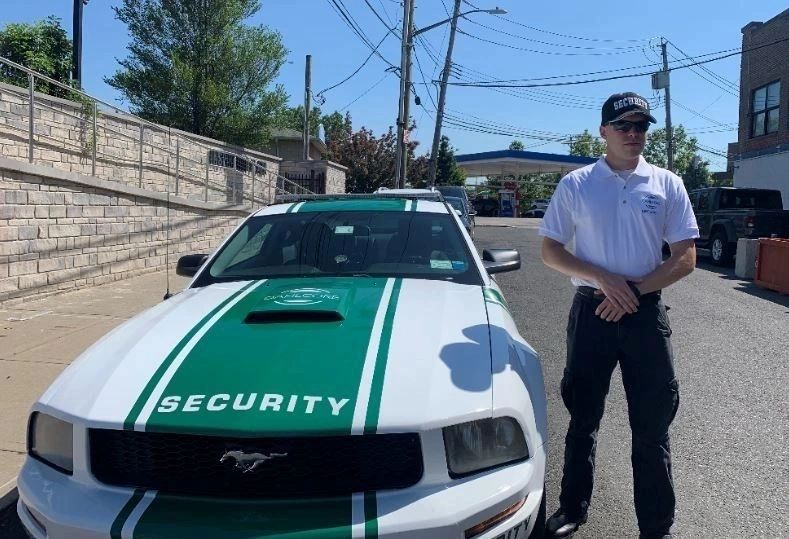
Security guards are the frontline defenders in retail environments. Their primary role is to deter criminal activity, conduct surveillance, and respond to security incidents. Well-trained guards are adept at identifying suspicious behavior, managing crowds, and executing emergency protocols effectively.
Impact on Loss Prevention
The presence of security guards can significantly deter theft and fraudulent activities. They are instrumental in identifying and apprehending shoplifters, conducting loss prevention audits, and ensuring the safety of customers and staff. By maintaining a visible security presence, guards not only prevent losses but also promote a sense of protection within the retail space.
Maximizing Retail Safety: The Role of Security Guards in Loss Prevention
Retail safety and loss prevention are critical components of a thriving business. Security guards play a vital role in not only deterring crime but also in fostering a safe shopping environment. From understanding the basics of retail safety to exploring advanced technological solutions, this article has covered the spectrum of strategies that can be employed to maximize safety in the retail sector.
Integrating Technology for Enhanced Security
Surveillance Systems
Surveillance technology is a cornerstone of modern retail security. CCTV cameras not only deter thieves but also provide valuable evidence in case of an incident. Retailers are leveraging high-definition video, facial recognition, and real-time monitoring to ensure comprehensive coverage of their premises.
Alarm Systems
Alarm systems serve as an essential deterrent and immediate response mechanism. They can range from simple door chimes to sophisticated, multi-layered systems that detect unauthorized entry or movement. Integration with mobile alerts ensures that management and security personnel are informed of breaches instantaneously.
RFID and Anti-Theft Technologies
Radio Frequency Identification (RFID) tags have revolutionized inventory management and loss prevention. By tagging merchandise, retailers can track items throughout the store, identify misplaced products, and alert staff of unauthorized removals. Anti-theft devices, such as electronic article surveillance (EAS) tags, further prevent shoplifting by triggering alarms when items are taken past a controlled area.
Training and Development for Security Personnel
Onboarding and Continuous Training
Effective security starts with well-trained personnel. Onboarding programs should familiarize new hires with store policies, emergency procedures, and the specific challenges of the retail environment. Continuous training ensures that guards remain updated on the latest security trends and techniques.
Specialized Loss Prevention Training
Beyond basic security training, guards should receive instruction tailored to the unique aspects of loss prevention. This includes recognizing shoplifting behaviors, conducting effective surveillance, and understanding the legal implications of detaining suspects.
Evaluating Training Effectiveness
Regular assessments and refresher courses are crucial to maintaining high standards. Simulated drills, performance reviews, and customer feedback can all provide insights into the effectiveness of the training program and highlight areas for improvement.
Best Practices in Retail Security
Physical Security Measures
A layered approach to physical security helps deter criminals and protect assets. This includes secure locks, reinforced entry points, and a strategic layout design that minimizes blind spots and funnels traffic through monitored areas.
Internal Theft Prevention
Employee theft can be as damaging as an external crime. Rigorous background checks, transparent policies, and a culture of accountability are vital. Regular audits and discreet surveillance help identify and deter internal theft.
Emergency Response Planning
Every retail setting should have a clear, well-practiced plan for emergencies ranging from medical incidents to active shooter situations. Training staff and security personnel to respond effectively can minimize harm and ensure a coordinated effort with first responders.
Legal and Ethical Considerations
Compliance with Laws
Security practices must adhere to legal standards concerning privacy, detention, and use of force. Understanding local and national laws is crucial to developing policies that protect the store without infringing on rights.
Ethical Dilemmas and Resolutions
Retail security often involves sensitive situations that require ethical decision-making. Balancing loss prevention with respect for individuals’ dignity and rights is essential. Regular ethical training and clear guidelines help staff navigate these challenges.
Privacy and Customer Trust
Customers have a reasonable expectation of safety when they engage with a business or visit a public place, and this trust can be upheld by fostering a sense of security without making individuals feel like they are constantly under surveillance. Achieving this balance involves openly communicating about the security measures in place and prioritizing discreet surveillance methods to safeguard both physical and digital spaces, ultimately preserving the trust of customers while ensuring their safety.
Collaborating with Law Enforcement
Partnership Benefits
Collaborating closely with local law enforcement agencies significantly bolsters security initiatives by offering valuable advantages. These partnerships foster enhanced security through the availability of additional resources, such as personnel and equipment, as well as facilitating continuous training opportunities. Moreover, they promote effective information sharing, enabling timely responses to potential threats and ensuring a safer community overall.
Sharing Information and Resources
Retailers can significantly benefit from crime prevention initiatives and the valuable data provided by law enforcement agencies. By actively participating in these initiatives and sharing surveillance footage and incident reports, businesses can not only help deter criminal activity but also aid law enforcement in their investigations, fostering a safer environment for both customers and employees.
Joint Training Initiatives
Engaging in joint training exercises with law enforcement agencies enables security personnel to acquire the necessary skills and knowledge to effectively respond to a broad spectrum of security threats, spanning from common theft incidents to more severe terrorist activities. This collaborative training fosters seamless communication and coordination between security staff and the police, ensuring a swift and well-coordinated response in the event of any emergency, ultimately enhancing overall security preparedness.
Future Trends in Retail Security
Emerging Technologies
Advancements in AI, machine learning, and predictive analytics are poised to revolutionize retail security by enabling the proactive detection of theft and fraud through pattern recognition and anomaly detection. These technologies also enhance operational efficiency by optimizing inventory management and supply chain logistics, ultimately leading to cost savings and improved customer experiences through personalized recommendations and efficient checkout processes, all while ensuring the safety and security of both shoppers and merchandise.
Evolving Threats
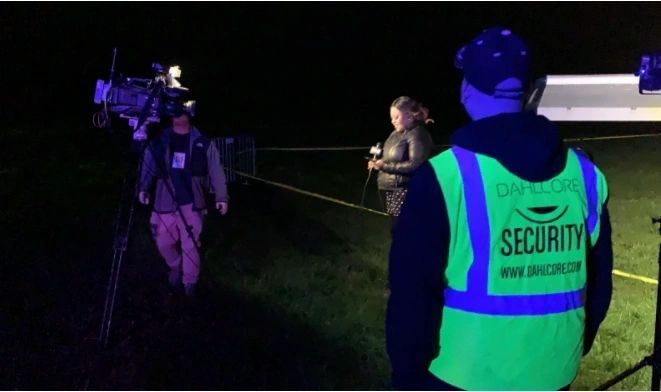
In an ever-evolving retail landscape, staying ahead of the curve in security is essential. Retailers must continually adapt to shifting crime patterns, emerging technologies, and evolving consumer behavior to ensure their security strategies remain effective and capable of safeguarding their businesses and customers.
Predictive Analytics in Loss Prevention
Data-driven approaches enable retailers to analyze vast amounts of information related to their operations, such as sales data, inventory levels, and customer behavior. By harnessing this data, retailers can identify patterns and anomalies that may indicate potential risks or inefficiencies in their supply chain, store operations, or cybersecurity.
This allows them to take proactive measures to address these vulnerabilities and optimize their overall security posture. This data-driven approach not only enhances the retailer’s ability to protect their assets and customer data but also improves their efficiency and competitiveness in the market.
FAQs
What are the primary duties of a security guard in retail?
Security guards in retail are responsible for patrolling the property, monitoring surveillance equipment, preventing theft, and ensuring the safety of customers and employees.
How can technology enhance retail security?
Technology enhances retail security by providing advanced surveillance, theft deterrent systems, and data analytics for predicting and managing potential threats.
What are some common strategies for loss prevention?
Common strategies include employee training, customer service, visible security measures, inventory management, and the use of technology like CCTV and RFID tags.
How does training affect the effectiveness of security guards?
Training improves guard effectiveness by equipping them with the skills to recognize threats, handle incidents, and provide excellent customer service.
What are the legal considerations for retail security?
Legal considerations include adhering to privacy laws, understanding the use of reasonable force, and ensuring detainment procedures comply with legal standards.
How should retailers respond to a security breach?
Retailers should respond to a security breach by immediately activating their emergency plan, contacting authorities, preserving evidence, and later conducting a thorough investigation to prevent future incidents.
Conclusion
In conclusion, maximizing retail safety and preventing losses is a multifaceted challenge that requires a comprehensive strategy. Security guards equipped with the proper training and technology are at the forefront of this effort. By understanding the principles outlined in this article and adapting to the unique needs of their environment, retailers can create a safer, more secure shopping experience for everyone.
Explore our other blog posts here
Safety and Security: Key Protocols for Large-Scale Hotel Events
NFPA Fire Watch Requirements: Thresholds & Duties
Who Are Considered First Responders? | Security Services Guide
Check also our Loss Prevention
