

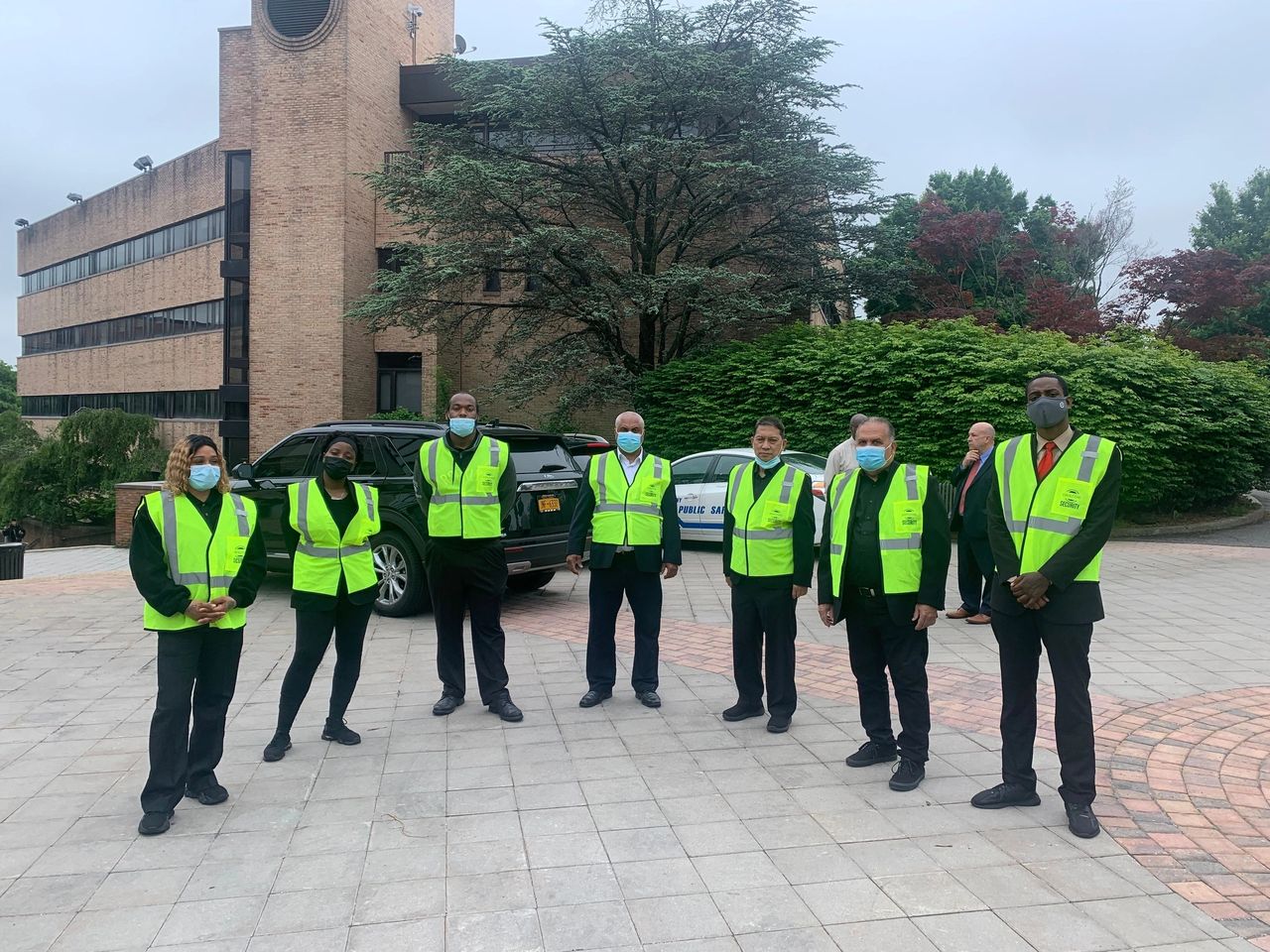
The safety and well-being of patients in hospitals are of utmost importance. In this context, the role of hospital security guards becomes significantly crucial. They are not just guards; they are an integral part of the healthcare team focused on enhancing patient safety.
The Intersection of Security and Healthcare: A Vital Balance
Hospital security guards are at the forefront of maintaining a harmonious balance between stringent security measures and compassionate healthcare. Their presence in the hospital environment is not only reassuring but is also essential for ensuring a safe and secure atmosphere. These professionals are trained to seamlessly blend the requirements of security with the sensitivity needed in healthcare settings. Their vigilance contributes significantly to the prevention of potential threats, ensuring that healthcare providers can focus on delivering quality care without concerns about safety breaches.
Understanding the Scope: Duties and Responsibilities
The role of a hospital security guard is multifaceted, involving more than just surveillance and patrol. These guards are responsible for monitoring access to sensitive areas, managing visitor check-ins, and ensuring that safety protocols are strictly adhered to. They also play a crucial role during emergencies, such as evacuations or dealing with unruly individuals. Their presence is a deterrent to potential threats, and their quick response in crises is often lifesaving.
Training and Skills: Preparing for the Unexpected
Training for hospital security guards is rigorous and covers various aspects, including emergency response, conflict resolution, and essential medical assistance. This training ensures that they are well-equipped to handle unexpected situations, from providing first aid to managing aggressive behavior. Their skills go beyond traditional security training, encompassing aspects of patient care and safety, making them invaluable in the healthcare setting.
Technology in Action: Enhancing Security Measures
The integration of technology in hospital security has revolutionized how security guards perform their duties. Advanced surveillance systems, access control technologies, and real-time communication tools enable them to monitor the premises more effectively. This technology not only enhances their ability to respond swiftly to incidents but also aids in preventive measures, keeping potential threats at bay.
Building Trust: Security Guards as Patient Advocates
Hospital security guards often serve as the first point of contact for patients and visitors, playing a vital role in building trust. They are trained to interact with empathy and understanding, ensuring that patients feel safe and respected. Their role as advocates is crucial in fostering an environment where patients can focus on recovery without concerns about their safety or privacy.

Emergency Response: Guards as First Responders
In emergencies, the prompt action of hospital security guards can be critical. They are often the first on the scene, providing immediate assistance and coordinating with medical staff to manage the situation. Their quick response and decision-making skills are essential in minimizing harm and ensuring patient safety.
Navigating Challenges: Dealing with Difficult Situations
Hospital security guards are highly skilled in addressing challenging situations that may arise within healthcare settings. They receive comprehensive training in techniques for managing aggressive behavior, which includes understanding the psychology of agitation and applying de-escalation tactics effectively. These professionals balance their authority with diplomacy to defuse conflicts, prioritize the safety and well-being of everyone in the hospital, and create a stable and secure environment for patients, staff, and visitors.
Collaboration is Key: Working with Healthcare Professionals
Collaboration between hospital security and healthcare professionals plays a pivotal role in enhancing the overall effectiveness of healthcare facilities. Regular communication fosters a shared understanding of the unique challenges and requirements within the healthcare environment, allowing security measures to be tailored to meet these specific needs. This cohesive approach not only bolsters patient safety but also promotes a more efficient and harmonious functioning of the hospital, ensuring that both security and healthcare professionals work together seamlessly to provide a safe and nurturing environment for patients and staff.
Patient Privacy and Security: A Delicate Balance
Hospital security guards play a pivotal role in upholding patient privacy by implementing strict privacy protocols within healthcare facilities. Their specialized training equips them with the knowledge and skills to safeguard sensitive patient information while simultaneously fulfilling their security responsibilities. This delicate balance not only fosters patient trust but also ensures that the hospital remains in compliance with healthcare regulations, thereby safeguarding the integrity of patient confidentiality.
The Human Touch: Empathy and Compassion in Security
Empathy and compassion are indispensable qualities for hospital security guards, as they play a pivotal role in shaping the overall patient experience. These qualities enable security personnel to effectively interact with patients, particularly those in vulnerable states, fostering a sense of understanding and care that contributes to the creation of a positive and reassuring hospital environment. This not only enhances the well-being of patients but also reflects positively on the hospital’s commitment to patient-centered care.
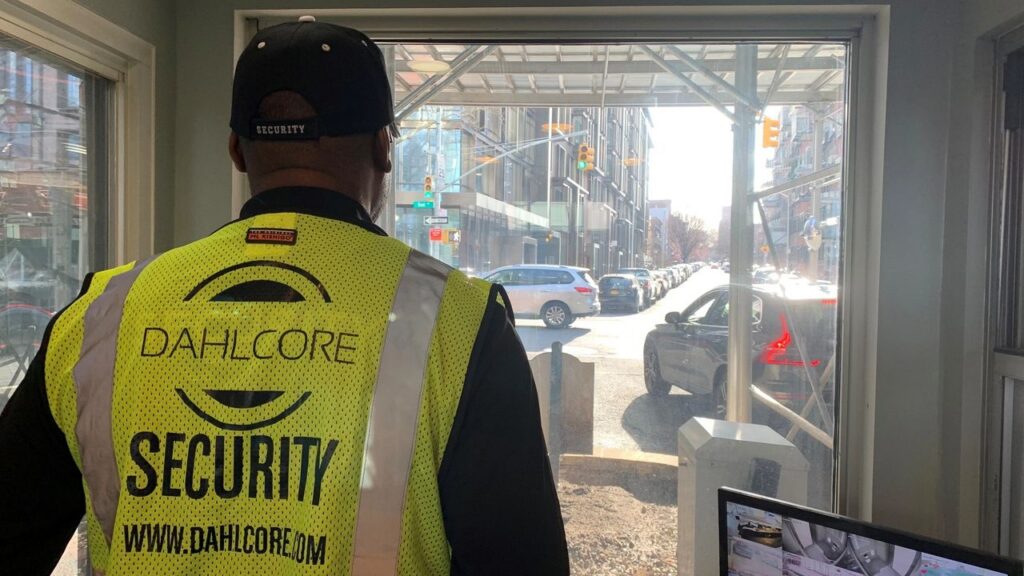
Proactive Measures: Preventing Incidents Before They Happen
Proactive security measures play a critical role in safeguarding hospitals and their patients, as they help identify and address potential vulnerabilities before they lead to security incidents. Regular risk assessments enable healthcare facilities to evaluate their security posture, pinpoint weak points, and prioritize areas in need of improvement. At the same time, ongoing staff training ensures that employees are well-prepared to recognize and respond to security threats, reducing the likelihood of breaches or disruptions to patient care. Furthermore, keeping security protocols up to date ensures that hospitals can adapt to evolving threats and maintain a robust defense against various security challenges, ultimately enhancing the safety and well-being of both patients and healthcare staff.
The Role of Security in Patient Experience
Hospital security guards play a crucial role in creating a safe and welcoming atmosphere for patients. Their presence not only deters potential threats and ensures physical safety but also helps patients and their families feel more at ease in what can often be a stressful and vulnerable situation. This sense of security and comfort contributes to a positive patient experience, which can positively impact the healing process and overall satisfaction with healthcare services.
Continuous Learning: Staying Ahead of Security Trends
Continuous learning and training are vital for hospital security guards to keep up with the ever-evolving landscape of security and healthcare. Staying informed about the latest trends and developments in security technology, emergency response protocols, and healthcare regulations enables them to proactively address potential threats, provide a safe environment for patients and staff, and effectively respond to emergencies.
FAQs
How do hospital security guards contribute to patient safety?
Hospital security guards contribute to patient safety by maintaining a secure environment, managing access control, responding to emergencies, and ensuring that safety protocols are followed.
What kind of training do hospital security guards receive?
Hospital security guards receive comprehensive training that includes aspects of security, emergency response, conflict resolution, and essential medical assistance.
Can hospital security guards assist in medical emergencies?
Yes, hospital security guards are often trained to provide essential medical assistance and are equipped to act as first responders in medical emergencies.
How does technology enhance the role of hospital security guards?
Technology enhances the role of hospital security guards by providing advanced surveillance systems, access control, and communication tools for more effective monitoring and response.
Are hospital security guards involved in ensuring patient privacy?
Yes, hospital security guards play a crucial role in ensuring patient privacy by enforcing privacy protocols and balancing the need for security with respect for patient confidentiality.
Conclusion
The role of hospital security guards is critical in ensuring a safe and secure environment for patients. Their comprehensive training, ability to handle various challenges, and collaboration with healthcare professionals make them an integral part of the healthcare team. Their contribution not only enhances patient safety but also positively impacts the overall patient experience.
Check other blogs
Unveiling the Fire Protection Pro: Behind-the-Scenes Insights
What Is a Security Contractor and How They Ensure Safety
How to Get into Private Security: Unlock Your Career
The Use of Non-Lethal Weapons by Security Guards
