


Emergency Response Planning for Hotel Security Teams is not just about having a plan; it’s about ensuring a swift, effective, and coordinated response to any crisis, guaranteeing the safety and peace of mind of guests and staff. In this article, we’ll explore key strategies to develop a robust emergency response plan that stands up to any challenge.
Emergency Response Planning for Hotel Security Teams
Understanding the Dynamics of Hotel Emergencies
In order to effectively craft a response plan for emergencies in hotels, it is crucial first to identify and understand the wide range of potential hazards that could occur, including natural disasters like earthquakes, floods, and hurricanes, as well as security threats such as fires, terrorist attacks, or even guest altercations. Once these potential risks are recognized, hotel management can then anticipate the challenges that may arise during each scenario, ranging from communication breakdowns to evacuating guests with mobility issues, and subsequently prepare detailed response protocols to ensure the safety and well-being of both guests and staff in these critical situations.
Establishing a Command Center
In times of crisis, a central command center assumes a pivotal role by serving as the nerve center for all operational activities. This facility must be outfitted with cutting-edge technology and ample resources to facilitate efficient management of the situation, enabling flawless communication and coordination among diverse teams working towards a common goal.
Practical Staff Training and Empowerment
The effectiveness of an emergency response dramatically hinges on the level of preparedness among the staff. Regular training sessions, mock drills, and empowerment through decision-making skills are essential components in ensuring that your team is well-prepared to handle any emergency that may arise. These activities not only enhance the technical skills of the staff but also foster a sense of confidence and readiness, enabling them to act swiftly and effectively when faced with a crisis.
Developing Clear Evacuation Procedures
Evacuation procedures serve as a fundamental component of effective emergency response strategies. They provide a clear and simplified set of instructions that individuals can easily follow during a crisis, ensuring the safety of everyone involved. Regularly practicing these procedures through drills and rehearsals is essential to familiarize people with the necessary actions, thereby increasing their readiness to respond effectively in any emergency.
Leveraging Technology for Enhanced Security
Modern technology, including surveillance systems, alarms, and communication tools, has revolutionized emergency response by providing security teams with real-time information and coordination capabilities. Integrating these technologies allows for faster detection of threats, immediate alerting, and improved communication, ultimately enhancing the security team’s capacity to respond swiftly and effectively to emergencies.

Collaborating with Local Emergency Services
Establishing partnerships with local emergency services such as police, fire departments, and medical teams is essential as it enables seamless coordination and communication during critical situations. These collaborations not only enhance the overall effectiveness of emergency response but also foster a sense of community and trust, ensuring that resources and expertise are readily available to address any emergency that may arise.
Catering to the Needs of Diverse Guests
An effective emergency response plan for hotels must be inclusive and consider the diverse needs of all guests, including those with disabilities, children, and older people. This means having accessible evacuation routes and facilities, providing clear and understandable communication during emergencies, and having staff trained to assist guests with special requirements, ensuring that everyone can safely and efficiently evacuate or respond to emergencies.
Regular Review and Update of Emergency Plans
Emergency plans should not remain fixed in time, as they must evolve to address emerging threats and accommodate alterations in the hotel’s layout and technological advancements. Regular reviews and updates are essential to ensure that the plan remains effective and responsive, helping to safeguard both the safety of guests and the hotel’s ability to mitigate potential crises.
Effective Communication with Guests and Staff
In times of crisis, clear and calm communication is essential as it helps to minimize panic and confusion among both guests and staff. A well-structured plan should encompass effective strategies for promptly disseminating information regarding the situation, offering guidance on safety measures, establishing channels for ongoing updates, and fostering a sense of security and trust among all stakeholders involved.
Documenting and Learning from Past Emergencies
Documenting past emergencies and learning from them is crucial because it provides valuable insights into the strengths and weaknesses of response strategies. By thoroughly analyzing what worked effectively and what didn’t during these emergencies, organizations and authorities can make informed decisions to refine their plans and better prepare for future crises, ultimately leading to more efficient and effective responses to safeguard lives and resources.
Building a Culture of Safety and Preparedness
Fostering a culture of safety and preparedness within a hotel is essential for the well-being of both guests and staff. Encouraging employees to remain vigilant means they are more likely to identify potential hazards or security concerns before they escalate. Promoting a proactive attitude ensures that preventive measures are taken to minimize risks. Additionally, when staff members are well-prepared and trained to respond effectively to emergencies, the hotel can swiftly and confidently address any unexpected situations, ultimately enhancing the overall safety and security of the establishment.
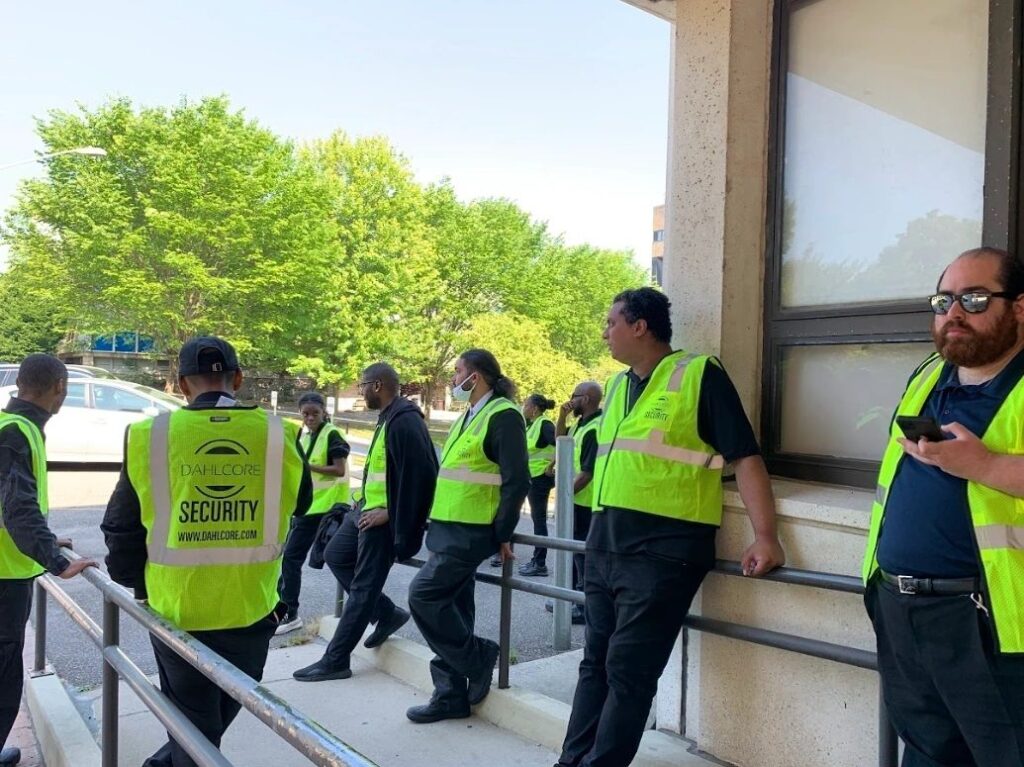
Emergency Response Planning as Part of Overall Hotel Management
Integrating emergency response planning into the overall hotel management not only prioritizes the safety and well-being of guests and staff but also ensures that potential crises are addressed with the necessary diligence and resources. This holistic approach allows for the development of comprehensive strategies, training, and protocols, fostering a culture of preparedness that ultimately creates a safer and more secure environment for everyone within the hotel premises.
FAQs
What are the critical components of an emergency response plan for hotels?
The key components include clear evacuation procedures, effective communication strategies, staff training, technology integration, and collaboration with local emergency services.
How often should hotel emergency response plans be reviewed and updated?
Emergency response plans should be reviewed and updated at least annually or whenever there are significant changes in the hotel’s structure, staff, or technology.
What role does technology play in hotel emergency response?
Technology, such as surveillance systems and communication tools, plays a crucial role in monitoring situations, alerting staff and guests, and coordinating response efforts.
How can hotels ensure the safety of guests with special needs during an emergency?
Hotels should have specific procedures to assist guests with special needs, including accessible evacuation routes and personalized assistance if needed.
What is the importance of collaborating with local emergency services?
Collaborating with local emergency services ensures a coordinated and comprehensive response, leveraging
their expertise and resources to handle emergencies effectively.
How can hotels train their staff for emergencies?
Regular training sessions, including drills and scenario-based exercises, can effectively prepare staff to handle various emergencies confidently and competently.
Conclusion
Effective Emergency Response Planning for Hotel Security Teams is critical in ensuring the safety and well-being of guests and staff. By understanding the dynamics of hotel emergencies, establishing a command center, empowering staff through training, and leveraging technology, hotels can create a secure and prepared environment. Collaboration with local emergency services, regular plan updates, and a culture of safety are essential in maintaining readiness for any crisis. This comprehensive approach not only safeguards against potential emergencies but also reinforces the hotel’s reputation as a safe and reliable haven for travelers.
Check other blogs
Exploring Access Control in InfoSec: A Comprehensive Guide
Hotel Security Deposit Return: A Comprehensive Guide
