

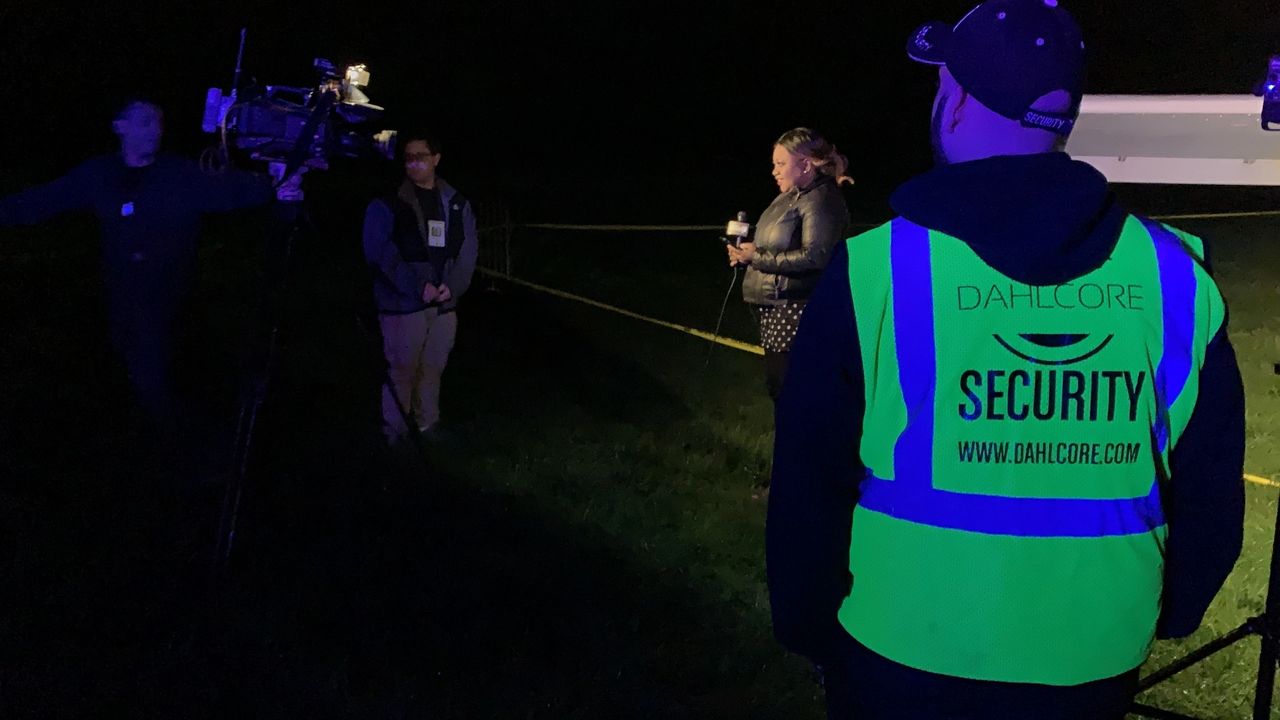
Maritime Nighttime Security
The tranquility of the ocean at night belies the myriad challenges it presents to maritime security. As the sun sets, the complexity of safeguarding vessels from potential threats increases manifold. This section highlights the unique challenges of nighttime security and underscores the importance of vigilance at sea.
Understanding the Unique Challenges of Nighttime Security
Nighttime brings reduced visibility, making it difficult for crew members to spot potential threats or hazards. Threats such as piracy or unauthorized boarding can exploit this darkness. Here, we discuss how to mitigate these risks and ensure the safety of vessels and their cargo.
The Importance of Vigilance at Sea
Navigating the unpredictable sea necessitates unwavering vigilance, particularly during the night when visibility is reduced. Crew members must undertake regular patrols throughout the vessel, meticulously scanning the horizon for any signs of danger or obstacles. Additionally, designated lookout points equipped with advanced technology aid in enhancing surveillance capabilities, ensuring the safety and security of all aboard.
Comprehensive Security Measures for Night Operations
Adopting a holistic approach to security, especially during the night, is essential for maritime vessels. This section outlines the technological innovations in night surveillance, including thermal imaging and radar systems, and emphasizes the significance of strict access control measures.
Technological Innovations in Night Surveillance
Technology becomes the eyes of the maritime vessel in the cloak of darkness. Thermal imaging and night vision technologies play a pivotal role in detecting unauthorized approaches to the vessel. Similarly, radar systems are indispensable for navigation and identifying potential threats in the vicinity.
Implementing Strict Access Control Measures
Implementing identification and tracking systems aboard vessels is paramount for securing sensitive areas. These systems help restrict access to authorized personnel only, mitigating the risk of unauthorized entry. By effectively monitoring and controlling the vessel’s perimeter and critical zones, such measures enhance overall security and safeguard against potential threats or breaches.

Risk Assessment
- Identifying potential vulnerabilities specific to nighttime operations: Nighttime operations can expose vulnerabilities such as limited visibility, decreased crew alertness, and reliance on electronic navigation systems. Identifying these vulnerabilities is the first step in fortifying security measures.
- Analyzing previous security incidents to inform risk assessment: Reviewing incidents of maritime security breaches at night provides valuable insights into potential threats and helps craft more effective defense strategies.
- Assessing the effectiveness of existing security measures: Evaluating current security protocols under the unique conditions of nighttime operations helps in identifying gaps and areas for improvement.
Training and Preparedness for Nighttime Security Personnel
The human element is as vital as technology in maritime security. Specialized training programs tailored for nighttime operations can prepare security personnel to respond effectively to emergencies and threats under limited visibility.
Specialized Training Programs for Nighttime Operations
Training for nighttime security on maritime vessels goes beyond standard security protocols. It encompasses specialized programs designed to equip personnel with the skills needed to navigate the unique challenges posed by the dark. From utilizing night vision equipment to understanding the subtleties of sound and movement on the water at night, these programs aim to prepare crew members for efficient and effective responses to any situation.
Emergency Response Strategies under Limited Visibility
In the challenging environment of nighttime emergencies at sea, the unpredictability is heightened due to limited visibility. To effectively respond to such situations, tailored strategies are crucial, encompassing search and rescue operations, man-overboard procedures, and firefighting techniques. Emphasizing drills and simulations under nighttime conditions enhances crew preparedness, ensuring they can navigate and respond swiftly and effectively when faced with emergencies in the darkness of the open sea.
Best Practices for Nighttime Security
Enhanced Lighting:
- Adequate lighting on and around the vessel is important. Proper lighting deters intruders by increasing visibility and reducing hiding spots.
- Utilization of motion-activated lights and infrared technology: These technologies help detect movements and enhance security without compromising the vessel’s stealth.

Surveillance Systems:
- Installation of CCTV cameras in key areas ensures continuous monitoring of critical regions, aiding in the early detection of security breaches.
- Implementation of night vision cameras for enhanced visibility in low-light conditions: Night vision technology is essential for maintaining surveillance capabilities throughout the night.
Access Control:
- Restricting access to sensitive areas during nighttime hours: Limits potential points of vulnerability by controlling access.
- Implementing biometric authentication for secure entry: Enhances security by ensuring only authorized personnel can access restricted areas.
Patrols and Monitoring:
- Regular patrols by trained security personnel Act as a physical deterrent and enable rapid response to incidents.
- Utilization of radar and sonar systems for monitoring surrounding waters: Early detection of approaching threats through technological means.
Communication Protocols:
- Establishing clear communication procedures for nighttime security incidents: Ensures swift and coordinated response actions.
- Integration of satellite communication systems for reliable communication in remote areas: Maintains communication lines open even in the most isolated locations.
Advanced Monitoring and Alarm Systems
The integration of advanced monitoring and alarm systems offers a proactive approach to maritime security. These systems provide real-time data on the vessel’s surroundings, enabling prompt identification of potential threats and facilitating immediate action.
Integrating Advanced Alarm Systems for Immediate Detection
Advanced alarm systems are engineered to detect unauthorized access or abnormal activities within the vicinity of the vessel. Upon detection, these systems alert the crew, allowing for a swift response to mitigate any potential security breaches.
Real-time Monitoring and Response Coordination
Real-time monitoring systems, equipped with sensors and cameras, offer continuous surveillance of the maritime vessel’s perimeter. Coupled with a centralized response coordination center, these systems ensure that any alarms are immediately addressed and appropriate measures are taken to secure the vessel.

Legal and Regulatory Compliance in Maritime Security
Adhering to international maritime security laws and regulations is not only a legal obligation but also a fundamental aspect of ensuring the safety and security of maritime vessels. This section explores vital legal frameworks and the importance of compliance for nighttime operations.
Understanding International Maritime Security Laws
The complex landscape of international maritime security laws, including conventions such as SOLAS (Safety of Life at Sea) and the ISPS Code (International Ship and Port Facility Security Code), provides a legal foundation for the security measures implemented on maritime vessels. Familiarity with these laws is essential for developing compliant security protocols.
Adhering to Best Practices and Regulations
Compliance with international regulations and best practices is critical for maintaining the security and safety of maritime vessels. This includes regular audits, certifications, and training programs that ensure the crew is knowledgeable and prepared to uphold the highest standards of maritime security.
Addressing Piracy and Unauthorized Boarding
Piracy remains a significant threat to maritime vessels, particularly in high-risk areas. This section outlines preventative measures and response strategies to deter piracy and unauthorized boarding attempts.
Preventative Measures Against Piracy
Implementing a layered defense strategy involving physical barriers, surveillance systems, and crew training is crucial in significantly mitigating piracy risks. This approach not only fortifies the ship against potential attacks but also empowers the crew with the necessary skills to respond effectively. Furthermore, strategic route planning and secure communication channels play pivotal roles in avoiding piracy-prone areas and bolstering the overall security of maritime operations.
Procedures for Handling Unauthorized Boarding Situations
In the event of an unauthorized boarding, a well-prepared response plan is essential to ensure the safety of the crew and vessel. This plan should include clearly designated safe areas for the crew to gather, established communication protocols with international maritime security forces for assistance, and the availability of non-lethal deterrents to deter or delay attackers from gaining control of the ship. Regular drills and training sessions should be conducted to ensure that the crew is familiar with the response plan and can execute it effectively in a crisis.
Leveraging Community and Global Support
Building alliances and engaging with international maritime security initiatives can enhance the overall security posture of maritime vessels. This section emphasizes the role of collaboration and information sharing in combating threats to maritime security.

Building Alliances with International Maritime Security Forces
Active participation in international maritime security alliances and cooperative efforts with naval forces can provide additional layers of security and support for maritime vessels. These alliances facilitate the sharing of intelligence, best practices, and resources to enhance security measures and response capabilities.
Utilizing Satellite Communications for Enhanced Security
Satellite communication systems offer a reliable means of maintaining contact with shore-based support and international maritime security forces. These systems ensure that vessels can report incidents, receive updates on potential threats, and access assistance from anywhere in the world, regardless of the time of day.
Frequently Asked Questions
Is night surveillance more challenging than daytime surveillance on maritime vessels?
Yes, night surveillance poses unique challenges due to reduced visibility, requiring specialized equipment and training to ensure effective monitoring and threat detection.
What is the best way to handle unauthorized boarding at night?
The best approach is to have a well-practiced response plan, including alerting the crew, retreating to a safe area, and using non-lethal deterrents while waiting for assistance from maritime security forces.
Can satellite communications be disrupted, affecting maritime security?
While satellite communications are generally reliable, they can be subject to interference or disruption, highlighting the importance of having backup communication systems in place.
How does weather affect nighttime maritime security operations?
Adverse weather can complicate nighttime security operations by reducing visibility further and affecting the functionality of surveillance equipment, necessitating adaptive strategies and equipment.
What advancements are being made in maritime security technology?
Ongoing advancements include the development of AI-driven surveillance systems, enhanced radar and imaging technologies, and automated response protocols to improve security efficiency and effectiveness.
Conclusion: Enhancing Security Under the Cover of Night
The challenge of maintaining security on maritime vessels intensifies under cover of night, but with the right combination of technology, training, and international collaboration, these challenges can be effectively met. Emphasizing the importance of preparation, vigilance, and adaptation to evolving threats ensures that maritime operations can proceed safely, regardless of the time. By investing in the latest security technologies, fostering a culture of continuous learning among crew members, and participating in global security initiatives, the maritime industry continues to strengthen its defenses against the unique risks presented by nighttime operations.
Check other blogs
Secure Your Healthcare Facility Effectively
What is Airport Security Called? Protectors of Air Travel
Is a Security Guard a Public Servant? Understanding Their Role
