


Becoming a professional fire watch guard requires developing the necessary skills, training, and certifications needed to protect people and property during a fire emergency. Fire watch guards play an integral part in preventing fires from starting and mitigating their effects when they do start up. Here, we outline all the steps required to become an official fire watch guard.
What is the Qualification of Fire Watcher?
A fire watcher, also known as a fire watch security guard, is responsible for monitoring fire hazards in high-risk environments, particularly in construction sites, industrial settings, and facilities undergoing maintenance. To qualify as a fire watcher, individuals must meet specific requirements, including education, certification, and relevant skills.
- Minimum Education Requirements – Most fire watchers must have at least a high school diploma or GED. While higher education is not typically required, some employers may prefer candidates with additional training in fire safety or security.
- Certifications and Training – Fire watchers must complete fire safety training, which often includes courses in:
- Fire prevention and control
- Fire extinguisher use
- Emergency response procedures
- Occupational Safety and Health Administration (OSHA) fire safety standards
- In many states, a fire watcher must also obtain a Fire Watch Certification or a similar credential from an accredited training program.
- Physical Fitness and Alertness – Since fire watchers must remain vigilant for long periods and act quickly in emergencies, they should have good physical stamina and keen observational skills.
- Knowledge of Fire Hazards – Fire watchers need to understand different types of fire hazards, including flammable materials, electrical malfunctions, and high-temperature environments.
- Security or Firefighting Experience – While not always required, previous experience in security, firefighting, or related fields can be beneficial.
- Legal Requirements – Some jurisdictions require fire watchers to have a valid security guard license or background clearance.
A well-qualified fire watcher plays a crucial role in preventing fires and ensuring safety in high-risk work areas.
Understand the Role of a Fire Watch Guard
Before embarking on a career as a fire watch guard, it is crucial that one fully comprehend their responsibilities. Fire watch guards must:
- Monitoring areas for signs of fire hazards, such as smoke or sparks
- Ensuring fire safety equipment is in good working order
- Conducting regular fire safety inspections
- Communicating with building occupants and emergency responders in case of a fire
- Reporting any fire hazards or incidents to the appropriate authorities
Acquire the Necessary Skills
A successful fire watch guard needs a specific set of skills, including:
- Strong observational skills to detect potential fire hazards
- Excellent communication skills to effectively relay information to others
- Quick decision-making and problem-solving abilities to address fire hazards and emergencies
- Ability to work independently or as part of a team
- Physical fitness and stamina to handle the demands of the job

Complete Required Training
Becoming a professional fire watch guard requires completing appropriate training programs. Many security companies provide fire watch training as part of their overall security guard training programs, with programs typically covering:
- Fire safety regulations and codes
- Use and maintenance of fire safety equipment, such as fire extinguishers and alarms
- Proper procedures for responding to fire emergencies
- Evacuation and emergency response protocols
Employers frequently provide on-the-job training programs for fire watch guards and formal training programs to familiarize them with specific requirements and protocols of their workplace environment.
Obtain Necessary Certifications
Certification requirements depend on your location; however, standard certifications needed by fire watch guards include:
- Basic security guard certification: This is typically required for all security guards, including those specializing in fire watch duties.
- Fire safety training certification demonstrates that a fire watch guard has completed a recognized fire safety training program.
- First aid and CPR certification: Fire watch guards may be required to administer first aid or CPR in emergencies, making this certification essential.
Check your local regulations and requirements to ensure you obtain the necessary certifications for your area.
Gain Experience
Experience is vital when becoming a professional fire watch guard, and many employers prefer candidates with prior experience in this field. You can gain this by:
- Working as a security guard with fire watch duties
- Volunteering with local fire departments or emergency response organizations
- Participating in internships or apprenticeships in fire safety or related fields
Pursue Continuous Education and Professional Development
Knowledge of current fire safety regulations, technologies, and best practices is essential to an influential fire watch guard career. Look for opportunities to expand your skills through ongoing education courses, workshops, and industry conferences.
Following these steps, you’re on your way to becoming a professional fire watch guard. This rewarding profession offers opportunities to protect lives and property while contributing to community safety.
Looking for top-notch security solutions? Your search ends here! Our Security Guard Agencies are your ultimate partners in safeguarding what matters most to you. With a team of highly trained professionals, cutting-edge technology, and a proven track record, we provide comprehensive security services tailored to your unique needs. Whether it’s corporate security, event management, or personal protection, we’ve got you covered. Don’t compromise on safety – choose our Security Guard Agency today and experience peace of mind like never before. Your security is our priority.
Network within the Industry
Networking within the fire safety and security industry is an invaluable asset to career advancement. Attending industry events, conferences, workshops, and webinars provide ample opportunity to meet professionals and potential employers. In addition, joining professional associations or online forums dedicated to fire safety and security provides you with more ways of connecting with other professionals, sharing knowledge, and staying abreast of job openings.

Develop Customer Service Skills
As a fire watch guard, you must regularly interact with property owners, tenants, and other stakeholders. Strong customer service skills will enable you to communicate more effectively while addressing client concerns and building trust among your clients. Improve these abilities by:
- Actively listening and empathizing with others
- Providing clear and concise information
- Resolving issues or problems promptly
- Keeping a professional and obedient demeanor at all times
Consider Specializing in a Specific Industry or Setting
Relying on your interests and career goals, you may select to specialize in a specific industry or setting, such as:
- Residential properties (apartment buildings, gated communities)
- Commercial properties (offices, retail spaces)
- Industrial facilities (factories, warehouses)
- Construction sites
- Outdoor events (festivals, concerts)
Focusing on a specific area can help you gain expertise and stand out as a specialist in the field, potentially leading to more job opportunities and higher pay.
Is Firewatch a Good Paying Job?
Firewatch jobs can offer competitive pay, depending on the location, industry, and level of experience. Generally, wages for fire watchers vary, but the role can be financially rewarding for those seeking steady employment in the security or fire safety sector.
- Average Salary – The hourly wage for a fire watcher typically ranges between $15 to $30 per hour, with variations based on state regulations and employer requirements. In high-risk industries like oil refineries or construction, the pay can be even higher.
- Overtime and Hazard Pay – Many fire watchers work in hazardous environments, which may qualify them for overtime pay, shift differentials, or hazard bonuses. Some employers offer double-time pay for overnight shifts or work in extreme conditions.
- Job Stability and Demand – Fire watchers are consistently needed in construction projects, industrial maintenance, and shipyard operations. The demand for trained fire watchers increases during infrastructure development and regulatory inspections.
- Opportunities for Career Advancement – Many fire watchers transition into roles such as:
- Fire Safety Officer
- Fire Inspector
- Security Supervisor
- Certified Firefighter
5. Employer Benefits – Full-time fire watchers may receive health insurance, retirement benefits, and paid time off, depending on the employer.
While firewatch jobs can be physically demanding, they offer competitive wages, job security, and pathways to career growth, making them an appealing option for those interested in fire safety or security work.
Stay Compliant with Local Regulations and Requirements
As regulations and requirements can change over time, it is vitally important that you remain up-to-date on the needs of your region. Check regularly for changes to laws, certifications, or licensing requirements to stay compliant and maintain professional standing as a fire watch guard.
What Does a Security Guard Do When There is a Fire?
When a fire occurs, a security guard plays a critical role in evacuation, safety enforcement, and emergency coordination. Their response must be swift and organized to minimize damage and protect lives.
1. Sounding the Alarm – Security guards are often the first to detect fire hazards. They must:
- Activate fire alarms or emergency sirens.
- Alert fire departments and building management.
- Communicate evacuation procedures to occupants.
2. Evacuation Assistance – Security personnel guide employees, residents, or visitors to designated fire exits and ensure no one is left behind. They may also assist individuals with disabilities in safely evacuating.
3. Fire Containment – If trained and if conditions allow, security guards may attempt to extinguish small fires using fire extinguishers. However, they should not take unnecessary risks.
4. Securing the Perimeter – Security guards prevent unauthorized entry into fire-affected areas by:
- Blocking off hazardous zones.
- Keeping crowds away from danger.
- Assisting firefighters with access points.
5. Providing Information to Firefighters – Security personnel provide first responders with critical information, including:
- Location of the fire
- Potential hazards (flammable materials, gas leaks)
- Number of people inside the premises
6. Reporting and Documentation – After the fire is controlled, security guards must file an incident report detailing:
- Time and location of the fire
- Actions taken during the emergency
- Response effectiveness and safety measures
A well-trained security guard is essential in fire emergencies, ensuring swift action and preventing further risks.
Understanding Fire Watch Duties
The Occupational Safety and Health Administration (OSHA) outlines specific responsibilities and requirements for fire watch personnel. According to OSHA standard 1915.504, employers must develop a written policy detailing training, duties, equipment, and personal protective equipment for employees performing fire watch duties. Fire watches are essential during hot work operations, especially when there’s a risk of slag, weld splatter, or sparks causing a fire. They must remain vigilant, have a clear view of the area, and be authorized to stop work if unsafe conditions arise.
Pursuing Fire Protection Certification
The National Fire Protection Association (NFPA) offers the Certified Fire Protection Specialist (CFPS) credential, which is recognized as a mark of professionalism in the field. The CFPS exam is a three-hour, open-book test consisting of 100 multiple-choice questions. It assesses knowledge in fire protection, prevention, and safety. Achieving this certification demonstrates a comprehensive understanding of fire safety principles and can significantly enhance a fire watch guard’s qualifications.
Frequently Asked Questions
Q1. What is the average salary of a fire watch guard?
The average salary of a fire watch guard can change based on factors such as experience, location, and the specific industry or setting in which they work. According to the U.S. Bureau of Labor Statistics, the median annual wage for security guards, including fire watch guards, was $31,050 in May 2020. More experienced or specialized fire watch guards may earn higher salaries.
Q2. Is there a high demand for fire watch guards?
Construction activity, local regulations, and the overall need for fire safety and prevention services often influence the demand for fire watch guards. Fire watch guards are generally consistently in order due to the ongoing lack of fire safety and protection in various industries and settings.
Q3. Can a fire watch guard also perform other security duties?
Yes, many fire watch guards perform other security duties, such as access control, general surveillance, and loss prevention. The specific responsibilities of a fire watch guard may vary depending on the employer and the work environment.
Q4. Do fire watch guards need to wear any specific equipment or uniforms?
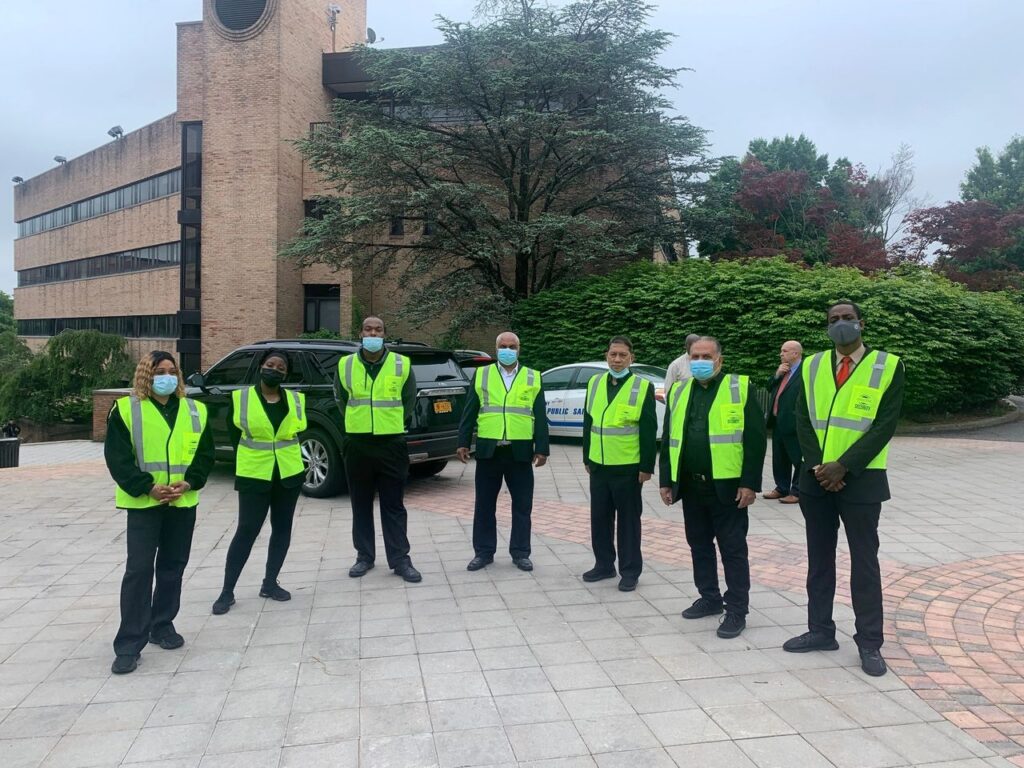
Employers typically provide uniforms or specific safety equipment for fire watch guards to wear when performing their duties, including high-visibility vests, hard hats, and protective footwear. Employers do this so their guards are easily identifiable and sufficiently protected during their shifts.
Q5. How can I find job opportunities as a fire watch guard?
Job opportunities for fire watch guards can be located through various channels, such as online job boards, security company websites, industry associations, and networking events. Contact local fire departments, property management companies, and construction firms in your area to identify gaps in their fire prevention programs and offer your expertise as needed.
Conclusion
Becoming a professional fire watch guard requires dedication, continuous learning, and genuine dedication to safeguarding people and property. Following the steps outlined herein, you can develop the necessary skills, training, and certifications for this rewarding career path. As a fire watch guard, you will play an instrumental role in preventing fires, mitigating their effects, and ultimately contributing to overall community safety.
Read more about : Decentralized Access Control
Explore our other blog posts here
How Long Does a Guard Card Stay Active in New York?
What Is a Resource Officer? Why It Matters for School Safety
Armored Car Services: 6 Alarming Problems and Safer Security
