


“10 Unbelievable Ways to Spot Loss Prevention at Walmart”
Loss prevention is a vital component of the retail industry, focusing on minimizing theft, fraud, and inventory shrinkage. It involves implementing strategies, technologies, and personnel to safeguard assets and ensure operational efficiency. At Walmart, a global retail giant, loss prevention is critical to protecting its extensive inventory and maintaining customer trust while ensuring smooth store operations.
Does Walmart Have Undercover Security?
Yes, Walmart employs undercover security personnel as part of their overall loss prevention strategy. These plainclothes associates blend in with regular shoppers to observe suspicious behavior and prevent theft without drawing attention. Their presence helps deter shoplifting and ensures a safer shopping environment for both customers and staff.
How to Spot Loss Prevention at Walmart
Typical Uniform and Appearance
Contrary to popular belief, Walmart Loss Prevention officers often operate undercover, dressed in casual clothing to blend in with shoppers. This discreet approach allows them to observe potential shoplifters without drawing attention. However, subtle indicators like earpieces, concealed communication devices, or small badges might hint at their role, especially to the keen observer.
Behavioral Indicators
Loss Prevention officers are trained to be highly observant and proactive in identifying suspicious activity. They may regularly review camera footage, discreetly communicate with colleagues through earpieces, and follow strategic patrol routes to ensure critical areas remain secure while minimizing the risk of theft or other incidents.
Surveillance Techniques Used
Cameras, mirrors, and under-the-shelf views are just a few of the ingenious tools security professionals use to maintain vigilance and uncover hidden threats. With sharp instincts and impeccable timing, they often make their presence known at the most unexpected moments, ensuring safety and deterring potential risks.
The Art of Undercover Surveillance
Differences Between Regular Employees and Loss Prevention
Though both roles aim to improve the store’s operations, Loss Prevention officers prioritize security and theft prevention, while employees focus on delivering excellent customer service and maintaining the store’s presentation. Pay attention to individuals who aren’t actively restocking shelves, but always stay vigilant to ensure a safe and productive environment for everyone.
Equipment and Tools of the Trade
From radios to hidden cameras, these officers utilize an array of advanced gadgets to monitor activity and detect potential threats. Their tools help them maintain a vigilant presence, ensuring the store remains theft-free and secure for customers and staff.
Walmart Loss Prevention Policy
Walmart’s loss prevention policy focuses on minimizing theft, fraud, and inventory shrinkage through surveillance, employee training, and strategic store layout. The company uses a combination of visible security measures, such as CCTV cameras, and covert methods like undercover security and electronic article surveillance. Walmart also encourages employees to report suspicious activity while following strict guidelines to ensure customer safety and avoid unnecessary confrontations.
What does loss prevention investigate?
Loss prevention primarily investigates activities that lead to financial losses within a business due to theft, fraud, vandalism, waste, abuse, or misconduct. This includes:
- Employee Theft and Fraud: Investigating instances where employees steal goods or money from the company or engage in fraudulent activities such as falsifying financial records or stealing corporate data.
- Shoplifting: Assessing incidents where customers illegally take merchandise without paying, including methods used and points of vulnerability in store layouts.
- Vendor Fraud and Collusion: Checking for fraudulent activities involving external vendors or contractors, including kickbacks or invoice fraud.
- Supply Chain Losses: Analyzing losses that occur within the supply chain, including theft of goods in transit or mismanagement of inventory.
- Data Theft: Investigating breaches of digital security that lead to loss of confidential company information or customer data.
- Compliance Violations: Ensuring that company policies and legal regulations are followed to prevent legal repercussions and associated financial losses.
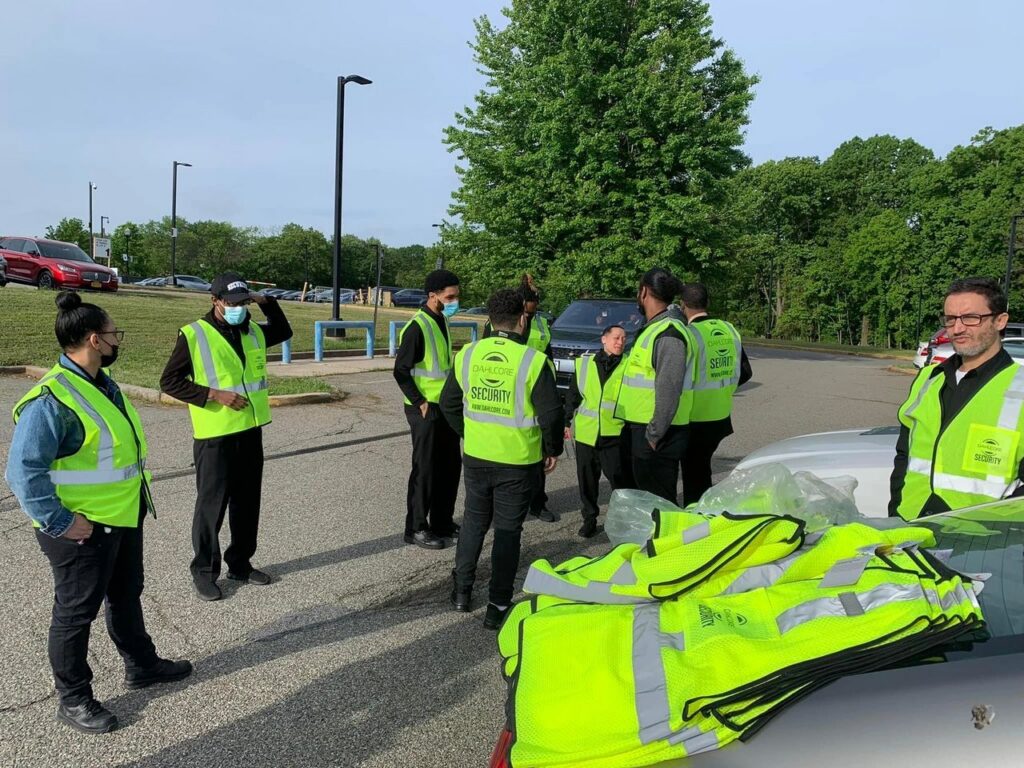
Technology and Loss Prevention
Modern Technologies Employed
RFID tags streamline inventory tracking, reducing theft and enhancing supply chain efficiency. Advanced camera systems combined with AI-driven analytics provide real-time monitoring and predictive insights, enabling Walmart to proactively address potential security threats and ensure a safe shopping environment.
How Technology is Changing the Game
It isn’t just about the human touch anymore; modern loss prevention strategies are integrating cutting-edge technology to enhance protection. By combining human expertise with digital tools like AI surveillance and data analytics, businesses can achieve a higher level of security and efficiency.
Myths and Misconceptions
Popular Beliefs and Their Reality
While it’s easy to assume someone wearing a cap is an undercover officer, it’s important to remember that they could just be a regular shopper. However, those subtle signs in the store are designed to keep you informed and alert, playing a key role in maintaining security.
What Loss Prevention is NOT
Security personnel are present to protect the well-being of customers and staff, and not to intrude on personal matters. Their primary responsibility is to maintain a secure environment, addressing any potential threats or disturbances. By doing so, they help ensure a smooth and comfortable shopping experience for everyone.
First-Hand Experiences and Anecdotes
A Day in the Life of a Loss Prevention Officer
The job keeps you on your toes, requiring quick thinking and adaptability in every situation. From monitoring store activity in the early hours to handling covert operations late at night, each day brings new challenges. It’s a role that demands constant vigilance and the ability to stay sharp under pressure.
Challenges Faced and Overcome
Recognizing a theft in progress is only the first step; knowing when to act can make all the difference. It’s essential to stay calm, gather evidence, and assess the situation carefully before intervening. Patience allows for a well-timed response, minimizing risk and ensuring the best possible outcome.
What are the 5 points of loss prevention?
The five key points of loss prevention focus on strategies to minimize the risk and impact of losses:
- Visibility and Deterrence: Increasing the visibility of security measures, such as surveillance cameras and security personnel, to deter potential thieves.
- Employee Training: Educating employees on loss prevention techniques and the importance of vigilance.
- Auditing and Monitoring: Regularly auditing inventory and financial records to detect irregularities that may indicate theft or fraud.
- Access Control: Limiting access to sensitive areas and data to reduce opportunities for theft.
Incident Response and Legal Action: Establishing clear procedures for responding to theft or fraud incidents, including legal action if necessary.
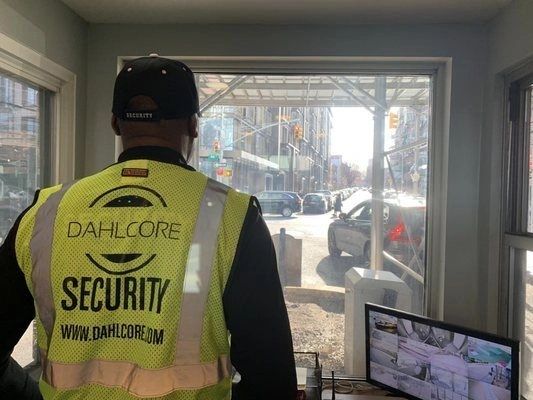
Protecting Shoppers and Enhancing Security
Why Loss Prevention Matters to Customers
A safe environment not only enhances the overall shopping experience but also promotes customer confidence and satisfaction. When customers feel secure, they are more likely to browse and purchase products, leading to increased sales. Additionally, maintaining safety standards helps prevent disruptions, allowing the store to operate smoothly and efficiently.
Tips for Shoppers to Feel Secure
Stay vigilant and report any suspicious behavior immediately to help maintain a secure environment. The Loss Prevention team is always available to assist, ensuring your safety and the safety of others. By staying proactive and alert, you contribute to a safer and more secure space for everyone.
Building Trust with Loss Prevention
Why Trust Matters
Shoppers must recognize that the Loss Prevention team is there for their protection and safety. Their primary objective isn’t to intrude or spy but to ensure that the retail environment remains secure, minimizing losses and ensuring everyone gets a fair shopping experience.
Building Bridges, Not Walls
The Loss Prevention team at Walmart, as well as other retail establishments, prioritizes educating both employees and customers to create a safer shopping environment. Through workshops and community outreach programs, they aim to raise awareness about theft prevention, security measures, and how customers can contribute to a safe experience. These initiatives help foster trust and cooperation between the store and the community, strengthening relationships and ensuring a positive atmosphere for everyone involved.
Tips for Aspiring Loss Prevention Officers
Getting Started in the Field
Loss Prevention offers a dynamic and rewarding career path that provides opportunities for growth and advancement within retail, security, and corporate environments. To succeed, candidates should demonstrate keen observational skills, patience, and the ability to communicate effectively in high-pressure situations. Additionally, pursuing specialized certifications and training programs, such as those in security or risk management, can significantly enhance one’s qualifications and competitive edge in this fast-paced industry.
Learning from Veterans
By shadowing seasoned Loss Prevention officers, newcomers can gain practical insights into real-world situations, enhancing their understanding of the role. Their expertise in identifying risks, preventing theft, and managing security protocols provides a comprehensive learning experience that textbooks cannot replicate.
What is the purpose of loss prevention?
The purpose of loss prevention is to protect a company’s assets, both physical and intellectual, by minimizing preventable losses and maximizing profitability. This involves:
- Reducing Theft: Implementing systems and controls to reduce instances of theft by customers, employees, and vendors.
- Improving Profitability: By minimizing losses, businesses can improve their bottom lines and ensure long-term financial stability.
- Enhancing Safety: Ensuring the workplace and shopping environments are safe for employees and customers by preventing accidents and incidents.
- Maintaining Brand Reputation: Preventing incidents that could harm the company’s public image and customer trust.
- Ensuring Compliance: Complying with legal standards and company policies to avoid legal consequences and penalties.
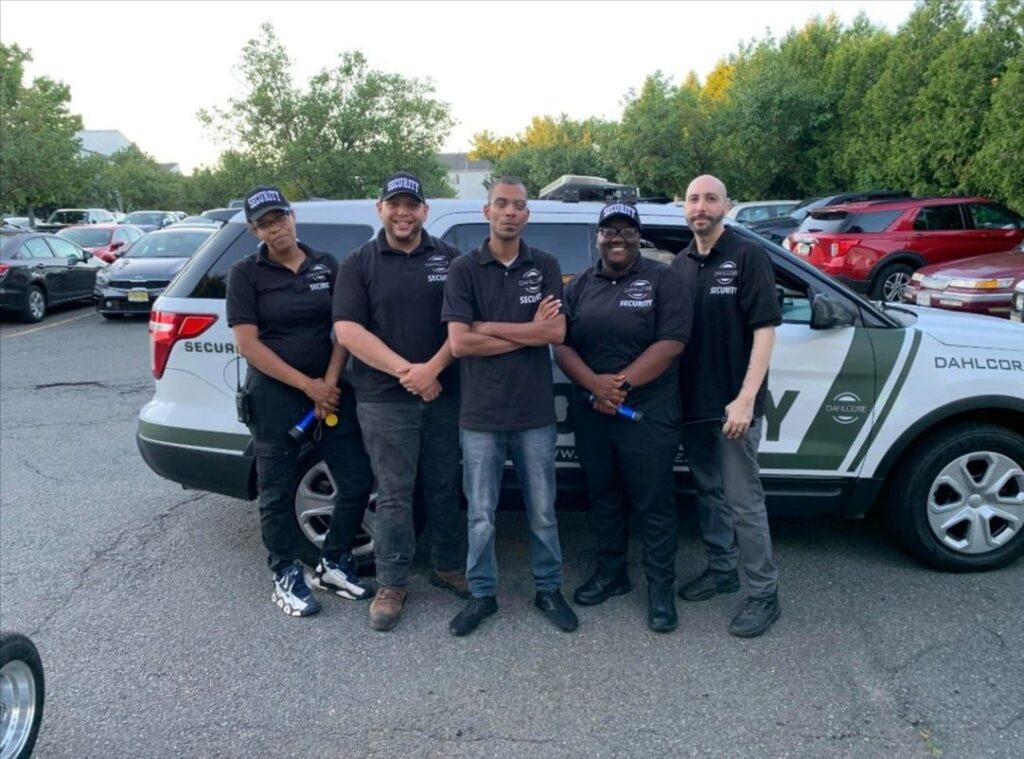
Impact of Loss Prevention on Walmart’s Bottom Line
The Financial Implications
Theft, fraud, and inventory shrinkage pose a significant financial threat to major retailers like Walmart, potentially resulting in substantial losses that can harm the company’s bottom line. By implementing a comprehensive Loss Prevention strategy, businesses can mitigate these risks, improve profitability, and offer more competitive pricing, benefiting both the retailer and consumers alike.
Reinvesting in the Business
By reinvesting the savings from effective Loss Prevention strategies, businesses can enhance their overall operations and employee satisfaction. This reinvestment not only benefits the workforce but also strengthens the company’s competitiveness in the market.
What is the requirement for loss prevention?
Effective loss prevention requires:
- Comprehensive Policies and Procedures: Establishing clear guidelines and protocols that address various aspects of security and risk management.
- Training Programs: Regular training for all employees on security practices and the importance of loss prevention.
- Security Infrastructure: Investing in technology such as surveillance systems, anti-theft devices, and robust IT security measures.
- Regular Audits: Conducting periodic reviews and audits of operational and financial activities to identify vulnerabilities.
- Strong Leadership and Commitment: Continuous support from management to enforce loss prevention strategies effectively.
What does a typical shoplifter look like?
A typical shoplifter does not have a specific profile, as anyone can engage in shoplifting regardless of age, gender, or background. However, loss prevention experts look for certain behaviors rather than appearances:
- Nervous Behavior: Avoiding eye contact, appearing anxious, or frequently looking around.
- Inconsistent Shopping Behavior: Spending more time watching the cashier or other employees rather than browsing items.
- Large Bags or Clothing: Carrying oversized bags or wearing excessively bulky clothing irrespective of the weather.
- Frequent Entry and Exit: Entering and exiting the store multiple times without making a purchase.
- Handling Merchandise Excessively: Repeatedly picking up and putting down the same items or tampering with merchandise packaging.
Insights for Loss Prevention
According to the National Institute of Standards and Technology (NIST), effective retail loss prevention strategies often involve a combination of technology and human surveillance to mitigate inventory shrinkage and theft risks. Their guidelines highlight the importance of integrating advanced tools, such as RFID technology and AI-driven analytics, to bolster security measures.
Additionally, the U.S. Department of Justice (DOJ) emphasizes that proactive measures, including employee training and community engagement, play a vital role in reducing retail crime. Retailers are encouraged to adopt comprehensive strategies that balance technological advancements and collaborative approaches for maximum impact.
What does loss prevention look for?
Loss prevention looks for signs of theft, such as suspicious behavior, concealment of items, or customers avoiding staff interactions. They also monitor surveillance cameras and check for internal theft by employees. Their goal is to prevent inventory loss and ensure store policies are followed.
FAQs
What’s the central role of a Loss Prevention officer at Walmart?
They ensure the security of the store’s inventory and maintain a safe shopping environment.
Do Loss Prevention officers at Walmart have the power to arrest?
No, but they can detain individuals and work closely with law enforcement.
How different is Walmart’s approach to loss prevention from other retailers?
Given its size, Walmart invests heavily in technology and training, making its approach more robust.
Can shoppers identify and approach Loss Prevention officers?
It’s best to approach store management with concerns. However, they’re always ready to assist if you spot an officer.
How effective are Loss Prevention strategies at Walmart?
With billions saved annually, their strategies are indeed effective.
What are some common challenges faced by Loss Prevention teams?
Staying updated with the latest theft techniques and ensuring personal safety are among the challenges.
Is loss prevention allowed to touch you?
Loss prevention personnel are generally not allowed to physically touch or detain you unless they are legally permitted and trained to do so. In many cases, they must call law enforcement if a situation escalates. However, rules can vary by state and store policy, so their authority may differ.
Conclusion
Understanding the world of Loss Prevention at Walmart goes beyond simply preventing theft—it involves a proactive approach to maintaining a safe environment for both customers and employees. A dedicated team works behind the scenes, using advanced strategies and technology to safeguard the store while ensuring a seamless shopping experience. By staying vigilant and aware, consumers can help support these efforts and contribute to a safer retail environment for everyone.
Explore our other blog posts here
Consultant for to Expose Security: Expert Security Solutions
Use of Force Continuum for Security Guards: Best Practices
Unarmed Security Guard Training: Essential Skills & Benefits
