


In today’s world, safety and security are paramount concerns for businesses, institutions, and communities. Unarmed security guards play a crucial role in maintaining order, ensuring safety, and preventing unauthorized activities. These professionals undergo specialized training to prepare them for diverse scenarios, equipping them with the skills necessary to protect people and property effectively.
What is Unarmed Security Guard Training?
Unarmed security guard training is a structured program designed to teach individuals the fundamental skills required to perform security duties without the use of weapons. The focus lies on observation, communication, de-escalation, and emergency response, ensuring guards can handle situations calmly and responsibly.
Training programs typically include classroom instruction, practical exercises, and role-playing scenarios to simulate real-life challenges. By the end of the course, trainees gain the confidence and competence to handle security responsibilities effectively.
Why is Unarmed Security Guard Training Essential?
Proper training is indispensable for unarmed security guards. It ensures they can:
- Protect Lives and Property: Guards must be equipped to prevent theft, vandalism, and harm.
- Comply with Legal Requirements: Many jurisdictions mandate specific training to qualify as a security professional.
- Enhance Professional Growth: Training opens doors to better job opportunities and career progression.
Without adequate training, guards may struggle to perform their duties effectively, putting themselves and others at risk.
Does Applying for Unarmed Security Guard Positions Require a Background Check?
Applying for unarmed security guard positions typically requires a thorough background check. This process is a standard protocol aimed at ensuring the safety and trustworthiness of individuals in roles responsible for protecting people, property, and information. Employers and licensing bodies prioritize candidates with clean records to maintain their organization’s reputation and comply with legal regulations.
Key aspects of the background check process include:
- Criminal History: A comprehensive review of the applicant’s criminal record ensures they have no history of violent crimes, theft, or other serious offenses that could pose a risk to their duties.
- Employment Verification: Employers often confirm previous work experiences to validate the candidate’s reliability and professionalism in similar roles.
- Education Verification: While unarmed security roles typically require a high school diploma or equivalent, confirming educational qualifications adds credibility.
- Drug Testing: Many employers include drug tests to ensure candidates are not under the influence of substances that could impair their judgment.
- Reference Checks: Contacting professional or personal references helps assess the applicant’s character and work ethic.
Background checks vary depending on state regulations and employer policies. In some cases, additional screenings, such as credit checks, may be required, especially when the role involves financial security. Candidates with minor offenses or issues may still be considered depending on the employer’s discretion and the nature of the offense.
Being honest about past incidents during the application process is crucial, as integrity is a valued trait in the security industry. A clean background check enhances an applicant’s credibility, increasing their chances of securing the position and obtaining the necessary licensing.
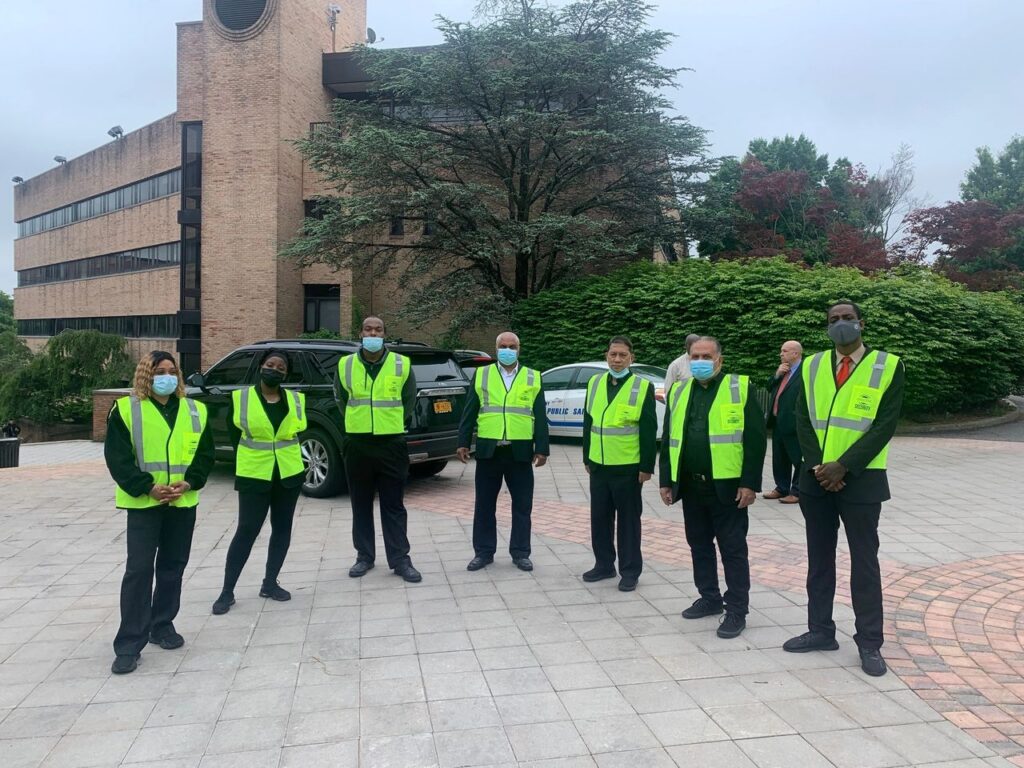
Core Skills Taught in Training
Observation Skills
Unarmed security guards are trained to remain vigilant, constantly monitoring their environment for any signs of unusual behavior or potential danger. This training involves developing a keen sense of awareness to detect subtle changes in surroundings, such as unusual movements or suspicious interactions. Their ability to notice small details and react appropriately is crucial for maintaining safety and preventing incidents before they escalate.
Communication
Effective communication—both verbal and written—is essential for security guards to interact confidently with the public, coworkers, and law enforcement. Guards are trained to convey information in a clear, concise, and professional manner, ensuring understanding and minimizing misunderstandings. This skill is crucial in emergency situations where timely and accurate communication can make a significant difference in response and resolution.
Conflict Resolution
The training focuses on strategies for maintaining composure in tense situations, helping individuals address conflicts with clear communication. Techniques taught include active listening, de-escalation methods, and ways to express differing viewpoints respectfully. By equipping participants with these tools, the training aims to minimize emotional reactions and foster productive, positive outcomes in challenging interactions.
Unarmed Security Guard Training and Licensing
Training and licensing are essential steps for individuals aspiring to become unarmed security guards. These requirements ensure candidates are adequately prepared to handle the responsibilities associated with protecting clients and maintaining order.
Training Programs
Most states mandate specific training programs for unarmed security guards, which typically cover the following areas:
- Basic Security Principles: Understanding the role and responsibilities of a security guard.
- Conflict Resolution: Techniques to defuse situations without the use of force.
- Legal and Ethical Guidelines: Familiarity with local laws, trespassing regulations, and the appropriate use of authority.
- Emergency Response: Procedures for responding to fires, medical emergencies, and evacuations.
- Observation and Reporting: Skills to identify, document, and report incidents effectively.
Training programs may range from 8 to 40 hours depending on state regulations and employer requirements. Many states also include additional modules for specific job settings, such as retail or corporate environments.
Licensing Process
After completing the required training, candidates must obtain a security guard license. Licensing requirements generally include:
- Age and Citizenship Verification: Applicants must typically be 18 years or older and possess valid identification.
- Background Check Clearance: A clean background check is a prerequisite for licensing.
- Application Submission: Candidates must submit their training certificates and application fees to the relevant state authority.
- Additional Certifications: Some states may require certifications in first aid, CPR, or specialized security skills.
The licensing process ensures guards meet professional standards, enhancing their credibility and employability. Renewal of licenses often involves continuing education to stay updated with industry practices and regulations. Overall, investing in training and licensing is not only a legal requirement but also a demonstration of commitment to the profession.
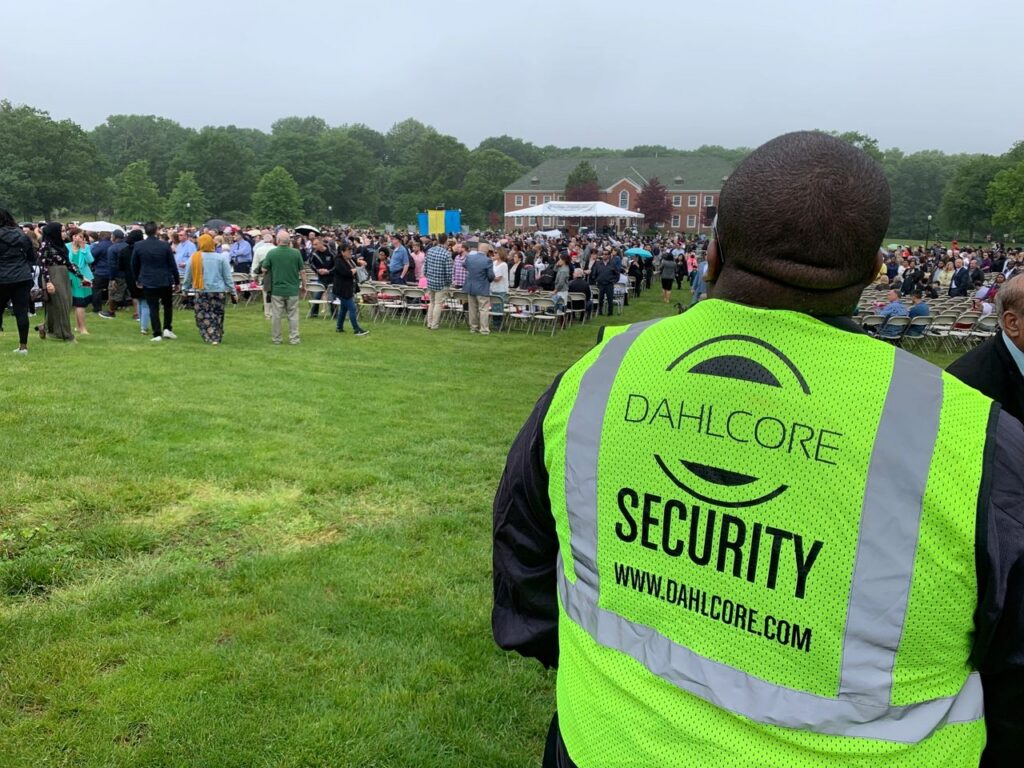
De-escalation Techniques
Tense situations can arise at any moment. Training emphasizes:
- Recognizing signs of potential aggression.
- Using calm, respectful communication to defuse conflicts.
- Maintaining personal safety while protecting others.
These techniques are crucial for preventing incidents from spiraling out of control.
Effective Communication Skills
Communication is more than just words. Unarmed security guards are trained in:
- Verbal Techniques: Speaking confidently and clearly to convey authority.
- Non-Verbal Cues: Using body language to signal attentiveness and professionalism.
Strong communication fosters trust and ensures smooth interactions with the public and team members.
Emergency Response Training
Emergencies demand quick thinking and decisive action. Training equips guards to:
- Handle fire alarms and evacuation protocols.
- Provide basic first aid during medical crises.
- Respond appropriately to potential security threats.
Guards are often the first responders, making this aspect of training vital.
Risk Assessment and Threat Detection
Security guards must proactively identify vulnerabilities within their environment. Training involves:
- Conducting thorough risk assessments.
- Recognizing suspicious behavior or activities.
- Implementing preventive measures to mitigate risks.
Report Writing and Documentation
Incident reports are a critical part of security work. Training ensures guards can document incidents accurately, covering:
- What happened.
- When and where it occurred.
- Actions taken and outcomes achieved.
Clear documentation supports legal processes and organizational accountability.
Benefits of Unarmed Security Guard Training
Unarmed security guard training provides numerous advantages, including:
- Career Advancement: Specialized skills increase job prospects and earning potential.
- Personal Development: Improved confidence, communication, and problem-solving abilities.
- Enhanced Safety Skills: Guards are better prepared to protect themselves and others.
Proper training creates well-rounded professionals capable of thriving in demanding roles.
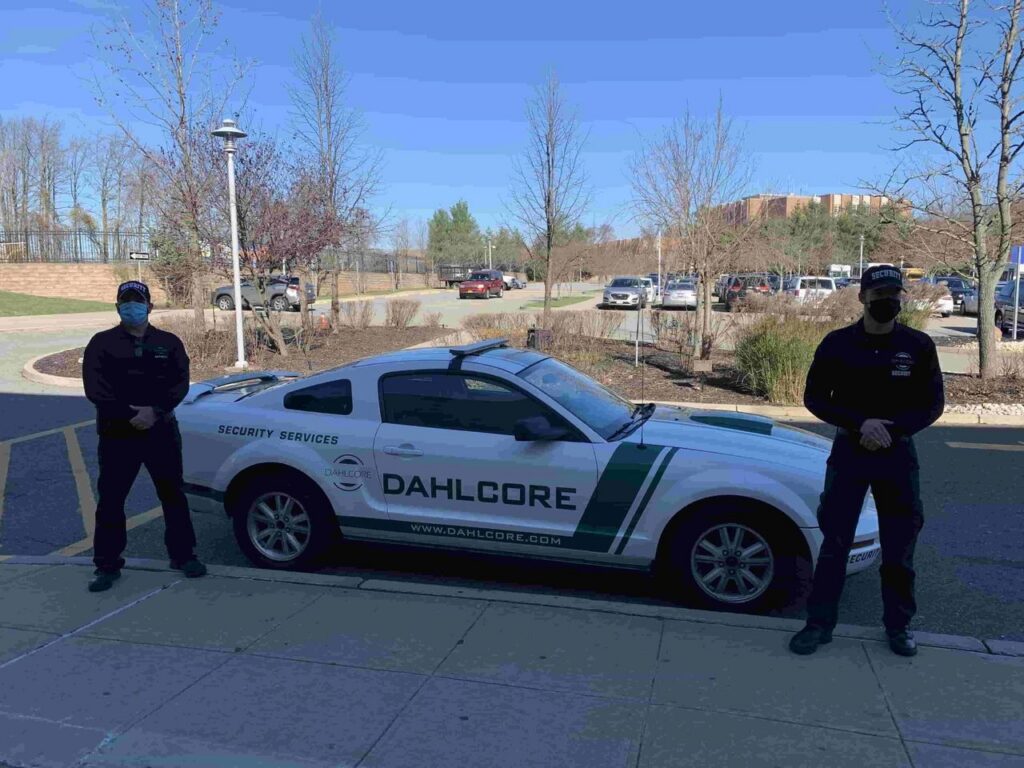
Choosing the Right Training Program
When selecting a training program, consider:
- Accreditation and reputation of the training provider.
- Curriculum quality and coverage.
- Practical training opportunities.
- Cost and duration of the course.
Researching thoroughly ensures you receive top-tier training.
How to Succeed as an Unarmed Security Guard
Excelling as a security guard requires:
- Continuous learning and skill development.
- Building strong relationships with colleagues and clients.
- Staying proactive and professional in all situations.
FAQs
What is the purpose of unarmed security guard training?
Unarmed security guard training prepares individuals to handle security roles effectively without using weapons.
How long does unarmed security guard training typically last?
The duration varies by program but generally ranges from one to four weeks.
What are the legal requirements for becoming an unarmed security guard?
Legal requirements differ by location but often include completing a certified training program and passing a background check.
Can unarmed security guards handle emergencies?
Yes, they are trained to manage various emergencies, including fire alarms, medical situations, and security threats.
How do unarmed security guards contribute to public safety?
They maintain order, deter criminal activity, and respond to incidents, creating a safer environment.
Are there career growth opportunities for unarmed security guards?
Absolutely. With experience and additional training, guards can advance to supervisory roles or specialized security positions.
Conclusion
Unarmed security guard training is an indispensable step for those looking to pursue a career in security. By equipping guards with essential skills, legal knowledge, and practical techniques, these programs prepare individuals to face challenges head-on. For organizations, hiring trained guards ensures a safer and more secure environment. The benefits of this training extend beyond professional capabilities, fostering personal growth and confidence in every trainee.
Check other blogs
Empowering Security Guards: Law Enforcement Allies
7 Essential Insights for ACL-Based Security Policies
7 Warning Signs of an Unhappy Employee: How to Spot Them Early
What Is a PIV in Fire Protection? Post Indicator Valve Explained
