


The bad things about living in New York come down to cost, crowds, noise, and long commutes. In New York City, median rent is $1,821 a month, the average commute is 40 minutes each way, and 311 logged more than 580,000 noise-related incident reports in the first 10 months of 2026 alone.
Crime is often on these lists too, but it’s less of a downside than many people think, because major crime is falling. Here’s what the data says about the real drawbacks, along with what you can do about each one. This guide focuses on New York City.
Key takeaways
- NYC’s median income is about the same as the US, but homes cost more than twice as much.
- Commutes average 40.3 minutes, about 14 minutes longer than the national average each way.
- Noise generated the highest ticket volume on 311, followed closely by chronic parking violations.
- Building systems struggled, logging over 240,000 service tickets for heat and hot water outages.
- Major crime is down 6.5% this year, though theft is still common.
How NYC compares at a glance
These numbers show why the city feels so different from most of the country.
| Measure | New York City | New York State | United States |
|---|---|---|---|
| Median gross rent | $1,821 | $1,621 | $1,413 |
| Median home value | $777,600 | $423,800 | $332,700 |
| Median household income | $80,483 | $85,974 | $80,734 |
| Homeownership rate | 32.8% | 54.3% | 65.2% |
| Mean commute (minutes) | 40.3 | 32.6 | 26.4 |
| People per square mile | 29,303 | 429 | 94 |
| Poverty rate | 17.9% | 13.8% | 10.2% |
These figures come from U.S. Census Bureau QuickFacts, mostly for 2020 to 2024. Rents have likely risen since then, so new leases can cost much more than these medians.
10 bad things about living in New York
1. Rent takes a big share of your income
NYC’s median rent is $1,821 a month, about 29% above the national median. That figure includes older and rent-stabilized apartments, so a new lease in a popular area will often cost far more.
What helps: Look at neighborhoods further along your train line, and factor in broker fees and deposits before you commit.
2. Buying a home is out of reach for many
The median home value is $777,600, or about 2.3 times the US figure. Owners with a mortgage pay a median of $3,293 a month, compared with $1,963 nationally. Only 32.8% of homes are owner-occupied, about half the national rate.
What helps: Expect to rent for longer than you would elsewhere, and compare monthly costs instead of sale prices.
3. Pay doesn’t always keep up
NYC’s median household income is $80,483, almost the same as the national $80,734. In other words, the typical household earns about the same as elsewhere but faces far higher housing costs. The poverty rate is 17.9%, compared with 10.2% nationally.
What helps: Work out your budget around NYC costs before you accept a job offer.
4. Commutes eat up your day
The average commute is 40.3 minutes each way, nearly 14 minutes longer than the US average. Over a working year, that adds up to about 110 extra hours compared with the typical American worker.
What helps: Test your route at rush hour before you sign a lease.
5. You’re rarely alone
NYC has about 29,300 people per square mile, compared with 94 across the country. Crowded trains, sidewalks, and small apartments are simply part of daily life. Many people find it energizing at first, then tiring after a while.
What helps: Live near a park if you can. Quiet outdoor space makes a real difference.
6. The noise doesn’t stop
NYC’s 311 system logged roughly 583,000 noise complaints between January and October 2026. While repeat callers inflate raw totals for notorious hotspots, the volume speaks for itself: residential disturbances accounted for 317,360 tickets, while street and sidewalk chaos drove another 160,823. Residential noise led with 317,360, followed by street and sidewalk noise with 160,823.
What helps: Visit an apartment at night, and avoid bedrooms that face a busy street or a bar.
7. Parking is a daily fight
Illegal parking was the most common single 311 complaint, at 528,383, and blocked driveways added another 164,232. If you own a car here, expect to spend time and money on it.
What helps: Ask whether you truly need a car. Many New Yorkers don’t have one.
8. Older buildings bring problems
Heat and hot water complaints reached 241,835 this year, and unsanitary conditions added another 120,290. Many NYC buildings are old, and upkeep varies a lot from one landlord to the next.
I have a friend who relocated from Chicago and fell in love with the exposed brick and high ceilings of a pre-war four-story walk-up off Franklin Avenue. The honeymoon lasted until mid-November. The steam radiators didn’t just hiss—they clanked so violently at 5:30 AM that her dog barked every single morning without fail.
Over that first winter, the building’s hot water cut out three separate times during freezing snaps. Every tenant in the eight-unit building was filing daily 311 tickets just to get the super to bleed the boiler. On top of that, the street-facing buzzer was broken for three months. Delivery drivers left boxes piled in the unmonitored street-level entryway, and within her first ninety days, two packages containing her winter work clothes were swiped.
How to make life easier in an older building:
- Protect your sleep: Set up high-density draft stoppers, heavy blackout curtains, and a mechanical white noise machine right away to block hallway foot traffic and pipe noises.
- Audit the address before signing: Search the property on the NYC HPD Online portal to check for open violations regarding heat, hot water outages, leaks, and pests.
- Reroute your deliveries: If your entryway is unmonitored and lacks secure package lockers, redirect orders to a nearby bodega, Amazon locker, or carrier pickup counter.
- Befriend the super on day one: A warm introduction and a tip when moving in ensure your unit gets priority when a radiator pipe knocks or a lock jams.
What helps: Look up a building’s complaint history, and ask current tenants how quickly repairs get done.
What building problems make a property feel unsafe?
“Neglected physical security: flickering exterior lighting, broken buzzer panels, doors that don’t latch flush, and unmonitored blind spots in basements or laundry rooms. If a building looks unmonitored, opportunistic trespassers treat it as an easy target, and tenants start dreading coming home after dark.”
9. Theft is common, even as crime falls
Grand larceny is NYC’s most common major crime, with 38,007 reports this year. Some people say crime is rising, but the numbers show otherwise. NYPD data through Nov. 1, 2026 shows major crime down 6.5% and murders down 16.4%, although felony assault is up 1%.
Risk varies widely by area. See our guide to the most dangerous part of New York City for a precinct-by-precinct picture.
What helps: Keep your phone and bag secure in crowds, and check a block before you move there.
What do New York tenants complain about most to building security?
“Uncontrolled access and package theft—by a mile. Tenants view the front door as the barrier between the chaos of the street and their home. When random delivery couriers, solicitors, or tailgaters can slip past the outer lock, people instantly lose peace of mind.”
10. The weather can be hard on you
Winters bring snow and slush, and summers can be hot and humid on crowded platforms. Residents filed 55,233 complaints about snow or ice this year. If you don’t have a car, you’ll feel the weather on every walk to the train.
What helps: Live close to a station, and budget for good boots and a real winter coat.
What to check before you move to New York
Most of these problems can be reduced by choosing carefully. Before you sign a lease:
- Visit the apartment at night and on a weekend, to judge the noise.
- Test the heat, hot water, and water pressure.
- Check the front door, intercom, and mailboxes.
- Ask how packages are handled.
- Walk from the subway to the door at the hour you’d really do it.
- Look up the block on the NYC Crime Map, since conditions change block to block.
What would you check first if you were renting an apartment in NYC?
“The perimeter and access control. Never fall in love with the kitchen or the exposed brick before you inspect the front threshold. Check how the exterior doors close, see if the intercom actually connects to video or phone, and observe if existing tenants let strangers tailgate behind them.”
What landlords and property managers can do
Many of the complaints above come back to how a building is run. Good access control, lighting, and a visible presence help tenants feel safe. A building security risk assessment is a good place to start.
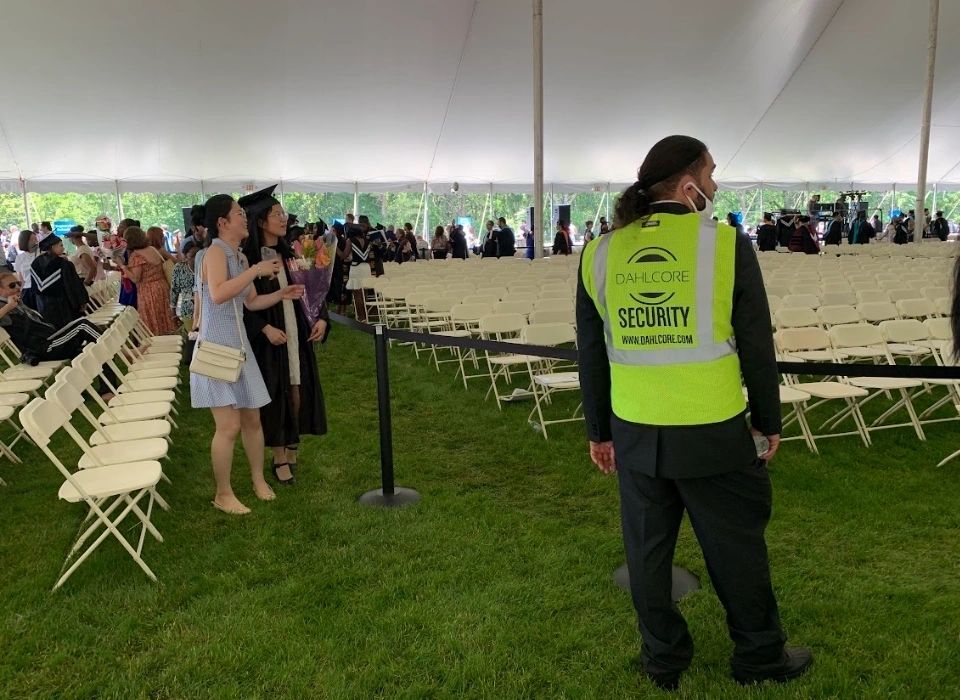
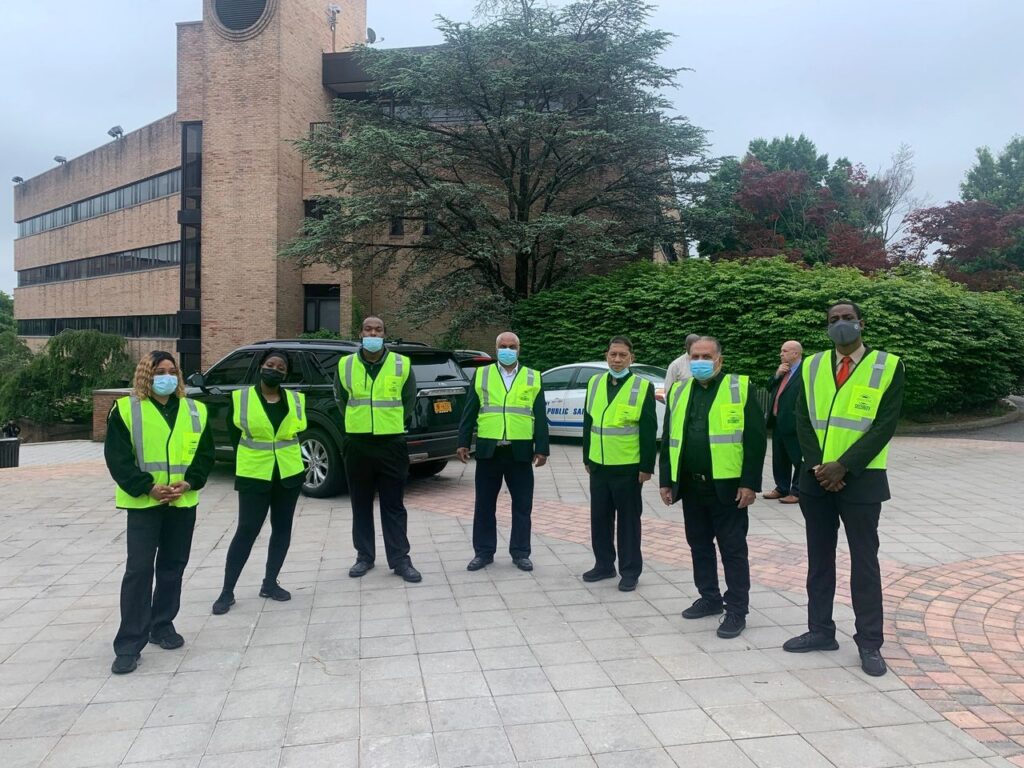
Larger properties may benefit from residential security or building security. Dahlcore officers are unarmed by default, and armed security is provided only on documented request after a risk assessment.
Property Security Audit & Remediation Log (Redacted)
Document ID: RA-2026-0884-NYC
Property Type: 4-Story Multi-Family Residential (42 Units)
Location: [REDACTED PROPERTY], Crown Heights, Brooklyn, NY
Assessment Conducted By: Dahlcore Security Assessment Team
Primary Objective: Address chronic lobby package theft, unauthorized vestibule access, and recurring 311 noise/trespassing complaints.
1. Physical Perimeter & Access Audit
- [FAILED] Outer Vestibule Strike: Electric strike plate loose by 4mm; door fails to latch automatically upon closure, allowing entry without key/fob.
- [FAILED] Intercom & Delivery Access: Intercom camera offline; master tradesman postal buzzer stuck in open position.
- [PASSED] Primary Inner Fire Exit: Self-closing pneumatic hinges operational; alarm triggers on extended prop.
2. Common Area Visibility & Lighting
- [FAILED] Package Holding Zone: Packages dropped in direct line-of-sight from sidewalk windows with zero physical separation.
- [FAILED] Basement / Refuse Chute: Sub-5 foot-candles illumination in laundry corridor; blind turn hides rear egress door.
- [PASSED] Main Lobby Interior: High-definition 4K optical sensor operational with 30-day cloud retention.
3. Corrective Action Plan & Deployment
- Immediate Hardware Realignment: Replaced loose strike plate with Grade-1 commercial deadlock and reinforced anti-shim latch protector.
- Access Protocol: Re-keyed postal lock; installed digital keypad with expiring single-use access codes for couriers.
- Package Security Enclosure: Partitioned vestibule with a keycard-locked interior package staging cage.
- Staffing Deterrent: Deployed unarmed Dahlcore concierge/security personnel from 4:00 PM – 9:00 PM during peak delivery and tenant arrival hours.
Audit Status: REMEDIATED | Follow-up Tenant Incident Reports: 0 incidents in 60-day post-review period.
Data Classification Note: NYC 311 does not feature a single blanket “Noise” category. Our reported total (~583,000) reflects our own aggregation of the city’s four primary classifications (Residential, Street/Sidewalk, Commercial, and General Noise). When measured as an individual, uncombined ticket type, Illegal Parking (528,383) ranks as the city’s highest single complaint category.
Frequently asked questions
Is New York a bad place to live?
No, but it isn’t for everyone. It offers jobs, culture, and transit, but you’ll pay for that in rent, space, and noise. People who value access over quiet tend to do best.
Is violent crime a leading cause of death in New York City?
No. Despite sensational headlines about urban crime, homicide accounts for a fraction of a percent of annual fatalities in NYC. As in the rest of the country, heart disease is the city’s #1 cause of death. You are statistically far more likely to battle respiratory strain or chronic lifestyle stress than violent street crime. For daily life, noise, transit delays, and rent burdens represent much more persistent challenges than personal safety.
Is it dangerous to live in New York?
Not for most people. Crime is falling, with murders down 16.4% this year, though risk varies a lot by neighborhood and theft is common.
Why do some people not like New York?
The most common reasons are cost, crowds, and noise. Long commutes and small apartments also wear people down over time.
What are the biggest problems facing New York City?
Housing costs are among the biggest, with a median home value of $777,600. The 311 data also points to noise, parking, and building conditions as everyday problems.
Is $70,000 enough to live in New York?
It’s tight but possible, particularly with roommates. That’s below the city’s median household income of $80,483. Spending 30% on rent would give you about $1,750 a month, just under the median rent of $1,821.
How common is package theft in NYC apartment buildings?
Extremely common. Porch piracy and lobby theft rank among the top property crimes in residential buildings without a doorman or secure virtual intercom. Mailrooms and open vestibules often become easy targets for opportunistic theft, which is why property managers increasingly install access-control vestibules, continuous security monitoring, or physical front-desk security guards.
Why do so many people leave New York after 2 to 3 years?
The phenomenon often called the “three-year wall” is driven by cumulative daily friction. The combination of cramped square footage, lack of in-unit amenities (like laundry or dishwashers), high marginal taxes, and subway delays often outweighs the cultural appeal once residents outgrow the honeymoon phase or look to start a family.
How we measured this
Income, housing, and commute figures come from Census QuickFacts. Complaint counts come from NYC 311 data for Jan. 1 to Oct. 31, 2026. The noise total combines the four largest noise categories, so the true figure is a bit higher. 311 totals measure reported friction points, not distinct individuals. Because a single unresolved leak or recurring party often generates dozens of calls from neighboring units, these totals are best read as an indicator of citywide stress points rather than a census of affected people.
Crime figures come from NYPD’s citywide report, which is preliminary. The 110-hour commute figure is our own estimate, based on about 240 workdays a year.
Get a security plan for your New York property
The drawbacks of city life are real, but many can be managed with careful choices. Dahlcore provides security guard services across the five boroughs, including Manhattan, Brooklyn, Queens, and the Bronx.
We’re a licensed NYS security guard agency, veteran-owned, founded in 2018, and led by an owner with 23 years of security experience. Contact Dahlcore or browse our security services to talk through your property.
