

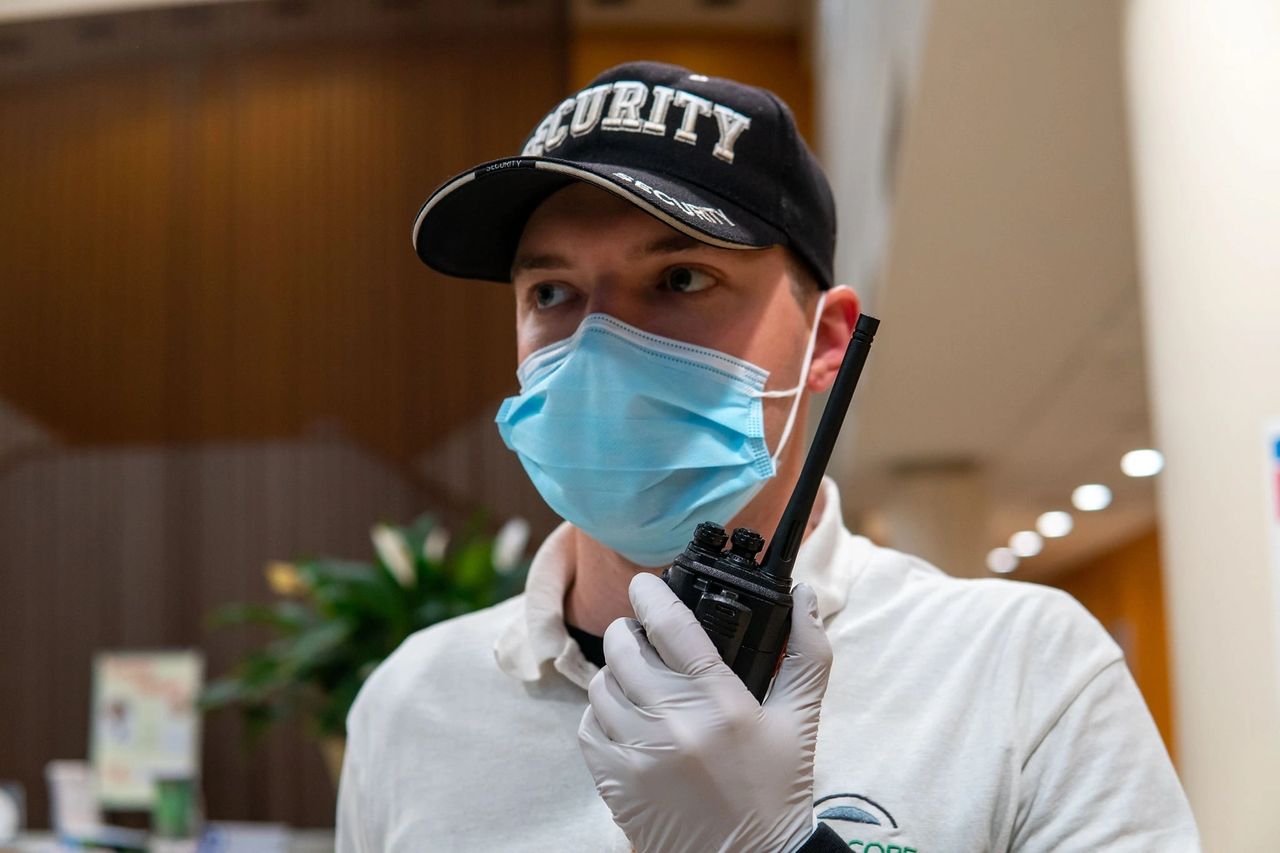
Harlem is generally safe enough for everyday life, but safety really does change block by block. Central and West Harlem, especially gentrified corridors like Frederick Douglass Boulevard and Hamilton Heights, tend to feel safer and more residential, while parts of East Harlem and some blocks near large public housing developments still see higher rates of violent and property crime. As with any NYC neighborhood, awareness and street smarts matter.
Harlem is a large, historically important neighborhood in Upper Manhattan, New York City, and people usually break it down into Central Harlem, West Harlem, East Harlem, Hamilton Heights, and Morningside Heights when they talk about safety and vibe. This matters because the answer to “Is Harlem safe to live in?” shifts a lot depending on which of these micro‑areas and even which exact block you choose.
Is Harlem Safe to Live In Right Now?
Harlem is reasonably safe for many residents today, especially compared with its past reputation, but crime rates still sit above the national average and vary by micro‑area. Some blocks feel family‑friendly and stable, while others near large housing projects or major corridors see more frequent violent and property crime.
Is Harlem Safe to Live in 2026?
Harlem in 2026 is livable but uneven: plenty of blocks feel completely normal for everyday city life, while others still demand extra caution, especially late at night. On a map, most of Harlem sits in an “above average risk, not war zone” category, with higher violent crime than the NYC average, but big differences between West, Central, and East Harlem. In day-to-day life, many residents commute, run errands, and go out at night without issues, as long as they choose their block well and use basic city-smart habits. The biggest variable is where you live: a brownstone side street near a park feels very different from a corner next to a large housing project or a late-night bar strip. That’s why answering “Is Harlem safe to live in?” only really makes sense once you zoom down to specific avenues, cross streets, and buildings.
Is Harlem Safe to Live?
When people ask, “Is Harlem safe to live in?”, they’re really asking two questions: how risky it is on paper, and how it actually feels walking home at night. Harlem today is far safer than its reputation from the 1980s and 1990s, but it still has higher crime rates than the NYC and U.S. averages, and those numbers vary dramatically from block to block.
Harlem’s Old Reputation vs Today’s Reality in 2026
Harlem’s name still triggers old headlines for a lot of people—crime in the 1980s, the crack epidemic, and images of blocks you “never walked through.” In reality, the neighborhood has gone through a long safety shift: major crimes have dropped dramatically since the early 1990s, even though Harlem still ranks rougher than many other Manhattan areas. The gap between reputation and 2026 reality is huge, which is why relying on outdated stereotypes can make you overlook both real risks and real improvements on the ground.
For decades, Harlem was shorthand for New York “danger,” thanks to the crack era, disinvestment, and very high rates of violent crime. That image still lingers in pop culture, even though the data and street reality have changed a lot. NYPD precinct data and independent analyses show that major crimes in Harlem have dropped by roughly 70–80% since the early 1990s, in line with citywide declines.
That doesn’t mean the neighborhood is crime-free. It means that the old stereotype of nonstop shootings on every corner is out of date. Today, you’re more likely to deal with quality-of-life issues—noise, visible homelessness, open drug use on some corners—than with constant, random violence. Many residents genuinely like living there and talk about a strong sense of community, even while admitting that some blocks still feel sketchy at night.
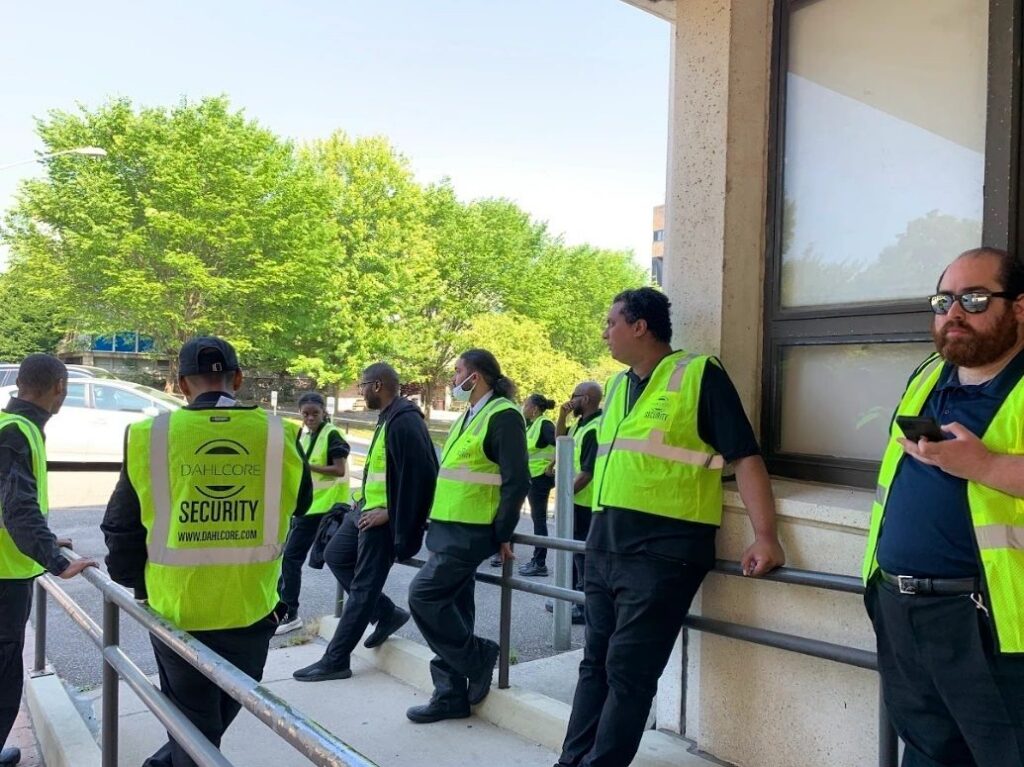
Crime Rates in Harlem vs NYC and Manhattan
When you look at Harlem’s safety on paper, you’re mostly dealing with a mix of violent crime and property crime rather than one single category dominating everything. Violent crime covers things like assaults and robberies on the street, while property crime includes burglary, theft, and car theft, which tend to hit certain buildings, lobbies, and parked cars more than random passersby. Understanding which type of crime is more common on your specific block helps you decide whether you should worry more about late‑night walks, building security, or what you leave visible in your car.
At a high level, Harlem’s crime rates sit above the averages for both New York City and Manhattan, but not at the very top of the city’s risk ladder. Violent crime—things like assaults and robberies—tends to be the main driver of this gap, while some forms of property crime are closer to or even below citywide numbers in certain pockets. Compared with traditionally “safer-feeling” neighborhoods like the Upper West Side, Harlem sees more serious incidents and more visible street disorder, which you’ll notice quickly when walking around. Compared with higher-crime pockets of Brooklyn or the Bronx, many parts of Harlem feel similar: a mix of gentrified blocks, long-time residents, and a few corners you learn to avoid at night rather than a blanket “unsafe” zone. The key takeaway: Harlem’s stats say “cautious but workable,” not “impossible to live in,” especially if you pick one of the calmer micro‑areas.
Key Crime Statistics for Harlem Compared to NYC and The U.S.
On paper, Harlem is “above average risk” rather than “war zone.” Some analyses estimate that overall crime in Harlem is roughly 80–90% higher than the national average and about 40% higher than New York City overall, depending on the specific area. Central Harlem’s crime index has been rated around 65/100 (with 100 being most dangerous), while violent crime scores in the mid‑70s show elevated risk compared with both city and national averages.
At the same time, property crime in some parts of Harlem is actually lower than city and national averages, particularly in Central Harlem, where burglary and some theft categories score better than expected. In other words, Harlem leans more toward “watch out for street robberies and assaults in certain pockets” than “every car will be broken into overnight.” Crime has also fallen steadily in precincts covering West and Central Harlem since the 1990s, with some precincts reporting more than 75% reductions in major offenses over thirty years.
How Safety Perception Differs for Locals, Newcomers, and Visitors
Safety in Harlem is as much about perception as numbers. Long-time residents and New Yorkers used to city life often describe Harlem as “fine, but stay aware,” while newcomers from quiet suburbs sometimes feel overwhelmed by the noise, crowds, and visible disorder. Travelers and short-term visitors may focus on panhandling, loud groups on corners, or people using drugs outdoors and interpret that as immediate personal danger, even if those people are mostly ignoring passersby.
People who’ve lived in other high-density neighborhoods—like Bushwick, Bed-Stuy, or parts of the Bronx—tend to see Harlem as comparable: some blocks feel completely normal, others you avoid late at night. If you’re city-savvy, keep your head up, and pick your block carefully, Harlem can feel manageable and even comfortable. If you want suburban quiet and spotless sidewalks, some parts of Harlem will feel stressful, even if the crime stats aren’t extreme.
Is Harlem Safe to Live In? Block‑to‑Block Differences in West, Central, and East Harlem
To really answer “Is Harlem safe to live in?”, you have to break it down into West Harlem, Central Harlem, and East Harlem. Each area has streets that feel very different despite being only a couple of minutes apart on foot.
West Harlem and Morningside Heights: Safer Corridors for Students and Young Professionals
West Harlem (including Hamilton Heights and Manhattanville) and nearby Morningside Heights are often described as the safest-feeling parts of the broader Harlem area. Columbia University and City College anchor these neighborhoods, which bring a high student presence, university security patrols, and lots of small businesses. Crime rates in West Harlem are still above the national average but significantly lower than in East Harlem and parts of Central Harlem, with one estimate putting total crime only about 20% higher than the U.S. average in some sub-areas.
These neighborhoods feature tree-lined brownstone blocks, café strips, and good daytime foot traffic. Main avenues like Broadway and Amsterdam feel busy and well-lit into the evening, which helps many residents feel safer walking home. The trade-off is cost: safer West Harlem and Morningside Heights blocks can be pricier and more competitive, and you’ll still encounter typical big-city issues like package theft or occasional street incidents.
Is Central Harlem Safe to Live In? Gentrified Avenues vs Higher‑Risk Side Streets
Central Harlem is much more of a patchwork. Thoroughfares like Frederick Douglass Boulevard and parts of Lenox/Adam Clayton Powell have gentrified heavily, with new restaurants, bars, and condo developments. These stretches feel lively, relatively safe, and are popular with young professionals and families. At the same time, Central Harlem includes large public housing developments and blocks where violent crime and drug-related activity remain more common than the Manhattan average.
Safety here can change dramatically within just a couple of blocks. A renovated building on a busy avenue near cafés and schools can feel comfortable, while a side street one or two blocks away—especially near a big project complex, liquor store cluster, or long-vacant storefronts—may see more fights, open drug use, or robberies at night. If you’re considering Central Harlem, it’s crucial to judge the exact corner, not just the ZIP code.
Is East Harlem Safe at Night? Progres Hot Spots, and Nuisances
East Harlem, also known as Spanish Harlem or El Barrio, has seen real safety improvements but still has some of the highest violent-crime rates in Manhattan. Guides that rank NYC neighborhoods often place East Harlem in a “moderate caution” category, pointing to ongoing issues with assaults, drug markets, and certain gang-related activity. Residents note that some blocks feel perfectly fine, while others—often around particular housing projects or drug corners—can feel edgy, especially late at night.
At the same time, East Harlem has deep community roots, strong cultural institutions, and new development creeping in from the south. You’ll find good food, active community organizations, and residents who genuinely love the neighborhood but will still tell you plainly which streets to avoid after dark. If you’re highly sensitive to visible homelessness, public intoxication, or aggressive panhandling, East Harlem may feel more stressful than West or Central Harlem, even if you never experience a crime yourself.
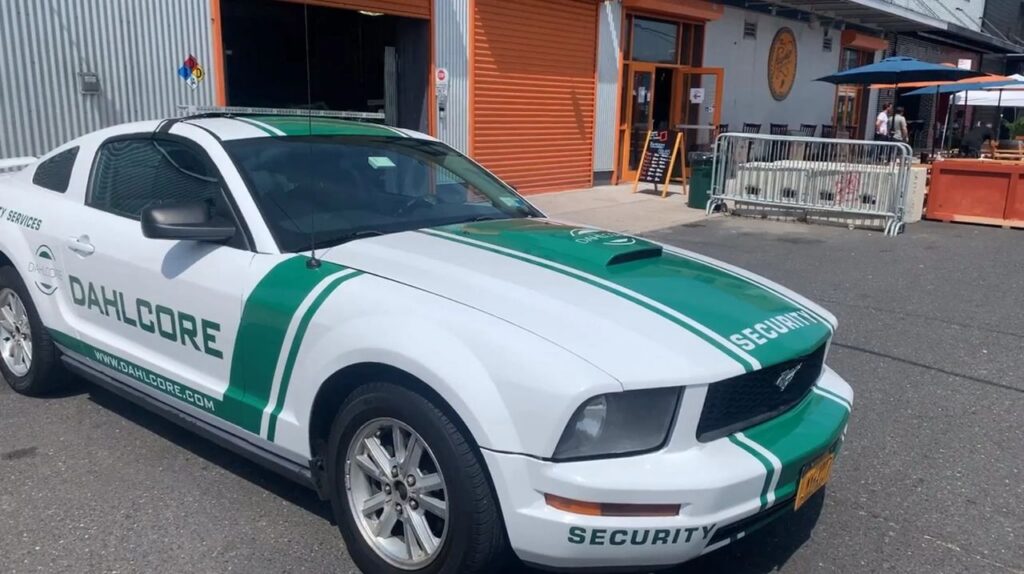
Why Does Safety in Harlem Change so Much Block to Block
The biggest thing outsiders underestimate is how sharply the feel of a street can change in a short walk. You can go from family-friendly to “I’d rather not linger here” in less than two minutes.
Role of Housing Projects, Shelters, Nightlife, and Busy Commercial Strips
Large NYCHA housing developments and homeless shelters tend to be focal points for calls to police and resident complaints, simply because they concentrate many vulnerable people and social challenges in a small area. If your building entrance is directly across from one of these complexes, you’re more likely to see drug activity, fights, or disorder right outside your door, even if you’re not being targeted personally.
Commercial corridors cut both ways. A busy stretch with restaurants, grocery stores, and barber shops can feel safer thanks to more “eyes on the street,” but bars and late-night spots also bring intoxicated crowds and occasional fights. A block with a school, church, or community center often feels calmer, especially during the day, while a stretch of shuttered or empty storefronts can feel edgy simply because there are fewer bystanders around.
Under the surface, a lot of these differences trace back to bigger forces like gentrification, public housing policy, poverty, and the legacy of redlining in New York City. Blocks with long‑standing NYCHA developments and lower‑income residents have often seen decades of disinvestment and higher crime, while nearby avenues with new cafes, condos, and rising rents feel like a different world. You feel those fault lines when you walk from a newly gentrified strip into an older block that never got the same level of attention or resources.
Daytime vs Nighttime: How a Familiar Block Can Feel Completely Different
Harlem’s daytime and nighttime personalities can be almost unrecognizable from each other. In daylight, main avenues and near-subway areas are busy with commuters, parents, and students, which helps many people feel relatively at ease. After 10–11 pm, busier blocks thin out and pockets of street life stand out more.
At night, you might see small groups hanging out on corners, louder arguments, or someone acting erratically because of mental health or substance issues. That doesn’t automatically translate to high personal risk, but it can feel intimidating if you’re not used to it. Many residents adjust by choosing better-lit routes, avoiding long, empty stretches of park or side streets, and being especially alert near subway entrances and exits, where robberies and phone snatches tend to cluster.
Foot Traffic, Lighting, and “Eyes on the Street” as Safety Signals
Three simple things tell you a lot about a Harlem block’s everyday safety:
- How well-lit it is at night
- How many people are out and what they’re doing
- What types of buildings and businesses line the block
A block with good lighting, multiple open businesses, and a steady mix of families, dog walkers, and workers usually feels safer than a dim street with boarded-up storefronts and only one group hanging around. You can read these signals pretty quickly on a visit: if you’d feel comfortable looking at your phone, waiting for a rideshare, or walking slowly while carrying groceries, that’s a good sign. If you feel the urge to speed up or cross the street, listen to that instinct.
Crime Statistics and Trends in Harlem in 2026
The numbers don’t tell the whole story, but they do help calibrate your expectations.
Property Crime vs Violent Crime: What’s Actually Most Likely
On paper, Harlem’s violent‑crime rates (assaults, robberies) sit above the city average, but those incidents are heavily concentrated in particular pockets, buildings, and time windows. Most residents will never be directly involved in a serious violent crime, though they may hear about incidents a few blocks away or see police activity on certain corners. What people actually bump into more often are property crimes and quality‑of‑life issues: packages disappearing from unsecured lobbies, bikes stolen from the sidewalk or basement, phones snatched near subway doors, or cars rifled through when valuables are left visible.
That’s why locals put so much emphasis on basics like a properly locking front door, cameras in the lobby and entryway, good lighting in hallways and stairwells, and not flashing your phone right as train doors open. In most of Harlem, the realistic risk profile is “mildly annoying but manageable” rather than “constant physical danger,” especially if you avoid obvious trouble corners late at night. Choosing the right block and building can push you much closer to that manageable end of the spectrum.
NYPD Precincts Covering Central and East Harlem
Most of Harlem falls under a handful of NYPD precincts that you’ll see referenced in crime stats and maps. Central Harlem is primarily covered by the 28th and 32nd Precincts, while much of East Harlem falls under the 25th Precinct, and each of these areas has its own pattern of violent crime and property crime over time. When you check official reports or CompStat data, you’ll usually be looking at these precinct numbers to get a feel for how your part of Harlem compares with the rest of Manhattan.
Long-Term Decline Since the 1990s: Harlem’s Changing Safety Story
Precinct-level NYPD data shows that major crimes in Harlem precincts have fallen by roughly three-quarters since the early 1990s, similar to the broader New York City crime drop. Some precincts covering West and Central Harlem report reductions of around 75–82% in major felonies from 1990 to 2020. That’s why long-time New Yorkers often say things like “Harlem hasn’t been that dangerous for 20+ years.”
Recent years have been more nuanced. Felony assaults in NYC have climbed about 42% since 2019, making certain types of violent incidents more common even as homicides remain relatively low. Harlem reflects that mixed picture: safer than its past, but not immune to citywide trends like more assaults and visible mental health crises on the street.
How Harlem Compares with Other Manhattan and NYC Neighborhoods
When ranked against all NYC neighborhoods, parts of Harlem land in the bottom third for safety—meaning more dangerous than many, but not the very worst. East Harlem and Central Harlem often appear alongside areas like Brownsville and parts of the South Bronx in lists of “higher-risk” neighborhoods, neighborhoods, such as the top 10 most dangerous cities in America.
Compared with a place like the Upper West Side, Harlem will feel rougher and noisier. Compared with parts of Bushwick or Bed-Stuy, it may feel similar: some heavily gentrified pockets that many residents love, adjacent to blocks you treat with caution. That’s why the question of whether Harlem is safe to live in is best answered at the micro-level—down to specific cross streets and buildings.
Compared with Midtown Manhattan, Harlem generally has a higher crime rate and more visible street disorder, but Midtown can feel more anonymous and tourist‑heavy, while Harlem still feels like a neighborhood where people actually know their neighbors.
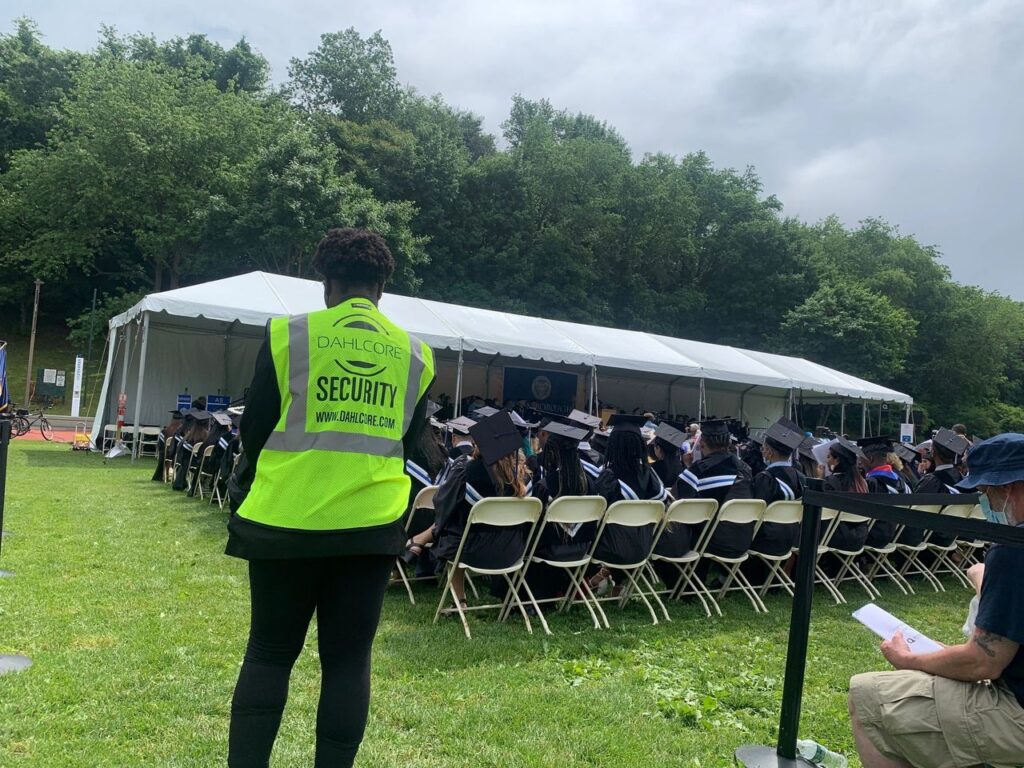
Day vs Night, Solo vs Family: How Harlem Really Feels
During the day, most Harlem blocks feel like a busy, energetic city neighborhood: parents with strollers, older residents sitting outside, delivery workers, students, and people heading to work. Main avenues near subway stops and retail strips are especially active, which helps many newcomers feel more relaxed when they first move in. After 10 or 11 pm, the crowd thins out, and you notice the corners that stay busy—friends hanging out, music from cars, people leaving bars or late‑night spots. If you’re walking alone, those same corners can feel much more intense than they did at 6 pm, even if nothing actually happens.
For families, the main question is often whether you’re comfortable with your kids seeing more visible homelessness, open drug use, or occasional shouting matches on certain routes to school or the park. Many parents choose blocks where they regularly see other families, dog walkers, and older neighbors outside, and they lean toward buildings with stronger security and helpful supers. For single residents and students, the trade-off is usually “more space and shorter commutes” versus “a bit more noise and a few more moments that put you on alert.” If you’ve never lived in a dense city, it’s smart to give yourself time to adjust rather than assuming a single uncomfortable encounter means the whole neighborhood is unsafe.
Daily life in Harlem: What it Really Feels Like to Live There
Statistics aside, you care about what day-to-day life feels like.
Noise, Street Activity, and Visible Homelessness and Drug Use
Expect a lot of energy. Harlem has busy avenues, music from shops, and people chatting loudly on stoops or outside delis. On some blocks, you’ll also see people using drugs in public, sleeping in doorways, or arguing on the sidewalk. Many residents say this can be more mentally draining than the actual risk of being harmed.
Noise can be an issue if your windows face a bar, bus stop, or popular hangout corner. You might hear late-night conversations, car horns, or sirens more often than in quieter parts of Manhattan. Good windows and a unit that doesn’t face a major intersection can make a huge difference in how livable your apartment feels day to day.
Local Culture, Small Businesses, and Community Pride
On the upside, Harlem has a deep sense of identity and community that many residents love. You’ll find long-standing soul food restaurants, jazz clubs, neighborhood churches, and community events that make the area feel like an actual neighborhood, not just a cluster of high-rises.
New cafés, bakeries, and boutiques continue to open along corridors like Frederick Douglass Boulevard and Lenox, creating lively brunch scenes and evening street life. For many people, being able to walk to good food, parks like Morningside and St. Nicholas, and multiple subway lines offsets the higher crime statistics.
Resident Experiences: Feeling Safe, Cautious, or Ready to Move
Resident stories vary widely. Some people report living in Harlem for years, walking home late without issues, and feeling safer than they did in some Brooklyn or Bronx neighborhoods. Others say they’ve had bikes stolen, packages taken, or one scary encounter that made them reconsider their block.
A common pattern: people feel comfortable on their particular street and on routes they know, but warn visitors to stick to certain avenues and avoid wandering late at night. If you’re realistic about city life, that warning is a yellow flag, not an automatic deal-breaker. If you want zero anxiety about crime, it probably nudges you toward calmer parts of Manhattan or safest neighborhoods in Queens.
How to Evaluate if a Specific Harlem Block is Safe for You
Rather than asking “Is Harlem safe to live in?” in general, it’s smarter to evaluate your exact block and building.
Quick Research Checklist for Your Exact Street
Use this simple process before you sign a lease:
- Look up which NYPD precinct covers your address and skim its recent crime stats to see trends, not just a single month.
- Check an online NYC crime map or CompStat‑style tool and zoom in on your closest intersections to see what types of incidents cluster near you.
- Walk your route to and from the nearest subway or bus stop during the day, a weeknight after 9–10 pm, and, if possible, on a weekend night.
- Note the basics: lighting, how many people are outside, what they’re doing, whether businesses are open, and whether any corner feels like a regular trouble spot.
- Talk to someone who already spends time there—a neighbor, super, bodega worker—and ask if there are recurring issues like break‑ins, package thefts, or late‑night fights.
By the time you’ve done this, you’ll usually have a clear sense of whether you’re dealing with a normal city block that just looks busy, or a corner where you’d rather not walk alone at midnight.
Using NYPD Precinct Data, Crime Maps, and 2026 Stats for your Address
Start by finding which NYPD precinct covers your potential address (likely the 26th, 28th, 30th, or 32nd for much of Harlem), then review their current crime stats and historical trends. Many real estate sites and third-party tools also offer crime maps that show the approximate density of different incidents near specific locations.
Look not only at total crime, but at the mix. A cluster of grand larcenies around a busy subway hub is different from a cluster of shootings or robberies on quiet corners. If homicides and shootings are low but theft is high, that suggests you need strong personal and building security habits, not that you’re in an extremely dangerous area.
Reading the Street: Buildings, Businesses, and Who’s Outside
Then, take a walk. Ask yourself:
- Are the streetlights bright and unbroken?
- Do you see families, kids, and older residents outside?
- Are there schools, churches, or small businesses on the block?
- Are most storefronts open and active, or empty and shuttered?
Blocks with well-kept buildings, flowers or decorations on stoops, and regular foot traffic usually signal more stability and neighbor oversight. Blocks where most windows have metal gates, multiple doors are tagged or broken, and groups hang around all day with nothing to do will generally feel less comfortable, especially at night.
Visiting at Different Times Before You Sign a Lease
Finally, don’t just visit once at noon on a weekday. Go back:
- During rush hour on a weekday
- After 9–10 pm on a weeknight
- On a Friday or Saturday night, if you can
You might discover that your “quiet” block turns into a late-night party corridor on weekends, or that the corner by your subway stop has a regular crowd that makes you uneasy. It’s much better to learn that before you sign a 12‑month lease than after you move your furniture in.

Practical Safety Tips for Living in Harlem without Feeling Paranoid
If you do decide that Harlem’s rewards outweigh the risks, a few habits can keep you safer and less stressed.
Smart Habits for Walking, Commuting, And Using the Subway at Night
Standard big-city rules apply:
- Keep your phone away or hold it securely when subway doors are opening and closing.
- Avoid blasting music in both ears; keep some awareness of what’s around you.
- Stick to well-lit streets and busier avenues when walking home late.
- If a corner or group makes you uncomfortable, cross the street or change your route without overthinking it.
These habits don’t mean living in fear—they’re just risk management. Most residents go about their days normally, commute, grab groceries, and socialize without incident. The goal is to tilt the odds further in your favor.
Apartment and Building Security Features to Prioritize
When apartment hunting in Harlem, bump “security” higher on your checklist. Look for:
- Solid front doors with a functioning intercom and locked entry
- Cameras in the lobby, entrances, and elevator
- Good hallway and stairwell lighting
- A super or management that responds quickly to broken locks or lights
A building with active management and a clean, well-maintained lobby is usually a better bet than a slightly cheaper unit in a building where the front door doesn’t always lock. Also, pay attention to where your windows face: being directly over a rowdy bar or hangout corner can feel much less safe and peaceful than facing an inner courtyard or quieter street.
Balancing Caution with Enjoying Harlem’s Energy and Amenities
The sweet spot is staying alert without letting anxiety run your life. Many Harlem residents enjoy the neighborhood’s parks, restaurants, and nightlife while simply choosing their spots wisely. They meet friends at familiar bars, avoid walking alone deep into unfamiliar parts of the neighborhood late at night, and build relationships with neighbors and local shop owners.
That sense of community—knowing the deli guy, the barista, the neighbor with the dog—can actually boost your everyday safety and comfort. It turns Harlem from “a risky place on a map” into “my neighborhood,” with all its pros and cons.
Pros and Cons of Living in Harlem in 2026
A quick side-by-side view can help you decide whether Harlem matches your priorities.
Daily life: Good transit, growing café and restaurant scene, and parks nearby. Noise, visible homelessness, and street disorder on some blocks.
For many, the combination of relatively more space, central location, and culture makes Harlem appealing despite the elevated crime stats. For others, especially those who prioritize a very quiet, low-drama environment, the cons outweigh the pros.
Families, Students, and Professionals: Is Harlem Safe to Live in?
Different types of residents experience Harlem differently.
Safety Considerations for Families with Kids and Strollers
Families often gravitate toward calmer pockets of West Harlem, Morningside Heights, and specific stretches of Central Harlem near good schools and parks. They look for blocks with lots of strollers, playgrounds, and dog walkers—visual cues that other parents feel comfortable there. Many choose buildings with doormen or strong security and build tight relationships with neighbors.
The bigger question for families is often less about stats and more about comfort level with kids seeing street disorder. If you’d be very stressed by your child walking past open drug use or loud arguments, some East or Central Harlem blocks may not be ideal, even if serious crime seldom happens on your specific street.
Safest Parts of Harlem for Families
When parents talk about the safest parts of Harlem for families, they usually point to calmer stretches of West Harlem, Hamilton Heights, Morningside Heights, and select blocks in Central Harlem near good schools and parks. These areas tend to have more strollers, dog walkers, and older neighbors outside, plus better‑maintained buildings and stronger building security, which together make everyday routines like school drop‑off and evening walks feel more manageable. Even within these zones, families still vet individual streets and buildings carefully, especially if they want quieter nights and less exposure to intense street activity. Some families also look outside Manhattan and use a guide to the safest neighborhoods in Queens NYC to find quieter options.
What Students and Young Professionals Should Focus On
Students and young professionals usually weigh safety against rent and commute. Harlem offers a solid value sweet spot: faster commutes downtown than outer-borough neighborhoods at similar price points, with more space than many apartments further south.
If you’re in this group, focus on:
- Proximity to your campus or job
- Whether your block is well-lit and busy enough at night
- The building’s entry security and maintenance
A slightly smaller apartment in a better building and location is often a smarter choice than the absolute cheapest place on a noticeably rougher block.
Remote Workers and Creatives: Lifestyle, Cafés, and Safety Routines
Remote workers and creatives tend to care about daytime safety, cafés within walking distance, noise levels for calls, and late-evening walks home from coworking spaces or studios. Harlem’s café and coworking scene is growing, and it can be a good base if you pick a quieter residential block that’s still near main avenues.
For this group, noise management (good windows, distance from heavy traffic) is almost as important as classic safety. It’s worth visiting your prospective unit during the day to check if constant sirens or street noise will drive you up the wall.
Comparing Harlem’s Safety with Other NYC Neighborhoods
You might also be wondering how Harlem stacks up against other popular areas.
Is Harlem Safe to Live In vs Brooklyn Areas Like Bushwick and Bed-Stuy?
In many ways, Harlem occupies a similar “middle ground” as gentrifying Brooklyn neighborhoods like Bushwick and Bed-Stuy: rising rents, new bars and cafés, and diversity, alongside above-average crime statistics and some blocks that feel very different from others.
Some rankings put East Harlem’s violent crime higher than parts of Bushwick but comparable to other “moderate caution” zones across the city. If you’re comfortable in Bushwick, you’ll likely find similar risk-reward trade-offs in Harlem. If Bushwick already feels too edgy, you may prefer calmer pockets of Queens or further uptown in Inwood or Washington Heights.
Harlem vs “Safer-Feeling” Spots Like the Upper West Side
Compared with the Upper West Side, Harlem has more visible poverty, more street activity, and higher violent crime rates, even though both are in Manhattan and share subway lines. The UWS offers a quieter, more polished environment, but at significantly higher rents and often smaller spaces. If “clean and calm” ranks above all else, the UWS or similar areas may be a better match.
How Harlem Stacks Up for Long-Term Renting and Investment
From an investment or long-term renting perspective, Harlem remains attractive to people who believe in its continued improvement and appreciate its culture and location. Crime declines over decades, and ongoing development suggests a long-term positive trajectory, even if short-term safety challenges remain.
Investors and long-term renters often focus on West Harlem and strong Central Harlem corridors, betting that as NYC continues to grow, demand will keep rising for relatively more affordable Manhattan neighborhoods with good transit.
How to Evaluate Safety in Specific Parts of Harlem
When you compare safety in different parts of Harlem, it helps to talk about each area in a way that stands on its own. Instead of saying “here” or “there,” use clear place names like Central Harlem, East Harlem, or West Harlem, and mention major cross streets so readers and search tools do not lose context when a paragraph is read by itself.
Young Professional Living Near 135th Street in Central Harlem
Imagine a young professional who works late in Midtown but rents an apartment near 135th Street in Central Harlem. They might commute home on the subway, choose busier station exits, and favor well‑lit routes past main avenues. Central Harlem can feel lively and convenient, but this person still pays attention to late‑night street activity and avoids quieter blocks when foot traffic drops.
Family Considering a Brownstone Block in West Harlem
Consider a family thinking about moving to a brownstone block in West Harlem. They may prioritize tree‑lined streets, nearby parks, and an elementary school they feel good about, while also checking reported crime, noise levels, and nightlife nearby. West Harlem often combines historic housing and strong community ties, but parents still weigh issues like property crime, weekend crowds, and how the block feels after dark.
Pros and Cons of Different Parts of Harlem
Central Harlem – Pros
- Strong transit access to Midtown and other boroughs.
- Lively streets, restaurants, and shops that keep many blocks active.
- Significant revitalization and investment have occurred over the past couple of decades.
Central Harlem – Cons
- Some blocks still report higher levels of property and occasional violent crime.
- Noise, nightlife, and crowds can be intense near main corridors.
- Safety perception can change quickly from one micro‑area to another.
East Harlem – Pros
- Deep cultural history and a strong sense of neighborhood identity.
- Access to multiple subway and bus lines, with improved amenities.
- Some pockets with more affordable rents compared with parts of Manhattan further south.
East Harlem – Cons
- Certain areas continue to show higher crime rates than other parts of Manhattan.
- Some blocks can feel tense at night, especially near major housing complexes.
- Street conditions and overall feel may vary sharply within a short walk.
West Harlem – Pros
- Residential brownstone blocks and a quieter, more neighborhood feel on many streets.
- Access to parks, riverfront areas, and local restaurants.
- Often viewed as one of the more stable and community‑oriented parts of Harlem.
West Harlem – Cons
- Property crime and quality‑of‑life issues still occur, as in most dense NYC areas.
- Some avenues and nightlife spots can bring weekend noise and crowds.
- Safety perception may change between a busy avenue and a side street, especially late at night.
The Three‑Block Test for Checking a Harlem Block
A simple way to evaluate safety on a specific street in Harlem is to use a “Three‑Block Test.” Visit the exact block you are considering, then walk one avenue or major street to the east and one to the west, both during the day and after dark. Pay attention to lighting, foot traffic, noise, and how people use the space. Combine that on‑the‑ground feel with an official crime map or precinct data, and, if possible, talk to a neighbor or building resident about recent conditions and any issues they watch for.
Local Resources and Community Efforts are Improving Safety.
Safety in Harlem isn’t just about police; it’s also about local organizing and city programs.
NYPD Precincts, Community Boards, and Local Meetings
Harlem is covered by multiple NYPD precincts, each with community councils where residents can discuss concerns, ask questions, and hear about crime trends and enforcement priorities. Community boards also weigh in on things like liquor licenses, new developments, and street changes that affect the quality of life.
If you move to Harlem, getting plugged into these meetings gives you a better sense of what’s actually happening and a voice in shaping neighborhood priorities.
Community Groups, Mutual Aid, and Block Associations
Beyond policing, Harlem has numerous grassroots groups, mutual aid networks, and block associations that work on everything from youth programs to tenant rights and street cleanups. These efforts don’t always show up in crime stats immediately, but they build informal social control: neighbors who know each other, share information, and look out for one another.
Joining or supporting these groups can make your block feel safer and more connected, especially if you’re planning to stay for more than a year or two.
Cameras, Lighting Projects, And Other City Safety Programs
City initiatives around better lighting, expanded camera coverage, and “violence interruption” programs have also been active in Harlem. While there’s debate about how effective cameras are on their own, they can deter some opportunistic crime and help solve cases after the fact. Improved lighting tends to have an immediate, noticeable impact on how safe a street feels at night.
Many residents support a mix of environmental changes (lights, cleaned-up lots, active storefronts), community programs, and targeted enforcement instead of relying on policing alone.
How to Choose the Right Part of Harlem for Your Lifestyle
If you’re still considering Harlem, narrow it down based on your lifestyle and comfort level.
Matching Budget, Commute, and Comfort With Street Activity
Start with three questions:
- How sensitive am I to street noise and visible disorder?
- How important is a short commute to Midtown or downtown?
- What’s my realistic budget for rent?
If you’re somewhat flexible on budget and really want a calmer feel, look first at West Harlem and Morningside Heights. If the budget is tighter and you can tolerate more grit, some Central and East Harlem blocks will stretch your money further while still keeping you in Manhattan.
Red Flags When Apartment Hunting in Harlem
As you tour units, watch for:
- A front door that doesn’t fully close or lock
- Hallways with broken lights or obvious neglect
- Multiple neighbors warning you about break-ins or “drama” on the corner
- A building entrance directly facing a known trouble spot, like a bar that’s always spilling fights onto the sidewalk
None of these are automatic deal-breakers for everyone, but together they signal a higher-maintenance living situation.
Example “Shortlists” of Quieter Streets and Zones to Explore First
Many residents and commenters point to:
- West of St. Nicholas Avenue and around Morningside and Riverside Parks are calmer, safer-feeling areas.
- Parts of Hamilton Heights (135th–155th, west of Broadway) have a good mix of affordability and relative safety.
- Gentrified corridors along Frederick Douglass Boulevard and Lenox Avenue for those wanting energy without feeling too isolated
You’ll still need to vet each block and building, but these pockets are common starting points for people looking to balance Harlem’s pros and cons.
FAQs: Is Harlem Safe to Live In?
Is Harlem safe to live in for single women?
Harlem can be safe enough for single women who use typical big-city precautions and choose their block carefully, but the elevated violent crime rates mean it’s smart to prioritize well-lit streets, secure buildings, and busy avenues. Many single women do live there comfortably, especially in West Harlem and calmer Central Harlem corridors, but some prefer other neighborhoods for extra peace of mind.
What are the safest streets in Harlem?
There isn’t an official list of the safest streets in Harlem, but many people highlight pockets west of St. Nicholas Avenue, around Morningside and Riverside Parks, and residential blocks in Hamilton Heights as especially comfortable. Within Central and East Harlem, quieter streets near schools, churches, and well‑kept brownstones tend to feel safer than blocks facing large public housing complexes or clusters of late‑night bars.
How does the Harlem crime rate compare to Midtown Manhattan?
On paper, Harlem’s crime rate is higher than Midtown Manhattan’s overall, especially for certain types of violent crime. That said, Midtown also sees a lot of theft, tourist‑targeted crime, and crowd‑related incidents, while Harlem’s risks are more tied to specific blocks, public housing areas, and late‑night street life.
Is Harlem safe to live in for students and young professionals?
Yes, many students and young professionals live in Harlem, especially near Columbia, City College, and along gentrified avenues, and they manage risk with common-sense habits like avoiding isolated streets late at night. The trade-off is getting more space and a central location in exchange for a grittier, sometimes noisier environment than more polished neighborhoods further south.
Is Harlem safe to live in if I work late nights?
If you work late nights, Harlem can still work, but you’ll need to be strategic about your route home and building choice. Look for apartments close to major avenues, well-lit subway stops, and buildings with secure entry and perhaps cameras, and consider using rideshare for very late returns if a walk home would involve long, empty stretches.
Which parts of Harlem are safest to live in?
West Harlem (including Morningside Heights and Hamilton Heights) generally has the best safety reputation, with lower total crime than East Harlem and calmer pockets of Central Harlem along certain avenues. Within each area, though, safety still varies, so it’s important to evaluate specific blocks and buildings rather than relying only on neighborhood labels.
Is Harlem safe to live in compared with Brooklyn neighborhoods?
Harlem is broadly comparable to gentrifying Brooklyn areas like Bushwick or Bed-Stuy: rising amenities and rents, plus crime levels that are higher than safer neighborhoods but workable for many city-savvy residents. Some parts of East and Central Harlem have similar or higher violent crime rates than certain Brooklyn hot spots, so the key is choosing the right micro-area, regardless of borough.
What should I look for in a building to feel safer living in Harlem?
Focus on a building with a reliably locked front door, camera coverage, good hallway lighting, and responsive management, and avoid units directly over known trouble corners if possible. Talking to current tenants about recent issues—like break-ins, package theft, or recurring conflicts—will also give you a clearer picture than any listing description.
Is West Harlem safe?
West Harlem is often perceived as relatively safer, with more residential pockets, parks, and an active local community. You will still see occasional property and quality‑of‑life issues, similar to other urban neighborhoods. Most residents rely on common‑sense habits and awareness rather than feeling constantly unsafe.
How does safety change block by block in Harlem?
Safety can shift quickly within Harlem because of building types, public housing clusters, nightlife, and transit hubs. A calm, tree‑lined street might sit close to a busier corner that sees more complaints or police reports. Spending time on the exact block, both day and night, gives the best sense of fit.
Is Harlem safer than Midtown Manhattan?
In some periods, certain Harlem precincts have recorded fewer crimes per capita than parts of Midtown, despite Midtown’s more polished reputation. However, crime patterns change by year and by block. Comparing recent official statistics and not just neighborhood stereotypes is key when evaluating relative safety.
Is Harlem safe for families?
Many families live in Harlem and appreciate parks, schools, childcare options, and community programs, but they usually choose blocks with good lighting, active sidewalks, and lower reported crime. Parents often check school zones, speak with neighbors, and use NYPD crime maps to decide whether a specific address feels comfortable.
What safety precautions should Harlem residents take?
Residents in Harlem tend to follow the same precautions used in other dense NYC neighborhoods: staying aware, avoiding very quiet blocks late at night, keeping phones and bags close, and learning which corners to bypass. Most crime is opportunistic, so small, consistent habits go a long way toward reducing risk.
Safety disclaimer: This article is for general informational purposes and is not legal, law‑enforcement, or professional safety advice. Crime data changes over time and can vary sharply by block, so confirm details using official NYPD/NYC resources and your own on‑the‑ground judgment before making housing or travel decisions.
About this guide: We aim to explain public safety topics in plain language using primary sources (city and NYPD reporting) plus practical neighborhood considerations. If you spot an outdated stat or broken link, contact us, and we’ll review and update the page.
Editorial policy (short): We prioritize official datasets and government reporting, label opinion clearly, and update content when new reporting materially changes the guidance. We do not claim a neighborhood is “safe” or “unsafe” based on a single incident; we look for patterns across time windows and locations.
Conclusion: Is Harlem Safe to Live in for You Personally?
In 2026, Harlem is safer than its old reputation but still riskier than many NYC neighborhoods, with safety changing block to block based on housing, lighting, and local street life. If you’re comfortable with an urban, sometimes gritty environment and take time to pick your exact block and building wisely, Harlem can offer culture, space, and convenience that many residents find worth the trade-offs.
To move forward:
- Get a free consultation with a local renter’s agent who knows West, Central, and East Harlem on a block-by-block level.
- Book a weekend scouting trip to walk potential streets at different times of day before committing.
- Compare 2–3 specific Harlem addresses with options in another neighborhood so you can weigh safety, space, and commute side by side.
If you want, tell me your approximate budget, commute destination, and safety comfort level, and I can suggest a short list of Harlem areas that might fit you best.
Authority: How to Verify Crime Data for Your Block
If you want to go deeper than this guide and verify safety around a specific building or block, start with official NYPD and NYC resources, then layer in historic datasets for broader context:
- NYPD Citywide Crime Stats (weekly updates) – Overview of crime trends across New York City with downloadable reports and links to more detailed tools: https://www.nyc.gov/site/nypd/stats/crime-statistics/citywide-crime-stats.page
- NYPD Borough & Precinct Crime Statistics (precinct-level reports) – Tables and reports that show how crime patterns differ by borough and by precinct, including the ones that cover Harlem: https://www.nyc.gov/site/nypd/stats/crime-statistics/borough-and-precinct-crime-stats.page
- NYPD CompStat / CompStat 2.0 (interactive public portal) – An interactive dashboard where you can explore trends by precinct and time period in more detail: https://www.nyc.gov/site/nypd/stats/crime-statistics/crime-statistics-landing.page
- NYC Crime Map (generalized locations, not exact address‑level points) – A map interface that lets you see patterns for major crimes in different parts of the city; locations are slightly generalized for privacy: https://www.arcgis.com/apps/instant/sidebar/index.html?appid=8153f961507040de8dbf9a53145f18c4
- NYC Open Data – NYPD Complaint Map (Historic) – A historic complaint dataset that is helpful if you want to look at longer‑term patterns rather than just current snapshots: https://data.cityofnewyork.us/Public-Safety/NYPD-Complaint-Map-Historic-/57mv-nv28
Explore our other blog posts here
NY Security Guard License Status Check: Step-by-Step Guide
Roving Patrol vs Fixed Post Security in New York: Which One Fits
Security Guard Code of Conduct: 15 Rules to Cut Client Complaints
