

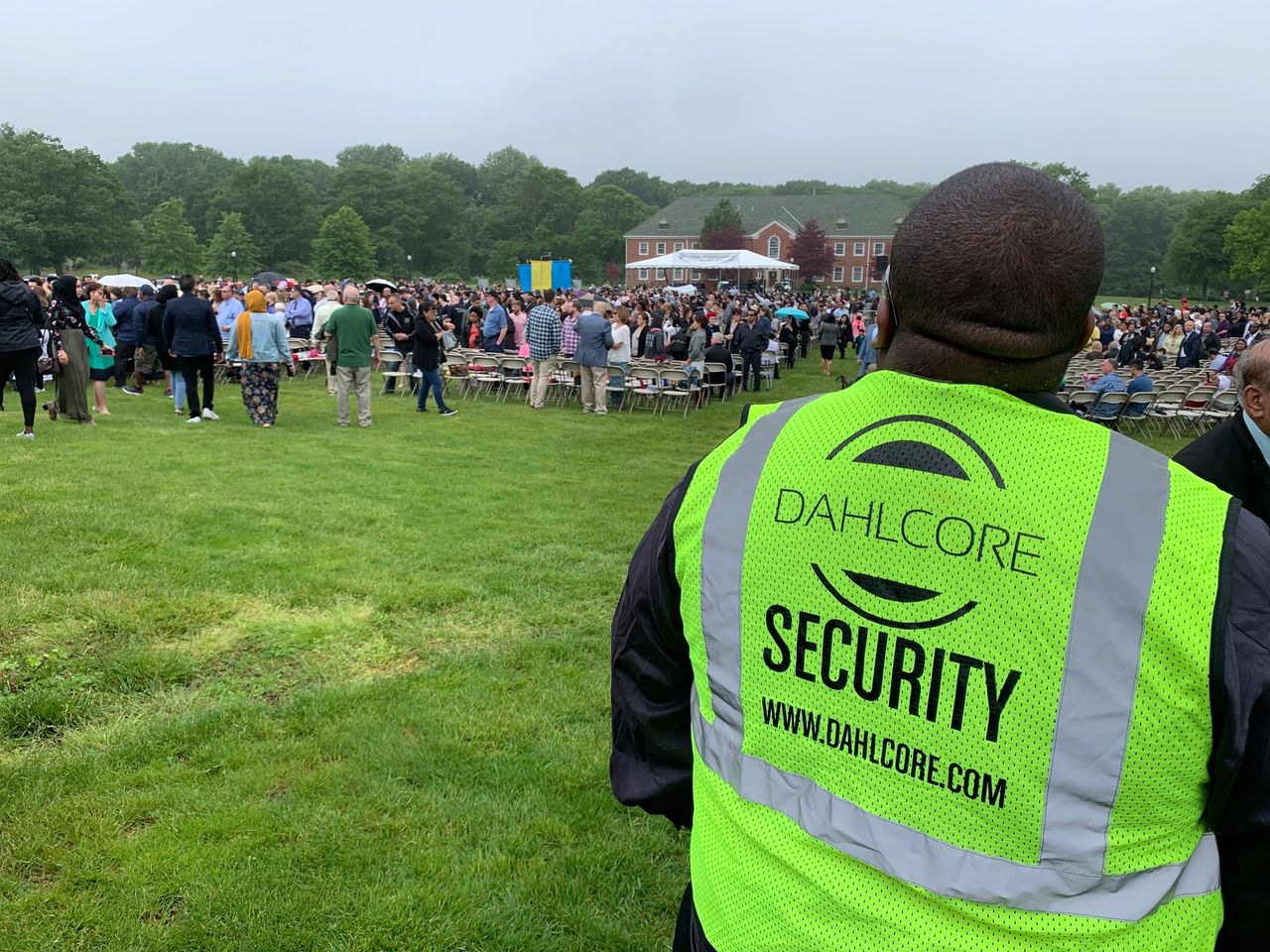
Corporate events are essential for businesses, ranging from conferences and product launches to executive retreats and company parties. While beneficial, these gatherings come with unique security challenges that require careful planning and execution to ensure the safety of all attendees. This article delves into the various aspects of corporate event security, providing insights into the importance, key components, and best practices for creating a secure environment for your events.
Understanding the Importance of Corporate Event Security
The security of corporate events is paramount for several reasons. First, high-profile events often attract a diverse group of attendees, including executives, clients, and media, making them potential targets for various security threats. Second, a company’s reputation can be significantly impacted by any security breach or incident that occurs during an event. Ensuring robust security measures not only protects attendees but also upholds the integrity and reputation of the hosting organization.
Why Is Security Important for an Event?
Security is crucial for any event to ensure the safety of attendees, staff, and property. Events, whether large or small, can be vulnerable to various threats, including unauthorized access, theft, vandalism, or even violent incidents. Without a proper security plan in place, disruptions can occur, leading to reputational damage and potential legal consequences for event organizers. A strong security presence helps prevent incidents before they escalate, ensuring smooth event operations.
Key reasons why security is important for an event include:
- Crowd Control – Large gatherings can lead to overcrowding, stampedes, or chaos, and security personnel manage the flow of people to prevent accidents.
- Crime Prevention – Security measures such as bag checks, surveillance, and access control help deter theft, vandalism, and other criminal activities.
- Emergency Response – Security teams are trained to handle emergencies such as medical issues, fires, or active threats, ensuring quick and effective responses.
- Protection of VIPs and Performers – High-profile guests or speakers require additional security to prevent unwanted disturbances.
- Regulatory Compliance – Many local regulations require security measures for certain events, and non-compliance can result in fines or shutdowns.
A well-planned security strategy reassures guests and allows them to enjoy the event without concerns for their safety.
Types of Corporate Events Requiring Security
Corporate events come in various forms, each with its own set of security needs:
Conferences and Seminars
These events often attract large crowds, necessitating effective crowd control measures to ensure safety and order. Proper access management is essential to prevent congestion and unauthorized entry. Coordinated efforts between security personnel and event organizers are crucial for the smooth operation of such events.
Product Launches
Product launches attract significant media attention and competitors, making it essential to enhance security measures to protect intellectual property and manage publicity. Heightened security helps prevent leaks and unauthorized access, ensuring that innovative ideas remain confidential. Managing publicity effectively ensures that the product receives positive media coverage while minimizing the risk of harmful exposure.
Executive Retreats
Executive retreats involve top-level executives who gather for strategic planning and decision-making. These retreats require discreet yet effective security measures to ensure the safety and privacy of participants, as any breach could have significant consequences. Security protocols often include access control, surveillance, and personal protection to maintain confidentiality and protect against potential threats.
Company Parties and Celebrations
Even though these events are more casual, security is essential to manage guests and ensure everyone’s safety. Security personnel help prevent any incidents that could disrupt the celebration, and their presence provides a smooth and enjoyable experience for all attendees.
Key Components of Corporate Event Security
Risk Assessment and Planning
Conducting a thorough risk assessment is the foundation of any security plan, as it ensures that all potential threats and vulnerabilities are systematically identified and addressed. This process involves analyzing various factors such as the event location, expected attendance, and type of activities to pinpoint specific risks. By understanding these potential issues, security measures can be tailored to mitigate them effectively, enhancing the overall safety and success of the event.
Access Control and Badge Systems
Implementing access control measures, such as pre-registration and badge systems, is essential for managing event entry. These systems help ensure that only authorized individuals gain access, enhancing security and reducing the risk of unauthorized or disruptive attendees. Additionally, they streamline the check-in process, providing a smoother experience for both organizers and participants.
On-site Security Personnel
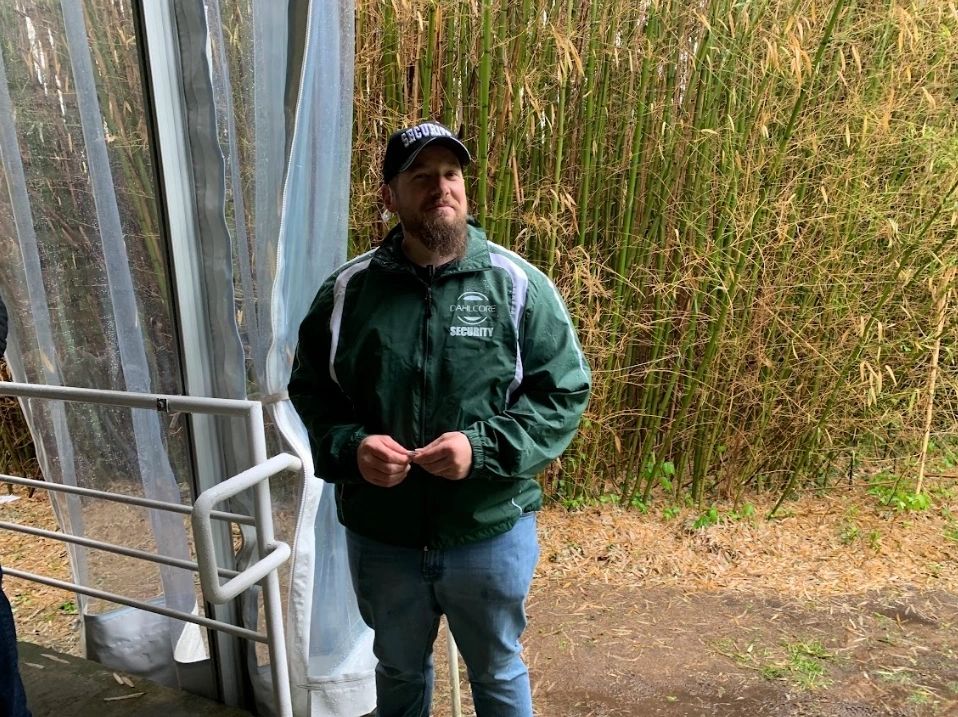
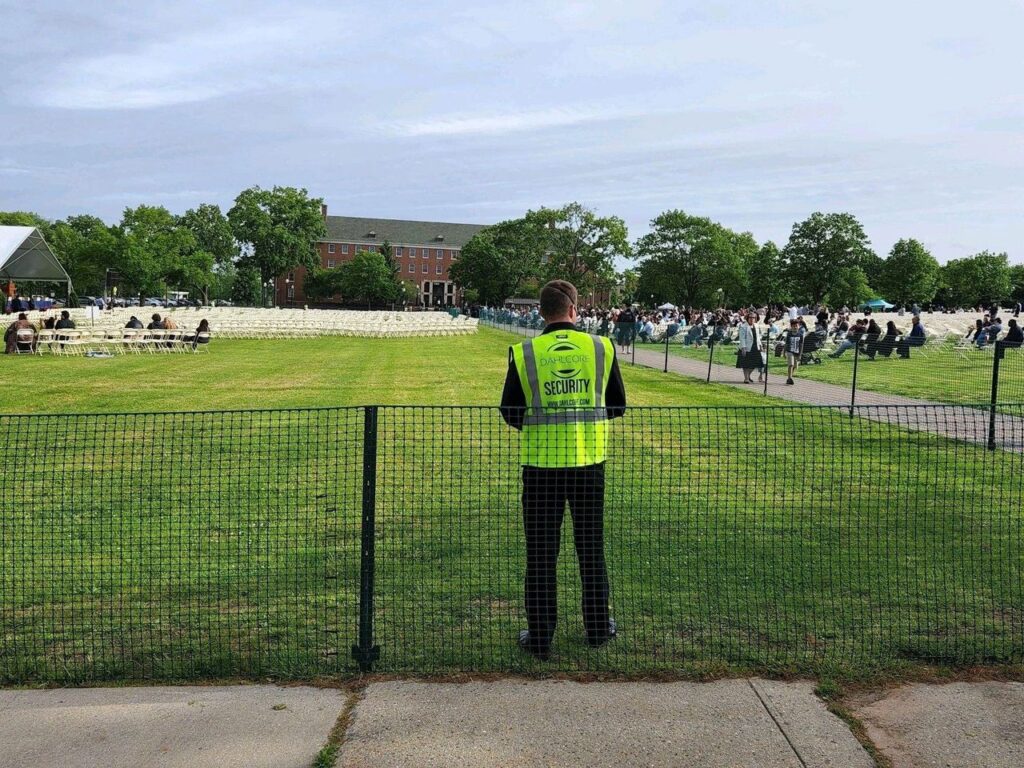
Trained security personnel are essential for effective crowd control, ensuring that large gatherings remain orderly and safe. Their expertise is vital in handling emergencies promptly, minimizing risks, and coordinating with medical and law enforcement teams. Additionally, their presence deters potential misconduct and enhances the overall sense of safety for attendees.
Emergency Response Plans
Preparing for potential emergencies with well-defined response plans ensures that incidents are handled swiftly and effectively, minimizing their impact. Clear protocols allow for quick decision-making and efficient resource allocation during a crisis. This preparation also helps reduce confusion and panic, leading to better overall outcomes and faster recovery.
Technology in Corporate Event Security
Surveillance Systems
Surveillance systems like CCTV cameras significantly improve monitoring capabilities by providing continuous visual coverage of an area. This allows for real-time detection and swift identification of any unusual activities or security threats. Consequently, prompt responses can be initiated to address and mitigate potential risks effectively.
Cybersecurity Measures
In the digital age, safeguarding digital assets and ensuring secure communication are as crucial as maintaining physical security. Implementing robust cybersecurity measures not only prevents data breaches and cyber-attacks but also preserves the integrity and confidentiality of sensitive information. This proactive approach is essential for protecting personal data, corporate secrets, and critical infrastructure from increasingly sophisticated threats.
What Is the Role of Event Security?
Event security plays a critical role in maintaining order, preventing disruptions, and ensuring that all attendees have a safe experience. Security personnel are responsible for enforcing event rules, monitoring for suspicious behavior, and responding swiftly to any incidents. Their presence alone can act as a deterrent to criminal activity and disruptive behavior.
Key roles of event security include:
- Access Control – Ensuring only authorized individuals enter restricted areas and verifying tickets or credentials.
- Surveillance and Monitoring – Using cameras, patrols, and observation techniques to identify potential threats before they become problems.
- Emergency Response – Handling medical emergencies, evacuations, or other crisis situations effectively.
- Conflict Resolution – De-escalating altercations or disturbances to prevent them from escalating into violence.
- Crowd Management – Directing foot traffic, preventing overcrowding, and ensuring compliance with safety protocols.
- Asset Protection – Safeguarding equipment, merchandise, and personal belongings from theft or vandalism.
By fulfilling these responsibilities, event security teams contribute to a well-organized, enjoyable, and safe environment for all attendees.
Communication Tools
Effective communication tools like two-way radios and mobile apps play a crucial role in enhancing coordination among security teams and event staff. They enable a quick and efficient exchange of information, allowing teams to respond promptly to emergencies and coordinate logistics effectively. These tools ensure smoother operations and enhanced safety protocols during events and security operations.
Developing a Corporate Event Security Plan
Identifying Potential Threats
Creating a comprehensive security plan involves identifying potential threats such as physical intrusions, cyber-attacks, or other risks specific to the event’s location and nature. Once identified, mitigation strategies can be developed to address these threats effectively. This proactive approach helps ensure the safety of attendees and the smooth execution of the event without disruptions.
Establishing Security Protocols
Effective event management relies heavily on the development and implementation of clear security protocols to ensure the safety of attendees and staff. Access control measures help regulate entry and prevent unauthorized access, while emergency response procedures enable swift and organized reactions to any unforeseen incidents. Together, these elements form a robust framework that enhances security and mitigates risks during events.
Coordination with Local Authorities
Working collaboratively with local law enforcement and emergency services strengthens event security by leveraging their expertise in handling potential threats and emergencies effectively. Their presence also reassures attendees and organizers alike, fostering a safer environment for all participants. This partnership allows for quick response times and coordinated efforts to manage any unforeseen incidents that may arise during the event.
Implementing Access Control Measures
Pre-registration and Credentialing
Requiring pre-registration involves setting up a system where attendees must sign up before the event, providing organizers with necessary information and allowing them to plan effectively. Issuing credentials, such as badges or tickets, further solidifies this process by physically or digitally identifying authorized individuals at the event venue. This method not only enhances security but also streamlines check-in procedures, reducing congestion and ensuring a smoother experience for participants and organizers alike.
Physical Barriers and Checkpoints
Setting up physical barriers and checkpoints at entry points is crucial for enhancing event security. These measures help regulate the movement of attendees, ensuring only authorized individuals enter the venue. By effectively managing access points, organizers can minimize security risks and maintain a safe environment for all participants.
Visitor Tracking Systems
Visitor tracking systems provide real-time monitoring of attendee presence, enhancing event security by accurately identifying who is present at any moment. This information enables organizers to respond to any security concerns swiftly and ensure that only authorized individuals access restricted areas. Integrating such systems also facilitates efficient management of attendee traffic and enhances overall event logistics.
On-site Security Personnel: Roles and Responsibilities
Security Guards
Security guards are essential for ensuring safety by maintaining order, controlling crowds, and promptly addressing any security incidents that arise. They act as a visible deterrent to potential threats and provide reassurance to the public or clients they serve. Their responsibilities often include monitoring surveillance systems, enforcing regulations, and cooperating with law enforcement when necessary.
Event Staff
Event staff, such as ushers and coordinators, play a crucial role in overseeing attendee management and enforcing security measures to maintain safety and order during events. They handle tasks ranging from guiding guests to their seats to monitoring entrances and exits, contributing to the smooth operation and enjoyable experience of the event for all participants. Their presence helps mitigate potential disruptions and ensures compliance with event regulations and safety standards.
Emergency Medical Teams
Having medical teams on-site ensures that any health emergencies are promptly addressed, providing immediate care to attendees in need. This proactive approach not only enhances safety but also reassures participants and organizers alike, fostering a more secure event environment overall. It also helps mitigate potential risks associated with health-related incidents during the event.
Emergency Response and Crisis Management
Evacuation Procedures
Establishing clear evacuation procedures involves defining specific roles and responsibilities for staff and attendees, ensuring everyone understands their roles during an emergency. This clarity helps mitigate confusion and provides a swift and organized evacuation process. Regular drills and training sessions are crucial to familiarize everyone with the procedures and improve response times during actual emergencies.
First Aid and Medical Assistance
Providing first aid and medical assistance on-site is crucial for promptly addressing health emergencies and minimizing their impact during events. It ensures that attendees receive immediate care, potentially preventing more severe outcomes. Effective first aid management also contributes to the overall safety and reassurance of participants, enhancing their experience and confidence in event organizers.
Communication During Emergencies
Effective communication during emergencies is crucial as it facilitates the timely dissemination of critical information, helping to coordinate emergency response efforts efficiently. Clear and concise messaging can minimize confusion and ensure that all individuals involved understand the situation and the necessary actions to take, thereby enhancing overall safety and response effectiveness. It also fosters trust and confidence among participants, which is essential during high-stress situations.
Cybersecurity at Corporate Events
Protecting Digital Assets
Ensuring the security of digital assets involves implementing robust encryption protocols, access controls, and regular security audits to safeguard attendee data and presentation materials. These measures mitigate the risk of unauthorized access and potential data breaches, preserving confidentiality and maintaining trust among stakeholders. Proactive monitoring and rapid incident response are essential components to address any emerging security threats promptly.
Preventing Data Breaches
Implementing robust cybersecurity measures such as firewalls and encryption is crucial for safeguarding sensitive data and preventing unauthorized access. Firewalls act as barriers between internal networks and external threats, filtering incoming and outgoing traffic to block potential threats. Encryption ensures that data is encoded and can only be accessed by authorized parties, adding an extra layer of security against data breaches and cyber-attacks.
Securing Wireless Networks
Securing wireless networks during events is crucial to prevent unauthorized access, which could compromise sensitive information and communications. It helps maintain the integrity of digital communications by ensuring only authorized users can access the network, reducing the risk of data breaches or interception. Implementing robust encryption protocols and access controls further enhances network security, safeguarding participants’ privacy and the event’s operational integrity.
Why Is Security More Important?
Security is more important today than ever due to the increasing number of threats that individuals and organizations face. From cyber threats to physical security risks, ensuring safety has become a top priority in every aspect of life. Events, businesses, and public spaces are frequently targeted by criminals, making security measures essential for protecting lives and assets.
Some of the main reasons security has become more important include:
- Rising Crime Rates – The increase in theft, vandalism, and violent crimes has made security a necessity.
- Terrorism and Mass Attacks – Public gatherings are potential targets, making proactive security essential.
- Cybersecurity Threats – Data breaches, hacking, and online scams have become prevalent, requiring strict digital security measures.
- Workplace and Event Safety – Employers and event organizers must prioritize security to prevent workplace violence and ensure compliance with regulations.
- Personal Safety Concerns – Individuals prioritize security when choosing venues, businesses, or services.
With the evolving nature of threats, security must be continuously improved to stay ahead of potential dangers. Investing in proper security measures is not just an option but a necessity for maintaining stability and trust.
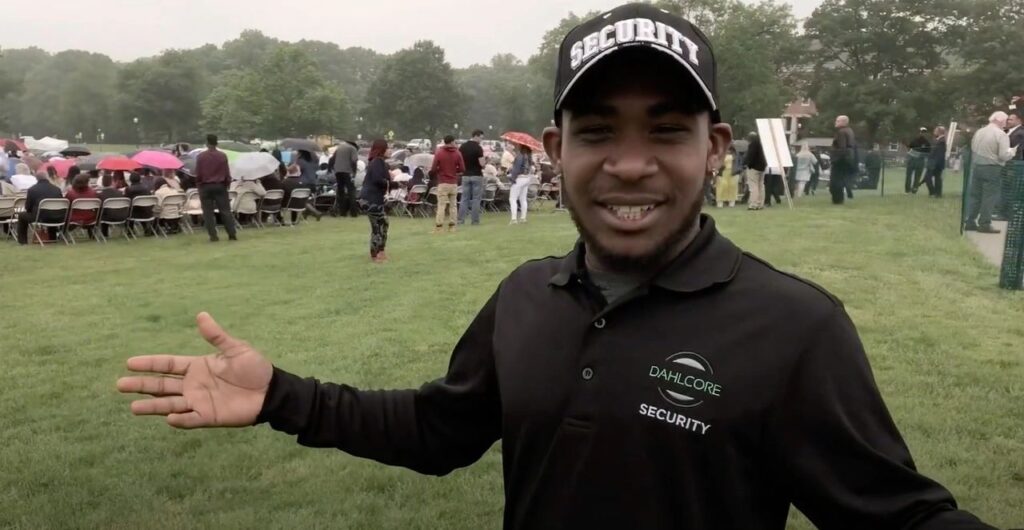
Utilizing Surveillance and Monitoring Systems
CCTV Cameras
Using CCTV cameras enhances security by providing continuous surveillance, which deters potential threats and facilitates timely intervention in case of incidents. They offer a reliable means to monitor activities in real-time, improving overall safety and enabling prompt action by security personnel or authorities when necessary. This proactive approach can help prevent crimes and ensure a safer environment for residents or employees.
Drones for Aerial Surveillance
Drones enhance situational awareness by capturing aerial footage, which aids in monitoring activities across expansive areas such as events or public gatherings. Their ability to provide real-time video feeds allows authorities to respond swiftly to any emergent situations and ensure the safety and security of attendees. Moreover, drones enable detailed reconnaissance that complements ground-based surveillance efforts, offering a comprehensive perspective that enhances overall event management capabilities.
Real-time Monitoring Centers
Setting up real-time monitoring centers is crucial for maintaining constant vigilance over potential security threats. These centers enable immediate detection of anomalies or threats, facilitating swift response strategies to mitigate risks effectively. By providing continuous oversight, they ensure that any emerging security issues are addressed promptly, minimizing potential damages or disruptions.
Communication Tools for Effective Security
Two-way Radios
Two-way radios are essential tools that enable instantaneous communication between security team members, enhancing their ability to coordinate responses swiftly and effectively. By using two-way radios, security personnel can quickly relay information, coordinate movements, and respond promptly to incidents, thereby improving overall safety and security measures. These devices are crucial in environments where real-time communication is vital for managing emergencies and ensuring operational efficiency.
Mobile Apps
Mobile apps designed for event management facilitate efficient communication by allowing staff and security teams to receive real-time updates and alerts. They streamline coordination through features like task assignment, schedule management, and instant messaging, enhancing overall operational efficiency. Such apps also offer data analytics to track attendance, manage resources effectively, and improve future event planning based on insights gathered during the event.
Intercom Systems
Intercom systems are crucial for facilitating real-time communication between various teams within an event venue, enhancing coordination and efficiency. By enabling quick and direct communication, these systems help promptly address any issues or coordinate tasks across different areas. This ensures smooth operations and enhances overall event management effectiveness.
Training and Preparing Security Staff
Regular Drills and Simulations
Regular drills and simulations are crucial for training security staff to handle various emergency scenarios, such as fires, intrusions, or medical emergencies. These exercises familiarize them with procedures, enhance their decision-making under pressure, and improve coordination among team members. Ultimately, this preparation increases the likelihood of a swift and effective response during actual emergencies, minimizing potential risks and ensuring the safety of the premises and its occupants.
First Aid and CPR Training
Providing first aid and CPR training equips security staff with essential skills to administer immediate medical assistance during emergencies, potentially saving lives. This training enhances their preparedness to handle medical incidents swiftly and effectively within their scope of duty. It also contributes to a safer environment by reducing response times and improving overall emergency response capabilities.
Conflict Resolution Skills
Training security staff in conflict resolution skills is crucial for equipping them with effective communication and de-escalation techniques. These skills enable security personnel to defuse tense situations calmly, thereby reducing the likelihood of escalation and maintaining a safe environment for everyone involved in the event. Investing in such training not only enhances security measures but also promotes a positive and professional atmosphere during events.
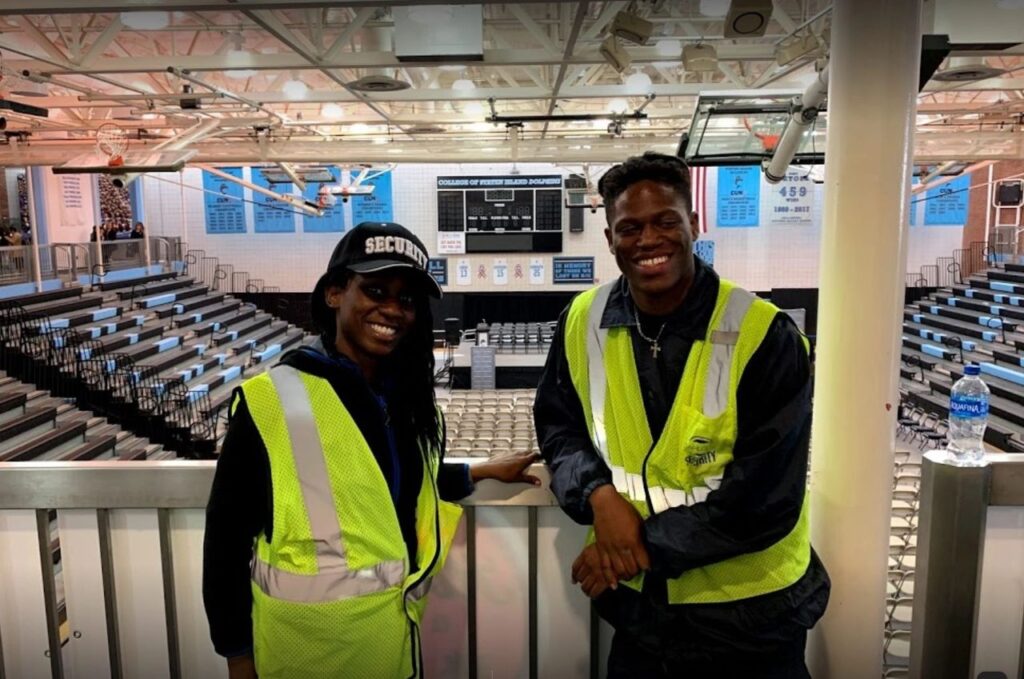
Challenges in Corporate Event Security
Managing Large Crowds
Effectively managing large crowds involves detailed logistical planning, including crowd flow analysis, designated entry and exit points, and clear communication channels. It’s crucial to deploy trained personnel for crowd control, equipped with contingency plans for emergencies like medical incidents or evacuations. Implementing technology such as surveillance systems or crowd-monitoring software can also enhance situational awareness and response capabilities.
Handling Unforeseen Incidents
Preparing for unforeseen incidents, such as natural disasters or sudden health emergencies, involves developing emergency plans that outline procedures for different scenarios. This includes ensuring access to emergency supplies like food, water, and first aid kits and communicating these plans with household members or colleagues. Regular drills and staying informed about potential risks in your area are essential parts of preparedness efforts to ensure swift and practical responses when needed.
Ensuring Guest Privacy
Balancing security measures while respecting guest privacy involves implementing robust security protocols without intruding on guests’ personal space. This requires a thoughtful approach to surveillance, data handling, and guest interactions to ensure both safety and privacy are prioritized. Effective communication with guests about these measures is crucial for building trust and maintaining a positive guest experience.
Benefits of Hiring Professional Security Services
Expertise and Experience
Professional security services provide specialized knowledge and extensive practical skills, ensuring thorough coverage of security needs. They implement strategies tailored to mitigate risks effectively, incorporating advanced technologies and protocols to safeguard assets and individuals. Their expertise spans proactive threat detection, rapid response capabilities, and strategic planning to maintain secure environments.
Advanced Security Equipment
Hiring professionals for event security typically provides access to advanced security equipment and technologies, which can significantly bolster overall safety measures. This includes surveillance systems, metal detectors, and communication devices that professionals are trained to use effectively. Such enhancements not only deter potential threats but also ensure swift response capabilities in emergencies, thereby safeguarding both attendees and assets.
Peace of Mind
Understanding that security is managed by professionals not only ensures safety but also relieves event organizers of the burden of overseeing security measures, enabling them to dedicate more attention to enhancing the event experience and addressing other organizational needs. This approach fosters a conducive environment where all stakeholders can operate efficiently and confidently, knowing that essential security protocols are in capable hands.
Best Practices for Corporate Event Security
Comprehensive Planning
Thorough planning for event security involves identifying potential risks, designing comprehensive security protocols, and implementing them effectively during the event. This approach ensures that potential threats are mitigated and attendees feel safe and protected throughout the event. Effective communication and coordination among security personnel and event organizers are crucial for executing these plans seamlessly.
Continuous Monitoring and Adjustment
Regular monitoring involves continuously observing security systems to detect any potential threats or vulnerabilities. Adjusting security measures in response to real-time situations ensures that the event’s security remains effective and adaptive. This proactive approach helps mitigate risks and maintains a safe environment throughout the event’s duration.
Post-event Security Review
Conducting a post-event security review involves systematically assessing the effectiveness of security protocols implemented during an event. It allows organizers to pinpoint vulnerabilities, evaluate response times, and gather feedback from security personnel and attendees. This process aids in refining strategies and protocols to enhance overall event security on subsequent occasions.
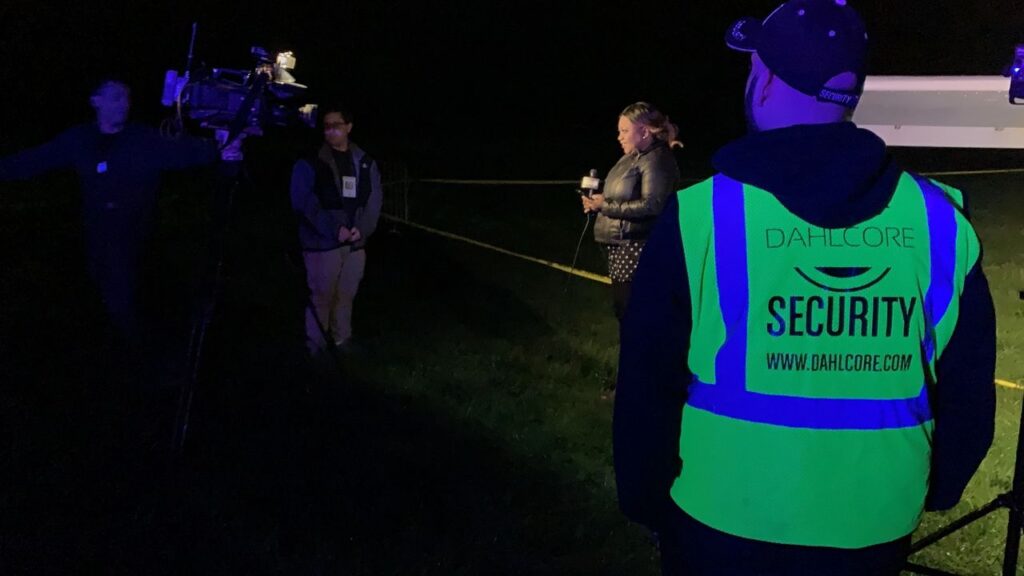
Why Is Security Safety Important?
Security and safety go hand in hand, as one cannot exist without the other. Ensuring a safe environment requires implementing strong security measures to protect people and property. Whether in an event, workplace, or public setting, security is essential for preventing risks and responding effectively to emergencies. Without proper security, accidents, crimes, and disruptions can put lives at risk and cause significant damage.
Key reasons why security safety is important include:
- Prevention of Accidents and Crimes – Security measures reduce the chances of incidents such as theft, harassment, or physical harm.
- Emergency Preparedness – Security personnel are trained to handle medical emergencies, fires, and evacuations.
- Peace of Mind – Knowing security is in place allows people to feel safe and focus on their activities.
- Regulatory and Legal Compliance – Businesses and event organizers must follow safety regulations to avoid legal repercussions.
- Protection of Property and Assets – Security measures prevent vandalism, fraud, and loss of valuable resources.
Security safety is not just about responding to threats but also about creating a proactive system that minimizes risks. Ensuring safety through proper security protocols builds trust and contributes to a stable, secure environment.
Enhancing Security Measures for Major Events
When organizing large-scale events, it’s crucial to implement comprehensive security strategies to ensure the safety of all participants. The U.S. Department of Homeland Security’s Cybersecurity and Infrastructure Security Agency (CISA) provides a “Public Venue Security Screening Guide” that offers options for stakeholders to consider when developing and implementing security screening procedures at public venues hosting a variety of events.
Additionally, the U.S. Department of Justice’s Office of Community Oriented Policing Services has published “Planning and Managing Security for Major Special Events: Guidelines for Law Enforcement,” which emphasizes the importance of timely, effective planning, communication, and training as critical components of event security.
FAQs
What are the main security concerns for corporate events?
The main security concerns include managing large crowds, preventing unauthorized access, protecting digital assets, and ensuring emergency preparedness.
How can technology enhance corporate event security?
Technology enhances security through surveillance systems, cybersecurity measures, and effective communication tools, providing comprehensive monitoring and quick response capabilities.
Why is it essential to have on-site security personnel?
On-site security personnel are crucial for managing crowd control, responding to incidents, maintaining order, and ensuring the safety and smooth operation of the event.
What are the benefits of hiring professional security services?
Professional security services bring expertise, advanced equipment, and peace of mind, ensuring comprehensive security coverage for the event.
How can event organizers prepare for emergencies?
Event organizers can prepare by developing emergency response plans, conducting regular drills, and coordinating with local authorities to ensure a swift and effective response to any incident.
What role does cybersecurity play in corporate event security?
Cybersecurity is essential for protecting digital assets, preventing data breaches, and ensuring secure communication, complementing physical security measures to provide comprehensive event security.
Conclusion
Ensuring the security of corporate events is a multifaceted task that requires thorough planning, the use of advanced technologies, and the expertise of trained security personnel. By implementing comprehensive security measures, event organizers can create a safe and secure environment for all attendees, protecting both the people and the reputation of the hosting organization.
Check other blogs
Private Security for Events: Ensuring Safety and Security
10 Duties of Apartment Security Guards: Ensuring Safety and Order
Best Practices for Nighttime Security on Maritime Vessels
Graveyard Shift: Guide on Benefits, Challenges & Tips for Success
