

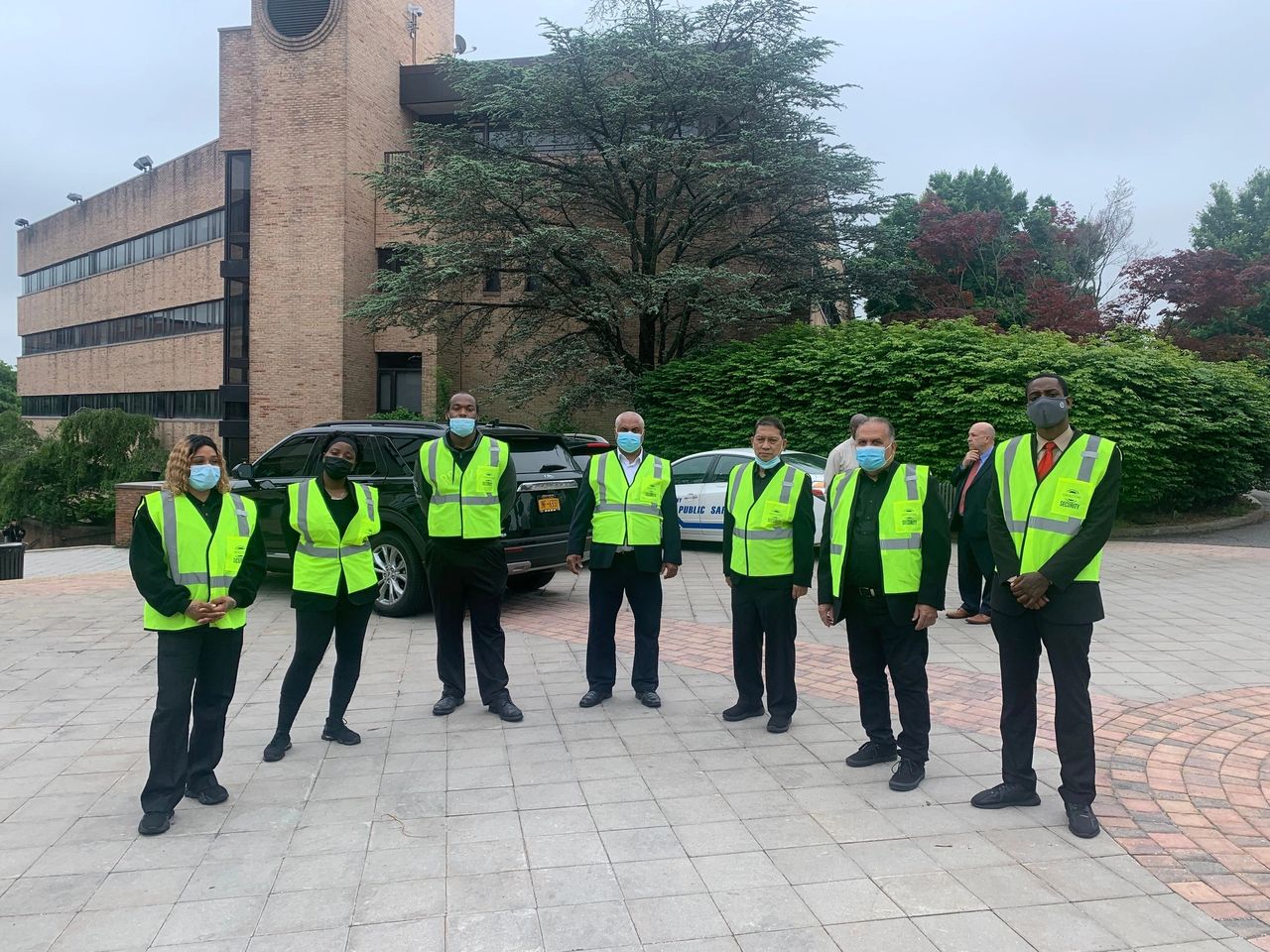
Hotels are more than just places to stay; they are temporary homes for travelers, providing comfort and security. Ensuring the safety of guests is paramount, and this responsibility falls heavily on the shoulders of security guards. In this article, we will delve into the multifaceted role of security guards in hotels, exploring their duties, challenges, and the pivotal role they play in ensuring guest safety.
The Importance of Ensuring Guest Safety
Guests choose hotels not just for a comfortable stay but also for the peace of mind that comes with knowing their safety is a top priority. The presence of well-trained security guards serves as the initial line of defense, instilling confidence in guests that they can fully relax and enjoy their stay in a secure and protected environment.
Ensuring Guest Safety: The Role of Security Guards in Hotels
Security guards play a crucial role as the unsung heroes of the hospitality industry by not only ensuring the safety of guests and the property but also by contributing to the creation of a welcoming and secure environment. Their vigilant presence and proactive approach provide a sense of reassurance that allows guests to enjoy their stay fully, ultimately elevating the overall guest experience in the hospitality industry.
The Duties of Hotel Security Guards
Patrolling the Premises
The vigilant security guards diligently perform their duties by patrolling not only the hotel’s interior, including its halls and corridors, but also its expansive parking lots, leaving no area unchecked. Their conspicuous presence acts as a powerful deterrent, dissuading any potential wrongdoers from engaging in suspicious activities and ensuring a safe and secure environment for all guests and staff.
Monitoring Surveillance Systems
Modern hotels are equipped with advanced surveillance systems that include a network of high-definition cameras strategically placed throughout the premises. These cameras are monitored by trained security guards who are responsible for promptly identifying and responding to any unusual behavior, ensuring the safety and security of both guests and the hotel property.
Checking Identification
Implementing a rigorous identification check process by security guards at the hotel entrance serves as a crucial deterrent against unauthorized access, fostering a secure environment for both guests and staff. By confirming the identity of every person entering, the hotel can effectively safeguard its valuable assets, maintain the privacy of its guests, and uphold its commitment to providing a safe and welcoming atmosphere.
Responding to Emergencies
Security guards undergo extensive training to prepare them for a wide range of emergencies, including medical crises, fires, and security breaches. Their ability to react swiftly and effectively in these critical situations is crucial, as their actions can significantly impact the safety and well-being of individuals and the protection of property and assets.
Assisting Guests
Beyond providing security, guards also play a pivotal role in improving the overall guest experience by actively assisting guests with their inquiries and needs. This proactive approach ensures that guests feel welcomed, valued, and supported during their visit, contributing to a more positive and memorable experience at the establishment.
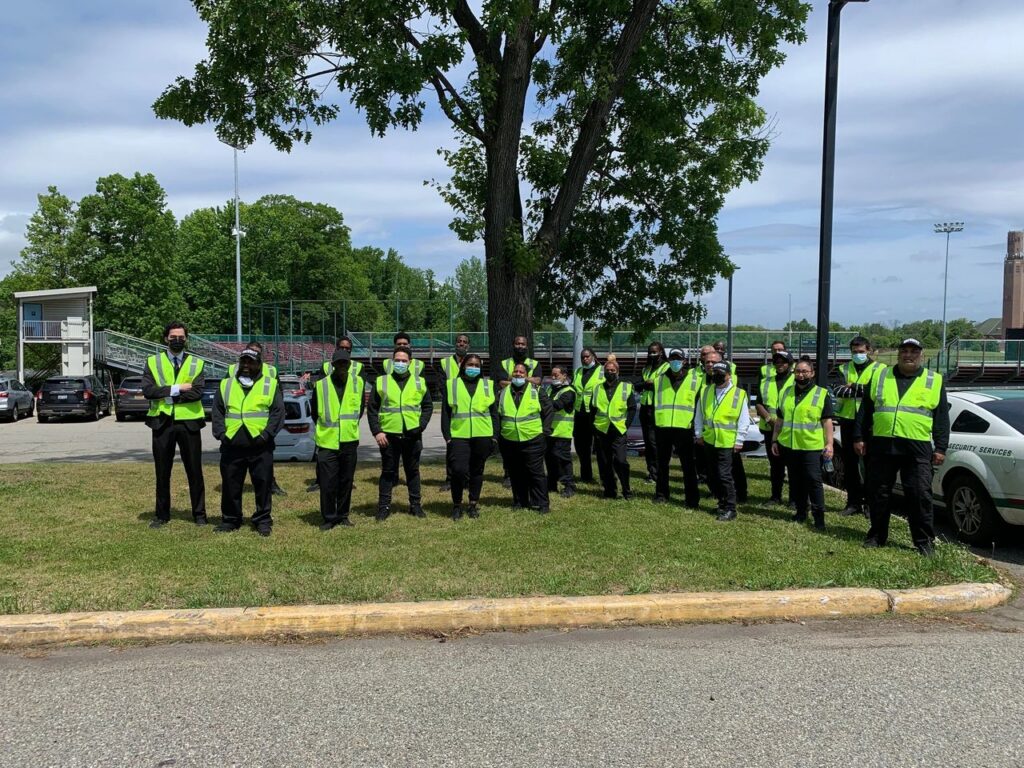
Challenges Faced by Hotel Security Guards
Balancing Vigilance and Friendliness
Finding the perfect equilibrium between appearing approachable and maintaining a vigilant demeanor can pose a significant challenge for security guards. On the one hand, they must create a welcoming atmosphere and foster a sense of safety for those they protect. Still, on the other hand, they must constantly stay alert to potential threats and maintain a visible presence to deter wrongdoing. Balancing these two aspects effectively requires excellent interpersonal skills and situational awareness.
Handling Difficult Guests
Dealing with unruly or intoxicated guests necessitates a delicate approach that prioritizes tact and professionalism. Security guards should employ effective communication and conflict resolution skills to defuse potentially volatile situations, ensuring that they do not exacerbate the problem or put anyone’s safety at risk.
Long Hours and Monotony
Security guards frequently endure extended shifts, resulting in fatigue that can compromise their alertness and effectiveness in maintaining security. Additionally, the repetitive nature of the job can lead to mental strain, as the constant vigilance required to monitor and respond to potential threats can become monotonous and mentally challenging over time.
The Responsibilities of Security Guards in Hotels
Security guards play a crucial role in ensuring the safety and security of guests, staff, and property within hotels. Their responsibilities include:
- Access Control: Monitoring and controlling access to the hotel premises, ensuring only authorized individuals enter the premises.
- Patrolling: Conduct regular patrols throughout the hotel to deter suspicious activities and ensure all areas are secure.
- Guest Assistance: Assisting guests with directions and inquiries and providing a visible security presence to enhance their comfort.
- Emergency Response: Responding promptly to security incidents, accidents, or medical emergencies and contacting the appropriate authorities.
- Crowd Management: Ensuring orderly conduct during events or busy times, preventing disturbances or altercations.
- Property Protection: Safeguarding hotel property, including assets, equipment, and guest belongings.
- Surveillance: Monitoring CCTV cameras to detect and prevent security breaches or suspicious behavior.
- Report Writing: Documented all security incidents and prepared detailed reports for hotel management.
- Fire Safety: Assisting with fire safety measures, conducting drills, and helping with evacuations if necessary.
- Conflict Resolution: Intervening in disputes or conflicts between guests or staff, aiming to de-escalate situations.
- Collaboration: Coordinating with local law enforcement when required, sharing information, and cooperating in investigations.
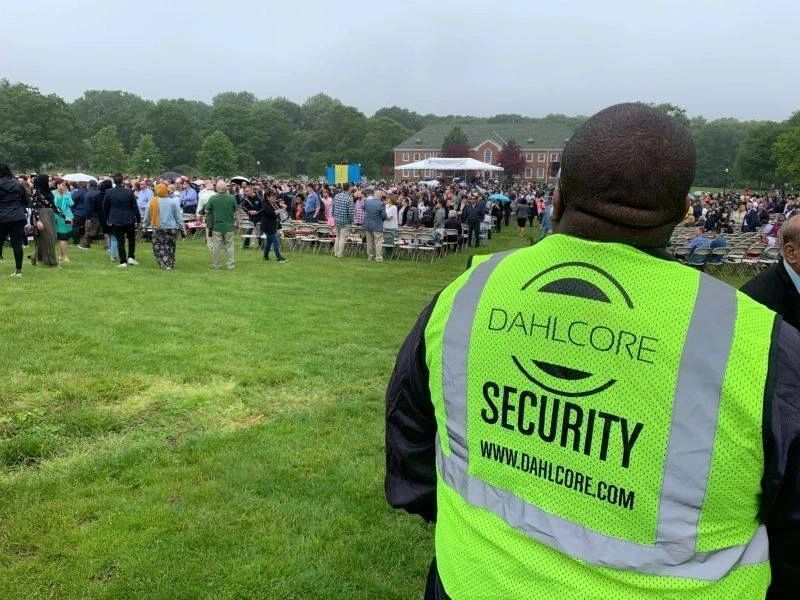
Training and Qualifications of Hotel Security Guards
To excel in their role, hotel security guards should undergo comprehensive training and possess specific qualifications:
- Basic Training: Training should cover security procedures, emergency response, guest relations, and legal aspects of security.
- First Aid and CPR: Guards should be certified in basic first aid and cardiopulmonary resuscitation (CPR) to handle medical emergencies.
- Communication Skills: Effective communication is crucial for interacting with guests and other staff members.
- Legal Knowledge: Understanding local laws, regulations, and hotel policies is essential.
- Physical Fitness: Guards should maintain a level of physical fitness to respond to emergencies swiftly.
- Customer Service: Training in guest service helps security personnel assist guests professionally.
- Conflict Resolution: Learning how to de-escalate conflicts can prevent situations from escalating.
- Fire Safety Training: Understanding fire safety protocols and equipment operation.
- Surveillance and Technology: Familiarity with CCTV systems and other security technology.
- Certifications: Guards may require certifications in security, such as a Private Security Guard License.
- Continuous Learning: Staying updated with evolving security trends and techniques.
Challenges Faced by Hotel Security Guards
Balancing Vigilance and Friendliness
Balancing vigilance and approachability is a complex task for security guards, as they must maintain a welcoming demeanor to ensure a positive and non-threatening environment for visitors and employees while simultaneously staying alert to potential security risks. This challenge involves mastering the art of blending friendly greetings and assistance with the ability to quickly assess and respond to any suspicious or potentially harmful situations, ultimately creating a safe and reassuring atmosphere within their designated area of responsibility.
Handling Difficult Guests
When handling unruly or intoxicated guests, security guards must exercise tact and professionalism by employing effective communication and conflict-resolution techniques. Their primary goal is to de-escalate the situation calmly and without confrontation, ensuring the safety and well-being of all individuals involved while maintaining the venue’s reputation and atmosphere.
Long Hours and Monotony
Security guards frequently face the dual challenges of extended work hours and repetitive tasks, which can result in fatigue and mental strain. This combination of physical and mental stressors underscores the importance of providing adequate breaks, support, and training to ensure the well-being and alertness of security personnel while maintaining the safety and security of the premises they are responsible for.

The Impact on Guest Experience
The presence of security guards plays a pivotal role in shaping the guest experience at any establishment. Beyond simply safeguarding against physical threats, their presence contributes to a sense of overall well-being and comfort for guests, fostering an environment where they can relax and fully enjoy their stay. This feeling of safety and security not only enhances the immediate guest experience but also dramatically influences their likelihood of choosing the same venue for future visits, thereby establishing a long-lasting positive relationship between guests and the establishment.
Frequently Asked Questions
Do security guards carry weapons?
Security guards may carry non-lethal weapons like pepper spray or batons, but the use of firearms is typically reserved for specialized security personnel.
How are hotel security guards trained?
Security guards undergo rigorous training programs that cover various aspects of security, including emergency response, conflict resolution, and guest interaction.
Can security guards arrest guests?
Security guards can detain individuals until law enforcement arrives, but they typically do not have the authority to make arrests.
What should I do if I have a security concern at a hotel?
If you have a security concern, immediately notify the hotel’s front desk or security personnel. They will take appropriate action to address the issue.
Are security guards always in uniform?
Yes, security guards are usually in uniform to be easily identifiable by guests and potential wrongdoers.
How do security guards communicate during emergencies?
Security guards use two-way radios or other communication devices to coordinate their response during emergencies.
Conclusion
Ensuring guest safety in hotels is a multifaceted endeavor, and security guards play a pivotal role in this mission. Their duties, challenges, and impact on guest experience are undeniable. As travelers, we can rest easy knowing that these unsung heroes are dedicated to making our stay secure and memorable.
Check other blogs
Concert Security Screening: Balancing Safety and Enjoyment
PIV in Fire Protection: Ensuring Safety and Compliance
What is a Central Alarm System? Unlock the Security Potential
