

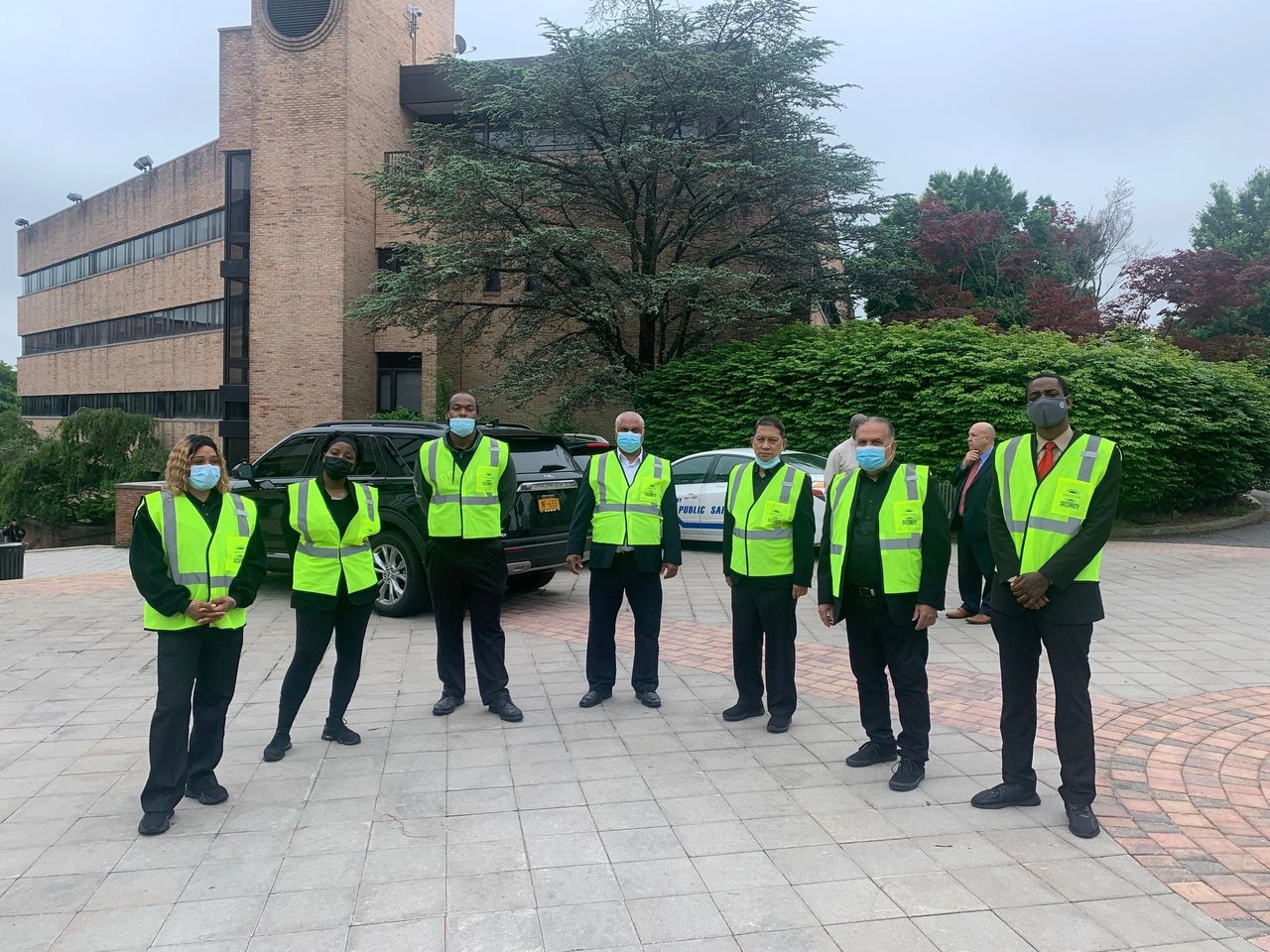
Security is crucial to both personal and organizational well-being. This article explores the role of security officers, emphasizing them as a critical physical security safeguard. We will discuss what makes their role so pivotal, the various other types of security safeguards, and how they all come together to form a comprehensive security strategy.
Types of Security Safeguards
Physical Security Safeguards
Physical safeguards are the first line of defense in protecting assets. Security officers play a vital role in this regard, serving as both a deterrent and a response solution. In addition to officers, physical safeguards include barriers, locks, access control systems, and surveillance cameras.
Technical Security Safeguards
To safeguard data, organizations utilize technological measures such as encryption, firewalls, and antivirus software, ensuring the integrity and confidentiality of information. However, the effectiveness of these measures is heightened when integrated with physical security protocols and administrative policies.
Administrative Security Safeguards
Policies and procedures serve as structured frameworks aimed at regulating human conduct. They encompass detailed directives on security protocols, educational initiatives, and strategies for responding to emergencies. They offer a systematic approach to managing behavior and fostering a safe environment through defined guidelines and preparedness measures.
Physical Security Safeguards: Detailed Analysis
The Concept of Physical Security
Physical security encompasses measures and protocols aimed at safeguarding tangible assets such as structures and confidential data to thwart unauthorized entry, vandalism, or misappropriation, thereby preserving their integrity and functionality. Its primary objective is to deter and mitigate potential threats to physical infrastructure and sensitive information through a combination of deterrents, access controls, and surveillance systems.
Main Components of Physical Security
- Barriers and Access Control: These control who can enter or exit a facility.
- Surveillance Systems: These monitor activity and can record criminal behavior.
- Environmental Design: Strategic use of space and visibility to enhance security.
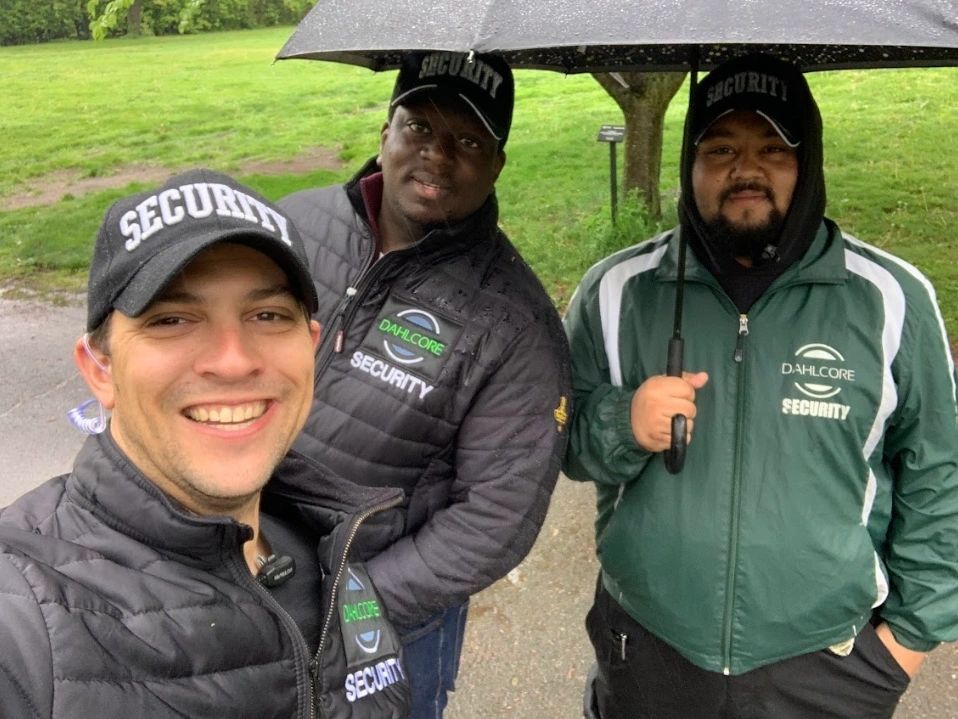
- Security Personnel: Individuals like security officers who monitor and respond to threats.
Role and Duties of a Security Officer
Core Responsibilities
Security officers fulfill a range of duties, including patrolling property, monitoring surveillance systems, and promptly addressing any incidents that arise. They safeguard premises and personnel by conducting thorough inspections of buildings, equipment, and access points while also managing entry permissions.
Skills and Qualifications Required
Security officers undergo comprehensive training that encompasses physical fitness, meticulous attention to detail, and adept problem-solving abilities. They are also instructed in security protocols, legal frameworks, and the judicious application of force. This multifaceted training equips them with the necessary skills to safeguard individuals and properties in various settings effectively.
Equipment Used
Security officers are equipped with an array of tools, including essential items like batons and handcuffs, as well as more sophisticated non-lethal options, such as tasers, to ensure safety and maintain order in their assigned areas. These tools offer a spectrum of response capabilities, allowing officers to adapt to different situations with appropriate force while minimizing the risk of lethal outcomes.
Benefits of Having a Security Officer
Deterrence of Criminal Activity
The mere presence of a security officer serves as a powerful deterrent against criminal activity, as evidenced by notable reductions in theft and vandalism observed in areas under their watchful eye. Case studies consistently highlight the significant impact security officers have in curbing unlawful behavior, providing a tangible sense of safety and security to the surrounding environment.

Immediate Response and Resolution
In the event of an incident, immediate response from security officers is pivotal, as it helps to prevent further escalation and enables swift resolution of issues, ensuring the safety and security of individuals and property. This prompt reaction not only mitigates potential harm but also fosters a sense of reassurance among those affected, bolstering confidence in the security measures in place.
Enhanced Sense of Safety
The mere sight of security officers bolsters the confidence of both employees and customers, fostering a palpable atmosphere of safety within the establishment. This assurance frequently translates into favorable feedback from surveys, highlighting the significance of visible security measures in maintaining trust and well-being.
Challenges Faced by Security Officers
Physical Risks
Security officers regularly encounter physical dangers, such as potential confrontations with individuals. Comprehensive training and proactive measures are crucial to minimizing these risks and ensuring their safety. Employing preventive strategies can significantly enhance security personnel’s ability to handle challenging situations effectively.
Legal and Ethical Challenges
Police officers require thorough training in both legal compliance and ethical conduct to effectively navigate intricate legal and moral dilemmas inherent in their duties, particularly in handling sensitive scenarios. Adequate preparation in these areas is essential for ensuring officers uphold the law while maintaining high ethical standards in their interactions with the community. Such training fosters a culture of accountability and integrity within law enforcement agencies, promoting trust and confidence among the public.
Technological Challenges
As technology advances, security officers must continually educate themselves on the latest security innovations to effectively safeguard against emerging threats. Integrating these technologies into their daily practices ensures a proactive approach to security, minimizing vulnerabilities and enhancing overall protection measures. By staying informed and adaptable, security officers can maintain a robust defense posture in an ever-evolving digital landscape.

Integration of Security Officers with Other Safeguards
Coordination with Technical Systems
Effective security strategies typically combine physical presence, such as security guards and checkpoints, with technological surveillance systems like CCTV cameras and motion sensors, thereby bolstering the overall security infrastructure through a multifaceted approach. This integration ensures comprehensive coverage, addressing both visible and hidden threats to safeguard the protected area or premises effectively.
Collaboration with Administrative Controls
Security officers play a crucial role in enforcing administrative policies and ensuring compliance with security protocols across various organizational areas. By diligently monitoring and implementing these measures, they effectively prevent potential breaches, safeguarding the integrity of operations. Their vigilance and dedication are essential in maintaining a secure environment for all stakeholders involved.
Comparative Analysis with Other Security Measures
Security Officers vs. Electronic Surveillance
Electronic surveillance is indispensable for bolstering security efforts, providing a crucial layer of monitoring and data collection. Yet, human security officers bring invaluable traits like intuition and adaptability, which complement technological systems, enhancing overall vigilance and response capabilities. Integrating both elements ensures a comprehensive security approach, harnessing the strengths of both technology and human judgment.
Security Officers vs. Cybersecurity Measures
Cybersecurity focuses on defending against digital threats like hacking and malware, while physical security officers play a crucial role in protecting tangible assets such as buildings, equipment, and people. By combining both cybersecurity measures and physical security protocols, organizations can create a more robust defense strategy against a wide range of potential risks, ensuring comprehensive protection for their assets and operations. This holistic approach helps mitigate vulnerabilities on both digital and physical fronts, enhancing overall security posture and resilience.
The Importance of Security Guards
Security guards play a critical role in ensuring safety and maintaining peace in various environments. They act as a deterrent to criminal activities, providing a sense of security for employees, residents, and visitors. By monitoring surveillance equipment, conducting security checks, and patrolling regularly, guards prevent theft, vandalism, and other types of crime. Additionally, they are often the first responders in emergencies, equipped to manage crises until further help arrives. This immediate response can be crucial in preventing harm and minimizing damage, making security guards indispensable in maintaining public safety and security.

Who Hires Security Guards?
Security guards are employed by a wide range of industries and organizations seeking to protect their assets and ensure the safety of their personnel and clientele. Common employers include:
- Corporate businesses
- Retail stores and shopping centers
- Hospitals and healthcare facilities
- Educational institutions
- Hotels and hospitality venues
- Event organizers
- Residential communities
- Government buildings and facilities
These sectors rely on trained security personnel to manage access to their premises, monitor suspicious activities, and respond to incidents swiftly and effectively.
When Security Is Used
Commercial Properties
Security guards are crucial in commercial settings where they manage the flow of people, protect sensitive information, and maintain order. They oversee entry points, monitor CCTV operations, and conduct regular patrols to ensure the safety of both property and personnel. Their presence can significantly reduce the risk of theft and other security breaches.
Residential Properties
In residential areas, security guards provide a sense of safety for residents and visitors. They control access to the premises, monitor for suspicious activities, and are often involved in managing facilities like clubhouses and pools. Their presence helps deter potential intruders and provides quick responses to domestic incidents.
Public and Private Events
During public and private events, security guards ensure the safety of guests and maintain order. They manage crowds, provide VIP protection, and coordinate with event organizers to handle emergencies. This ensures that events run smoothly and securely, regardless of size or type.

Advantages of Employing Security Guards
Employing security guards offers numerous benefits:
- Deterrence of Criminal Activity: The presence of guards acts as a deterrent to potential criminals.
- Rapid Response to Emergencies: Guards can respond quickly to incidents, helping to mitigate risks.
- Improved Customer Service: Security personnel often serve as visitors’ point of contact, offering assistance and information.
- Enhanced Business Reputation: A secure environment fosters trust among customers and employees, improving the organization’s reputation.
- Customized Security Solutions: Security services can be tailored to the specific needs of a location or event, providing flexible and adequate security measures.
These advantages highlight the importance of security guards in creating safer, more secure environments for everyone.
Frequently Asked Questions (FAQs)
What are the primary responsibilities of a security officer?
Security officers are primarily responsible for patrolling properties, monitoring surveillance, and responding to emergencies to ensure the safety of premises and personnel.
How do security officers differ from electronic surveillance systems?
Security officers provide a human element that can interpret and react to situations in real-time, whereas electronic surveillance systems are limited to monitoring and recording activities.
What qualifications are needed to become a security officer?
Qualifications for security officers typically include a high school diploma, security training, physical fitness, and sometimes licensure, depending on regional laws.
Can security officers carry weapons?
Yes, some security officers are trained and authorized to carry weapons, including firearms, batons, or tasers, depending on their duties and the legal regulations of their jurisdiction.
How do security officers enhance workplace safety?
Security officers enhance workplace safety by deterring criminal activities, providing immediate responses to incidents, and fostering a secure environment for employees and visitors.
What emerging technologies are impacting the role of security officers?
Emerging technologies such as artificial intelligence, machine learning, and advanced surveillance systems are increasingly integrated into security practices, enhancing the capabilities and efficiency of security officers.
Conclusion
As technology advances, the importance of security officers in maintaining physical security remains irreplaceable. Their responsibilities are expected to grow in complexity alongside technological advancements, demanding continuous education and adaptation to mitigate emerging threats effectively. In this dynamic landscape, their role serves as a crucial bridge between evolving security needs and cutting-edge solutions.
Check other blogs:
Top Security Guard Companies: Safeguarding Assets Excellently
Can Security Guards Use Handcuffs? Legal Guidelines
Code of Ethics for Security Guards: Standards and Principles
Secure Your Event Center with Professional Security Services
