

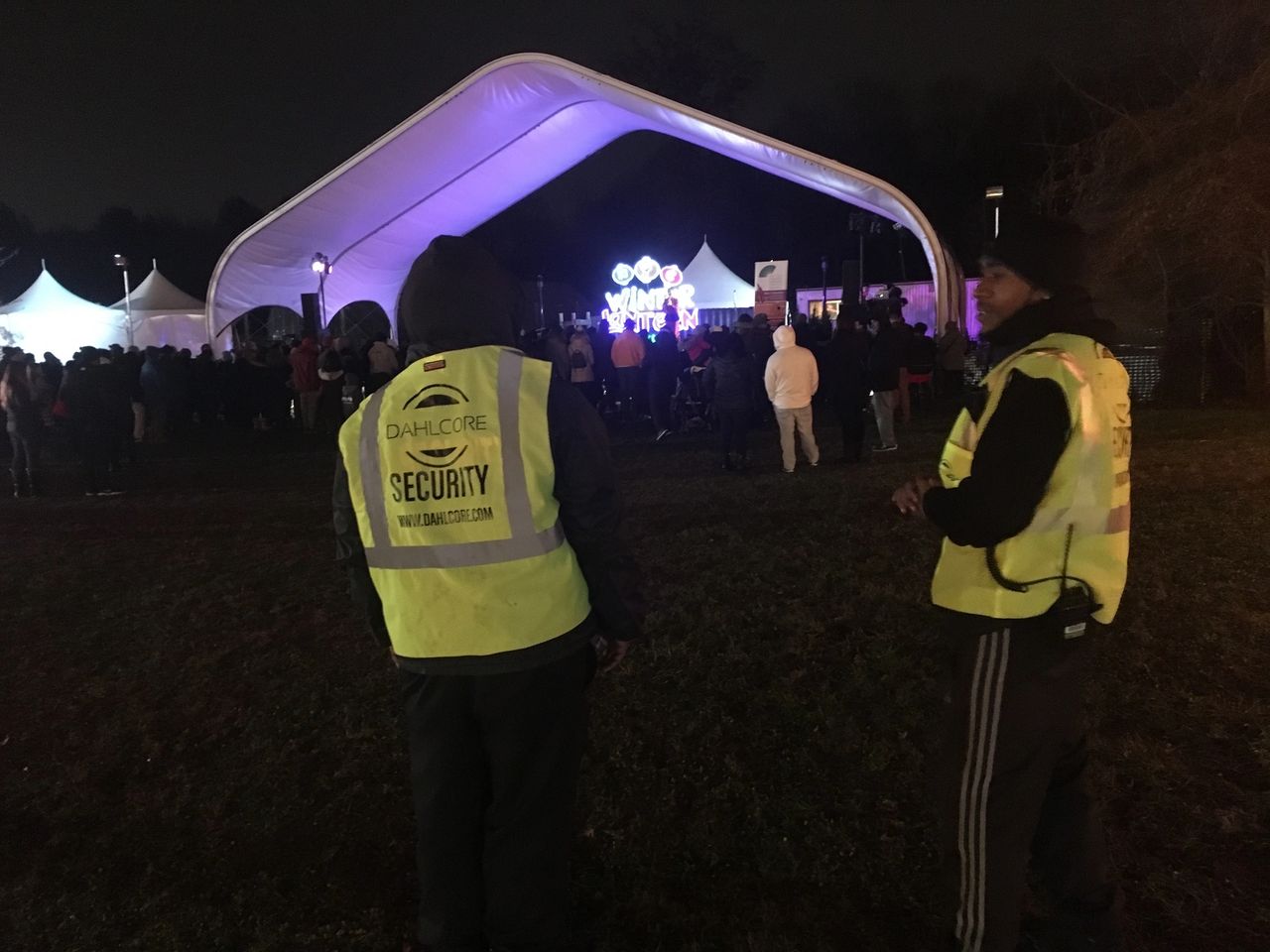
Concerts are exhilarating events filled with energy, but maintaining safety is crucial to ensuring everyone has a positive experience. To become a concert security guard, individuals generally need to be at least 18 years old, though requirements may vary by location and employer. This profession demands a mix of vigilance, physical fitness, and strong communication skills to handle potential emergencies and manage crowds effectively.
How old do you have to be a concert security guard?
In many countries, the standard legal age to work as a security guard is 18. However, for certain high-profile or alcohol-inclusive events, venues may require security personnel to be at least 21. This higher age requirement often reflects a desire for more mature individuals who can handle complex or high-pressure situations more effectively.
Role and Responsibilities of a Concert Security Guard
Job Overview
As the frontline defense against potential threats, these guards play a crucial role in maintaining safety and security. They are responsible for screening individuals and managing access to prevent unauthorized entry. Their vigilance ensures that both performing artists and attendees can enjoy the event without concern for their safety.
Importance in the Event Industry
Their role is indispensable because trained personnel are essential for managing and mitigating disruptions. Events are inherently prone to unforeseen disturbances, and these professionals ensure that order is upheld effectively. Without their expertise, maintaining a smooth operation during such incidents would be significantly more challenging.
Differentiating Between Security Guards and Bouncers
While both roles focus on safety, security guards prioritize the overall security of a venue, including surveillance and emergency response. They often patrol the premises, monitor security systems, and handle various security threats. Bouncers, on the other hand, specifically manage entry points, check IDs, and ensure that the crowd behaves appropriately, maintaining order and addressing disruptive behavior.
Requirements for Becoming a Concert Security Guard
Age Criteria
The age criterion for certain activities or responsibilities can vary depending on regional regulations, reflecting local legal and cultural standards. In most places, this age typically falls between 18 and 21 years. However, some regions may set the minimum or maximum age limit outside this range based on specific legal requirements or social norms.
Training and Certification
Specific certifications provide employees with recognized credentials that validate their expertise and skills in a particular area. When combined with hands-on training, these certifications enhance practical experience, allowing employees to apply their knowledge effectively. This combination often leads to improved job performance, increased confidence, and a stronger capability to handle real-world challenges.
Physical Fitness Levels
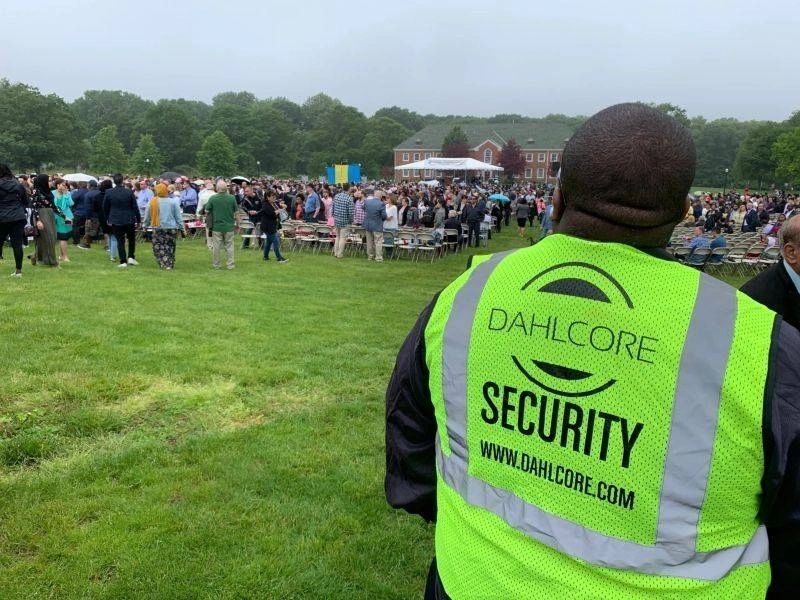
Stamina and strength are essential for guards, as concerts can last several hours, demanding prolonged physical endurance. Guards need to remain vigilant and responsive, often standing for extended periods. Their physical conditioning helps them handle the demands of the job while maintaining a high level of alertness.
Background Checks
Given the sensitive nature of the job, comprehensive background checks are crucial to maintaining the guard’s integrity. These checks help verify that the individual is trustworthy and free of any issues that could compromise security. Ensuring thorough vetting helps protect both the organization’s and the public’s interests.
Age Restrictions for Going to a Concert
When planning to attend a concert, understanding the age restrictions is crucial. These rules can vary significantly depending on the venue, the nature of the event, and local laws. Here’s a breakdown of common age-related guidelines for concert-goers:
- All Ages Events: These concerts are open to attendees of all ages, including children and teenagers. However, minors may be required to be accompanied by an adult.
- Teen Events: Some concerts are specifically targeted at teenagers, typically allowing entry to those between 13 and 19 years old. These events usually have strict supervision and sometimes an earlier end time.
- 18 and Over: Many clubs and venues impose an 18+ age limit for entry due to the presence of alcohol. Valid photo ID proving age is generally required at the door.
- 21 and Over: Similar to 18+ events, these concerts restrict entry to adults who are at least 21 years old. This age limit is strictly enforced in venues where alcohol is served, in line with legal drinking age regulations.
Before purchasing tickets, it’s advisable to check the venue’s specific age requirements to avoid disappointment at the entrance.
Experience Narratives: First-Hand Accounts
Sarah’s First Concert Gig
Sarah recalls her first assignment, “I was barely 19, fresh out of training. The sheer energy of the crowd was overwhelming, but I had to remain calm and focused. It’s a memory that still teaches me the importance of composed vigilance.”
James Recalls a Challenging Night
A seasoned security professional, James recounts a night when fans got too excited. “It’s a balancing act, knowing when to intervene without escalating a situation. That night was a masterclass in patience.”

The Evolution of Concert Security
From the 70s to Today
In the 1970s, concert security was relatively straightforward, focusing primarily on managing crowds and preventing disruptions. Today, the landscape has evolved significantly, with security personnel facing more sophisticated threats such as terrorism and cyber-attacks. As a result, modern concert security must employ advanced technology and strategies to protect both performers and audiences effectively.
Pay Scale and Growth Opportunities
Starting salaries may differ based on the industry and location, but gaining experience typically leads to opportunities for higher-paying positions. As you build your career, you might advance to senior roles or explore specialized areas within your field. Additionally, experienced professionals often have the option to transition into consulting, where they can leverage their expertise to earn higher fees.
Common Myths about Concert Security Jobs
A common misconception is that the job relies solely on physical strength, neglecting the importance of mental acuity. In reality, it requires a deep understanding of human behavior and psychology to navigate complex interactions effectively. Balancing both mental and physical skills is essential for success in this field.
The Emotional Quotient of the Job
Dealing with Overzealous Fans
Managing ardent fans requires a delicate balance of empathy and authority. Emotionally, staff must show understanding and appreciation for the fans’ passion, while also firmly enforcing rules to maintain order and fairness. This approach helps to foster a positive experience for both the fans and the event organizers.
Managing Large Crowds
The collective mood of a crowd can change rapidly due to various factors such as events, announcements, or interactions. Guards need to be highly perceptive to these mood swings to effectively manage and control potential situations. Being able to anticipate and respond to these shifts can prevent escalation and ensure safety.
Digital Era and Concert Security
Surveillance Technology
With technological advancements, security now encompasses more than just physical presence. Surveillance tools, such as drones and CCTV cameras, are crucial for monitoring and safeguarding spaces. These technologies enhance the ability to detect and respond to potential threats efficiently.
Online Threat Analysis
Modern guards must stay alert to online threats, including monitoring social media for potential security risks and identifying signs of cyber vulnerabilities. They need to integrate digital surveillance with traditional methods to protect against both physical and virtual intrusions. Keeping up with the latest cybersecurity trends and tools is essential to effectively safeguard against evolving digital threats.

Personal Safety Tips for Concert Security Professionals
Always be aware of exit points to ensure you have a quick escape route if needed. Having backup communication tools is crucial in case your primary means of contact fails. Never underestimate any situation, regardless of how trivial it may seem, as unexpected issues can arise. Preparedness and vigilance are key to handling unforeseen challenges effectively.
Six Essential Traits of an Efficient Security Guard
- Vigilance
- Patience
- Empathy
- Quick Decision-making
- Physical Fitness
- Continuous Learning
The Unsung Heroes of the Music World
Concert security guards, often standing stoically at the perimeters, might go unnoticed by the crowd. Despite their low profile, their role is crucial in maintaining order and safety throughout the event. Their vigilance ensures that attendees can enjoy the performances without any interruptions or concerns. These unsung heroes work diligently behind the scenes to protect both the performers and the audience.
Diversity in Concert Security
The world of concert security is as diverse as the music genres it covers, with each type presenting unique challenges. Pop concerts often face issues like crowd surges and enthusiastic fans trying to get closer to the performers. Rock concerts may deal with high-energy crowds that sometimes rush the stage or engage in rowdy behavior. In contrast, classical concerts require vigilance over etiquette breaches, such as loud talking or the use of mobile phones, which can disrupt the performance.
Things to Be Mindful of When Going to Concerts Under 16
For younger music fans under the age of 16, attending concerts can be an exciting but daunting experience. Here are several key considerations to keep in mind:
- Supervision: Always check if the venue requires minors to be accompanied by an adult. Some venues require attendees under a certain age to have a guardian present.
- Safety Measures: Stay in well-lit areas and be aware of the designated emergency exits. It’s also wise to plan a meeting point in case you get separated from your group.
- Hearing Protection: Concerts can be extremely loud, and prolonged exposure to high decibel levels can damage hearing. Consider wearing earplugs to protect your ears.
- Personal Comfort: Ensure you have water and snacks if allowed, and dress appropriately for the weather and crowd conditions. Comfortable shoes are a must.
- Digital Safety: Be cautious about sharing personal information or your location on social media. It’s important to maintain privacy and security while enjoying the concert.
By keeping these factors in mind, young concert-goers can ensure they have a fun and safe experience at their favorite artist’s performance.

FAQs
Why do some concerts have younger security personnel?
Younger personnel might be employed for their agility, but age sometimes dictates efficiency. Experience, training, and aptitude are equally vital.
Can you work part-time as a concert security guard?
Many security firms offer part-time roles, especially during peak concert seasons.
Is prior experience mandatory?
While beneficial, many firms offer training programs for beginners.
How different is concert security from venue security?
Concert security focuses more on crowd management and event-specific threats, while venue security might involve more generalized tasks.
Are there female concert security guards?
Absolutely! The security profession is diverse, and many women excel, bringing unique strengths.
How do you handle aggressive attendees?
It’s essential to approach calmly, utilize de-escalation techniques, and prioritize safety. When required, seeking additional help or involving local authorities might be necessary.
Conclusion
Becoming a concert security guard is about more than just meeting an age criterion. It’s a profession requiring a blend of physical strength, psychological insight, and an undying commitment to ensuring safety. The question, “How old do you have to be a concert security guard?” scratches the surface of this multi-faceted role. From understanding regional requirements to debunking myths, one can appreciate the depth and breadth of what it means to stand guard at a concert, ensuring everyone’s safety and enjoyment.
Check other blogs
Securing Modern Healthcare: Innovative Strategies for the Future
Do Bodyguards Live with Clients?
Parking Lot Safety for Employees: A Comprehensive Guide
