

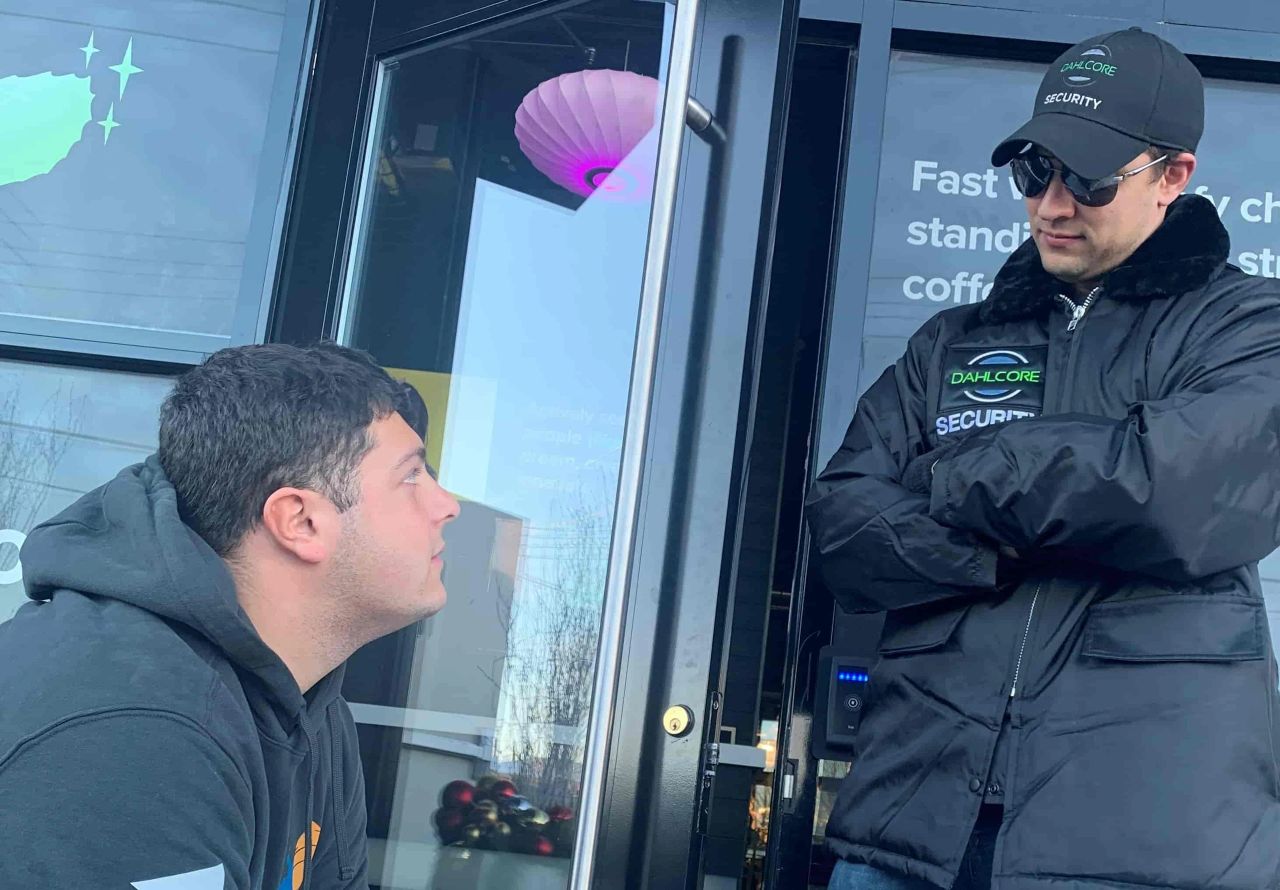
When it comes to personal security, the role of a bodyguard is paramount. These professionals are entrusted with the safety and well-being of their clients, who range from celebrities to high-profile business executives. The need for protection varies, but one common question arises: Do bodyguards live with clients? This article delves into the intricacies of this query, exploring the roles, benefits, drawbacks, and considerations involved in having bodyguards reside with their clients.
Understanding the Role of Bodyguards
Duties and Responsibilities
Bodyguards are responsible for ensuring the safety of their clients at all times. This involves pre-emptive measures such as conducting risk assessments, planning secure routes, and constant vigilance. They are trained to respond to threats swiftly and efficiently, ensuring the client’s safety in potentially dangerous situations.
Types of Bodyguards
There are various types of bodyguards, each serving different purposes. Executive protection specialists focus on high-profile business leaders, while celebrity bodyguards handle the unique challenges of public figures. Other types include residential security teams and event security specialists, each with specific training tailored to their roles.
Factors Influencing the Living Arrangements
Client’s Needs and Preferences
The decision to have bodyguards live with clients often depends on the client’s personal needs and preferences. High-profile individuals with constant security threats may require around-the-clock protection, necessitating the presence of bodyguards within their homes. Additionally, this arrangement allows for immediate response to potential dangers and ensures a seamless integration of security measures into the client’s daily life, providing peace of mind and enhanced safety.
Threat Level Assessment
Security professionals conduct thorough threat assessments to evaluate potential threats and the overall risk faced by a client. These assessments involve analyzing various factors, such as the client’s public profile, recent activities, and any known threats or vulnerabilities. If the threat level is deemed high, a live-in bodyguard arrangement might be recommended to ensure immediate response capabilities and provide continuous protection, thereby mitigating the risk of harm to the client at all times.
What are the duties of a bodyguard?
The duties of a bodyguard are diverse and crucial for the safety and security of their clients. Primarily, their responsibilities include:
- Protection: Ensuring the physical safety of the client from threats of violence or kidnapping.
- Risk Assessment: Constantly assessing the environment to identify potential threats or dangers.
- Security Planning: Developing and implementing strategic security plans that cater to daily schedules and specific events.
- Travel Security: Managing and securing travel routes and transportation to ensure the client’s safety during movements.
- Crowd Screening: Overseeing and controlling the access of people around the client, especially in public and crowded places.
- Emergency Response: Providing immediate action during a crisis, including administering first aid and coordinating with law enforcement and emergency services.
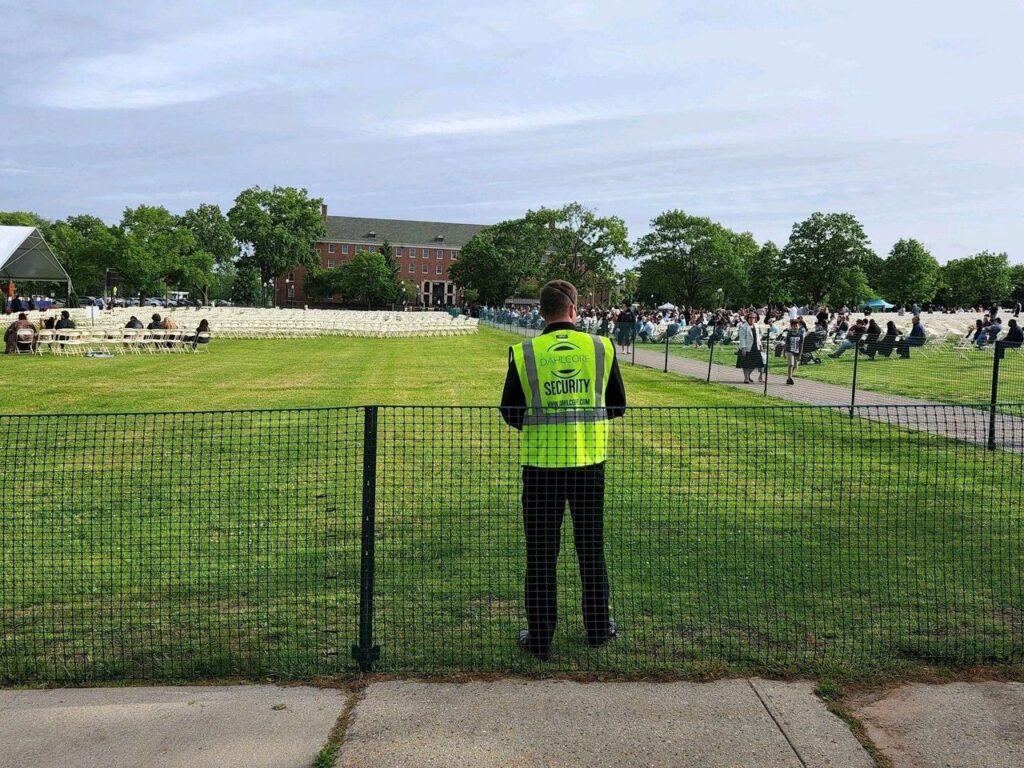
Situational Needs for Bodyguard Residency
High-Risk Clients
Clients at significant risk of harm, such as political figures or individuals involved in contentious legal battles, may benefit significantly from having bodyguards live with them. The constant presence of security personnel not only acts as a solid deterrent to potential attackers but also ensures immediate response in case of any threats. Moreover, having bodyguards on-site allows for continuous monitoring and protection, enhancing the overall safety and peace of mind of the clients.
Celebrities and High-Profile Individuals
Celebrities and other high-profile individuals often face unique security challenges, including stalkers, overzealous fans, and potential threats to their safety and privacy. For such clients, having bodyguards reside with them provides not only immediate protection against these threats but also a continuous presence that deters potential intruders. This arrangement ensures that security measures are seamlessly integrated into their daily lives, allowing them to maintain a semblance of normalcy while being safeguarded.
Advantages of Bodyguards Living with Clients
Enhanced Security
Having bodyguards live with clients significantly enhances their security by providing round-the-clock protection and vigilance. The constant presence of trained professionals ensures that any potential threats are swiftly identified and neutralized before they can escalate, offering a proactive approach to safety. Moreover, bodyguards can better understand the client’s routines and environments, allowing them to anticipate and mitigate risks more effectively.
Immediate Response to Threats
Live-in bodyguards are able to respond to threats immediately, providing an essential layer of protection that cannot be matched by external security teams, who may experience delays in arrival. Their constant presence and familiarity with the client’s routines and environment allow them to identify and neutralize potential dangers quickly. This immediate action can be crucial in preventing harm to the client and ensuring their safety and peace of mind at all times.
Disadvantages of Bodyguards Living with Clients
Privacy Concerns
One of the primary disadvantages of having bodyguards live with clients is the significant impact on privacy. The constant presence of security personnel can make clients feel their personal space is being invaded, which often leads to discomfort and a sense of being constantly monitored. This intrusion can interfere with daily routines and intimate moments, ultimately affecting the client’s quality of life and sense of autonomy.
Cost Implications
Employing live-in bodyguards can be significantly more expensive than other security arrangements due to various factors. Firstly, the salaries for highly trained bodyguards are substantial, reflecting their expertise and the risks involved. Additionally, providing accommodations suitable for both the bodyguards and the principal, as well as covering additional expenses like meals, utilities, and any specialized equipment or training, further increases the overall cost.
What do bodyguards actually do?
Bodyguards perform several critical tasks to ensure the safety of their clients. These include:
- Constant Vigilance: Monitoring surroundings for unusual activity that could pose a threat.
- Accompaniment: Staying close to the client at all times during public appearances, business meetings, or social events to prevent unauthorized access or attacks.
- Physical Intervention: Stepping in physically to protect the client from harm if a threat becomes imminent.
- Discreet Surveillance: Keeping a low profile while ensuring the safety of the client, maintaining a balance between effective security and minimal disruption to the client’s daily activities.
- Coordination with Other Security Measures: Working in tandem with home security systems, personal protection devices, and other security personnel.

Alternatives to Live-In Bodyguards
On-Demand Security Services
On-demand security services offer a flexible and cost-effective solution for clients who do not require constant protection. These services can be customized to address specific needs, such as protection during special events, travel, or periods of heightened risk. This approach allows clients to receive high-quality security measures only when necessary, optimizing both safety and resource allocation.
Rotational Shifts
Another alternative to ensuring security without a permanent residential presence is employing bodyguards on rotational shifts. This approach guarantees round-the-clock protection while allowing individuals to maintain their privacy and flexibility in their living arrangements. It effectively mitigates security risks by providing consistent monitoring and response capabilities without the constraints of a fixed security detail.
Client-Building Trust and Relationship
Developing Mutual Trust
Establishing mutual trust is crucial for an effective client-live-in bodyguard relationship. This entails transparent communication to clarify boundaries and address respective needs. Such understanding fosters a secure environment where both parties can operate with confidence and assurance.
Professional Boundaries
Maintaining professional boundaries is crucial in a live-in arrangement to ensure a respectful and professional relationship between the bodyguard and the client. Bodyguards must diligently respect the client’s personal space and privacy, refraining from intruding on their personal lives unless necessary for safety reasons. Achieving this balance requires clear communication, mutual respect, and a keen understanding of the boundaries between personal and professional responsibilities.
Legal and Ethical Considerations
Privacy Laws
Bodyguards must adhere to privacy laws and ensure that their actions do not infringe upon the client’s rights. This includes respecting private communications, such as phone calls, emails, and text messages, without unauthorized monitoring. They must also maintain discretion and confidentiality regarding the client’s activities, avoiding any actions that could violate the client’s right to privacy.
Confidentiality Agreements
Confidentiality is a fundamental aspect of the bodyguard-client relationship, ensuring trust and security. Bodyguards typically sign non-disclosure agreements to safeguard their clients’ privacy and sensitive information and prevent unauthorized disclosure. This commitment to discretion allows clients to maintain their personal and professional privacy without concerns about leaks or breaches.
What is the objective of a bodyguard?
The primary objective of a bodyguard is to protect their client from potential threats, which includes:
- Preventing Harm: Ensuring the client is safeguarded against physical attacks, harassment, stalking, and other forms of harm.
- Maintaining Privacy: Protecting the confidentiality and privacy of the client by controlling the flow of information and managing who has access to the client.
- Promoting Peace of Mind: Providing a sense of security for the client, allowing them to conduct their business and personal activities without fear for their personal safety.

Training and Skills Required for Live-In Bodyguards
Physical Fitness
Live-in bodyguards must maintain peak physical fitness to respond effectively to threats, requiring them to stay agile and strong. This involves rigorous training regimes that cover martial arts, tactical skills, and endurance exercises. Additionally, they must engage in regular physical activities such as weight training, cardiovascular workouts, and flexibility exercises to ensure they are always prepared for any situation.
Situational Awareness
Situational awareness is crucial for bodyguards as it allows them to anticipate and neutralize potential threats. This involves continuously scanning the environment, monitoring the behavior of individuals nearby, and recognizing unusual or suspicious activities. By staying alert and proactive, bodyguards can take preventive measures, such as repositioning the client or coordinating with security teams, to ensure the client’s safety.
Choosing the Right Bodyguard
Qualifications to Look For
When selecting a bodyguard, clients should prioritize candidates with previous military or law enforcement experience, as this background provides essential skills in handling high-pressure situations. Additionally, specialized security training ensures the bodyguard is adept in modern protection techniques and can effectively assess and mitigate risks. Certifications in personal protection further validate their expertise and commitment to maintaining high standards in the field.
Personal Compatibility
Personal compatibility is crucial in a bodyguard-client relationship. It ensures that both parties can work together seamlessly, fostering mutual respect and understanding. Recognizing and respecting each other’s preferences and boundaries is essential for a harmonious and effective partnership.
Technology and Security
Surveillance Systems
Modern security heavily relies on advanced technology to ensure safety and protection. Surveillance systems, such as CCTV cameras and motion detectors, are essential tools that provide continuous monitoring and alert capabilities. These technologies are critical for clients with live-in bodyguards, as they enhance overall security by detecting potential threats and enabling quick responses.
Communication Tools
Effective communication tools, such as encrypted radios and GPS trackers, are crucial for bodyguards to coordinate security measures seamlessly. These devices ensure real-time updates on potential threats and enable quick responses to changing situations. By using advanced communication systems, bodyguards can enhance their ability to protect clients and maintain situational awareness effectively.
Impact on Personal Life
Work-Life Balance for Bodyguards
The rigorous demands of live-in bodyguard roles can significantly affect their work-life balance. These professionals must juggle intense security duties with the need to carve out time for personal activities and sufficient rest. Balancing these responsibilities is crucial to maintaining both physical readiness and mental well-being in their demanding profession.
Family and Social Implications
Living with a client can significantly impact a bodyguard’s family dynamics and social connections. The demanding schedule and constant proximity to the client often create challenges in maintaining regular family interactions and social engagements. These strains can arise from the unpredictable nature of the job and the need for the bodyguard to prioritize the client’s safety above personal commitments.
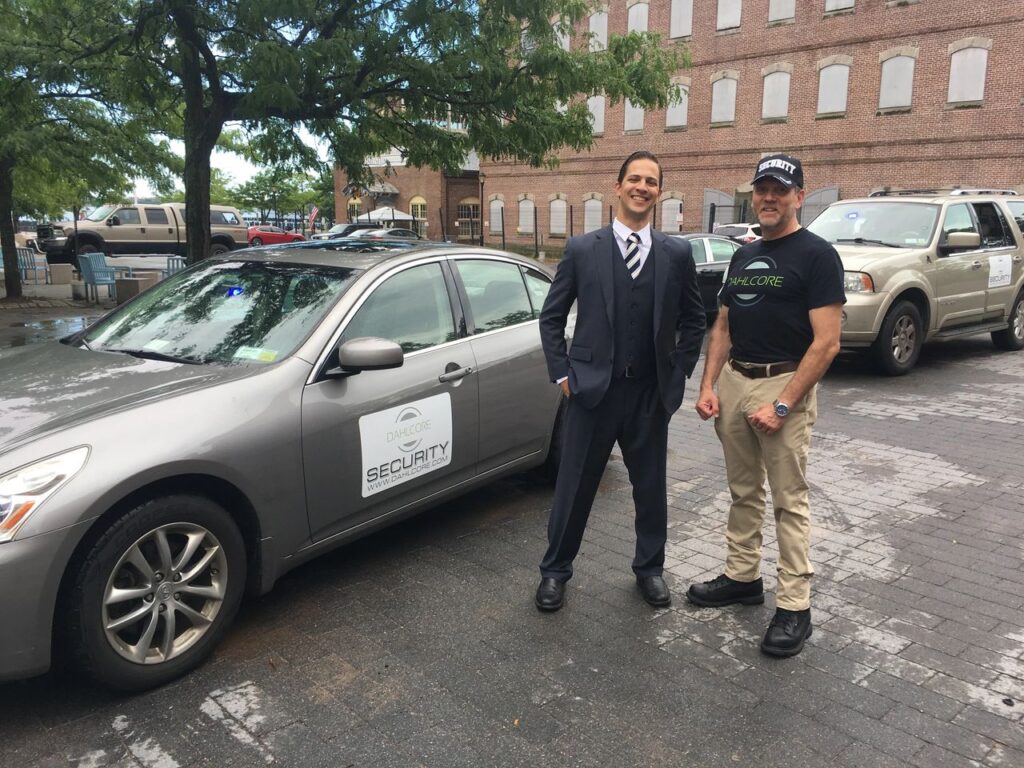
What is the use of bodyguards?
Bodyguards are utilized to provide personal protection and security in various scenarios, including:
- High-Profile Individuals: Celebrities, politicians, and business executives who may be exposed to higher risks due to their public stature or wealth.
- Events: Securing venues and ensuring the safety of guests and VIPs during events such as conferences, concerts, or public speaking engagements.
- Travel: Safeguarding individuals traveling domestically or internationally, especially in regions known for higher security risks.
- Personal Protection: Assisting individuals who may be exposed to personal threats due to legal, financial, or personal disputes.
These roles highlight the comprehensive skills and responsibilities of bodyguards in maintaining the safety and well-being of their clients.
In the realm of personal protection, the U.S. Secret Service (USSS) exemplifies the practice of providing continuous, round-the-clock security to high-profile individuals. The USSS is mandated to protect the President, Vice President, their immediate families, and other designated individuals, ensuring their safety through comprehensive protective measures.
Similarly, the U.S. Department of State’s Diplomatic Security Service (DSS) offers 24/7 protection to the Secretary of State, both domestically and internationally. This constant security presence underscores the importance of immediate threat response and the integration of security protocols into the daily lives of those under protection.
Frequently Asked Questions (FAQs)
Do all bodyguards live with their clients?
No, not all bodyguards live with their clients. The decision depends on the client’s security needs and personal preferences.
What factors influence the decision for a bodyguard to live with a client?
Factors include the client’s threat level, personal preferences, and the nature of their public profile.
Are live-in bodyguards more expensive than other security options?
Yes, employing live-in bodyguards can be more expensive due to the costs associated with their constant presence and accommodation.
How do clients maintain privacy with live-in bodyguards?
Clients can maintain privacy by establishing clear boundaries and expectations with their bodyguards, ensuring professional conduct at all times.
What qualifications should I look for in a live-in bodyguard?
Look for qualifications such as previous security experience, specialized training, and certifications in personal protection.
Can technology enhance the effectiveness of live-in bodyguards?
Yes, technology such as surveillance systems and secure communication tools can significantly enhance the effectiveness of live-in bodyguards.
Conclusion
In conclusion, the decision for bodyguards to live with clients is influenced by various factors, including the client’s security needs, personal preferences, and threat level. While live-in bodyguards offer enhanced security and immediate threat response, they also come with privacy concerns and higher costs. Alternatives such as on-demand security services and rotational shifts provide flexibility without compromising safety. Ultimately, the choice depends on balancing security with personal comfort and privacy, ensuring that both the client and bodyguard maintain a harmonious and effective working relationship.
Check other blogs
Innovative Surveillance Techniques for Dispensary Protection
Fire Cable Ratings and Fire Protection: A Comprehensive Guide
The Benefits of Hiring Security Guards from a Security Company
