


In the realm of retail and business, loss prevention stands as a critical pillar for maintaining profitability and operational integrity. At its core, a loss prevention program aims to preemptively identify and mitigate various forms of losses, be it through theft, fraud, or operational inefficiencies. Understanding the fundamentals of such a program is the first step toward crafting a robust defense against potential financial losses.
Expert Security Guard Support: A Key Component
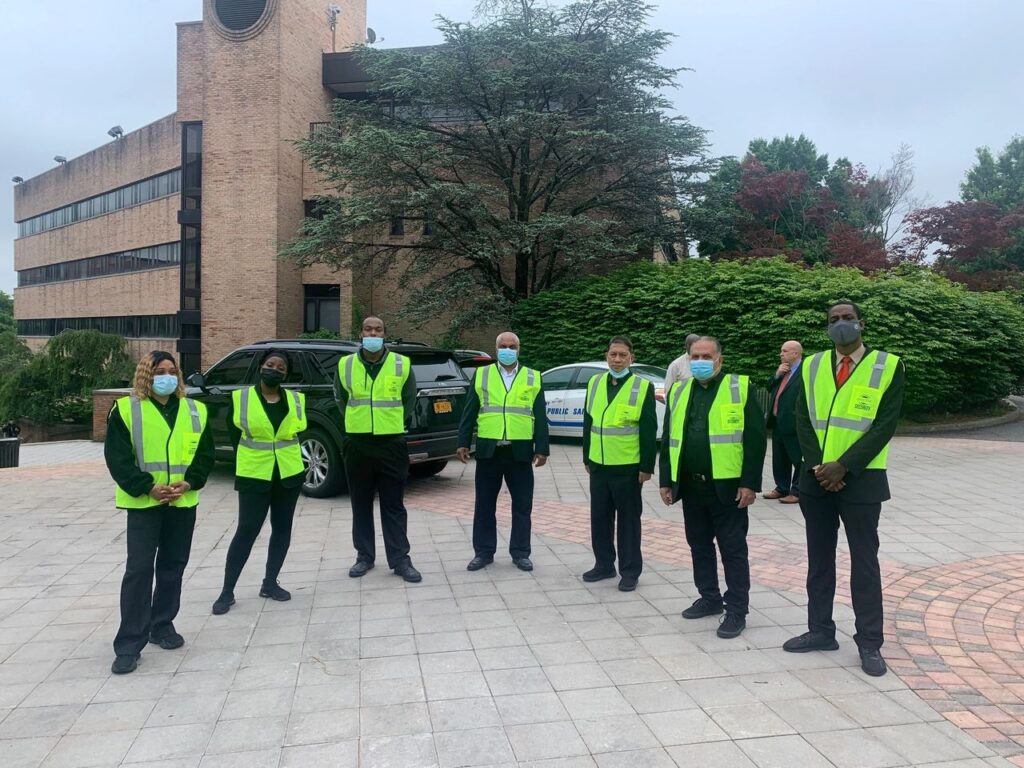
Security guards play an integral role in the landscape of loss prevention. They are not just the eyes and ears of an establishment but also act as a deterrent against potential threats. However, the effectiveness of security guards extends beyond mere presence; it lies in their ability to observe, report, and act in a manner that aligns with the overall loss prevention strategy.
Assessing Your Current Loss Prevention Strategies
To build a strong loss prevention program, it’s crucial first to assess the current strategies in place. This involves a thorough analysis of your business to identify any existing weaknesses or vulnerabilities in your loss prevention plan. A comprehensive approach is necessary to cover all bases, from internal processes to external security measures, ensuring that no aspect of your business is left unprotected.
Developing a Robust Loss Prevention Plan
Developing a robust loss prevention plan goes beyond conventional security measures by integrating expert security guard support into a comprehensive multi-layered defense strategy. This approach involves customizing strategies to align with the specific requirements of your business, thus ensuring that all potential sources of loss are thoroughly identified and secured. By tailoring security measures and expert personnel to your unique needs, you create a more effective and proactive approach to mitigate risks and protect your assets.
Training and Empowering Security Guards
The effectiveness of security guards in a loss prevention program hinges on their training and empowerment. Providing them with essential training specific to loss prevention equips them with the knowledge and skills needed to perform their duties effectively. Furthermore, empowering them with the right tools and decision-making authority enables them to act swiftly and appropriately in various scenarios, thereby enhancing the overall security of your business.
Technology Integration in Loss Prevention
In today’s digital age, integrating modern technology is a vital component of an effective loss prevention program. From surveillance systems to advanced analytics, technology can significantly enhance the capabilities of your security team. However, it’s essential to strike a balance between human vigilance and technological assistance to ensure that both work in tandem for optimal security.
Preventing Internal Theft: A Crucial Challenge
Internal theft poses a substantial threat to businesses, as it can lead to significant financial losses and erode trust within the organization. To effectively combat this challenge, companies need to develop a comprehensive understanding of their internal operations, including vulnerable areas and potential risk factors. Security guards play a pivotal role in this effort by actively monitoring employees and visitors, promptly identifying and reporting any suspicious activities, and helping to deter potential thieves, making them an indispensable part of the overall strategy to prevent and address internal theft.
External Theft and How to Combat It
External theft poses a substantial threat to businesses, as it encompasses various forms of robbery carried out by individuals or groups from outside the organization. To effectively mitigate these risks, companies must implement a comprehensive approach, which includes physical security measures such as surveillance cameras, access control systems, and burglar alarms, as well as procedural strategies like employee training to recognize and report suspicious activities and the establishment of transparent inventory control processes. By combining these measures, businesses can significantly reduce their vulnerability to external theft and protect their assets and profitability.
Legal and Ethical Considerations in Loss Prevention
Navigating the legal and ethical aspects of loss prevention is crucial for businesses as it helps ensure that their security measures align with established legal standards and maintain ethical practices. This proactive approach not only shields the company from potential legal consequences, such as lawsuits or fines but also preserves its reputation and fosters trust with customers. By adhering to these principles, businesses can demonstrate their commitment to responsible operations and create a safer and more trustworthy environment for both their employees and customers.
Building a Strong Loss Prevention Program with Expert Security Guard Support
Incorporating expert security guard support into your loss prevention program can bring numerous benefits. It not only enhances the physical security of your premises but also adds a layer of professionalism and expertise that can be invaluable in preventing losses. The integration of skilled security personnel is a significant step towards building a resilient and effective loss prevention program.

Monitoring and Adapting Your Loss Prevention Strategy
In the dynamic landscape of business, an effective loss prevention program must be viewed as a dynamic process rather than a static set of rules. Regularly assessing and adapting strategies enables a company to stay ahead of evolving risks, whether they are related to internal theft, external fraud, or other threats. By fostering a culture of continuous improvement and vigilance, organizations can proactively protect their assets, reputation, and financial stability in an ever-changing business environment.
Frequently Asked Questions
How does expert security guard support enhance a loss prevention program?
Expert security guard support enhances a loss prevention program by providing professional surveillance, deterrence, and immediate response capabilities, which are crucial for preventing both internal and external theft.
What are some effective strategies for training security guards in loss prevention?
Effective strategies include specialized training in surveillance techniques, understanding theft patterns, communication skills, and emergency response protocols. Regular drills and refresher courses can also keep the guards’ skills sharp and up-to-date.
How can technology be integrated into a loss prevention program?
Technology can be integrated through surveillance cameras, alarm systems, RFID tags, and advanced analytics software. These technologies complement the efforts of security guards by providing them with additional tools to monitor and protect the premises.
What are the critical components of a successful loss prevention plan?
Key components include thorough risk assessment, expert security guard support, technology integration, employee training, clear policies and procedures, and continuous monitoring and adaptation.
How can internal theft be prevented in a business setting?
Preventing internal theft involves implementing strict inventory controls, conducting regular audits, fostering a culture of accountability, and having a robust employee screening and monitoring process.
Conclusion: Ensuring Sustainable Loss Prevention
In conclusion, building a solid loss prevention program with expert security guard support is a multifaceted approach that requires careful planning, execution, and ongoing management. By integrating well-trained security guards, leveraging technology, and adapting to changing circumstances, businesses can create a resilient and effective loss prevention strategy that protects their assets and ensures sustainable operation.
Check other blogs
Unarmed Security Guard Training: Essential Skills & Benefits
Ethics of Employee Termination: Balancing Business & Rights
Why Do Dispensaries Have Security? Ensuring Safe Cannabis Retail
Security Patrol Officer Duties (Checklist + SOP Workflow)
