

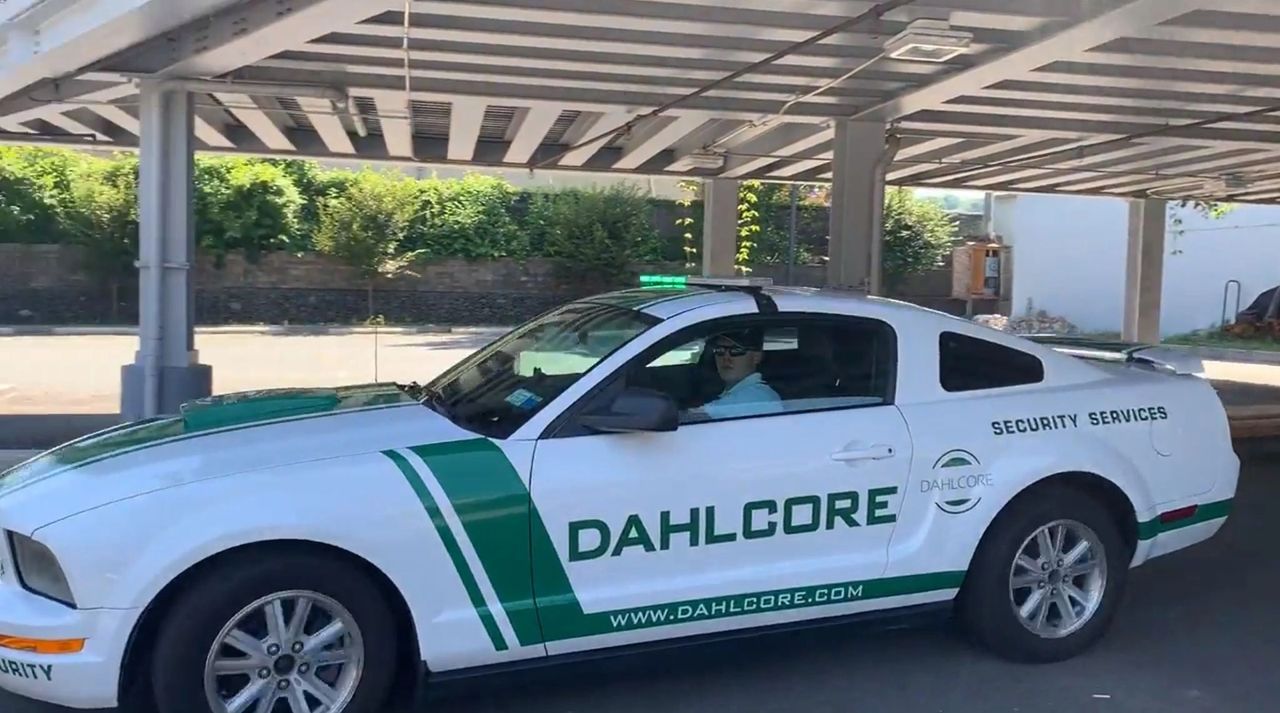
In the bustling world of construction, security stands as a paramount concern. With valuable assets, equipment, and materials often left unattended, construction sites become prime targets for theft, vandalism, and unauthorized access. In this article, we delve into the intricacies of ensuring security through mobile patrols on construction sites, offering insights into the best practices that can safeguard your site and assets.
Understanding Construction Sites
Construction sites are dynamic environments, constantly evolving as projects progress. This dynamism poses unique challenges for security, as the layout, access points, and potential risks can change rapidly. Common security risks include theft of equipment and materials, vandalism, intrusion by unauthorized personnel, and safety hazards. Understanding these risks is crucial for developing effective security strategies.
Planning Mobile Patrol Routes
Establishing designated patrol zones
Patrol zones should be established based on the following:
- The identified key risk areas.
- Historical data of incidents within the site.
- Accessibility and visibility of different site sections.
- Special events or activities that might increase risk levels.
- Natural barriers that dictate movement patterns.
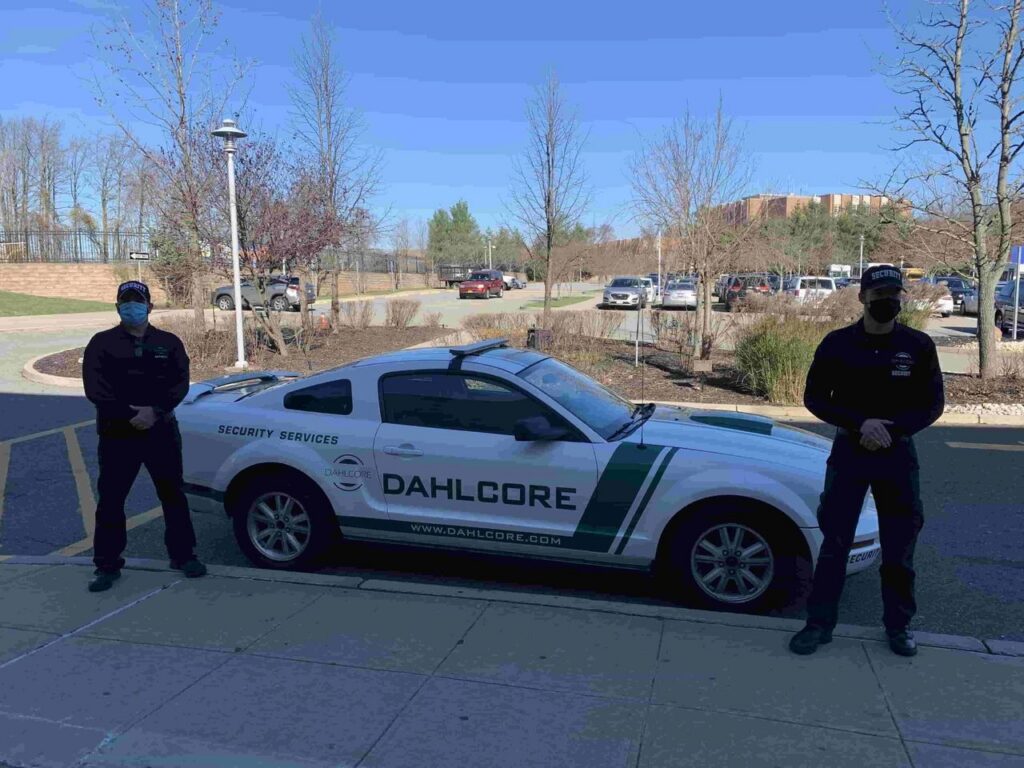
Determining the frequency and timing of patrols
The frequency and timing should consider the following:
- The level of risk associated with each zone.
- Shift changes and times of low activity.
- Variations in risk due to weather conditions or time of day.
- Special events or temporary changes in site layout.
- Feedback from security personnel based on previous patrols.
Incorporating flexibility to adapt to changing site conditions
To maintain effective patrols:
- Develop alternate routes for different scenarios.
- Establish protocols for adjusting patrols in response to emergencies.
- Encourage feedback from patrol officers regarding route effectiveness.
- Monitor construction progress and update patrol routes accordingly.
- Utilize technology to track and modify routes in real time.
Best Practices for Mobile Patrols
- Regular Patrol Routes: Establishing regular patrol routes ensures comprehensive coverage of the construction site. Mobile patrols should cover all areas, including perimeters, access points, storage areas, and high-risk zones.
- Utilization of Technology: Leverage technology to enhance the effectiveness of mobile patrols. This may include using CCTV cameras, motion sensors, drones, and GPS tracking systems to monitor and detect security breaches in real-time.
- Collaboration with On-site Personnel: Foster collaboration between mobile patrol teams and on-site personnel. Regular communication and information sharing enable proactive identification and mitigation of security risks.
- Emergency Response Protocols: Develop clear and efficient emergency response protocols to address security incidents promptly. Mobile patrol teams should be trained to handle emergencies such as theft, vandalism, fires, and medical emergencies effectively.
- Documentation and Reporting: Thoroughly document patrol activities, security incidents, and observations. Detailed reports enable analysis of security trends, identification of vulnerabilities, and implementation of corrective measures.

Challenges Faced by Mobile Patrols
Construction sites present various challenges for mobile patrol teams:
- Environmental Factors: Harsh weather conditions, uneven terrain, and limited visibility can impede patrol operations.
- Communication Challenges: In remote or sprawling construction sites, communication between patrol teams and central command may be challenging.
- Dealing with Trespassers: Mobile patrols must deal with trespassers, including unauthorized personnel, vandals, and thieves, while ensuring minimal disruption to construction activities.
Training and Preparation
Practical training and preparation are essential for mobile patrol teams:
- Security Personnel Training: Equip security personnel with comprehensive training in surveillance techniques, conflict resolution, first aid, and emergency response.
- Familiarization with Site Layout: Ensure that patrol teams are familiar with the layout of the construction site, including access points, restricted areas, and emergency exits.
- Equipment Familiarity: Provide training on the use of security equipment and technology, including CCTV systems, alarms, two-way radios, and personal protective equipment.
- Handling Emergency Situations: Conduct regular drills and simulations to prepare patrol teams for various emergency scenarios, including security breaches, fires, medical emergencies, and natural disasters.
- Continuous Improvement: Encourage constant learning and improvement among patrol teams through feedback, debriefing sessions, and ongoing training programs.
Utilizing Technology for Enhanced Security
Implementation of surveillance cameras and sensors
This can improve security by:
- Providing real-time monitoring of critical areas.
- Deterring theft and unauthorized access.
- Assisting in the investigation of incidents.
- Monitoring traffic flow and identifying bottlenecks.
- Enhancing the overall situational awareness of security personnel.

Integration of mobile patrol software for route optimization and reporting
Benefits include:
- Efficient planning and tracking of patrol routes.
- Streamlined reporting and documentation processes.
- Real-time updates and communication with patrol units.
- Historical data analysis is used to identify trends and patterns.
- Automated alerts for suspicious activities or deviations from the patrol.
Incorporating GPS tracking systems for real-time monitoring of patrol units
GPS tracking offers:
- Enhanced accountability and transparency of patrol operations.
- Real-time location data for quick response to incidents.
- Historical movement data for performance evaluation.
- Ability to redirect units based on emerging situations.
- Increased safety for patrol personnel through constant monitoring.
Communication and Collaboration
Establishing clear channels of communication between patrol units and site management
Effective communication strategies include:
- Regular briefings and debriefings with all security personnel.
- Establishment of a centralized communication hub.
- Implementation of a reliable two-way communication system.
- Protocols for emergency communication and escalation.
- Feedback mechanisms for continuous improvement.
Coordination with local law enforcement agencies for additional support
Coordination involves:
- Establishing contacts with local police and emergency services.
- Sharing information on site-specific risks and security plans.
- Coordinating responses to incidents and emergencies.
- Participating in community safety initiatives.
- Regular meetings to update and revise collaborative strategies.

Encouraging reporting of suspicious activities by all site personnel
To foster a secure environment:
- Develop a culture of security awareness and vigilance.
- Implement an easy and anonymous reporting system.
- Provide training on recognizing and reporting suspicious behavior.
- Offer incentives for proactive security measures.
- Ensure that all reports are taken seriously and investigated promptly.
Incident Response and Documentation
Establishing protocols for responding to security breaches and emergencies
Protocols should include:
- Immediate actions to secure the area and ensure safety.
- Notification procedures for internal and external stakeholders.
- Steps for gathering and preserving evidence.
- Coordination with law enforcement and emergency services.
- Post-incident debriefing and analysis for lessons learned.
Documenting incidents through written reports and photographic evidence
Documentation is crucial for:
- Providing a clear and factual record of events.
- Facilitating the investigation and resolution of incidents.
- Identifying patterns or trends that may indicate security weaknesses.
- Supporting legal and disciplinary actions.
- Informing future security planning and improvements.
Conducting regular reviews and evaluations to identify areas for improvement
Reviews should focus on:
- Analyzing incident reports and response effectiveness.
- Soliciting feedback from all stakeholders.
- Identifying gaps in training, resources, or procedures.
- Comparing performance against industry best practices.
- Implementing changes based on findings and recommendations.

Regular Review and Improvement
Conducting periodic assessments of mobile patrol effectiveness
Assessments should examine:
- Patrol route coverage and incident response times.
- Effectiveness of communication and reporting systems.
- Adequacy of training and equipment.
- Compliance with established protocols and procedures.
- Satisfaction levels of site management and personnel.
Soliciting feedback from security personnel and site management
Feedback should be gathered through:
- Surveys, interviews, and focus groups.
- Regular performance reviews and meetings.
- Analysis of incident reports and patrol data.
- Suggestion boxes and informal conversations.
- Review of external audits and assessments.
Implementing adjustments to procedures based on lessons learned and emerging threats
Adjustments may include:
- Revising patrol routes and frequencies.
- Updating training programs and emergency protocols.
- Enhancing communication and reporting tools.
- Strengthening collaboration with local law enforcement.
- Investing in new technology or equipment to address specific security challenges.
FAQs
How often should mobile patrols be conducted?
Mobile patrols should be conducted regularly, with frequency determined by factors such as the size of the construction site, the level of security risk, and the availability of resources.
What steps can be taken to enhance communication between patrol teams and central command?
Utilizing two-way radios, mobile phones, or communication apps can facilitate real-time communication between patrol teams and central command, ensuring prompt response to security incidents.
How can construction site managers ensure compliance with security protocols among on-site personnel?
Regular training sessions, clear communication of security policies and procedures, and enforcement mechanisms such as access control systems and ID badges can help ensure compliance with security protocols.
What role does technology play in enhancing construction site security?
Technology such as CCTV cameras, motion sensors, and GPS tracking systems can provide continuous surveillance, detect security breaches in real time, and deter potential intruders, thereby enhancing overall security levels.
How should mobile patrol teams handle confrontations with trespassers or unauthorized personnel?
Mobile patrol teams should prioritize safety and de-escalation techniques when confronting trespassers or unauthorized personnel. They should avoid physical confrontation whenever possible and rely on communication, observation, and cooperation with law enforcement if necessary.
What measures can be taken to address security risks posed by subcontractors or third-party vendors?
Implementing stringent access control measures, conducting background checks on subcontractors and vendors, and closely monitoring their activities while on-site can help mitigate security risks associated with external parties.
Conclusion
In conclusion, effective mobile patrols play a crucial role in ensuring the security of construction sites. By implementing the best practices outlined in this article, construction site managers can mitigate security risks, protect assets and personnel, and maintain a safe and secure working environment. Adaptability, collaboration, and preparedness are vital to addressing the dynamic challenges of construction site security.
Check other blogs
Cannabis Gate Security: Safeguarding Green Gold
Analyzing Average Pay for Green Mountain Concert Service Security
