

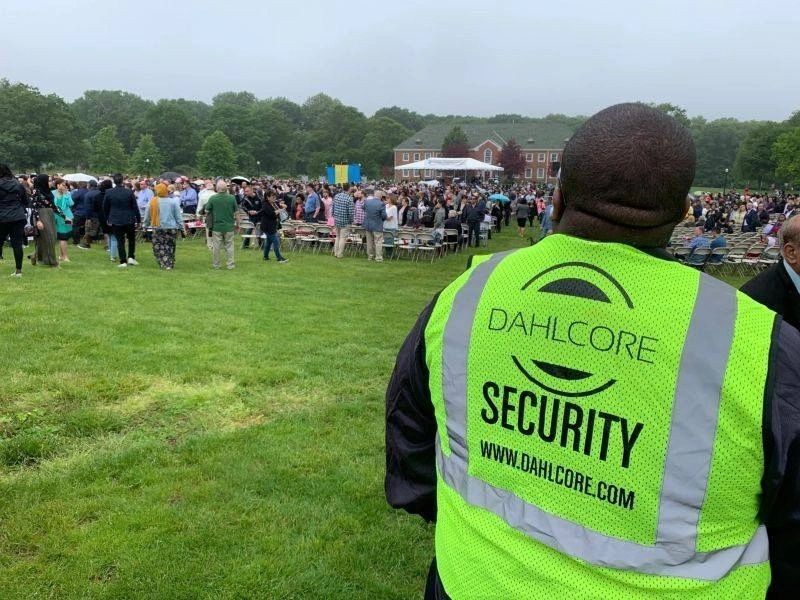
Hotel Security and Staff Collaboration
The hospitality industry thrives on the seamless synergy between various teams, with a particular focus on the collaboration between hotel staff and security teams. This alliance is not just about ensuring the safety of guests but also about creating an environment where service excellence is the norm. The collaboration between these two departments is pivotal in delivering a guest experience that is both secure and welcoming.
The Pillars of Effective Collaboration
Understanding the key elements that make this collaboration successful is crucial. Communication stands as the cornerstone, ensuring that every member, from the front desk staff to the security personnel, is on the same page. Building a foundation of trust and respect is equally important, as it fosters a more cohesive and responsive team environment.
Responsibilities of Hotel Staff
Front Desk and Guest Services
Front desk and guest services staff play a crucial role in ensuring the safety and security of both guests and the property itself. Their responsibilities include:
Checking Guest Identification:
- Verify the identity of all guests during check-in, requesting valid identification such as passports, driver’s licenses, or government-issued IDs.
- Ensure that guest information matches the reservation details to prevent unauthorized access.
Monitoring Guest Access to Rooms:
- Keep a vigilant eye on anyone attempting to access guest rooms without proper authorization.
- Monitor key card usage and investigate any suspicious or unauthorized entries promptly.
- Escort guests to their rooms when necessary to ensure their safety.
Housekeeping
The housekeeping staff may only sometimes be in direct contact with guests, but they still play a vital role in maintaining a secure environment within the hotel premises. Their responsibilities include:
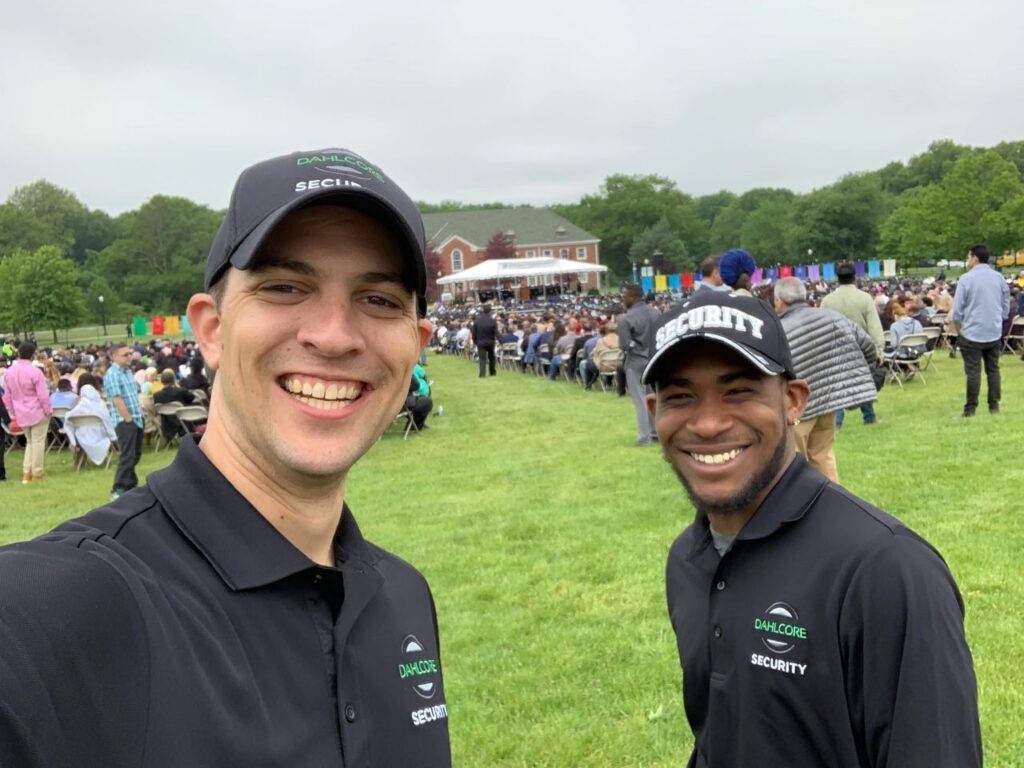
Reporting Suspicious Activities:
- Be attentive to unusual or suspicious behavior in guest rooms, such as the presence of unauthorized individuals or unusual items.
- Immediately report any suspicious activities to the front desk or security personnel.
Securing Guest Belongings:
- Handle guests’ personal belongings with care and respect their privacy.
- Ensure that all guest room doors are securely locked after cleaning or servicing to prevent unauthorized access.
Food and Beverage Staff
While primarily responsible for dining services, food and beverage staff should also be aware of security concerns. Their responsibilities include:
Identifying Potential Security Threats:
- Be alert to any disruptive or potentially dangerous behavior among patrons in the restaurant or bar area.
- Notify security or management if a guest or visitor appears to pose a security risk.
Ensuring a Safe Dining Environment:
- Maintain a well-lit and orderly dining area to deter criminal activity.
- Assist guests who may feel uncomfortable or unsafe, such as arranging for an escort to their room.
Training and Development
Investing in joint training programs for staff and security is vital. This not only equips them with the necessary skills to handle various situations but also ensures that they are aligned in their approaches and understand each other’s roles deeply. Continuous skill upgradation is necessary to keep up with evolving industry standards and guest expectations.
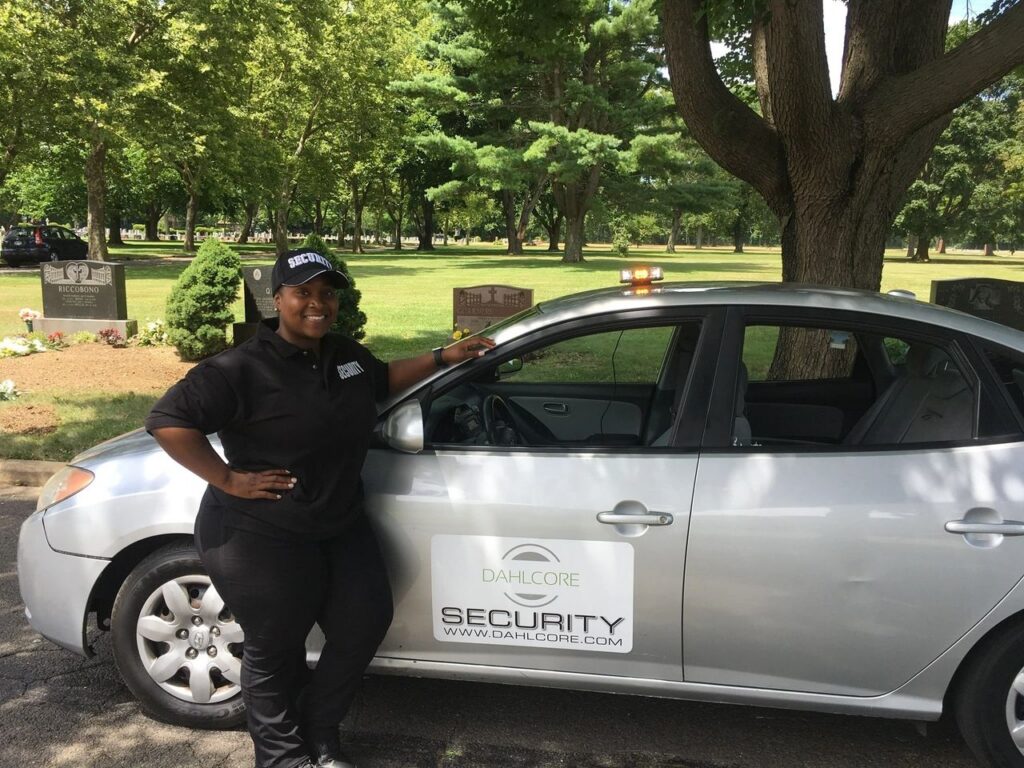
Technology Integration in Collaboration
Utilizing modern technology is a game-changer in enhancing the coordination between hotel staff and security teams. From communication tools to advanced security systems, technology plays a pivotal role in facilitating efficient and effective collaboration. Emphasizing cybersecurity and data protection is also crucial in this digital age.
Crisis Management and Emergency Response
During emergencies, effective collaboration between staff and security personnel is indispensable as it ensures a seamless response to unforeseen events. This collaborative approach allows for the timely sharing of critical information, the allocation of resources, and the implementation of safety protocols, ultimately enhancing the organization’s ability to manage crises efficiently and mitigate potential risks.
Guest Experience Enhancement
The primary objective of this collaboration is to elevate the overall guest experience to its zenith. By fostering a harmonious partnership between the staff and security teams, we can not only ensure the safety and well-being of our guests but also create an environment where their needs and comfort are prioritized. This synergy has been proven effective through numerous real-life examples and case studies, demonstrating how seamless cooperation between these two essential departments can significantly enhance guest satisfaction, fostering memorable and enjoyable stays.
Safety Protocols and Compliance
Hotel staff and security teams bear a crucial responsibility in ensuring that their establishment operates in strict accordance with legal and ethical standards. To achieve this, conducting regular audits and assessments becomes essential, as they serve as proactive measures to identify and rectify any potential breaches or shortcomings in safety protocols, thereby safeguarding both guests and the reputation of the hotel.
Conflict Resolution Strategies
Conflict resolution is an essential component of effective teamwork and collaboration, as it helps teams navigate disagreements and differences of opinion. By fostering open communication, active listening, and a willingness to compromise, teams can address internal disputes constructively, leading to a more harmonious work environment and ultimately enhancing productivity and morale among team members.
Feedback Mechanisms and Continuous Improvement
Feedback plays a pivotal role in the process of continuous improvement as it serves as a valuable source of insights and perspectives from various stakeholders. When organizations actively collect feedback from both their staff and guests, they gain a comprehensive understanding of their strengths and weaknesses, enabling them to adapt and refine their collaboration strategies, ultimately fostering a more dynamic and effective work environment.
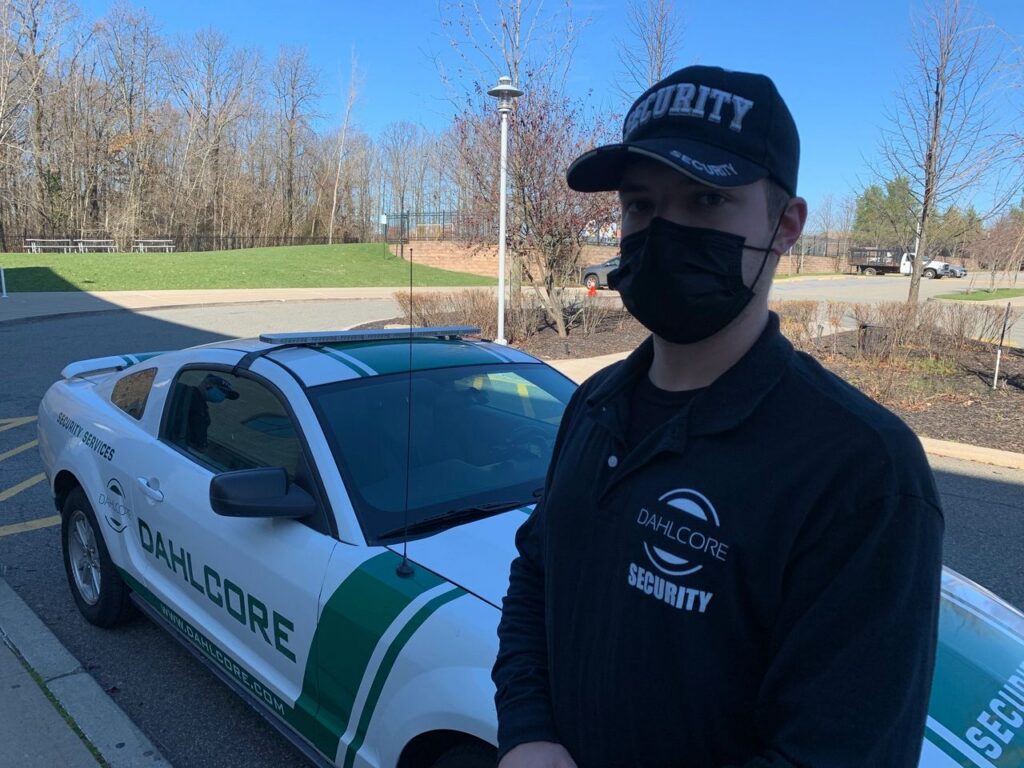
Collaboration Between Hotel Staff and Security Teams
In the ever-evolving hospitality industry, successful collaboration has emerged as a cornerstone of excellence. By embracing best practices and fostering innovative approaches to partnership, stakeholders in the sector can create immersive and personalized guest experiences, optimize operational efficiency, and pave the way for exciting prospects, ultimately redefining the landscape of hospitality for years to come.
Measuring the Success of Collaboration
Measuring the success of collaborative efforts is crucial for ongoing improvement as it enables teams and organizations to assess the impact of their work. This involves establishing key performance indicators (KPIs) that align with the goals of the collaboration, allowing stakeholders to track progress and make data-driven decisions. Additionally, implementing feedback loops ensures that participants can provide input, share insights, and make necessary adjustments, fostering a culture of continuous learning and adaptation within the collaborative endeavor.
Challenges and Solutions in Collaboration
Collaborative efforts often encounter challenges such as communication barriers, conflicting goals, and a need for clear roles and responsibilities. To overcome these obstacles, it is essential to establish effective communication channels, align the goals and objectives of all parties involved, and create a well-defined framework outlining each member’s role and contribution. For instance, in the healthcare industry, interdisciplinary collaboration between doctors, nurses, and support staff can be hindered by miscommunication, but implementing regular team meetings and clear protocols can enhance coordination and patient care.
FAQs
What are the benefits of effective collaboration between hotel staff and security teams?
Effective collaboration leads to a safer, more secure environment and enhances the overall guest experience. It ensures swift and coordinated responses to any issues, improving operational efficiency and guest satisfaction.
How can technology be used to enhance the collaboration between these teams?
Technology, such as integrated communication systems and security software, facilitates real-time information sharing and coordination. It streamlines processes, making responses to security concerns and guest needs more efficient and effective.
What are the best practices for training staff and security teams together?
Joint training sessions should focus on developing mutual understanding of roles, emergency procedures, and customer service excellence. Regular drills and workshops can maintain high levels of preparedness and teamwork.
How does collaboration impact the overall guest experience in a hotel?
Collaboration ensures a seamless guest experience by combining top-notch security with excellent customer service. It creates a hospitable atmosphere where guests feel both welcome and secure.
What strategies can be employed to resolve conflicts between staff and security teams?
Open communication and regular team-building exercises can help in resolving conflicts. Encouraging empathy and understanding of each team’s challenges and perspectives is also crucial.
How can the success of collaboration between hotel staff and security teams be measured?
Reduced security incidents, positive guest feedback, and improved staff coordination and morale can measure success. Regular assessments and surveys can also provide valuable insights into the effectiveness of the collaboration.
Conclusion and Key Takeaways
The article concludes with a recap of the main points discussed, emphasizing the importance of collaboration between hotel staff and security teams for the overall success of the hospitality industry.
Check other blogs
Vital Security Protocols for Handling Hazardous Sites
Keeping Concert Memories Alive: Your Ultimate Guide to Preserving
Security Officer Job: Ensuring Safety and Protection
Balancing Security and Compassion: The Hospital Guard’s Role
